
Alpha Arbutin: The Ultimate Guide to Fading Dark Spots

Achieving a radiant, uniform complexion often feels like a challenging journey, particularly when contending with persistent dark spots and uneven skin tone. Many individuals seek potent yet gentle solutions to address these concerns, and one stellar ingredient consistently rises to the forefront: Alpha Arbutin. This remarkable compound, derived from the bearberry plant, has garnered significant attention in the skincare industry for its exceptional ability to diminish hyperpigmentation. Unlike some harsher alternatives, Alpha Arbutin offers a stable and effective approach to brightening the skin, making it a cornerstone of many successful dark spot treatment regimens. Delving into its scientific mechanisms, practical applications, and unparalleled benefits reveals why this brightening ingredient stands out as a true game-changer for those aspiring to achieve luminous, blemish-free skin.
Understanding Alpha Arbutin: What It Is and How It Works
Alpha Arbutin represents a natural glycosylated hydroquinone, meaning it is a derivative of hydroquinone, but with a glucose molecule attached. This structural modification is crucial, as it allows Alpha Arbutin to deliver its skin-brightening effects without the potential irritation often associated with its parent compound. Its primary function involves targeting the root cause of hyperpigmentation: melanin production. Melanin, the pigment responsible for skin color, can be overproduced due to various factors, including sun exposure, inflammation, hormonal changes, and post-inflammatory hyperpigmentation following acne breakouts. Alpha Arbutin intervenes in this process by inhibiting a key enzyme.
The Science Behind Alpha Arbutin’s Efficacy
At the heart of Alpha Arbutin’s effectiveness lies its specific action on tyrosinase. Tyrosinase is an essential enzyme present in melanocytes, the cells responsible for producing melanin. This enzyme catalyzes critical steps in the melanin synthesis pathway. Alpha Arbutin functions as a competitive inhibitor of tyrosinase. This means it binds to the active site of the tyrosinase enzyme, effectively preventing the enzyme from interacting with its natural substrates, tyrosine and L-DOPA. By blocking these initial steps, Alpha Arbutin significantly reduces the amount of melanin produced. This inhibition occurs without causing melanocyte cytotoxicity, which distinguishes it from some older brightening agents that could potentially harm pigment-producing cells.
- Targeted Inhibition: Alpha Arbutin directly interferes with tyrosinase, the enzyme crucial for melanin production.
- Non-Cytotoxic Action: It inhibits melanin synthesis without damaging the melanocytes themselves, ensuring safer use.
- Gradual & Stable Release: The glycosidic bond in Alpha Arbutin allows for a controlled release of hydroquinone, minimizing potential irritation.
Recommended Products
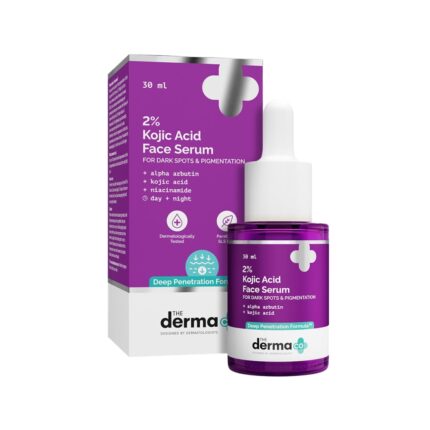 Sale
SaleOriginal price was: ৳ 1,350.00.৳ 990.00Current price is: ৳ 990.00.
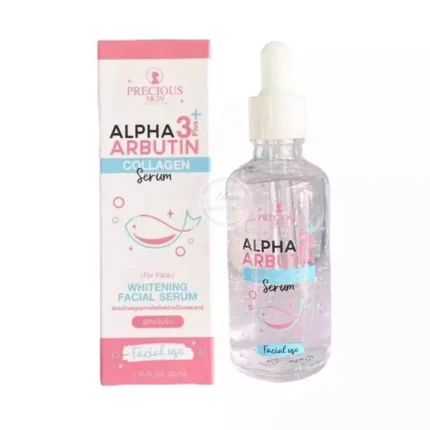 Sale
SaleOriginal price was: ৳ 795.00.৳ 599.00Current price is: ৳ 599.00.
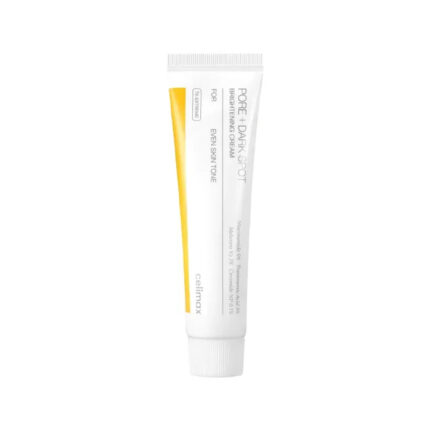 Sale
SaleOriginal price was: ৳ 1,790.00.৳ 1,590.00Current price is: ৳ 1,590.00.
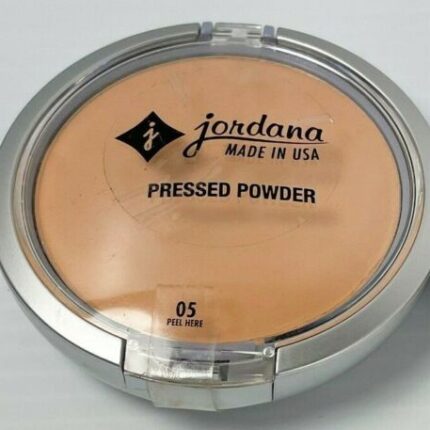 Sale
SaleOriginal price was: ৳ 720.00.৳ 650.00Current price is: ৳ 650.00.
The Myriad Benefits of Incorporating Alpha Arbutin
The appeal of Alpha Arbutin extends far beyond its scientific elegance. Its practical benefits for skin health and appearance are substantial, making it a highly sought-after ingredient in modern skincare formulations. Users consistently report visible improvements in skin tone evenness and the reduction of various types of hyperpigmentation. This brightening ingredient provides a gentle yet powerful approach to achieving a more uniform and radiant complexion, addressing concerns that impact many individuals across different skin types and tones.
Exceptional Dark Spot Treatment
One of the most celebrated attributes of Alpha Arbutin is its remarkable efficacy as a dark spot treatment. Whether these spots stem from sun damage, known as sunspots or age spots, or are the lingering aftermath of acne, like post-inflammatory hyperpigmentation (PIH), Alpha Arbutin systematically works to fade them. Its mechanism of action directly targets the localized overproduction of melanin that forms these spots. Consistent application helps to gradually lighten these concentrated areas of pigment, blending them seamlessly with the surrounding skin. This targeted action makes Alpha Arbutin an indispensable component of any regimen aimed at correcting specific areas of discoloration.
Overall Skin Brightening and Even Tone
Beyond individual dark spots, Alpha Arbutin contributes significantly to achieving an overall brighter and more even skin tone. Many individuals struggle with generalized dullness, patchiness, or subtle variations in pigment across their face. Alpha Arbutin addresses these concerns by reducing overall melanin synthesis, leading to a more luminous and uniform complexion. Regular use can transform lackluster skin into one that appears refreshed, vibrant, and perceptibly healthier. This holistic brightening effect elevates the skin’s natural radiance, making it an excellent choice for those seeking a comprehensive solution for dullness.
Addressing Melasma and Post-Inflammatory Hyperpigmentation (PIH)
Alpha Arbutin proves particularly beneficial for complex and often stubborn forms of hyperpigmentation, such as melasma and post-inflammatory hyperpigmentation. Melasma, characterized by symmetrical patches of discoloration, often on the face, is notoriously difficult to treat due to its hormonal component. Alpha Arbutin, by inhibiting tyrosinase, helps to manage the excessive melanin production associated with melasma, providing a gentler alternative or complement to other treatments. Similarly, PIH, the dark marks left after inflammatory skin conditions like acne or eczema, responds well to Alpha Arbutin’s pigment-reducing capabilities, accelerating the fading process and preventing long-term scarring.
Minimizing Hyperpigmentation with Gentle Efficacy
A significant advantage of Alpha Arbutin over some other potent depigmenting agents is its gentle nature. While highly effective, it typically causes less irritation, redness, or dryness compared to ingredients like prescription-strength hydroquinone. This makes it suitable for individuals with sensitive skin who may not tolerate stronger treatments. Its stability in formulations also contributes to its user-friendliness, ensuring that the product remains effective over time without rapid degradation. The balance of efficacy and mildness positions Alpha Arbutin as a preferred choice for sustained use in skincare routines, providing powerful results without compromising skin barrier integrity.
Alpha Arbutin vs. Other Leading Brightening Ingredients
The landscape of brightening ingredients is diverse, with numerous compounds vying for attention. While many offer similar promises, their mechanisms of action, potency, stability, and potential side effects vary significantly. Understanding how Alpha Arbutin compares to other popular choices helps consumers make informed decisions tailored to their specific skin concerns and sensitivities. Each ingredient brings its unique advantages, and sometimes, a combination approach yields the most superior results. Examining these differences highlights Alpha Arbutin’s distinct position in the realm of hyperpigmentation treatment.
Alpha Arbutin vs. Hydroquinone
Hydroquinone is often considered the gold standard for treating hyperpigmentation, known for its rapid and powerful effects. However, its use is often regulated, and it can come with significant side effects, including irritation, contact dermatitis, and, in rare cases, ochronosis (a bluish-black discoloration) with prolonged use. Alpha Arbutin is a glycosylated derivative of hydroquinone, meaning it slowly releases hydroquinone into the skin, making it far less irritating while still delivering comparable results over time. It offers the benefit of hydroquinone without the harsh side effects, making it a safer and more tolerable option for long-term use and for individuals with sensitive skin. This makes it an ideal choice for a consistent dark spot treatment.
Alpha Arbutin vs. Vitamin C (L-Ascorbic Acid)
Vitamin C, particularly L-Ascorbic Acid, is a powerhouse antioxidant and brightening agent. It works by inhibiting tyrosinase, just like Alpha Arbutin, but also by neutralizing free radicals, promoting collagen production, and offering photoprotection. While excellent for overall radiance and protection, Vitamin C can be unstable and challenging to formulate effectively. It can also cause mild irritation in higher concentrations. Alpha Arbutin, by contrast, is highly stable and specifically targets tyrosinase inhibition without significant antioxidant properties. For targeted pigment reduction, Alpha Arbutin often provides a more direct and potent approach, while Vitamin C offers broader skin health benefits. Often, these two ingredients are combined for enhanced results.
Alpha Arbutin vs. Niacinamide (Vitamin B3)
Niacinamide is a versatile ingredient known for its multiple benefits, including reducing inflammation, improving skin barrier function, minimizing pores, and regulating oil production. Regarding hyperpigmentation, Niacinamide works by preventing the transfer of melanin from melanocytes to keratinocytes (the surface skin cells). This mechanism is distinct from Alpha Arbutin’s tyrosinase inhibition. While Niacinamide is effective for general brightening and reducing the appearance of new pigmentation, Alpha Arbutin offers a more direct and potent action on existing dark spots by directly stopping melanin production at its source. Both are well-tolerated and can be safely used together for a comprehensive approach to even skin tone.
Alpha Arbutin vs. Kojic Acid
Kojic Acid, derived from fungi, is another well-known tyrosinase inhibitor. It functions similarly to Alpha Arbutin by chelating copper at the tyrosinase enzyme’s active site, thereby preventing melanin synthesis. However, Kojic Acid is often less stable in formulations and can be more irritating than Alpha Arbutin, especially in higher concentrations. It is also more prone to oxidation, which can reduce its effectiveness over time. Alpha Arbutin offers superior stability and generally better tolerability, making it a preferred choice for many seeking a consistent and gentle yet powerful brightening ingredient without the potential for heightened sensitivity that Kojic Acid might present.
Alpha Arbutin vs. Azelaic Acid
Azelaic Acid is a dicarboxylic acid that offers anti-inflammatory, antibacterial, and mild exfoliating properties, alongside its ability to reduce hyperpigmentation. Its mechanism for reducing pigmentation involves inhibiting tyrosinase, similar to Alpha Arbutin, but it also has a direct cytotoxic effect on abnormal melanocytes, making it particularly effective for conditions like melasma and post-inflammatory erythema (redness). While highly effective and generally well-tolerated, Azelaic Acid can sometimes cause itching or stinging, especially during initial use. Alpha Arbutin tends to be milder for direct tyrosinase inhibition without the other properties of Azelaic Acid. For pure pigmentation concerns with sensitivity, Alpha Arbutin might be preferred, but Azelaic Acid offers broader benefits for acne-prone or rosacea-prone skin with pigmentation.
Integrating Alpha Arbutin into Your Skincare Routine
Successfully incorporating Alpha Arbutin into your daily skincare regimen requires thoughtful consideration of product types, concentrations, and application techniques. Its stability and gentle nature make it a versatile ingredient suitable for various formulations, from lightweight serums to richer creams. Understanding the optimal way to use this brightening ingredient ensures you maximize its efficacy while maintaining skin health. A strategic approach will yield the best results for addressing hyperpigmentation and achieving a more luminous complexion.
Optimal Product Formulations: Serums and Creams
Alpha Arbutin is most commonly found in serums and creams. Serums, typically lighter in texture and containing higher concentrations of active ingredients, are an excellent choice for targeted treatment. A high-quality pigmentation serum featuring Alpha Arbutin allows for deeper penetration and more potent action on dark spots and overall skin tone. Creams, on the other hand, often combine Alpha Arbutin with moisturizing agents, making them suitable for individuals with drier skin or for those who prefer a single product with multiple benefits. Both forms are effective, and the choice largely depends on personal preference and skin type. Look for products that clearly state the percentage of Alpha Arbutin.
Recommended Concentrations for Effective Dark Spot Treatment
For optimal results as a dark spot treatment, products typically contain Alpha Arbutin concentrations ranging from 0.5% to 2%. Most research supporting its efficacy uses concentrations within this range, with 2% being a common and highly effective percentage in many reputable formulations. While higher concentrations might exist, they do not necessarily equate to exponentially better results and could potentially increase the risk of mild irritation, although this is rare with Alpha Arbutin. Always start with a lower concentration if you have very sensitive skin and gradually increase if needed. Consistency, rather than extremely high concentrations, is the key to success.
Step-by-Step Application: When and How to Use
Alpha Arbutin can generally be used once or twice daily, depending on your skin’s tolerance and the specific product instructions. For maximum benefit, integrate it into your routine after cleansing and toning, but before heavier creams and sunscreens.
- Cleanse: Start with a gentle cleanser to remove impurities.
- Tone (Optional): Apply a toner if it’s part of your routine.
- Apply Alpha Arbutin Serum/Cream: Dispense a few drops of your pigmentation serum or a pea-sized amount of cream onto your fingertips. Gently pat or spread evenly over the areas of concern or across your entire face, avoiding the eye area unless the product is specifically formulated for it.
- Moisturize: Follow with a hydrating moisturizer to lock in moisture and support the skin barrier.
- Sunscreen (AM): In the morning, always finish with a broad-spectrum sunscreen with an SPF of 30 or higher. This step is non-negotiable when using any brightening ingredient, as UV exposure can trigger new pigmentation and counteract Alpha Arbutin’s effects.
Layering with Other Actives for Enhanced Results
Alpha Arbutin is known for its compatibility with many other active ingredients, allowing for powerful synergistic combinations.
- With Vitamin C: Combining Alpha Arbutin with Vitamin C can boost antioxidant protection and enhance brightening effects, as both target different aspects of melanin production or transfer.
- With Niacinamide: This duo is excellent for overall skin tone and texture improvement. Niacinamide helps with barrier function and reduces inflammation, while Alpha Arbutin targets pigmentation directly.
- With AHAs/BHAs: Gentle exfoliation with Alpha Hydroxy Acids (AHAs) or Beta Hydroxy Acids (BHAs) can help shed pigmented surface cells, allowing Alpha Arbutin to penetrate more effectively. Introduce these cautiously and monitor for sensitivity.
- With Retinoids: Retinoids can accelerate cell turnover, further aiding in the fading of dark spots. Use retinoids and Alpha Arbutin at different times of the day (e.g., Alpha Arbutin in the morning, retinoid at night) or alternate nights, especially if you have sensitive skin, to minimize irritation.
Always introduce new active ingredients one at a time and patch test to observe your skin’s reaction. Gradually build up usage frequency to prevent overstimulation.
Essential Precautions and Potential Side Effects
While Alpha Arbutin is celebrated for its gentle yet effective nature, understanding potential considerations and exercising proper precautions ensures a safe and positive experience. No skincare ingredient is entirely without possible side effects, and being informed empowers users to integrate this brightening ingredient responsibly into their regimen. Awareness of these aspects contributes to successful and sustainable results in achieving an even skin tone.
General Safety and Tolerability
Alpha Arbutin is generally very well-tolerated by most skin types, including sensitive skin. Its molecular structure, which slowly releases hydroquinone, accounts for its significantly lower irritation potential compared to direct hydroquinone application. Studies and anecdotal evidence consistently report minimal to no adverse reactions, even with prolonged use. This makes it an excellent choice for individuals who have previously experienced sensitivity to other potent brightening agents. Always perform a patch test on a small, inconspicuous area of skin before applying a new product containing Alpha Arbutin to your entire face, especially if you have known allergies or extremely reactive skin.
Rare Side Effects to Be Aware Of
Although uncommon, some individuals may experience mild side effects, typically transient in nature. These can include:
- Mild Redness or Irritation: Especially during the initial stages of use, or if used in conjunction with other potent active ingredients, some minor redness may occur. This usually subsides as the skin adjusts.
- Dryness or Peeling: Very sensitive individuals might experience slight dryness or flaking, particularly if using higher concentrations or if their skin barrier is compromised. Ensuring adequate hydration with a good moisturizer can mitigate this.
- Allergic Reaction: As with any ingredient, a rare allergic reaction is possible, manifesting as itching, swelling, or more pronounced redness. Discontinue use immediately if this occurs.
- Paradoxical Darkening (Very Rare): In extremely rare cases, and usually associated with very high concentrations or improper use, some individuals might experience a paradoxical darkening of the skin. This is exceedingly rare with Alpha Arbutin at recommended concentrations.
If any adverse reactions persist or worsen, consult a dermatologist. Do not attempt to self-diagnose severe skin issues.
Crucial Role of Sun Protection
This is perhaps the single most important precaution when using Alpha Arbutin or any dark spot treatment. UV radiation is the primary trigger for melanin production and hyperpigmentation. Without consistent and diligent sun protection, the efforts of Alpha Arbutin to fade dark spots will be severely hampered, if not completely negated.
- Daily Sunscreen: Apply a broad-spectrum sunscreen with an SPF of 30 or higher every morning, regardless of whether you are indoors or outdoors, and reapply every two hours when exposed to direct sunlight.
- Protective Measures: Supplement sunscreen use with physical protection such as wide-brimmed hats, sunglasses, and protective clothing when spending extended periods outdoors.
- Avoid Peak Sun Hours: Limit direct sun exposure, especially between 10 AM and 4 PM, when UV radiation is strongest.
Neglecting sun protection is the most common reason why individuals do not see satisfactory results from their pigmentation treatments.
Considerations for Pregnancy and Breastfeeding
While Alpha Arbutin is considered a safer alternative to hydroquinone, there is still limited comprehensive research on its effects during pregnancy and breastfeeding. As a precaution, many dermatologists and medical professionals advise pregnant and breastfeeding individuals to err on the side of caution and avoid using active ingredients like Alpha Arbutin, retinoids, and salicylic acid. It is always best to consult with your healthcare provider or dermatologist before introducing any new skincare product during these periods to ensure safety for both mother and baby. They can provide personalized advice based on your individual health profile.
Who Benefits Most from Alpha Arbutin?
Understanding which individuals and skin concerns are most amenable to treatment with Alpha Arbutin helps to identify its ideal user base. This powerful yet gentle brightening ingredient offers a versatile solution for a wide array of hyperpigmentation issues, making it a valuable addition to many diverse skincare routines. Its broad appeal lies in its efficacy across different skin types and its ability to address multiple forms of discoloration without causing undue irritation.
Individuals with Various Forms of Hyperpigmentation
Alpha Arbutin is particularly beneficial for anyone struggling with different types of dark spots and uneven skin tone. This includes:
- Sunspots/Age Spots: Those unsightly dark patches that develop on sun-exposed areas like the face, hands, and décolletage.
- Post-Inflammatory Hyperpigmentation (PIH): The lingering dark marks left behind after acne breakouts, insect bites, or other inflammatory skin conditions. Alpha Arbutin works to accelerate the fading of these marks, restoring skin clarity.
- Melasma: While challenging to treat, Alpha Arbutin can be a key component in a multi-faceted approach to managing melasma, helping to lighten the distinct patches of discoloration often seen on the face.
- General Uneven Skin Tone: Anyone desiring a more uniform, luminous complexion can benefit from Alpha Arbutin’s overall brightening capabilities, which help to reduce subtle variations in skin pigmentation.
Its ability to tackle various pigmentary concerns makes it a truly comprehensive solution for achieving clearer skin.
Those with Sensitive Skin Seeking Effective Solutions
One of the standout advantages of Alpha Arbutin is its excellent tolerability, making it an ideal choice for individuals with sensitive skin who often find other potent brightening agents too irritating. Ingredients like hydroquinone or even high concentrations of Vitamin C can sometimes lead to redness, stinging, or peeling in reactive skin types. Alpha Arbutin, with its slow-release mechanism, provides the benefits of powerful pigment reduction without unduly provoking the skin. This allows sensitive skin types to effectively target their hyperpigmentation concerns without compromising their skin barrier or experiencing discomfort. It stands as a testament to gentle yet potent skincare.
Proactive Users for Pigmentation Prevention
Beyond treating existing dark spots, Alpha Arbutin can also play a preventative role. For individuals prone to hyperpigmentation, perhaps due to frequent sun exposure (despite diligent sunscreen use) or a history of post-inflammatory marks, incorporating Alpha Arbutin into a routine can help mitigate the formation of new spots. By inhibiting tyrosinase activity before significant melanin overproduction occurs, it acts as a proactive defense mechanism. While not a substitute for sun protection, it adds an extra layer of protection against the visible signs of photo-aging and discoloration, maintaining skin clarity over time. This makes an Alpha Arbutin pigmentation serum a wise long-term investment.
Individuals Seeking Long-Term Maintenance
Once hyperpigmentation has faded, the journey isn’t over. Maintaining results and preventing recurrence is crucial. Alpha Arbutin is safe for long-term use, making it an excellent maintenance ingredient. Unlike hydroquinone, which is often recommended for cycling on and off, Alpha Arbutin can be continuously incorporated into a daily routine. This sustained use helps to keep melanin production in check, ensuring that your skin remains bright and even-toned. For those committed to lasting results, Alpha Arbutin offers a reliable and gentle option for ongoing skin clarity and radiance.
Dispelling Common Myths and Misconceptions About Alpha Arbutin
As with any popular skincare ingredient, Alpha Arbutin has become subject to various myths and misunderstandings. Clarifying these misconceptions is essential for users to approach this brightening ingredient with accurate expectations and confidence. By separating fact from fiction, consumers can better appreciate its true potential and avoid potential pitfalls based on misinformation. Understanding the science behind Alpha Arbutin helps in making informed decisions about its inclusion in a skincare regimen.
Myth: Alpha Arbutin is Just as Irritating as Hydroquinone
This is perhaps the most prevalent misconception. While Alpha Arbutin is a derivative of hydroquinone, its molecular structure is significantly different, leading to a much milder profile. Alpha Arbutin slowly releases hydroquinone into the skin, preventing the sudden, concentrated exposure that can cause irritation with direct hydroquinone application. Numerous studies and clinical experiences confirm its superior tolerability. Therefore, comparing its irritation potential directly to hydroquinone’s overlooks the fundamental biochemical difference that makes Alpha Arbutin a gentler, yet still effective, dark spot treatment.
Myth: Alpha Arbutin Works Instantly
Skincare requires patience, especially when dealing with hyperpigmentation. While some immediate brightening might be observed, significant fading of dark spots and overall evening of skin tone takes time. Melanin production is a biological process, and the skin’s natural cell turnover cycle also plays a role in shedding pigmented cells. Typically, visible results from Alpha Arbutin become apparent after 4-8 weeks of consistent, twice-daily use, with optimal results seen over several months. Expecting instant gratification can lead to disappointment and premature discontinuation of use, missing out on its true benefits.
Myth: Alpha Arbutin Causes Skin Thinning or Photosensitivity
Unlike some exfoliating acids or retinoids, Alpha Arbutin does not cause skin thinning. Its mechanism of action is solely focused on inhibiting melanin synthesis by targeting tyrosinase, not by altering skin thickness or accelerating cell turnover to a degree that compromises the skin barrier. While it is crucial to use sunscreen when using Alpha Arbutin (as with any ingredient that targets pigmentation, because sun exposure negates its effects), Alpha Arbutin itself does not inherently make your skin more photosensitive. The need for sunscreen is to prevent new pigmentation, not because the ingredient makes your skin more vulnerable to sun damage in the way some other actives might.
Myth: Higher Concentrations Are Always Better
While a certain concentration is necessary for efficacy, there’s a point of diminishing returns. Most effective Alpha Arbutin products, particularly pigmentation serums, contain between 0.5% and 2% Alpha Arbutin. Research supports the efficacy within this range. Exceeding 2% does not necessarily translate to significantly faster or more dramatic results and might, in rare cases, increase the minimal risk of irritation without proportional benefit. Adhering to recommended concentrations from reputable brands ensures both safety and effectiveness without unnecessary over-application.
Myth: Alpha Arbutin Can Bleach Skin
Alpha Arbutin is a brightening agent, not a bleaching agent. It works to normalize melanin production, reducing excessive pigmentation to match the surrounding skin tone. It does not strip the skin of its natural pigment or bleach areas to a lighter shade than your natural complexion. Its goal is to restore an even tone and reduce discoloration, not to fundamentally alter your skin’s inherent color. This distinction is important for individuals concerned about an unnatural or “bleached” appearance, which Alpha Arbutin will not cause.
Myth: Alpha Arbutin is Only for Dark Skin Tones
Hyperpigmentation affects individuals of all skin tones and ethnic backgrounds. While darker skin tones are often more prone to post-inflammatory hyperpigmentation due to higher melanin content, sunspots and melasma can impact lighter skin tones just as readily. Alpha Arbutin is an effective dark spot treatment for all skin types and tones seeking to address excess pigmentation. Its gentle action makes it a suitable and safe choice for a diverse range of complexions, ensuring that anyone can benefit from its brightening properties.
Frequently Asked Questions
What is the main difference between Alpha Arbutin and Beta Arbutin?
Alpha Arbutin is a more stable and potent form compared to Beta Arbutin. Its specific molecular configuration allows for a more effective and controlled release of active ingredients into the skin, leading to superior results in inhibiting tyrosinase and reducing hyperpigmentation.
How long does it take to see results with Alpha Arbutin?
Results vary by individual and the severity of pigmentation, but most users begin to notice visible improvements in dark spots and overall skin brightness within 4 to 8 weeks of consistent, twice-daily use. Optimal results typically appear after several months.
Can Alpha Arbutin be used during the day and night?
Yes, Alpha Arbutin is stable and gentle enough to be used both in your morning and evening skincare routines. Always remember to apply a broad-spectrum sunscreen with SPF 30 or higher during the day, as UV exposure can negate its effects.
Is Alpha Arbutin safe for all skin types, including sensitive skin?
Alpha Arbutin is generally considered safe and well-tolerated by most skin types, including sensitive skin, due to its gentle, slow-release mechanism. It causes significantly less irritation compared to many other potent brightening agents. Always patch test before full application.
Can I combine Alpha Arbutin with other active ingredients like Retinol or Vitamin C?
Yes, Alpha Arbutin combines well with many other actives. It can be layered with Vitamin C and Niacinamide for enhanced brightening. When combining with potent ingredients like Retinol or AHAs, introduce them gradually and consider using them at different times of the day (e.g., Alpha Arbutin in the morning, Retinol at night) to minimize potential irritation.
Does Alpha Arbutin help with acne scars?
Alpha Arbutin primarily targets post-inflammatory hyperpigmentation (PIH), which are the dark marks left after acne has healed. It does not treat pitted or textural acne scars. For textural scars, treatments like retinoids, chemical peels, or laser therapy are typically more effective, often alongside Alpha Arbutin for pigmentary issues.
What is the ideal concentration of Alpha Arbutin in a product?
For effective dark spot treatment and overall brightening, most well-formulated products, particularly an effective pigmentation serum, contain between 0.5% and 2% Alpha Arbutin. 2% is a commonly cited effective concentration in many reputable formulations.
Conclusion
In the expansive and often overwhelming world of skincare, finding ingredients that genuinely deliver on their promises can feel like searching for a needle in a haystack. Yet, Alpha Arbutin consistently emerges as a beacon of efficacy, particularly for those grappling with hyperpigmentation and the desire for a more luminous, even-toned complexion. This powerful yet remarkably gentle brightening ingredient offers a scientifically backed solution for diminishing dark spots, addressing melasma, and fading post-inflammatory hyperpigmentation, all without the harsh side effects often associated with more aggressive treatments. By inhibiting the tyrosinase enzyme, Alpha Arbutin systematically reduces melanin production, leading to a visibly clearer and more radiant skin. Its excellent tolerability, versatility in formulations, and compatibility with other active ingredients make it an indispensable component of any thoughtful skincare regimen. For anyone seeking a reliable and sustained dark spot treatment that truly transforms the skin, incorporating a high-quality Alpha Arbutin pigmentation serum or cream into their daily routine, coupled with unwavering sun protection, represents a strategic investment in achieving and maintaining beautifully even and glowing skin.