
Rosa Damascena Flower Water: Benefits and Uses

Dry, tight, or dull skin can make even a simple routine feel confusing. Rosa Damascena Flower Water offers a gentle way to refresh skin without adding heavy oils or harsh actives. Many shoppers see it on labels, yet few know what it does.
What Is Rosa Damascena Flower Water?
Rosa Damascena Flower Water is the aromatic water collected from Damask rose petals. Makers usually create it during steam distillation, which also produces rose essential oil. Because the water carries small fragrant compounds, it smells like fresh roses without the strength of pure oil.
Research indicates that Damask rose contains natural aromatic compounds and plant phenols. Phenols are plant substances that can support antioxidant activity. This means Rosa Damascena Flower Water may help defend skin from daily stress, though it is not a medical treatment.
How steam distillation creates it
When rose petals meet steam, heat helps release scent molecules from the plant. The steam then cools into liquid, and the oil separates from the water. That fragrant water becomes Rosa Damascena Flower Water.
Because the process uses water and plant material, the final liquid feels light on skin. It does not feel greasy like many oils. Still, quality depends on the roses, water source, distillation method, and storage.
How it differs from rose essential oil
Rose essential oil is highly concentrated and needs careful dilution. However, Rosa Damascena Flower Water is much milder. Many facial mists, toners, creams, and masks use it for scent and skin comfort.
Dermatologists often remind shoppers that natural does not always mean risk free. Even mild flower waters can bother very reactive skin. That is why a patch test makes sense before regular use.
Why shoppers notice it on labels
Brands often list Rosa Damascena Flower Water near the top of a formula. When it replaces plain water, it can support the sensory feel of a product. It may also give a toner or mist a soft floral scent.
For example, a face mist may use it as the base liquid. A cream may include it with humectants, which are ingredients that draw in water. As a result, the product can feel fresher and more pleasant.
Recommended Products
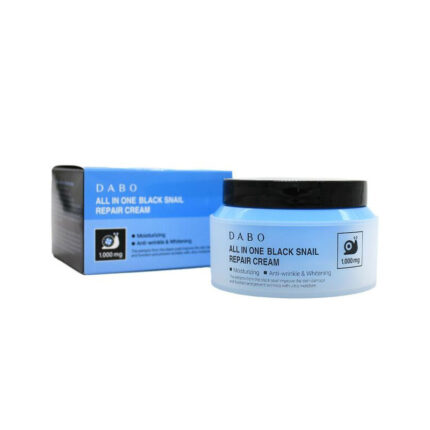
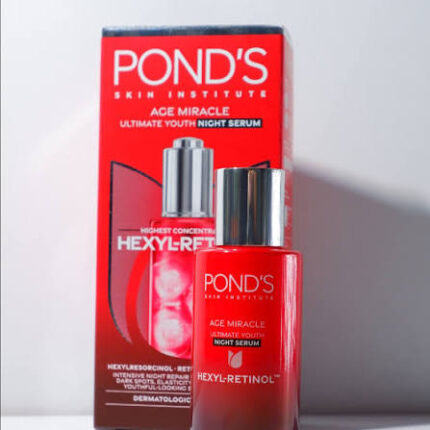 Sale
SaleOriginal price was: ৳ 2,000.00.৳ 1,950.00Current price is: ৳ 1,950.00.
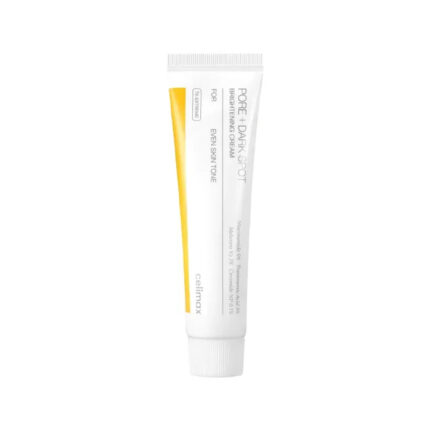 Sale
SaleOriginal price was: ৳ 1,790.00.৳ 1,590.00Current price is: ৳ 1,590.00.
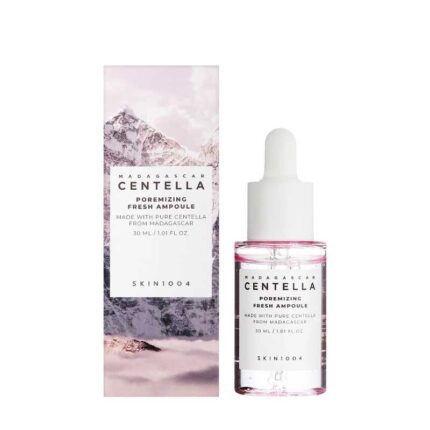 Sale
SaleOriginal price was: ৳ 2,620.00.৳ 1,834.00Current price is: ৳ 1,834.00.
Why This Rose Water Ingredient Benefits Skin
The phrase rose water ingredient often appears in product guides, but the source matters. Rosa Damascena Flower Water comes from a specific rose species with a long beauty history. Studies show that Damask rose extracts contain compounds linked with soothing and antioxidant effects.
Although research on finished cosmetic formulas varies, shoppers can still judge benefits in practical ways. Look for how your skin feels after use. Less tightness, softer touch, and lower redness are common signs of a good match.
It can help skin feel hydrated
Rosa Damascena Flower Water does not seal moisture like a rich balm. Instead, it adds a water-light layer that can calm a dry surface. When paired with glycerin or hyaluronic acid, it can support lasting comfort.
Because water can evaporate, follow a mist with moisturizer if your skin feels dry. This step helps trap hydration at the surface. As a result, Rosa Damascena Flower Water works best inside a balanced routine.
It may soothe the look of stress
Skin often looks stressed after cleansing, sun, wind, or indoor heat. Rosa Damascena Flower Water may help skin feel cooler and more settled. Many users like it because it gives a quick comfort boost.
Dermatologists often recommend gentle, low-fragrance routines for sensitive skin. However, some people tolerate natural floral waters better than synthetic perfume blends. A cautious test helps you learn where your skin stands.
It supports a pleasant routine
Texture and scent affect whether people keep using a product. Rosa Damascena Flower Water gives formulas a fresh, soft feel. That sensory benefit can make a daily routine easier to follow.
Still, scent should not be the only reason to buy. Check the full ingredient list before you choose. For example, a mist with drying alcohol may not suit tight or sensitive skin.
It offers light antioxidant support
Antioxidants help limit damage caused by unstable molecules called free radicals. Research indicates that Damask rose contains plant compounds with antioxidant activity. This gives Rosa Damascena Flower Water a useful place in daily skin care.
However, it cannot replace sunscreen, vitamin C, or other proven protective steps. Think of it as supportive care, not your only defense. Sunscreen still plays the main role during daytime.
How to Use Rosa Damascena Flower Water
Rosa Damascena Flower Water fits into many routines because it feels light. You can use it after cleansing, before serum, or over makeup. The best method depends on your skin type and the product format.
When shoppers use it correctly, they often waste less product. They also reduce the chance of dryness from over-misting. A few simple rules make the experience more effective.
Use it as a toner after cleansing
After washing, skin can feel tight if the cleanser strips too much oil. Rosa Damascena Flower Water can help bring back a soft feel. Apply it with clean hands or a cotton pad.
Because toners vary widely, read the full label. Some toners include acids, alcohol, or strong fragrance. If your goal is comfort, choose a simple formula with gentle support ingredients.
Use it as a facial mist
A mist can refresh skin during the day, especially in dry rooms. Hold the bottle away from your face and spray lightly. Then press the liquid in with clean fingers.
However, repeated misting without moisturizer can make dry skin feel worse. Water evaporates from the surface when nothing seals it in. So apply cream after misting if your skin feels tight.
Use it before serum or moisturizer
Many hydrating serums work better on slightly damp skin. Rosa Damascena Flower Water can dampen skin before those products. This is helpful when your serum contains humectants.
For example, hyaluronic acid can bind water at the skin surface. If you apply it to damp skin, it may feel plumper and smoother. Follow with moisturizer to reduce water loss.
Use it in a simple mask mix
Some shoppers mix clay or powder masks at home. Rosa Damascena Flower Water can replace plain water in these blends. It adds a soft scent and a more spa-like feel.
Still, clay can dry the skin if left too long. Rinse before the mask turns tight and cracked. Then apply moisturizer while your skin still feels damp.
Use it carefully around makeup
Rosa Damascena Flower Water can help freshen makeup, but it will not set it like a setting spray. Use a fine mist and avoid soaking the face. Too much liquid can disturb foundation.
When your makeup looks powdery, a small amount may soften the finish. Let it dry naturally, then avoid rubbing. This method works best with light base products.
How to Choose a Quality Rosa Damascena Flower Water
Choosing Rosa Damascena Flower Water online can feel tricky because labels look similar. Some products contain pure hydrosol, while others contain water, fragrance, and a small rose component. The ingredient list tells you more than the product name.
Cosmetic regulations require brands to list ingredients in a standard way in many markets. This helps shoppers compare formulas. Because names can vary, look for Rosa Damascena Flower Water or Rosa Damascena floral water.
Check where it appears on the label
Ingredients usually appear from highest amount to lowest amount. When Rosa Damascena Flower Water appears early, it may form a meaningful part of the product. If it appears near the end, the amount may be small.
However, a lower placement does not always mean poor quality. Some formulas only need a small amount for scent or skin feel. Judge the full formula, not one ingredient alone.
Look for smart supporting ingredients
Rosa Damascena Flower Water works well with simple hydrators. Glycerin, panthenol, aloe, and hyaluronic acid can help support moisture. These ingredients often suit dry or combination skin.
Because shoppers often want comfort, a soothing hydrating botanical compound can sound appealing. Still, plain language matters more than marketing words. Look for clear ingredient names and realistic product claims.
Watch for drying alcohol
Some toners and mists contain alcohol denat. This ingredient can make a formula dry quickly. However, it may sting or increase tightness for some people.
If your skin already feels dry, choose alcohol-free options first. Rosa Damascena Flower Water feels more comforting when a formula avoids harsh drying agents. Oily skin may tolerate alcohol better, but caution still helps.
Consider preservatives and packaging
Water-based products need preservation to stay safe. Preservatives help limit unwanted microbes, which are tiny organisms that can grow in water. A preservative-free floral water may spoil faster after opening.
When buying online, check the expiration date and storage advice. Dark glass or opaque packaging may help protect delicate plant compounds. Also, a spray pump can reduce contact with fingers.
Assess scent strength before buying
True Rosa Damascena Flower Water has a natural floral scent. The scent may range from soft to rich, depending on the batch. Since plants vary, small scent differences can happen.
However, an overpowering perfume smell may signal added fragrance. Added fragrance is not always bad, but sensitive skin may react. Choose unscented or low-scent formulas if your skin flushes easily.
Safety, Sensitivity, and Skin Types
Rosa Damascena Flower Water suits many people, yet skin type still matters. Dry skin may enjoy its soft hydration, while oily skin may like its light feel. Sensitive skin needs the most careful approach.
Studies on rose extracts suggest soothing potential, but cosmetic response remains personal. Your barrier, allergies, and routine all affect results. That is why testing beats guessing.
Dry skin
Dry skin often needs both water and oil. Rosa Damascena Flower Water can supply a damp layer, but it cannot replace a cream. Pair it with ceramides, oils, or butters when dryness feels severe.
Because dry skin loses water easily, apply moisturizer soon after use. This helps lock in the fresh feeling. If stinging occurs, stop and review the full formula.
Oily and combination skin
Oily skin may prefer Rosa Damascena Flower Water because it feels weightless. It can refresh the face without adding shine. Combination skin can use it on tight areas before a light gel cream.
However, oily skin can still become dehydrated. Dehydrated skin lacks water, not oil. So a gentle mist or toner may help balance comfort without clogging pores.
Sensitive skin
Sensitive skin reacts quickly to scent, heat, friction, or strong actives. Rosa Damascena Flower Water may feel calming for some users. Yet rose compounds can bother others, especially if allergies exist.
Dermatologists recommend patch testing new skin care on a small area. Try the jawline or inner arm for a few days. If redness, itching, or burning appears, avoid the product.
Acne-prone skin
Acne-prone shoppers often fear anything floral or scented. Rosa Damascena Flower Water itself does not feel oily. It also should not clog pores in a simple water-based formula.
Still, the rest of the product can matter more than the floral water. Heavy oils, waxes, or comedogenic ingredients may cause issues for some users. Choose light, non-greasy formulas if breakouts concern you.
Mature-looking skin
Mature-looking skin often feels drier because natural oil production can decline with age. Rosa Damascena Flower Water can add freshness before richer products. It may help skin feel more supple during layering.
However, it will not replace retinoids, sunscreen, or peptides if those suit your goals. Think of it as a comfort step. Consistent moisture support can still improve how skin looks each day.
Ingredient Pairings That Work Well
Rosa Damascena Flower Water shines when a formula pairs it with helpful ingredients. It brings light hydration and scent, while other ingredients handle repair or moisture sealing. This blend can make a product feel both pleasant and practical.
Research on skin care routines supports layering water-binding ingredients under barrier-supporting creams. This approach helps reduce dry surface feel. It also keeps routines simple for general shoppers.
Glycerin and hyaluronic acid
Glycerin and hyaluronic acid are humectants, which means they attract water. When paired with Rosa Damascena Flower Water, they can improve the hydrated feel. Many toners and serums use this mix.
Because humectants work best with water present, floral water can help at the first step. Then moisturizer helps seal the surface. This routine suits dry, normal, and combination skin.
Panthenol and aloe
Panthenol is a form of vitamin B5 used for skin comfort. Aloe is a plant extract that many people find cooling. Together with Rosa Damascena Flower Water, they can create a gentle soothing formula.
However, aloe and panthenol do not guarantee zero irritation. Sensitive users still need patch testing. Look for shorter ingredient lists if your skin reacts often.
Ceramides and squalane
Ceramides are lipids that help support the skin barrier. Squalane is a light emollient that helps soften skin. Rosa Damascena Flower Water can sit under these ingredients in a cream or serum.
When skin feels rough, this pairing can feel more complete than floral water alone. Water gives freshness, while lipids reduce moisture loss. As a result, comfort may last longer.
Niacinamide and green tea
Niacinamide is a form of vitamin B3 used in many products. It can support tone, pores, and barrier care. Green tea adds plant-based antioxidant support.
Rosa Damascena Flower Water can make these formulas feel softer and more refreshing. However, high levels of niacinamide may flush some sensitive skin. Choose lower-strength daily formulas if you react easily.
Common Myths About Rosa Damascena Flower Water
Online product pages often make floral waters sound magical. Rosa Damascena Flower Water can support comfort, but it has limits. Clear expectations help shoppers make better choices.
Studies show plant waters may contain useful compounds, yet concentration varies by product. That means results can differ from one bottle to another. Your routine and skin type also shape the outcome.
Myth: It can replace moisturizer
Rosa Damascena Flower Water can make skin feel damp and fresh. However, it does not seal water like a moisturizer. Most dry skin needs creams or lotions after it.
If your skin feels tight after a few minutes, add a barrier step. This means using a product with emollients or occlusives. Examples include squalane, shea butter, petrolatum, or plant oils.
Myth: Natural always means gentle
Natural ingredients can still irritate skin. Rosa Damascena Flower Water contains scent compounds from the rose plant. Those compounds may bother people with fragrance sensitivity.
Because reactions are personal, labels cannot predict every outcome. Patch testing gives you more useful information. Stop use quickly if burning or swelling appears.
Myth: More rose water means better results
A higher amount of Rosa Damascena Flower Water does not always mean a better formula. Balance matters more than a single ingredient. A product also needs good preservatives, texture, and skin-friendly support.
For example, a simple mist may feel lovely but fade fast. A toner with humectants may keep skin comfortable longer. A cream with floral water may help dry skin even more.
Myth: It works the same as rose oil
Rose oil and Rosa Damascena Flower Water come from the same flower, but they behave differently. Rose oil is concentrated and oily. Floral water feels light and water-based.
Since rose oil is stronger, it can carry higher irritation risk if misused. Floral water usually feels gentler in daily products. Still, both can trouble sensitive users.
How to Read Product Claims Online
Online shopping makes it easy to compare Rosa Damascena Flower Water products. It also makes it easy to fall for vague claims. A calm look at labels, reviews, and return policies can protect your budget.
Consumer research shows shoppers often rely on reviews when they cannot test products. Reviews can help, but they need context. Skin type, climate, and routine can change each result.
Focus on the full ingredient list
Look beyond front-label claims like pure, fresh, or botanical. The back label shows what the product actually contains. Rosa Damascena Flower Water may appear with many other ingredients.
When the list looks very long, that does not always mean bad quality. However, reactive skin often prefers shorter lists. Choose simple formulas first if you have a history of irritation.
Read reviews with your skin type in mind
A glowing review from an oily skin user may not help dry skin. The same product can feel different across skin types. So search reviews for words that match your needs.
For example, dry skin shoppers can look for tightness, flaking, or comfort. Sensitive skin shoppers can look for stinging, redness, or fragrance. This makes review reading more useful.
Question extreme claims
Rosa Damascena Flower Water can support a healthy-looking routine. However, it should not promise to erase deep wrinkles or cure skin disease. Cosmetic products can improve appearance, not treat medical conditions.
When a claim sounds too strong, compare it with the ingredient list. Also consider whether the brand explains how the product works. Honest brands tend to use clear, specific language.
Check freshness and storage guidance
Freshness matters for water-based botanical products. Rosa Damascena Flower Water can lose scent quality over time. Poor storage may also affect how a formula feels.
When your product arrives, check its smell, color, and texture. If it smells sour or looks cloudy when it should not, contact the seller. Store it away from heat and strong light.
Best Routine Examples for Different Goals
Rosa Damascena Flower Water can fit into many goals, from quick freshness to deeper comfort. The right routine depends on what your skin lacks. Keep the steps simple, then adjust slowly.
Dermatologists often suggest changing one product at a time. This helps you spot what helps or hurts. When you add too much at once, reactions become harder to trace.
For morning freshness
Cleanse with a gentle wash or rinse with water. Then apply Rosa Damascena Flower Water as a light toner or mist. Follow with serum, moisturizer, and sunscreen.
Because daytime skin faces sun and pollution, sunscreen remains the key step. The floral water adds comfort, but it does not block UV rays. Use it as support, not protection.
For dry evening skin
After cleansing, press Rosa Damascena Flower Water into damp skin. Apply a humectant serum next, then use a richer cream. This order helps build moisture in layers.
When skin feels very dry, add a thin balm on rough spots. This can reduce overnight water loss. Avoid strong exfoliants on nights when your skin feels raw.
For post-workout comfort
Sweat and heat can leave skin flushed. Rinse your face first, then mist Rosa Damascena Flower Water lightly. Follow with a light moisturizer if your skin feels tight.
However, do not use a mist as a substitute for cleansing after heavy sweat. Sweat, oil, and sunscreen can mix on the skin. A gentle cleanse helps reduce buildup.
For travel and dry air
Airplanes, hotels, and heated rooms can make skin feel tight. Rosa Damascena Flower Water can refresh your face during travel. Choose a travel-size spray that closes securely.
Still, dry air can make plain mist evaporate fast. Apply moisturizer after misting when possible. This keeps the skin from feeling even drier later.
When to Avoid or Pause Use
Rosa Damascena Flower Water works well for many shoppers, but not every skin concern needs it. Certain signs tell you to pause. Listening to your skin can prevent bigger problems.
Medical sources commonly advise stopping any cosmetic that causes strong irritation. Persistent burning, swelling, or rash deserves professional advice. This applies even when the product seems natural.
If you have known rose allergies
A known rose allergy is a clear reason to avoid Rosa Damascena Flower Water. Allergies can show as itching, swelling, rash, or watery eyes. Do not test it on your face if you already know the trigger.
Because plant families can overlap for some people, caution helps with related scents. Ask a clinician if you have a history of strong plant allergies. Safety matters more than a pleasant scent.
If your barrier feels damaged
A damaged skin barrier may sting from products that once felt fine. Signs include burning, peeling, tightness, and sudden redness. Rosa Damascena Flower Water may still sting during this phase.
When this happens, pause active products and simplify your routine. Use a bland cleanser and a basic moisturizer. Reintroduce floral water only after comfort returns.
If the product changes smell or texture
Water-based products can spoil, especially after frequent opening. Rosa Damascena Flower Water should smell fresh, not sour or musty. Changes in color or texture can also signal trouble.
If something seems off, do not keep using it. Contact the seller or discard the product. Your skin is not worth risking for one bottle.
Frequently Asked Questions
Is Rosa Damascena Flower Water good for daily use?
Yes, many people can use Rosa Damascena Flower Water daily in a toner, mist, or cream. However, sensitive skin should start slowly and patch test first. Stop if you notice stinging, itching, or redness.
Can Rosa Damascena Flower Water help dry skin?
Rosa Damascena Flower Water can help dry skin feel fresher and less tight. Because it does not seal moisture, apply moisturizer after it. This pairing usually gives better comfort than floral water alone.
Does Rosa Damascena Flower Water clog pores?
Rosa Damascena Flower Water itself feels light and water-based, so it should not clog pores for most users. However, the full formula matters more. Heavy oils or waxes in the same product may bother acne-prone skin.
Is Rosa Damascena Flower Water the same as rose water?
Rosa Damascena Flower Water is a type of rose water made from Damask rose. Some rose waters come from other rose species or include added fragrance. Check the ingredient list to know what you are buying.
Final Thoughts
Rosa Damascena Flower Water is best seen as a gentle comfort step, not a cure-all. It can refresh, soften, and support hydration when paired with the right moisturizer. Choose a well-labeled formula, patch test first, and use it where your routine needs light soothing care.