
sh-Polypeptide-9: Guide to Benefits, Use, and Safety

Are you curious about a peptide touted for skin repair and renewal? sh-Polypeptide-9 appears in more formulas as brands chase gentle, effective actives. Many shoppers ask what this ingredient does and whether it fits their routine.
What is sh-Polypeptide-9?
sh-Polypeptide-9 is a synthetically produced peptide designed to mimic short protein fragments found in skin. It targets cell signaling to support tissue repair and renewal. Dermatologists describe peptides as building-block signals that help skin behave younger.
Because peptides act as messengers, sh-Polypeptide-9 can influence processes like collagen production and repair. Research indicates peptides may support barrier health and reduce visible signs of aging when used consistently. That is why skincare scientists add this ingredient to serums and creams.
Recommended Products
 Sale
SaleOriginal price was: ৳ 2,180.00.৳ 1,526.00Current price is: ৳ 1,526.00.
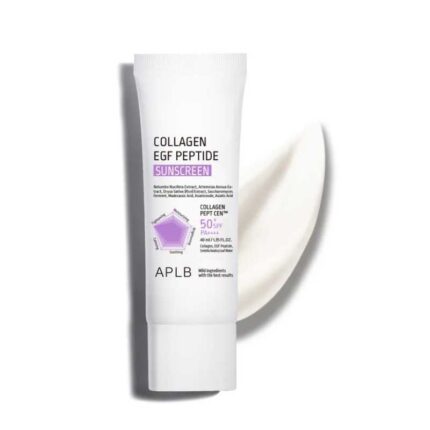 Sale
SaleOriginal price was: ৳ 1,260.00.৳ 882.00Current price is: ৳ 882.00.
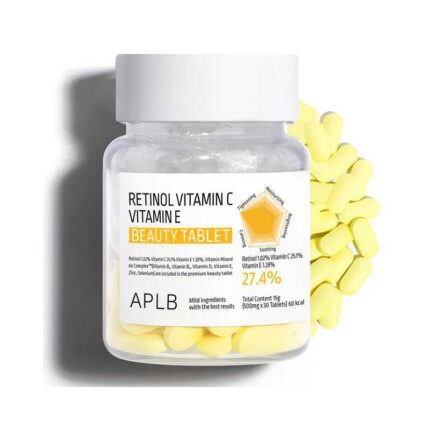 Sale
SaleOriginal price was: ৳ 1,240.00.৳ 868.00Current price is: ৳ 868.00.
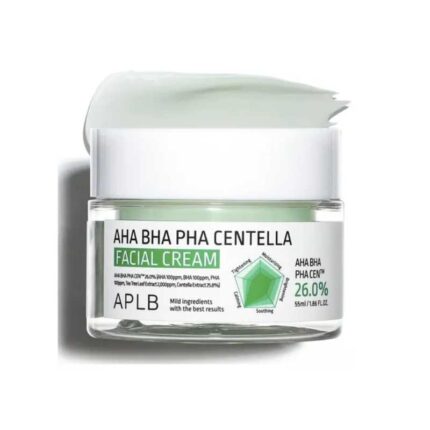 Sale
SaleOriginal price was: ৳ 1,380.00.৳ 966.00Current price is: ৳ 966.00.
How sh-Polypeptide-9 works on the skin
At a basic level, sh-Polypeptide-9 sends signals to skin cells to increase repair activity. For example, peptides often prompt fibroblasts, the cells that make collagen, to be more active. Studies show that regular stimulation can lead to firmer-looking skin over time.
When brands pair sh-Polypeptide-9 with supportive ingredients, results tend to improve. A good example is combining peptides with moisturizing agents so the skin environment supports synthesis. Research indicates that a healthy barrier helps peptides work more efficiently.
Cellular signaling and peptide action
sh-Polypeptide-9 imitates natural protein fragments that guide cells. This means it can tell cells to repair and renew. Scientists study these pathways to confirm how signals translate to visible results.
Because signaling matters, formulations aim to deliver the peptide in a stable form. That keeps it active until the skin absorbs it. As a result, product design affects performance.
Collagen, elastin, and structural support
Peptides often encourage fibroblasts to increase matrix proteins like collagen. This can support skin thickness and reduce the appearance of fine lines. Studies show that peptides can complement other actives to support structural proteins.
Still, peptides do not act like fillers. They help the skin build its own support system rather than add volume directly. That means results appear over weeks rather than immediately.
Angiogenesis signals and VEGF growth factor ingredient
Some peptides influence tiny blood vessel behavior. For example, formulas may aim to support healthy circulation close to the skin surface. The phrase VEGF growth factor ingredient refers to components that can affect vascular endothelial growth factor pathways.
Research indicates that balanced angiogenesis can help wound repair and nutrient delivery. Although sh-Polypeptide-9 itself does not replace growth factors, it can work alongside ingredients that support vessel health. That helps the skin receive nutrients for repair.
Key benefits consumers report
Many users notice smoother texture and less visible fine lines within weeks. Because peptides support natural repair, people often see gradual improvements rather than sudden changes. Clinical reports often describe tone and elasticity gains with peptide use.
Studies show peptides can complement other anti-aging strategies. For example, when used with vitamin C or sunscreen, peptides help maintain skin quality. That means a routine with multiple supportive components tends to deliver better outcomes.
Also, sh-Polypeptide-9 acts as a mild rejuvenating compound suitable for sensitive skin types. Dermatologists recommend gentle peptides for those who cannot tolerate strong acids or frequent retinoid use. This makes it a practical option for many shoppers.
How to use sh-Polypeptide-9 safely and effectively
Start with a product that lists sh-Polypeptide-9 near the top of the ingredient list if you want an active concentration. That suggests a higher dose, which may provide more noticeable effects. Patch testing remains a simple first step.
When you add sh-Polypeptide-9 to a routine, apply it after cleansing and before heavy creams. That allows the delivery vehicle to carry the peptide where the skin can use it. For example, lightweight serums often work well.
When to introduce it in your routine
Begin use in the evening if you add other actives. That gives your skin time to recover overnight. Then move to twice-daily use once your skin tolerates the formulation.
Because layering matters, wait a minute between thin products. This reduces pilling and increases absorption. That helps the peptide reach the targeted skin layers.
Combining sh-Polypeptide-9 with other actives
Peptides mix well with hydrating ingredients like hyaluronic acid. This supports the skin environment for repair. Some shoppers combine peptides with vitamin C for antioxidant support and collagen synthesis help.
However, caution matters when pairing with potent exfoliants or very strong retinoids. Try alternating nights if you use strong acids. That reduces irritation risk while keeping both benefits.
Patching and sensitivity tips
Always patch test a new product on the inner forearm for three days. This step catches obvious irritation before you apply a product to your face. If redness or burning occurs, stop use and consult a clinician.
Still, many people tolerate sh-Polypeptide-9 well. That is partly why brands market it for sensitive skin. For safety, increase frequency slowly and monitor how your skin responds.
What product labels tell you about potency
Ingredient order gives a rough idea of concentration. If sh-Polypeptide-9 appears early on the list, the product likely contains a meaningful amount. Short peptides often act at low concentrations, but higher percentages can yield more visible change.
Because formulations vary, pay attention to the supporting ingredients. Creams with good humectants help peptides work better. Research indicates that a hydrated skin barrier supports protein synthesis.
Also, packaging matters for peptide stability. Opaque, airtight containers protect peptides from light and air. That helps maintain potency throughout the product’s life.
Comparing sh-Polypeptide-9 to other peptides
Not all peptides act the same way. Some signal collagen production, while others affect pigmentation or inflammation. sh-Polypeptide-9 tends to focus on repair and renewal rather than pigmented spot correction.
Because each peptide targets different pathways, product formulas can include multiple peptides. This means a blend might deliver broader benefits than a single ingredient. Still, simplified formulas help sensitive skin avoid irritation.
Safety profile and possible side effects
Peptides like sh-Polypeptide-9 are generally low risk for serious side effects. For many users, reactions are mild or absent. Reports occasionally list temporary redness or slight irritation when paired with strong actives.
When irritation occurs, stop use and let skin recover. That is why gradual introduction matters. If a severe reaction develops, seek medical advice promptly.
Research indicates peptides rarely cause systemic effects because topical absorption is limited. This reduces the chance of internal side effects. Nonetheless, always follow product directions and consult a dermatologist with concerns.
Claims vs. reality: marketing and what science says
Marketing often presents peptides as miracle fixes for aging. Yet science supports gradual benefits rather than instant miracles. Studies show measurable improvements over weeks to months with consistent use.
Because study designs vary, look for clinical data or published trials when a brand makes strong claims. Peer-reviewed research adds credibility. That is why experienced shoppers read labels and product summaries carefully.
Real-world results and timelines
Most users report noticeable texture and tone changes after eight to twelve weeks. That aligns with skin’s natural renewal cycle. For deeper lines or volume loss, combine peptides with other clinically proven approaches.
Still, individual results vary by age, skin condition, and lifestyle. Consistent use and sun protection maximize outcomes. Dermatologists recommend sunscreen as a foundational step for lasting improvement.
Choosing a product: what to look for
Look for clear labeling that lists sh-Polypeptide-9 in the active ingredients. Also choose formulas with complementary agents like humectants and mild antioxidants. That helps the peptide work in a supportive environment.
Because price does not always equal potency, compare ingredient lists rather than brand hype. Some affordable serums contain effective peptide concentrations. That allows you to make a practical choice.
How manufacturers test peptide products
Brands may run consumer studies that measure skin firmness and wrinkle appearance. Studies often use before-and-after photos and objective skin measures. Research indicates that controlled trials provide more reliable evidence.
For shoppers, independent testing or dermatological endorsement adds trust. That is why many buyers prefer products with third-party testing or clinician involvement.
Cost, availability, and value
Prices for peptide products range widely based on formulation and brand position. Budget-friendly options can still deliver benefits if they contain adequate peptide levels. Consider value in terms of ingredient content and packaging quality.
When assessing price, factor in how frequently you will use the product. Some serums need only a pump or two per use. That can stretch a bottle over months, improving cost-effectiveness.
Common myths about peptides
Myth: Peptides work instantly. Reality: They usually need weeks of use for visible change. Because peptides affect production pathways, time is required for structural changes.
Myth: All peptides do the same thing. Reality: Each peptide sequence targets distinct functions. For that reason, some formulations combine multiple peptides for broader action.
Questions dermatologists often ask patients
Dermatologists typically ask about other products in a routine. This helps them identify potential interactions. They also review sun protection habits since UV exposure affects outcomes.
Because expectations impact satisfaction, clinicians set realistic timelines. They explain that peptides support gradual improvement rather than instant reversals. That helps patients commit to a consistent plan.
How sh-Polypeptide-9 fits into a simple skincare routine
Use a gentle cleanser, then apply a peptide serum containing sh-Polypeptide-9. Follow with moisturizer and, in the morning, sunscreen. That sequence supports absorption and protects gains from sun damage.
Because hydration supports peptide activity, add humectants like hyaluronic acid when possible. This creates a skin environment that favors renewal. As a result, you get better results from your peptide product.
DIY and home care considerations
Home blending of peptides is not advised due to stability risks. Commercial formulations undergo stability testing to ensure the peptide remains active. For safety and efficacy, choose well-formulated products.
If you want to boost results at home, focus on gentle exfoliation and sun protection. These steps support skin turnover and protect new tissue. That enhances the visible benefits of peptides.
Environmental and ethical notes
Many peptides like sh-Polypeptide-9 are synthetic and avoid animal sourcing. That appeals to shoppers who prefer cruelty-free choices. Packaging choices also influence environmental impact, so look for recyclable containers.
Because transparency varies, seek brands that disclose sourcing and testing methods. Clear labeling helps you judge both ethics and efficacy. That makes your purchase decision easier and more informed.
Comparing product types: serums, creams, and ampoules
Serums usually contain higher active concentrations and absorb quickly. That can make serums the best choice for delivering sh-Polypeptide-9. Creams often add emollients that help with barrier repair and comfort.
Ampoules provide short-term concentrated boosts and may be useful when you want a focused treatment. For daily maintenance, many shoppers prefer serums due to ease of layering. Consider how each product fits your routine.
Signs a peptide product is working
Look for smoother texture, improved firmness, and fewer fine lines over several weeks. These signs indicate structural support and improved cell activity. Photographs taken at intervals help track progress objectively.
Also, your skin may feel more resilient and hydrated. Because peptides support repair, you may notice fewer breakouts related to barrier disruption. That suggests the overall skin health is improving.
When to see a dermatologist
Consult a dermatologist if you experience persistent irritation or an allergic reaction. They can recommend alternatives or testing. Also, seek professional advice for advanced concerns like deep wrinkles or volume loss.
Dermatologists can combine topical peptides with in-office treatments. That approach may speed results for some conditions. Discuss options to see which path suits your skin type and goals.
Frequently Asked Questions
Is sh-Polypeptide-9 safe for sensitive skin?
Yes, many people with sensitive skin tolerate sh-Polypeptide-9 well. Patch testing reduces risk of irritation. If redness or burning appears, stop use and consult a clinician.
How long before I see results from sh-Polypeptide-9?
Most users notice changes after eight to twelve weeks of consistent use. Skin renewal cycles and product formulation affect timing. Combining peptides with sun protection speeds visible progress.
Can I use sh-Polypeptide-9 with retinol?
Yes, but introduce them slowly if you use strong retinoids. Alternating nights or using lower retinol doses reduces irritation. This strategy helps you gain benefits from both actives.
Does sh-Polypeptide-9 replace professional treatments?
No, topical peptides support skin health but do not replace in-office procedures for deep concerns. For significant volume loss or deep lines, consult a dermatologist. Peptides do complement clinical treatments well.
Final Thoughts
sh-Polypeptide-9 offers a practical path to support skin repair and firmness over time. For best results, use a well-formulated serum, protect skin from UV damage, and remain consistent. Try a product with clear labeling and patch test it, and consider professional advice if you have major concerns.