
Copper Peptide: Skin Repair Benefits & How to Use

Dry skin, fine lines, or slow wound healing can feel frustrating and slow to change. Copper Peptide offers a simple ingredient that many people add to their skin routine for repair and firmness. This guide explains how the peptide works and how to use it safely.
What is Copper Peptide?
Copper Peptide refers to a small molecule that joins a copper ion to a short amino acid chain. Because of that structure, the ingredient can interact with skin cells and signals tied to repair. Studies show dermatologists recognize it as a useful active for supporting healthy skin function.
For clarity, the short peptide often used is GHK, which forms GHK-Cu when bound to copper. The GHK-Cu peptide ingredient has been studied for decades and appears in many cosmetic and topical products. Research indicates the compound plays a role in cell communication that helps the skin respond to damage.
Recommended Products
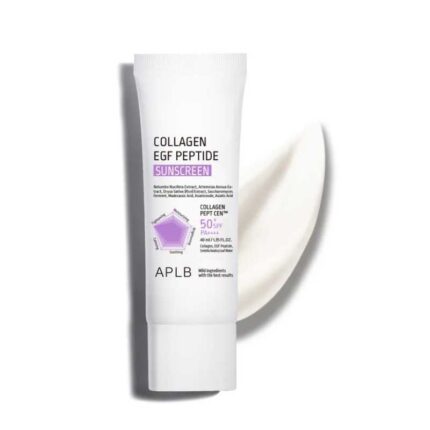 Sale
SaleOriginal price was: ৳ 1,260.00.৳ 882.00Current price is: ৳ 882.00.
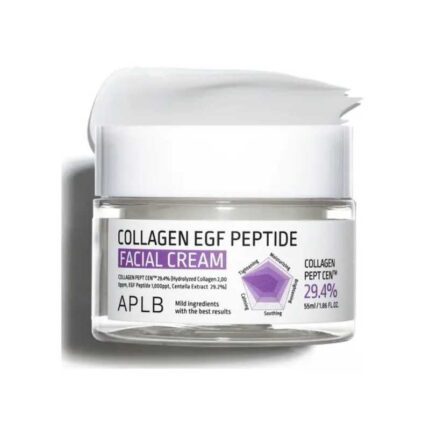 Sale
SaleOriginal price was: ৳ 1,380.00.৳ 966.00Current price is: ৳ 966.00.
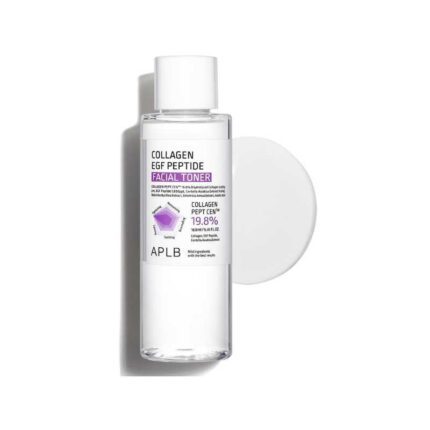 Sale
SaleOriginal price was: ৳ 1,760.00.৳ 1,232.00Current price is: ৳ 1,232.00.
 Sale
SaleOriginal price was: ৳ 750.00.৳ 620.00Current price is: ৳ 620.00.
How Copper Peptide Works on Skin
When applied topically, Copper Peptide can support several pathways in the outer skin layers. It helps signal cells to make components such as collagen and elastin. As a result, the skin often looks firmer and smoother with regular use.
Because it carries copper, the molecule can influence enzymes that depend on metal ions. For example, copper helps enzymes that build the structural matrix of the skin work more efficiently. Studies show copper-related enzymes support tissue remodeling during healing.
Interaction with collagen and elastin
Copper Peptide encourages fibroblasts to produce collagen and elastin, the proteins that give skin strength and bounce. That means visible texture and elasticity can improve over time. Research indicates regular use supports a more even surface.
Repair and wound response
In addition, the peptide helps modulate the wound-healing process by guiding cell migration and matrix rebuilding. As a result, minor damages often resolve more efficiently. Because of this, some clinicians look to GHK-Cu as a skin regeneration compound in topical care.
Antioxidant and anti-inflammatory actions
The ingredient can also temper low-level inflammation and support antioxidant effects in the skin. When inflammation is reduced, visible redness and irritation ease more quickly. Studies show this balance helps maintain a calmer skin environment.
Key Benefits of Copper Peptide for Skin
Many users report improvements in firmness, tone, and texture with consistent use of Copper Peptide. Clinical and lab research often supports these observations about structural and functional skin changes. Because results vary, consistent application over weeks or months yields the best evidence of benefit.
Boosts collagen synthesis
Collagen production declines with age and stress. Copper Peptide signals fibroblasts to increase collagen output, which can make skin appear firmer. Studies show collagen markers rise in skin treated with GHK-Cu in controlled settings.
Improves skin elasticity
Elastin fibers help skin snap back after stretching. The peptide supports elastin maintenance and new fiber formation. As a result, elasticity and springiness can improve with ongoing use.
Supports wound and scar healing
For minor wounds and post-procedure care, Copper Peptide helps guide repair without causing excessive scarring. Research indicates the molecule aids in organized matrix rebuilding. That is why some clinicians recommend it after minor skin trauma.
Reduces fine lines and texture issues
Users often see smoother texture and fewer fine lines as structural support returns to the skin. That effect stems from both increased collagen and improved skin hydration. Studies show visible texture can improve after weeks of topical use.
How to Use Copper Peptide in Your Routine
Start slowly when adding Copper Peptide to avoid irritation in sensitive skin. Patch test a small area and wait 24 hours to check for reactions. Once tolerated, include the product one time daily or as directed by the label.
For best results, apply Copper Peptide after cleansing and before thicker creams. That order helps the small molecule reach the skin layers without a barrier. Because the peptide works with the skin matrix, regular use is more effective than occasional application.
Combining with other actives
When pairing actives, choose complementary ingredients that do not interfere with each other. For example, Copper Peptide works well with mild hydrators like glycerin and hyaluronic acid. While retinoids may also improve collagen, apply retinoids at night and the peptide in the morning, or alternate nights to reduce irritation risk.
Using after procedures
Because it helps tissue repair, Copper Peptide can be used after minor skin procedures once the skin barrier has restored. Still, follow your clinician’s guidance for timing and care. Studies show peptides often support recovery without promoting excess inflammation.
Choosing Copper Peptide Products
Look for stable formulations that list GHK-Cu or similar peptide names on the label. Packaging that limits air and light exposure helps preserve potency. Studies show product stability affects how much active ingredient remains effective over time.
Concentration matters, but more is not always better for sensitive skin. Many effective cosmetic formulas use low to moderate concentrations. For higher concentrations or clinical products, seek professional advice before regular use.
Serums vs creams
Serums often deliver actives more efficiently due to thinner vehicle and higher active content. Creams provide moisture and a protective barrier that helps hydrate. So choose a serum for targeted repair and a cream for added nourishment.
Label terms to watch
Watch for the term GHK-Cu, which identifies the classic copper-binding peptide. Also look for product claims about clinical testing or stability. That helps you choose formulas with proven handling of the active.
How to Read Ingredient Lists
Ingredient lists place components in order by concentration. If Copper Peptide appears near the top, the formula likely contains a reasonable amount. However, the exact concentration rarely shows on standard labels, so read product descriptions and brand notes closely.
Because many products mix actives, check for potential irritants. For instance, strong acids and exfoliants may cause sensitivity if used at the same time. If unsure, perform patch tests and introduce new actives one at a time.
Safety and Side Effects
Copper Peptide is generally well tolerated in topical use, but some people may experience mild irritation. Because everyone’s skin barrier differs, reactions can vary. Patch testing before full-face use reduces the chance of unexpected issues.
Studies indicate allergic reactions are rare, but irritation from high concentrations or from other formulation ingredients can occur. If you develop persistent redness or discomfort, stop use and consult a clinician. That approach protects skin health and prevents worsening symptoms.
Who should avoid Copper Peptide?
People with known allergies to copper or peptide components should avoid the product. Pregnant or nursing individuals should consult their clinician before adding new actives. When in doubt, seek personalized medical advice to confirm safety for your situation.
Interactions with other treatments
Copper Peptide does not mix well with every active ingredient. For example, strong exfoliants and high-strength vitamin C formulas can cause irritation when used together. To avoid issues, alternate nights for potent actives and use the peptide on calmer skin days.
Real-World Results and What to Expect
Expect gradual improvements rather than overnight change when you use Copper Peptide. Most users see visible changes after weeks of consistent use. Studies show structural markers and visible texture often improve with sustained application.
Because skin reacts to many lifestyle factors, combine topical use with healthy habits. For example, adequate sleep, sun protection, and a balanced diet support repair processes. That combination helps any topical active deliver clearer results.
Copper Peptide vs Other Peptides
Not all peptides act the same in skin care. Copper-binding peptides focus on repair and matrix support. Other peptides may signal different pathways, such as relaxing muscle contractions or reducing inflammation. Studies show each peptide class has distinct roles in skin biology.
For targeted goals, choose the peptide type that matches your needs. For firmness and repair, Copper Peptide often ranks high. While some products blend peptides for multiple effects, read labels to see which actives dominate the formula.
Shopping Tips and What to Expect on Labels
When shopping, look for transparent brands that disclose active names and intended concentrations. Trustworthy labels often include simple directions and caution notes. That helps you apply the product correctly and avoid misuse.
Because marketing can overstate claims, focus on ingredient names and basic evidence. For example, brands that mention GHK-Cu and clinical testing provide useful context. Studies show products with clear labeling tend to offer better user confidence and outcomes.
Cost and Value: Is Copper Peptide Worth It?
Price varies widely across brands and formats, from affordable serums to premium clinical products. Consider price per ounce and ingredient transparency when judging value. Often midrange products with clear labeling give strong results without premium pricing.
Because results depend on formulation and consistency, the most expensive item is not always the best buy. Compare ingredient lists, stability claims, and user reviews. That approach helps you choose a product that fits your goals and budget.
Common Myths and Misconceptions
Myth: Copper Peptide will fix deep wrinkles overnight. Reality: It helps support structural proteins, but change takes time. Studies suggest gradual remodeling, not immediate reversal of deep lines.
Myth: More copper always equals better results. Reality: Excessive concentration can irritate sensitive skin. Use the product as directed and consider lower concentrations if you have reactive skin.
How Long Until You See Results?
Visible changes often appear after four to twelve weeks of steady use. Early benefits may include smoother texture and calmer skin. Studies show structural improvements continue with ongoing application.
Because individual responses vary, track progress with photos and a simple routine. That helps you judge whether a product works well for your skin over time. If no improvement appears after several months, consider changing the formula or asking a clinician for advice.
DIY and Stability Concerns
Making your own Copper Peptide products at home is not advised due to stability and safety concerns. Professional formulations control pH, preservative systems, and packaging to keep the ingredient active. Studies indicate instability reduces effectiveness rapidly when handled improperly.
For that reason, buy from brands that test and package their formulas to limit oxidation and contamination. Proper packaging and handling help preserve potency and reduce irritation risk.
Frequently Asked Questions
Is Copper Peptide safe for daily use?
Copper Peptide is safe for many people when used as directed, often once daily. Patch testing first reduces the risk of irritation. If sensitivity occurs, reduce frequency or consult a clinician.
Can Copper Peptide be used with vitamin C?
Some vitamin C formulations are safe with Copper Peptide, but strong acidic vitamin C can cause irritation when mixed. To avoid problems, use vitamin C in the morning and the peptide at night, or alternate days.
Will Copper Peptide stain the skin or clothes?
Properly formulated Copper Peptide products do not typically stain the skin or clothing. Staining can occur with raw materials or improper handling, so use tested commercial products to avoid that issue.
How does Copper Peptide compare to retinoids?
Both support skin renewal, but they work differently; retinoids increase cell turnover while Copper Peptide supports matrix rebuilding. Many users alternate or layer them cautiously to balance benefits and reduce irritation.
Final Thoughts
Copper Peptide offers a well-researched option to support skin repair, collagen production, and texture improvement. For most people, using a stable product consistently yields gradual, noticeable benefits. Try a trusted formula, patch test first, and use the peptide as part of a simple, steady routine to see the best results with Copper Peptide.