
Vinyl Dimethicone/Methicone Silsesquioxane Crosspolymer Guide

Have you ever wondered why some primers and powders make skin look smoother instantly? Vinyl Dimethicone/Methicone Silsesquioxane Crosspolymer often delivers that soft-focus finish in many beauty products. This guide explains what the ingredient does and why shoppers care about it.
What is Vinyl Dimethicone/Methicone Silsesquioxane Crosspolymer?
Vinyl Dimethicone/Methicone Silsesquioxane Crosspolymer is a silicone-derived polymer used in cosmetics and skin care. It forms a light, powdery film that helps scatter light over the skin. Studies show that similar silicone polymers can improve perceived smoothness when applied to the face.
As a material, this crosspolymer blends vinyl dimethicone with methicone silsesquioxane. That blend creates a fine, elastic network that resists oil and sweat. Dermatologists recommend silicone-based ingredients for certain formulations when compatibility and feel matter.
Recommended Products
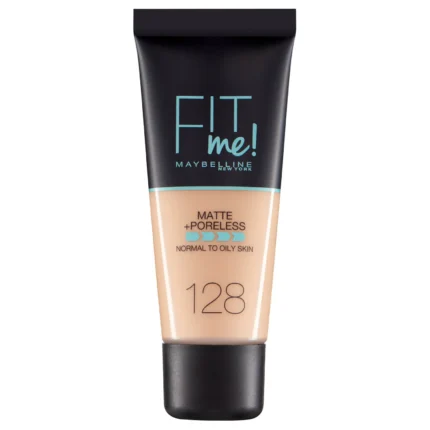 Sale
SaleOriginal price was: ৳ 1,700.00.৳ 1,150.00Current price is: ৳ 1,150.00.
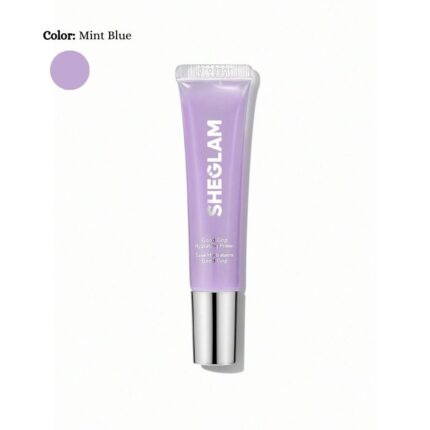 Sale
SaleOriginal price was: ৳ 1,600.00.৳ 960.00Current price is: ৳ 960.00.
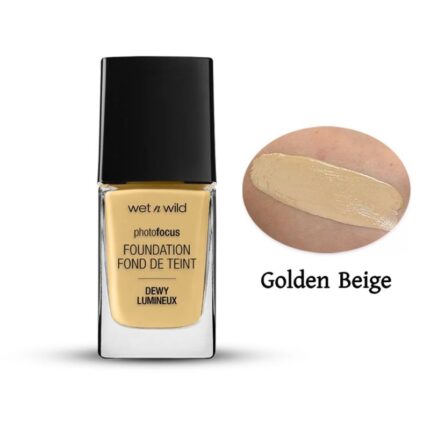 Sale
SaleOriginal price was: ৳ 950.00.৳ 595.00Current price is: ৳ 595.00.
 Sale
SaleOriginal price was: ৳ 950.00.৳ 595.00Current price is: ৳ 595.00.
How the ingredient works on skin
The ingredient sits on top of skin and fills tiny texture and pore spaces. Because light scatters across the film, the skin appears more even and soft. This physical effect means you see an immediate visual change rather than a chemical change under the skin.
When used in a formula, Vinyl Dimethicone/Methicone Silsesquioxane Crosspolymer helps glide other ingredients across skin. For example, it can help pigments spread evenly in a foundation or blush. Research indicates that consumers often prefer textures that feel smooth and silky.
Why brands use this silicone elastomer ingredient
Brands add this silicone elastomer ingredient to improve texture, slip, and longevity of makeup and skincare. It reduces tackiness and creates a velvety matte finish without drying the skin. That is why product developers often choose it for primers and powders.
Because this polymer is compatible with many oils and silicones, formulators can tune feel and spread easily. Still, formulators balance this ingredient with humectants and emollients to avoid over-drying formulas. Studies show that consumer satisfaction rises when makeup blends smoothly and lasts longer.
Benefits for skin and makeup performance
This crosspolymer offers several visible benefits for skin and makeup application. It acts as a pore blurring compound, helping to reduce the look of enlarged pores immediately. As a result, skin looks smoother and makeup appears more uniform.
Also, the ingredient helps control shine by creating a matte film on skin. That film can slow the migration of oils and pigments, which extends wear time. Dermatologists often cite non-irritating silicones as useful for sensitive skin when formulas are well made.
How it compares to other pore blurring ingredients
Some ingredients blur pores by absorbing oil, while others fill texture physically. Vinyl Dimethicone/Methicone Silsesquioxane Crosspolymer belongs to the latter group. It forms a soft film that diffuses light instead of absorbing sebum.
For example, powders like silica absorb oil but can look dry. Conversely, this crosspolymer offers a smoother feel and a soft sheen that still looks natural. Consumers who want a makeup base that feels silky rather than dusty often prefer formulas that contain this polymer.
Common product types that include it
You will find this crosspolymer in primers, foundations, setting powders, and some sunscreens. Product labels often list it toward the middle of ingredient lists depending on concentration. Many cosmetic lines use it as a texturizer for pressed and loose powders too.
While shopping, look at primers and mattifying products if you want a visible pore blur effect. Many long-wear foundations also pair it with film-formers for prolonged finish. That helps makeup resist transfer and shine for hours.
How to read labels and spot this ingredient
Scan the ingredients list for the exact name Vinyl Dimethicone/Methicone Silsesquioxane Crosspolymer. Companies usually list it using that systematic IUPAC-style name. If you see similar names like “dimethicone crosspolymer”, the function may be related but not identical.
Because label order shows concentration, the ingredient’s position gives a clue about strength. When it appears high in the list, its effect will be more noticeable. Research indicates that visible smoothing correlates with higher concentrations in primers and powders.
Safety profile and irritation potential
Silicone-based polymers like this crosspolymer have a long history in cosmetics and are generally well tolerated. Dermatologists report that most people do not experience irritation from non-reactive silicones. Still, individual sensitivity can occur, especially with fragranced or alcohol-rich formulations.
Studies show that occlusive or heavy films can sometimes aggravate acne-prone skin. For that reason, people prone to breakouts may test new products on a small area first. If redness or bumps appear within a few days, stop using the product and consult a clinician.
Mixing, feel, and finish in formulations
Formulators use this polymer to tune product feel from silky to dry-touch. It improves glide and reduces tack, which helps both makeup and skincare apply evenly. Many consumers report that products with the polymer feel lightweight despite offering a powdery finish.
Because the crosspolymer can be treated to different particle sizes, manufacturers choose grades for specific textures. Smaller particles create a blurrier, softer finish. Larger particles can give a more matte, velvety feel without a chalky look.
Tips for shoppers: what to expect when you buy
Expect smoother application and a soft-focus finish when using products with this crosspolymer. Primers will likely reduce the appearance of pores and fine lines immediately. That means fewer touch-ups and a more even base for makeup.
When trying a new product, test it in natural light and wear it for several hours to judge oil control. If you have oily skin, choose formulas labeled long-wear or oil-control for better results. For dry skin, pair the primer with a hydrating serum to prevent dryness.
Pairing with other ingredients
This crosspolymer works well with sunscreens, pigments, and film-formers to boost wear and texture. For example, mixing it with hyaluronic acid or glycerin can maintain hydration under a matte finish. That means products can both blur pores and hydrate skin when balanced correctly.
When formulating, chemists often pair it with silicones like cyclopentasiloxane for slip and dimethicone for film strength. That blend creates a durable layer that still allows skin to breathe. Research indicates that brands balance such blends to reduce irritation risk.
Is there any difference between similar silicone polymers?
Yes, not all silicone elastomer ingredient types behave the same. Some silicones are volatile and evaporate, while crosspolymers stay behind as a film. This crosspolymer specifically yields a powdery, elastic network that remains on the skin surface.
For instance, cyclomethicone evaporates and leaves little residue, while Vinyl Dimethicone/Methicone Silsesquioxane Crosspolymer provides ongoing smoothing. That distinction matters when you want a lasting pore blurring compound rather than a temporary slip agent.
Use cases for different skin types
Oily skin often benefits from the mattifying properties and reduced shine this crosspolymer offers. For sensitive skin, choose non-comedogenic and fragrance-free formulas containing the polymer. Those with dry skin should layer hydrating products under mattifying primers to avoid flaking.
Because the polymer does not penetrate deeply, it mainly affects the surface. That means immediate visual improvement without long-term structural change. Clinical reports suggest surface-acting silicones are less likely to cause deep irritation when used correctly.
How long effects last during wear
Effects commonly last several hours, depending on skin type and environmental factors. For example, humidity and skin oil can reduce mattifying properties over time. As a result, touch-ups or setting powders may be useful for extended wear.
When paired with strong film-formers and pigments, wear time increases significantly. That makes the ingredient popular in long-wear foundations and primers. Consumers often see less transfer and fewer midday shine issues with such formulas.
Environmental and biodegradability concerns
Silicone polymers raise questions about environmental persistence in some circles. Research on silicone biodegradability is ongoing and varies by polymer type. Manufacturers and regulators monitor environmental impact as formulations evolve.
Because this crosspolymer is not water soluble, wastewater treatment can be more challenging than with biodegradable ingredients. Still, industry groups are studying improved designs and recycling to address concerns. Consumers who prioritize biodegradability may seek products with certified eco-claims.
Price point and product positioning
Products that claim silkier texture or longer wear often price higher when they contain premium silicones. However, many affordable options also use this crosspolymer in modest concentrations. That means you can find good value products with visible smoothing at various price points.
When shopping, compare texture, longevity, and ingredient lists rather than price alone. Several mid-range primers offer strong performance because formulators balance cost and efficacy. Reviews and in-store testing help confirm expectations before buying.
Testing and patch tests for sensitive users
Patch testing a new product can prevent unwanted reactions for sensitive users. Apply a small amount behind your ear or on the inner forearm for two to three days. If irritation appears, stop use and consult a dermatologist.
Because Vinyl Dimethicone/Methicone Silsesquioxane Crosspolymer usually sits on the skin surface, reactions are often due to other formula components. Fragrances and preservatives often cause sensitivity more than silicones. So check full ingredient lists before testing.
Formulation notes for DIY enthusiasts
DIY formulators should know that working with this polymer requires access to pre-made cosmetic bases. It is not a simple powder you can mix at home for stable results. Professional labs blend particles under controlled conditions to ensure even dispersion.
Although hobbyists can experiment with small batches, stability and safety testing remain crucial. For example, emulsion integrity and preservative efficacy may change when new ingredients are added. That is why small-scale cosmetic labs test pH and microbial stability carefully.
Regulatory considerations around the world
Regulators in many countries assess silicone ingredients under cosmetic safety frameworks. That means manufacturers must show safety and proper usage for finished products. Studies and safety dossiers often guide allowable concentrations and claims.
Because rules vary by region, product labeling can differ across markets. For example, an ingredient listed by INCI name remains consistent, but concentration limits may change. Consumers should rely on trusted brands that follow regional regulations.
Consumer reviews and expectations
Many users praise products containing this crosspolymer for instant smoothing and improved makeup adherence. Reviews often mention a soft, velvety feel and reduced pore visibility. On the other hand, some users prefer a dewy finish and may avoid strong mattifying primers.
When reading reviews, note skin type and application method. That helps you separate hearsay from relevant feedback for your own skin. Brands that publish user studies often show higher satisfaction when formulas align with targeted skin types.
Common pairings in makeup routines
Apply a thin layer of primer with the crosspolymer before foundation for best results. Wait a moment for the film to set, then apply foundation in thin layers. That routine prevents pilling and ensures a uniform finish across the face.
Also, consider a setting powder over areas that gather oil quickly, such as the T-zone. This combination boosts the pore blurring compound effect and reduces midday shine. Many makeup artists recommend building light layers rather than heavy single coats.
Questions to ask when choosing a product
Ask whether the product targets your skin type and whether it contains hydrating elements. If you have dry skin, choose a formula that pairs the polymer with humectants. For oily skin, look for oil-control claims and non-comedogenic labeling.
Also inquire about how the product performs under heat and humidity if you live in such climates. Brands often test for climate resilience and list that in descriptions. That information can help you choose a product that lasts through daily conditions.
Professional opinions from dermatologists and makeup artists
Dermatologists often recommend surface-acting silicones for smoothing and compatibility with sensitive skin. Makeup artists value the repeatable, camera-ready finish that the polymer creates. Both professionals suggest testing products first to check personal response.
Studies show that textures matter for user satisfaction, and many experts favor formulas that balance hydration and matte finish. That is why professional-grade primers combine this crosspolymer with skin-friendly ingredients. Consumers benefit from that expert perspective when choosing products.
Longevity and performance in humid conditions
Performance varies with humidity and natural oil production. In humid climates, formulas with added film-formers and setting powders perform better. That helps the pore blurring compound remain effective longer under sweat and humidity.
When humidity is high, reapplication or blotting may still be needed mid-day. Lightweight touch-up powders work well without disturbing underlying makeup. That approach preserves the smooth finish while managing oil and shine.
How to remove products with this polymer
Removing products that contain the crosspolymer usually requires an oil-based cleanser or makeup remover. Oil cleansers break down silicone films effectively without harsh rubbing. Follow with a gentle face wash to remove any remaining residue.
For sensitive skin, use mild cleansers to avoid stripping natural oils. Double cleansing can be gentle when the first step dissolves makeup and films. That method reduces irritation and keeps skin balanced after removal.
Allergy and intolerance considerations
Allergic reactions to silicones are rare, but intolerance to other formula components happens more often. Preservatives, dyes, and fragrances are common culprits. If you suspect allergy, an allergist or dermatologist can perform tests to identify triggers.
When in doubt, choose fragrance-free and hypoallergenic formulas that contain the crosspolymer. That lowers the chance of reaction while keeping the desired texture benefits. Many brands offer lines targeted at sensitive or reactive skin.
How product claims relate to ingredient performance
Claims like “blurring” or “soft-focus” usually reflect the action of ingredients such as this crosspolymer. Regulatory bodies require that claims match product function and evidence. Brands often back claims with lab tests or consumer studies showing visual improvement.
Look for products that present objective testing or before-and-after images done under controlled conditions. Studies show that measured improvements in skin texture often align with consumer perceptions of smoothing. That adds credibility to brand claims.
Step-by-step application advice
Start with clean, moisturized skin and allow serums to absorb before applying primer. Use a pea-sized amount and warm it between fingers for even spread. Apply gently with outward strokes, focusing on areas with large pores or texture.
Then layer foundation thinly and build coverage only where needed. For long wear, set with a light dusting of setting powder in high-oil zones. That routine keeps the look natural while maximizing the pore blurring compound effect.
Frequently Asked Questions
Is Vinyl Dimethicone/Methicone Silsesquioxane Crosspolymer safe for sensitive skin?
Most people tolerate this silicone-based polymer well. However, sensitivity sometimes comes from other formula ingredients like fragrances. Patch-test new products and choose fragrance-free options if you have reactive skin.
Will this ingredient clog pores or cause acne?
The polymer itself mainly sits on the skin surface and does not usually clog pores. Still, heavy formulas or comedogenic oils in a product can contribute to breakouts. Look for non-comedogenic labels if acne is a concern.
Can I use products with this polymer on oily skin?
Yes, many oily-skin formulas include this polymer to reduce shine and blur pores. For best results, select products labeled oil-control or long-wear. Also use blotting papers or a light powder for mid-day touch-ups if needed.
How does this ingredient differ from silica or talc?
Silica and talc absorb oil and feel powdery, while this crosspolymer forms a soft film that diffuses light. That means the polymer often feels smoother and less drying than absorbent powders. Choose based on the finish you prefer.
Final Thoughts
Vinyl Dimethicone/Methicone Silsesquioxane Crosspolymer delivers visible smoothing and helps create a soft-focus makeup finish. For shoppers seeking immediate pore blurring compound effects, try a primer or powder that lists the ingredient. Start with a sample or patch test, and pair the product with proper hydration for best results.