
Granactive Retinoid: Gentle Anti-Aging Solution

Does your skin need retinoid results without the harsh irritation many products cause? Granactive Retinoid appears in formulas as a modern alternative that aims to deliver the benefits of retinoids while being gentler. Many users find Granactive Retinoid easier to tolerate than traditional retinol and tretinoin.
What is Granactive Retinoid?
Granactive Retinoid is a branded retinoid complex made from hydroxypinacolone retinoate, often combined with other molecules. This ingredient binds to retinoid receptors and aims to drive cell turnover with less irritation than some prescriptions. Dermatologists recommend it for people who want anti-aging benefits but struggle with irritation from classic retinoids.
Because it is an ester of retinoic acid, Granactive Retinoid can act directly on receptors. Studies show that derivatives like this can signal skin cells without converting into free retinoic acid the same way prescription forms do. As a result, many formulas call it a gentle anti aging compound while still promising visible change.
Recommended Products
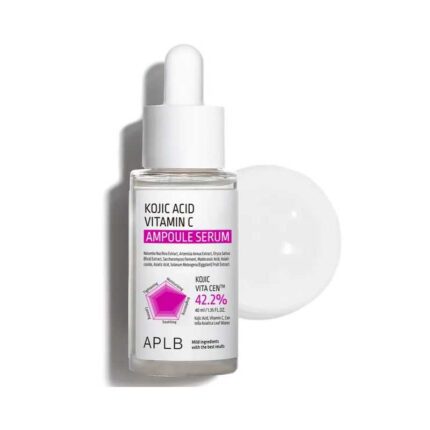 Sale
SaleOriginal price was: ৳ 1,300.00.৳ 910.00Current price is: ৳ 910.00.
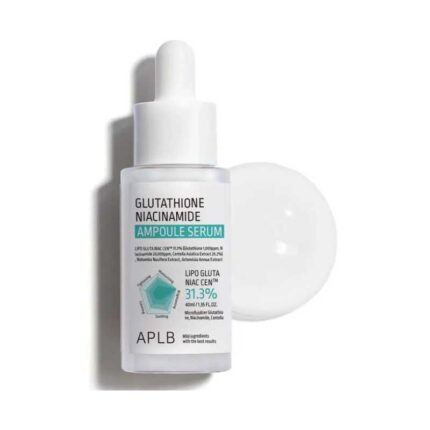 Sale
SaleOriginal price was: ৳ 1,300.00.৳ 910.00Current price is: ৳ 910.00.
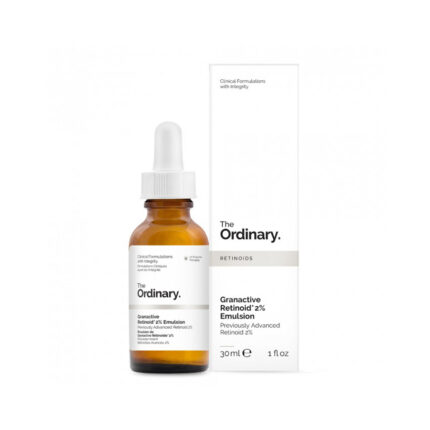 Sale
SaleOriginal price was: ৳ 2,000.00.৳ 1,490.00Current price is: ৳ 1,490.00.
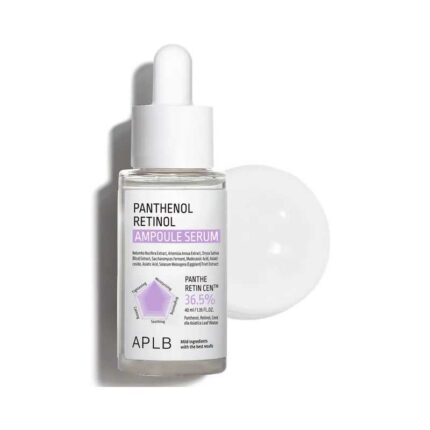 Sale
SaleOriginal price was: ৳ 1,300.00.৳ 910.00Current price is: ৳ 910.00.
How Granactive Retinoid Works on Skin
Granactive Retinoid works by activating retinoid receptors that control cell growth and collagen production. When these receptors fire, skin clarifies, tone evens, and fine lines may soften over time. For example, users often report smoother texture within weeks of consistent use.
Research indicates that receptor-targeting retinoids can encourage collagen synthesis and accelerate surface cell renewal. This means dead skin sheds faster and new cells appear sooner. As a result, pigmentation and rough patches tend to fade with continued use.
Mechanism vs. Traditional Retinoids
Traditional retinol must convert inside skin to retinoic acid before it acts. Granactive Retinoid contains an active ester that can bind receptors more directly. Therefore, many users experience fewer signs of irritation while still getting receptor-level effects.
Because conversion steps are fewer, the compound often causes less redness and flaking. Still, sensitivity varies by person and by formulation strength. That is why many brands offer low-concentration options for starters.
Why Some Call It an Advanced Retinoid Complex Ingredient
Manufacturers and formulators describe Granactive Retinoid as an advanced retinoid complex ingredient due to its receptor activity and formulation flexibility. This label reflects its frequent pairing with stabilizers and soothing agents to boost tolerance. For consumers, that means more product choices with varied strengths and textures.
Benefits of Granactive Retinoid
Granactive Retinoid aims to reduce fine lines, even skin tone, and improve texture without heavy irritation. Users commonly report fewer breakouts and smoother pores after steady use. Dermatologists often suggest it as a middle ground between over-the-counter retinol and prescription tretinoin.
Because the compound targets receptors directly, visible results can appear without the same level of dryness or peeling. Research indicates that people with sensitive skin may tolerate Granactive Retinoid better than older retinoids. This makes it a popular choice for those seeking results with less downtime.
Still, outcomes depend on frequency, concentration, and how the product is formulated. For example, cream bases with emollients will feel more hydrating than alcohol-based serums. That is why product choice matters for each skin type.
Safety and Side Effects
Granactive Retinoid typically causes fewer side effects than stronger prescription retinoids, but reactions can still occur. Mild redness, peeling, and dryness are the most common effects during early use. If irritation appears, reducing frequency or pairing with a moisturizer usually helps.
Because skin barrier health matters, patch testing a new product is a sensible step. If a strong reaction develops, stop use and consult a dermatologist. Pregnant or breastfeeding people should avoid retinoids and ask a clinician for safe alternatives.
Tips to Minimize Irritation
Start slowly by applying the product one to two nights per week and increase as skin adapts. Use a gentle cleanser and a hydrating moisturizer to support the barrier. When irritation flares, pause and restart at a lower frequency.
For example, mixing the retinoid product with moisturizer on first uses can lower initial sting. Also, avoid combining it immediately with strong exfoliants like AHAs or BHAs. That reduces the risk of excessive dryness and compromised barrier function.
How to Use Granactive Retinoid in Your Routine
Apply Granactive Retinoid at night after cleansing and before heavier creams. Nighttime use reduces sun sensitivity risks and aligns with the skin’s natural repair cycle. Many users pair it with a hydrating serum or a moisturizer rich in ceramides.
When you start, use a pea-sized amount for the face and avoid the eye rim area. Gradually increase to every other night, and then nightly as tolerated. Sunscreen use is essential during the day while using this product.
Beginner Regimen
Week one can be one application on a single night. Week two, raise to two nights if skin looks calm. Then use every other night for several weeks before going nightly.
Since results take time, be patient and watch for steady improvement. That steady approach helps skin adapt and prevents setbacks that might push someone to stop treatment.
Advanced Regimen
Once skin tolerates nightly use, you can add supportive actives like peptides and antioxidants during the day. That strategy helps boost collagen support without increasing retinoid load. Still, avoid using other strong actives at the same time as your night retinoid application.
Granactive Retinoid vs. Retinol and Tretinoin
Compared with retinol, Granactive Retinoid may offer faster receptor activity and less conversion-related irritation. Compared with tretinoin, it usually causes fewer side effects while delivering meaningful results. Dermatologists note it sits between plain retinol and prescription-strength tretinoin in potency and tolerance.
Because tretinoin binds receptors strongly, it often yields quicker, more dramatic changes but with more downtime. Studies show that many nonprescription retinoids provide visible improvement while keeping irritation lower. That makes Granactive Retinoid attractive for long-term use by many consumers.
Choosing Products with Granactive Retinoid
Look for product labels that list hydroxypinacolone retinoate or Granactive Retinoid in the ingredient list. Concentrations vary, and many brands will state percent strength or relative potency. If you have sensitive skin, start with lower concentrations or products marketed as gentle.
Because formulation affects tolerability, pick a cream if you need extra hydration. If you prefer lighter textures, choose a serum with soothing botanicals. That is why scanning the full ingredients helps match a product to your skin’s needs.
What to Expect from Different Formats
Creams often feel more moisturizing and reduce flaking. Serums absorb quickly and may contain fewer emollients. Gels and lightweight lotions suit oily skin types who still want retinoid activity.
For example, a cream with oils and ceramides can reduce dryness during the adaptation period. On the other hand, a serum might layer better under SPF in morning routines when designed for daytime stability.
Common Myths and Misconceptions
One myth claims Granactive Retinoid causes the same fallout as prescription retinoids for everyone. In reality, tolerance varies, and many people experience milder effects. Research indicates that most users find it less irritating than tretinoin, though some sensitivity remains possible.
Another misconception insists results appear overnight. Skin renewal is a slow process and takes weeks to months. That means consistency matters more than speed when using this ingredient.
Who Should Use Granactive Retinoid?
Granactive Retinoid fits people who want anti-aging benefits without heavy irritation. Sensitive skin types who could not tolerate retinol or tretinoin often test this ingredient. However, anyone seeking smoother texture or fewer fine lines can consider it under proper guidance.
That said, clinicians caution pregnant or breastfeeding people to avoid all retinoids. Also, those with active eczema or very compromised barriers should consult a dermatologist first. A trained clinician can suggest alternatives or layering approaches that reduce risk.
Combining with Other Actives
Granactive Retinoid pairs well with hydrating agents like hyaluronic acid and ceramides. For daytime protection, vitamin C and SPF work together to protect results. Still, avoid stacking multiple strong exfoliants on the same night as your retinoid.
Because acids increase exfoliation, using AHAs or BHAs on alternate nights limits barrier stress. Peptides and niacinamide usually complement retinoid action and may help reduce redness. That combination supports both repair and visible improvement.
Shopping Tips and Label Reading
Check labels for hydroxypinacolone retinoate and for supporting ingredients that reduce irritation. Choose products with clear usage guidance and start with lower strengths if you are unsure. For consistency, buy a size you will use within several months to keep the active fresh.
Also, check whether brands indicate clinical testing or dermatologist input. Studies show that formulations with soothing agents result in better tolerability for users. That is a helpful sign when you weigh your options.
Cost and Value Considerations
Products with Granactive Retinoid appear at many price points. Price depends on concentration, formulation, and brand positioning. A mid-priced cream can offer excellent value if it combines stabilizers and hydrating ingredients.
Because long-term use yields the best results, consider the cost per month rather than upfront price alone. That means a slightly pricer formula that you tolerate and use daily can be a better investment than a cheap product you stop using due to irritation.
Real User Experiences and What Studies Suggest
Users often report reduced breakouts and smoother skin texture after regular use. Many find they can use Granactive Retinoid more consistently than conventional retinol. Research indicates that receptor-targeting esters often show a favorable safety profile in tolerance studies.
For example, clinical reports of newer retinoid esters emphasize lower irritation with adequate efficacy. That supports why many skincare lines include Granactive Retinoid in anti-aging collections. Still, individual responses vary and patience matters most.
Formulations to Watch For
Look for formulas that combine Granactive Retinoid with ceramides, glycerin, or niacinamide for barrier support. Brands often pair it with antioxidants to support daytime protection. Also, some products include soothing botanicals to reduce redness and stinging risk.
Because ingredient synergy matters, select products designed for your skin type. For example, oily skin may do well with a lightweight retinoid serum, while dry skin often needs a richer cream. That choice affects comfort and long-term adherence.
Travel and Storage Tips
Keep Granactive Retinoid products out of direct sunlight and at a stable room temperature. Heat and light can degrade retinoids and reduce efficacy. Pack small travel sizes if you plan to use your product on the go to ensure freshness.
Because pump or opaque packaging helps protect actives, choose protected formats. That preserves potency for longer and reduces waste. In addition, follow manufacturer expiration guidance for best results.
Frequently Asked Questions
Is Granactive Retinoid stronger than retinol?
Granactive Retinoid often acts more directly at retinoid receptors than retinol, so some users find it more potent. However, it usually causes less irritation than prescription tretinoin. Strength depends on concentration and formulation.
How long before I see results with Granactive Retinoid?
Visible changes commonly appear within several weeks, but optimal results take a few months of consistent use. Collagen remodeling and cell turnover are gradual processes. Patience and steady application yield the best outcome.
Can sensitive skin use Granactive Retinoid?
Many people with sensitive skin tolerate Granactive Retinoid better than older retinoids, especially when introduced slowly. Still, conduct a patch test and start with lower frequency. If irritation occurs, reduce use and consult a dermatologist.
Can I use Granactive Retinoid during the day?
Nighttime use is recommended because retinoids can increase sun sensitivity and the skin repairs at night. If a daytime formula exists, pair it with broad-spectrum sunscreen every day. Sunscreen helps protect progress and reduce irritation risks.
Final Thoughts
Granactive Retinoid offers a promising path to smoother, firmer skin with fewer side effects for many users. For most people seeking anti-aging benefits without heavy irritation, this ingredient strikes a practical balance. Try a low-frequency start, pair it with hydrating products, and use sun protection for best results with Granactive Retinoid.