
Seaweed Extract: Benefits, Uses, and Buying Guide

Do you want calmer, more hydrated skin without harsh chemicals? Seaweed Extract can offer gentle hydration and a natural mineral boost for many skin types. This guide explains what it is and how to pick products that match your needs.
What is Seaweed Extract?
Seaweed Extract comes from various marine algae species harvested from oceans and coastal waters. As a marine algae skincare ingredient, it contains sugars, amino acids, and minerals that help skin health. Studies show plant-derived sea plants often deliver antioxidants and trace minerals that support skin barrier function.
Because extraction methods vary, the final extract can be a simple water-based tincture or a concentrated powder. Research indicates that the composition changes with species and harvest time, which affects benefits and texture in formulations. This means labels matter when you buy skincare products with this ingredient.
Recommended Products
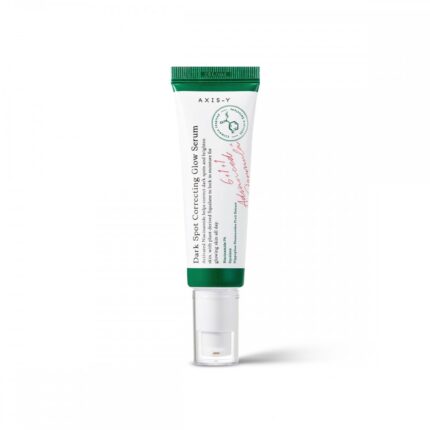 Sale
SaleOriginal price was: ৳ 1,790.00.৳ 1,175.00Current price is: ৳ 1,175.00.
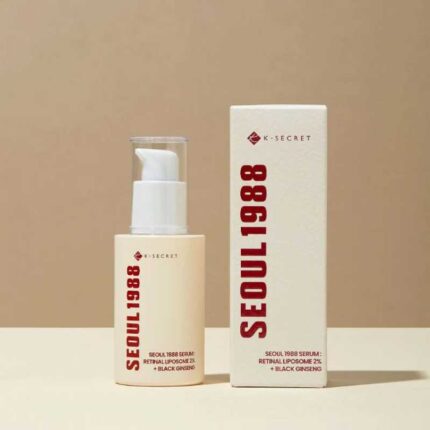 Sale
SaleOriginal price was: ৳ 2,720.00.৳ 1,904.00Current price is: ৳ 1,904.00.
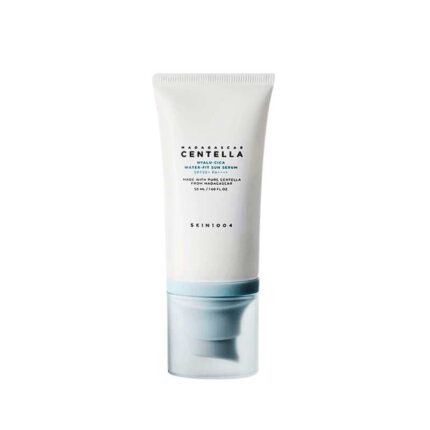 Sale
SaleOriginal price was: ৳ 2,850.00.৳ 2,430.00Current price is: ৳ 2,430.00.
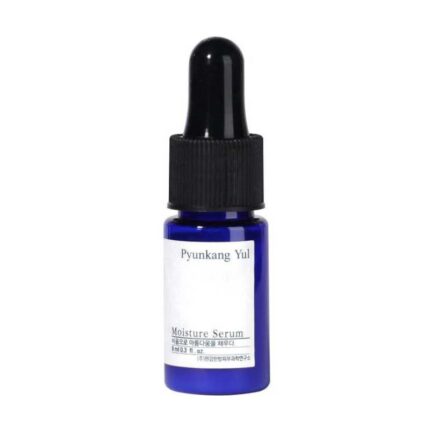 Sale
SaleOriginal price was: ৳ 440.00.৳ 320.00Current price is: ৳ 320.00.
How Seaweed Extract Works on Skin
Seaweed Extract attracts and holds water, which supports hydration in the top skin layer. As a result, skin looks plumper and fine lines soften with regular use. Dermatologists recommend marine-derived compounds for people who need gentle moisture without heavy oils.
When applied, the extract forms a thin film that can protect against moisture loss. Research indicates antioxidants in the extract help counter environmental stressors that age skin. That protective action gives both immediate and cumulative benefits with continued use.
Key Benefits of Seaweed Extract
Seaweed Extract offers multiple benefits that suit many routines. For example, the extract supplies trace elements that help skin recover and maintain tone. Studies show benefits include improved hydration, calmer redness, and a smoother look over time.
Because it contains a mineral rich compound profile, the extract helps replenish skin that lacks nutrients. This means skin can feel less tight and more resilient after regular use. Still, results depend on concentration and product formulation.
Hydration and Moisture Retention
Seaweed Extract holds moisture near the skin surface and reduces evaporation. As a result, you may notice softer skin after only a few applications. That effect makes it useful in daily moisturizers and masks.
For best results, pair the extract with a humectant like glycerin or hyaluronic acid in your routine. This combination helps draw water into the skin and seal it there. When used correctly, your skin will appear plumper and less dry.
Soothing and Anti-Redness Effects
Seaweed Extract calms irritated skin by reducing visible redness and discomfort. Studies show certain seaweed fractions blunt skin inflammation and soothe reactive skin. Because of that, formulators include it in products aimed at sensitive skin types.
For example, creams with the extract often list calming or anti-irritant claims. If you have reddened or reactive skin, choose products with a clear concentration or supportive ingredients. That helps you spot effective choices faster.
Antioxidant Protection and Repair
The extract supplies antioxidants that neutralize free radicals from environmental stress. Research indicates antioxidants in marine algae protect collagen networks and slow visible aging signs. That helps preserve skin texture and elasticity over time.
Using Seaweed Extract in both morning and evening steps can support this protective layer. Still, it works best alongside sunscreen during daytime. This means a simple routine can deliver both protection and repair benefits.
Common Types and Extract Forms
Manufacturers use many seaweed species such as kelp, bladderwrack, and red algae to make extracts. Each species offers a slightly different profile of sugars, peptides, and minerals. Because of that, manufacturers choose species to achieve specific claims like firming or hydrating.
Extracts arrive in forms like water-soluble tints, glycerin blends, or dried powders. For example, glycerin-based extracts often feel richer while water-based ones suit gel textures better. That matters when you match a product texture to your skin type.
Kelp and Brown Algae
Kelp, a type of brown algae, contains iodine and polysaccharides that help hydration and tone. Studies show kelp supports skin plumpness and can improve the look of firmness. Because of these traits, kelp features in masks and serums aimed at mature skin.
Producers often choose kelp for its thicker gels and film-forming ability in creams. That makes it effective in products that aim to lock moisture in without feeling greasy. Still, check labels if you are sensitive to iodine or sea-derived compounds.
Red and Green Algae Varieties
Red algae often brings gentle proteins and pigments that soothe and protect against UV stress. Green algae supply other nutrient blends and lighter textures for oily or combination skin. Research indicates both types can offer antioxidant benefits, though effects vary by strain.
If you prefer lighter products, seek formulas with green algae. For richer treatments, red algae may appear in masks or thicker creams. That choice helps you match performance to skin needs.
How to Choose Seaweed Extract Products
Look at the ingredient list and find Seaweed Extract near the top for higher concentration. This means the product contains enough of the ingredient to affect skin. Studies show ingredient order on labels roughly correlates with concentration.
Because formulations vary, also check for supportive ingredients like humectants and ceramides. These compounds work together to hydrate and reinforce the skin barrier. For sensitive skin, avoid added fragrance or high alcohol content.
Reading Labels and Ingredient Names
Seaweed Extract can appear under Latin names or species-derived terms on labels. For example, you may see names like Fucus vesiculosus extract or Ascophyllum nodosum extract. That is why understanding label variants helps you find the right product.
If a product uses a specific species name, research that species to learn common benefits. When the label lists broad terms, contact the brand for concentration details if needed. This step helps cautious shoppers choose wisely.
Spotting Real Benefits versus Hype
Focus on ingredient concentration and supporting science rather than marketing claims. Research indicates formulations with measurable extract percentages deliver clearer benefits. That is why transparent brands often list extract amounts or active concentrations.
Choose products with clear directions and realistic promises. If a product claims instant, dramatic results without supporting ingredients, question the claim. Honest brands rely on steady improvements from consistent use.
How to Use Seaweed Extract in a Routine
Apply Seaweed Extract products after cleansing and before heavy creams, unless the product itself is a cream. This layering lets lighter serums penetrate and heavier creams seal moisture. Dermatologists recommend following product directions for best results.
When introducing a new extract product, patch test on the inner forearm for 48 hours. That prevents surprises from sensitivity or allergic reactions. For oily skin, choose gel serums with the extract to avoid excess shine.
Daily Use Tips
Use a Seaweed Extract serum once or twice daily depending on skin tolerance and product instructions. For daytime routines, pair the extract with a broad-spectrum sunscreen. That protects skin while the extract provides hydration and antioxidant support.
At night, combine the extract with richer creams for repair and barrier support. Since skin repairs more during sleep, these steps complement each other. Keep routines simple to maintain consistent use.
Using Masks and Treatments
Masks with concentrated Seaweed Extract can deliver a quick hydration boost in 10 to 20 minutes. For example, weekly masks can help stressed or dehydrated skin regain a smoother look. Use masks as occasional treatments and follow instructions to avoid irritation.
If you have sensitive or acne-prone skin, choose masks without pore-clogging oils. That helps you get benefits without new breakouts. Always rinse thoroughly and pat skin dry after use.
Safety, Side Effects, and Allergies
Seaweed Extract is generally well tolerated, yet some people may react to marine proteins. For example, people with shellfish or iodine sensitivity should test cautiously. Studies show patch testing reduces the chance of adverse reactions when trying new botanicals.
Because formulations often contain multiple actives, side effects can come from other ingredients. That is why consumers should review full ingredient lists if they have known sensitivities. If irritation occurs, stop using the product and consult a clinician.
Iodine and Thyroid Concerns
Some seaweed species contain iodine, which can affect thyroid-sensitive people when ingested. Topical application usually delivers minimal systemic iodine. Still, people with thyroid conditions should consult healthcare providers before frequent heavy use.
For safety, choose products labeled low-iodine or those made from species known for low iodine content. That reduces risk while preserving topical benefits. When in doubt, seek medical advice for personalized guidance.
Interactions with Treatments
Seaweed Extract typically does not interfere with topical prescriptions, yet confirm with your provider if you use retinoids or strong acids. These actives can increase sensitivity when combined with botanical extracts. That is why staged introduction helps gauge tolerance safely.
If you receive professional treatments like chemical peels, pause botanical products until skin heals. A calm recovery allows the skin to respond better to future topical care. Ask your clinician when to resume your routine.
Sustainability and Sourcing
Wild-harvested seaweed can support coastal economies but may harm ecosystems if unmanaged. For that reason, many brands choose sustainably farmed seaweed. Studies show well-managed seaweed farms can provide environmental benefits like carbon capture and habitat for marine life.
Look for brands that disclose harvest methods and traceability to support ethical sourcing. Certifications and third-party audits can indicate responsible practices. As consumers, choosing sustainable options helps foster better industry standards.
Farmed Versus Wild-Harvested
Farmed seaweed often offers consistent quality and less environmental impact than unregulated wild harvest. Research indicates farmed operations can be scaled with minimal habitat disturbance. That makes farmed extracts a preferable choice for many eco-conscious buyers.
Wild-harvested seaweed, when managed, can still be sustainable and provide unique profiles tied to local waters. If you prefer wild-harvested products, seek brands that support seasonal and regulated collection. Transparency on harvest methods is key to responsible choice.
Packaging and Brand Responsibility
Packaging choices influence overall sustainability of a Seaweed Extract product. For example, recyclable glass and refill systems reduce waste. That means you should also evaluate a brand’s waste policies when buying skincare.
Brands that invest in fair trade and local communities often share verification or supplier details. This practice shows accountability and respect for coastal workers. Buying from transparent brands supports better socio-environmental outcomes.
Comparing Seaweed Extract to Other Marine Ingredients
Seaweed Extract differs from marine collagen and fish-derived peptides in composition and effect. For instance, the extract brings polysaccharides and minerals rather than animal proteins. Research indicates plant-based marine ingredients often suit vegan or plant-based skincare preferences.
While marine collagen aims to supply amino acids for structural proteins, Seaweed Extract focuses on hydration and mineral support. That is why many formulas pair the extract with peptides to target multiple goals. Matching ingredients to desired outcomes leads to better results.
Shopping Guide: What to Look For
Choose products that list Seaweed Extract clearly and show supporting ingredients for hydration and barrier repair. For example, look for humectants, lipids, and mild soothing agents. Brands that test for efficacy or sensitivity provide added confidence.
Also consider texture and concentration relative to your skin type. Lightweight serums suit oily skin while creams fit drier skin. Trial sizes or travel kits help you test a product without committing to full-size versions.
Budget and Value Considerations
Price does not always equal effectiveness with Seaweed Extract products. A mid-range serum with transparent concentration and tested benefits can outperform expensive unnamed formulations. Research indicates consistent active levels matter more than brand prestige.
That is why reading reviews and checking ingredient order helps you find value. If possible, test samples to confirm texture and tolerance before buying a full size. Smart shopping reduces waste and saves money over time.
For Specific Skin Concerns
For dry skin, choose Seaweed Extract combined with occlusives that lock moisture. For sensitive skin, pick gentle, fragrance-free formulations. For aging concerns, select products that combine the extract with peptides or stable vitamin C for antioxidant support.
Because needs vary, adapt the product choice to your skin priorities and routine. Ask a skincare professional for tailored recommendations if you have complex issues. That step helps you achieve better outcomes without trial and error.
Frequently Asked Questions
Is Seaweed Extract safe for sensitive skin?
Seaweed Extract is usually safe for sensitive skin but individual reactions can occur. Patch test before full use and choose fragrance-free formulas to reduce irritation risk. If redness or itching appears, stop use and consult a clinician.
Can Seaweed Extract help reduce pores and oiliness?
The extract can balance hydration and reduce excess oil production by improving skin barrier function. Products with lightweight formulas and non-comedogenic carriers suit oily and combination skin. Results vary and work best as part of a consistent routine.
How often should I use Seaweed Extract products?
Use serums or creams containing Seaweed Extract once or twice daily according to product directions. For masks, limit to weekly or biweekly treatments depending on skin tolerance. Monitor skin response and adjust frequency as needed.
Will Seaweed Extract stain or tint the skin?
Most refined Seaweed Extracts do not stain skin when properly formulated. Some raw or high-pigment extracts might leave a slight tint until washed off. Choose well-formulated products and test on a small area if staining is a concern.
Final Thoughts
Seaweed Extract offers gentle hydration, calming effects, and mineral support for many skin types. This ingredient often enhances routines when paired with solid humectants and barrier-repair actives. For best results, choose transparent brands, patch test new products, and match formulations to your skin needs.
Overall, Seaweed Extract can be a reliable addition to daily skincare for hydration and resilience. Try a sample of a well-reviewed product and observe changes over several weeks to judge benefits. That practical approach helps you decide if the ingredient suits your routine.