
Birch Mushroom Extract Benefits & Uses Guide

Do you wonder whether a forest‑grown supplement can help your immunity or skin? Birch Mushroom Extract has grown in popularity among shoppers seeking natural support. The extract appears in many supplements and skincare products today.
What is Birch Mushroom Extract?
Birch Mushroom Extract comes from a fungus that grows on birch trees. This polypore mushroom ingredient has a long folk history in northern climates. People harvest the fruiting body and make alcohol or hot water extracts for use.
Because the fungus lives on birch wood, it concentrates specific compounds. Those compounds include polysaccharides, polyphenols, and triterpenes. These groups define many of the extract’s traditional uses.
Recommended Products
 Sale
SaleOriginal price was: ৳ 540.00.৳ 380.00Current price is: ৳ 380.00.
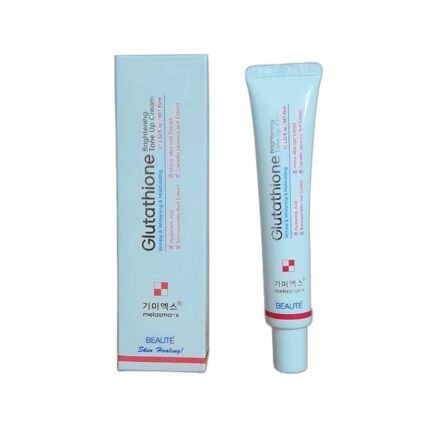 Sale
SaleOriginal price was: ৳ 1,250.00.৳ 950.00Current price is: ৳ 950.00.
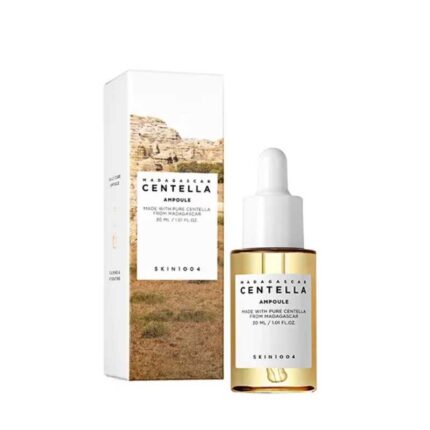 Sale
SaleOriginal price was: ৳ 1,260.00.৳ 882.00Current price is: ৳ 882.00.
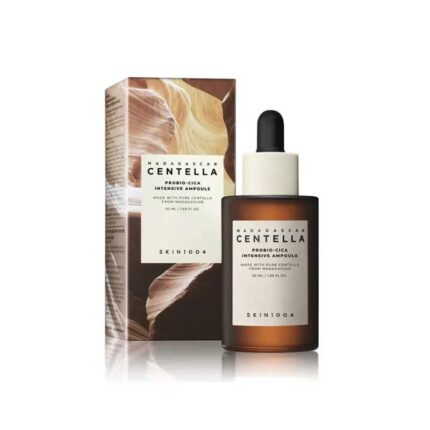 Sale
SaleOriginal price was: ৳ 3,360.00.৳ 2,352.00Current price is: ৳ 2,352.00.
Traditional uses and cultural history
Communities in Europe and Asia used birch‑bound polypores for centuries. They made broths and tinctures to ease fatigue and support recovery after illness. Oral traditions often credit the mushroom with gentle tonic properties.
For example, Scandinavian and Russian herbal guides list the fungus as a warming spring tonic. That is why healers brewed it into teas after winter. Today, modern users seek similar immune and recovery benefits.
How the extract works: key compounds explained
Research shows extracts concentrate several active groups that explain reported effects. Polysaccharides can support immune signaling. Triterpenes can affect inflammation pathways.
Polysaccharides and immune support
Polysaccharides are long sugar chains that interact with immune cells. Studies show certain polysaccharides help immune cells respond more quickly. This helps the body manage minor immune challenges.
Triterpenes and inflammation
Triterpenes form a large class of molecules found in many mushrooms and plants. They can modulate inflammation in lab studies. As a result, they may explain some soothing effects users report.
Antioxidants and cell protection
The extract contains antioxidant molecules that help reduce oxidative stress. For example, phenolic compounds appear in lab analyses of birch polypores. These antioxidants act as a soothing antioxidant compound in topical and oral use.
Potential health benefits people seek
Many users take Birch Mushroom Extract for immune balance and resilience. Some report fewer colds and faster recovery after mild infections. Research indicates mushrooms may offer immune‑supportive effects, though evidence varies.
Skin health is another common reason for use. Applied topically or taken orally, the extract can calm irritated skin in some users. Dermatologists recommend gentle antioxidants for stressed skin, and this extract contains such compounds.
People also mention increased energy and better digestion after regular use. While individual responses vary, many customers notice small, steady improvements. That is why some prefer consistent daily use over occasional dosing.
Evidence and research: what studies show
Studies show mushroom extracts often affect immune markers in laboratory and animal research. Research indicates in vitro and animal models for birch polypores show promising biological activity. Human clinical trials remain limited but are growing.
Because human trials are few, evidence from clinical studies is still emerging. That means readers should weigh traditional use alongside research data. Experts advise looking at product quality before forming conclusions.
For example, randomized studies on related polypore species reported positive immune signals. This suggests that similar compounds in birch extracts could behave similarly in humans. Still, more direct trials are needed to confirm effects.
Forms, extraction methods, and what they mean
Manufacturers sell Birch Mushroom Extract in several forms. You can find capsules, powders, tinctures, and creams. Extraction method affects which compounds end up in the final product.
Hot water extracts tend to collect polysaccharides. Alcohol extracts favor triterpenes and other nonpolar molecules. Dual extracts combine both methods to capture a wider compound range.
Because extraction matters, look for clear labels that state extraction type. That helps you match a product to your intended use. For example, choose hot water extracts if you want immune polysaccharides.
How to choose a quality product
Start by checking the label for mushroom species and extraction type. Pure birch polypore should list the Latin name and extraction solvent. Third‑party testing for contaminants and potency is also helpful.
When shopping, prefer brands that disclose origin and extraction percentages. Research indicates product transparency ties closely to consistent results. That is why many reputable sellers publish lab reports.
Price alone does not guarantee quality. Still, extremely cheap supplements may cut corners on raw material or extraction. Choose a product that balances clear testing with fair pricing.
Dosage guidelines and practical use
Dosage depends on the product form and concentration. Manufacturers often recommend a daily capsule or measured tincture dose. Follow label directions and start at a low dose to assess tolerance.
For example, begin with half the suggested dose for a week. Then increase if you tolerate it well and want a stronger effect. If you take medications, consult a clinician before starting.
Safety, side effects, and who should avoid it
Birch Mushroom Extract tends to have a mild safety profile in healthy adults. Reported side effects are usually mild digestive upset or skin reactions. Still, allergic reactions can occur in sensitive people.
Pregnant or breastfeeding individuals should avoid new supplements without medical advice. People on immune‑modulating drugs should consult a doctor first. This helps prevent unwanted interactions.
Also check for contamination risks, such as heavy metals or microbial load. Reputable brands perform third‑party testing to reduce those risks. That step improves overall safety for regular users.
Interactions with medications and conditions
Some compounds may affect blood clotting or immune response. For that reason, speak with your healthcare provider if you take blood thinners or immune therapies. They can advise whether the extract fits your regimen.
Because evidence is limited, clinicians recommend caution for people with autoimmune diseases. That is why individualized medical guidance matters. Keep medical providers informed about supplement use.
Using Birch Mushroom Extract in skincare
Topical formulas include the extract for calming and antioxidant support. Skin care brands combine it with humectants and emollients for better results. The extract acts as a soothing antioxidant compound in many creams.
Because antioxidants help protect against oxidative stress, they can slow visible skin aging signs. Still, product formulation determines actual skin benefits. Choose products with stable, well‑formulated bases.
Comparing birch extract to other mushroom supplements
Birch mushroom comes from polypore fungi, which differ from common culinary mushrooms. For instance, shiitake or reishi have distinct compound profiles and uses. Each species provides unique polysaccharides and triterpenes.
When you compare, look at extraction type and tested active markers. That helps you understand what each supplement emphasizes. Use this information to pick the right product for your goals.
Practical tips for everyday use
Integrate the extract gradually into your routine for reliable feedback. Many users take it with breakfast to form a habit. Others add powdered extract to smoothies or morning tea for convenience.
Keep a short diary of changes like energy, sleep, and skin clarity. That helps you judge whether the supplement makes a meaningful difference. If you notice adverse effects, stop and consult a clinician.
Environmental and sustainability considerations
Wild harvesting can stress local fungal populations when done unsustainably. Sustainable brands source from managed operations or use cultivated mycelium. Choosing certified suppliers helps protect forests.
Also consider packaging and manufacturing transparency when you buy. Some companies reinvest in conservation and disclose harvest practices. This adds an ethical layer to product selection.
Cost versus benefit: is it worth trying?
Personal goals and budget will determine whether to try Birch Mushroom Extract. If you seek mild immune support or antioxidant skin care, it may be a reasonable option. Many users find low‑risk benefits with consistent use.
However, set realistic expectations given limited human trials. Research indicates promising biological activity, but it does not guarantee dramatic results. That is why a trial period and careful product choice make sense.
Where to find reliable information
Studies show academic journals and university extensions publish the most reliable data. Research indicates that peer‑reviewed sources offer sound guidance. Avoid relying on product marketing claims alone.
For practical advice, ask pharmacists or clinicians familiar with herbal supplements. They can help you evaluate safety and potential interactions. This step helps you make an informed choice.
Frequently Asked Questions
What does Birch Mushroom Extract do for immunity?
Birch Mushroom Extract supports immune signaling through polysaccharides and other compounds. Studies show related mushroom extracts help immune cells respond. Human data on this specific extract is limited but encouraging.
Is the extract safe to take long term?
Most healthy adults tolerate the extract well when taken at recommended doses. Side effects tend to be mild, such as mild stomach upset. Still, check with a clinician if you have chronic conditions or take medications.
Can I use it on my skin?
Topical products with the extract can calm irritation and offer antioxidant support. Dermatologists recommend antioxidants for skin under environmental stress. Patch test new products to rule out sensitivity.
How soon will I notice benefits?
Some users notice small improvements within two to four weeks. Other effects may take longer, especially for immune resilience. Track changes over at least six to eight weeks for a fair trial.
Final Thoughts
Birch Mushroom Extract offers a gentle option for immune balance and skin support based on traditional use and emerging research. Consider product quality, extraction type, and personal health needs before buying. Try a transparent, tested product and monitor effects with a short trial period to see whether it fits your routine.