
Lotus Water: Soothing Hydration for Skin

Many people want a gentle way to add moisture and calm to their skin routine. Lotus Water promises soft hydration and a mild calming effect for irritated skin. Lotus Water appears in cleansers, mists, and toners for a reason.
What is Lotus Water?
Lotus Water is a floral hydrosol made from the lotus flower petals. For example, distillation or maceration captures the flower’s aroma and soluble compounds. Studies show floral waters carry gentle plant extracts that can soothe skin.
Because the process involves water and petals, the result is lighter than an essential oil. This means Lotus Water suits sensitive skin and blends well with serums and creams. Research indicates that hydrosols often retain useful botanical components.
Recommended Products
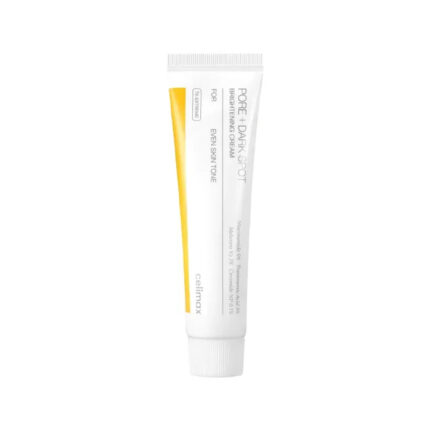 Sale
SaleOriginal price was: ৳ 1,790.00.৳ 1,590.00Current price is: ৳ 1,590.00.
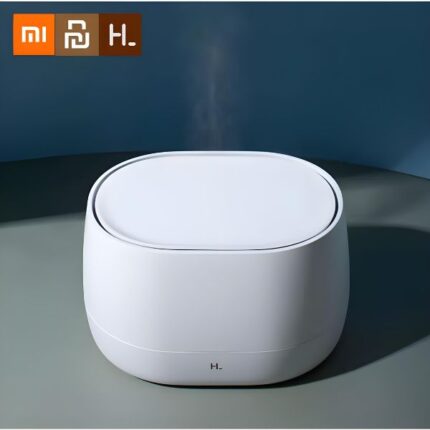
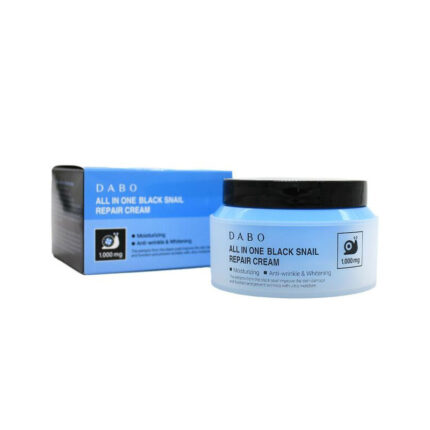
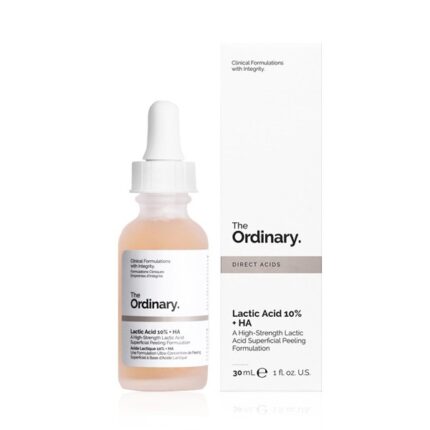 Sale
SaleOriginal price was: ৳ 2,000.00.৳ 1,490.00Current price is: ৳ 1,490.00.
Benefits of Lotus Water
Lotus Water offers mild hydration that supports skin barrier function. Dermatologists recommend gentle, water-based products for daily calm and to reduce irritation. Clinical studies on floral waters highlight their soothing properties without harsh side effects.
For example, many users report reduced redness when they add Lotus Water to their routine. As a result, it often replaces heavier toners and strong astringents. That is why people with reactive skin choose it.
Hydration and Moisture
Lotus Water hydrates by adding a light layer of moisture to the skin surface. While it will not replace a rich moisturizer, it helps serums penetrate more evenly. This makes the skin feel softer after cleansing.
Soothing and Calming Effects
Lotus Water calms minor redness and post-cleanse stinging. Because it contains water-soluble plant compounds, the effect is gentle and immediate. Dermatologists often suggest it after exfoliation for a cooling finish.
Antioxidant Support
Lotus contains natural antioxidants that can help defend skin from daily stress. Research indicates plant antioxidants help reduce signs of environmental stress. Using Lotus Water adds a mild antioxidant layer to your routine.
Common Uses for Lotus Water
People use Lotus Water as a facial mist, toner, or makeup setter. When sprayed lightly, it refreshes skin without adding oil. This makes it useful during travel and long days under dry air.
Because it mixes well with other products, Lotus Water also acts as a base for DIY masks. For example, you can blend it with clay, aloe, or powdered botanicals for added calm. That means a custom treatment without harsh chemicals.
Lotus Water in Formulations
Cosmetic chemists use Lotus Water as a mild watery base in creams, serums, and sprays. Lotus Water can be listed as a lotus floral water ingredient on product labels. Studies show formulators pick hydrosols for their gentle profile and scent.
Since it carries fragrance naturally, Lotus Water reduces the need for synthetic perfumes. This means fewer added allergens in many products. Manufacturers still test stability and preservative needs for safety.
How Lotus Water is Made
Producers create Lotus Water through steam distillation or cold maceration of petals. Steam distillation passes steam through petals and then condenses the vapor to separate oil from water. Research indicates the water retains water-soluble constituents and a hint of aroma.
Cold maceration soaks petals in water at low temperature for several hours. While this preserves delicate notes, it requires careful filtration and preservation. As a result, quality can vary by method and source.
Choosing Quality Lotus Water
Look for clear labels that name the lotus species and extraction method. Because quality affects scent and effect, pick brands that provide sourcing details. Dermatologists recommend fragrance-free options if you have allergy history.
If a label lists Lotus Water alongside many unnamed extracts, proceed with care. That is why transparency matters for sensitive skin. Always check for added alcohols or synthetic fragrances that reduce gentleness.
How to Use Lotus Water Safely
Do a patch test before applying Lotus Water broadly on your face. For example, dab a small amount on the inner forearm and wait 24 hours. If irritation appears, stop use and consult a professional.
Spray a light mist or apply with a cotton pad after cleansing and before moisturizer. Because Lotus Water is water-based, seal it with a cream or oil if you have dry skin. This helps lock in the gentle hydration it provides.
Lotus Water in DIY Skin Care
DIY fans add Lotus Water to masks, toners, and serum blends for a floral touch. For example, mix it with clay and a small amount of honey for a soothing mask. That is why many users prefer botanical blends for gentle at-home care.
When you make DIY products, store them in a refrigerator and use them quickly. Because homemade blends lack full preservatives, they can spoil. This means you must observe smell and appearance for changes.
Comparing Lotus Water to Other Floral Waters
Lotus Water tends to be lighter than rose hydrosol and less astringent than witch hazel. Because of its mild nature, it suits sensitive and dry skin types more often. Studies show different hydrosols bring varied active profiles, so choose based on skin needs.
While rose water provides a strong floral scent and toning effect, Lotus Water emphasizes calm and moisture. As a result, some routines mix both for balance. That approach can offer fragrant calming without heavy toning.
Ingredients to Pair with Lotus Water
Combine Lotus Water with hyaluronic acid for longer-lasting hydration. For example, apply a hyaluronic serum after a Lotus Water mist to attract and hold moisture. Dermatologists often recommend layering light water-based steps before occlusive creams.
Other good matches include aloe vera gel, niacinamide, and lightweight oils. Since Lotus Water is water-based, it blends best with similar textures. That means heavier products should follow later in the routine.
Lotus Water for Different Skin Types
Dry skin benefits from the initial moisture Lotus Water provides before a moisturizer. While it will not replace a rich cream, it helps reduce tightness after cleansing. Research indicates water-based botanicals suit dry, sensitive skin when sealed properly.
Oily skin can use Lotus Water as a refresher without adding oil. Because it evaporates quickly, it reduces the feeling of dryness without increasing shine. That makes it a light mist during humid weather or after workouts.
Lotus Water and Makeup
Use Lotus Water as a light setting spray to add a dewy finish to makeup. For example, a few light spritzes after powder application can refresh skin and soften harsh lines. That is why some makeup artists keep hydrosols on hand for touch-ups.
Always hold the bottle at a comfortable distance to avoid disturbing makeup. Since Lotus Water contains little to no alcohol, it will not aggressively break down products. Instead, it revives the skin’s surface with gentle moisture.
Scientific Evidence and Expert Opinions
Research indicates hydrosols carry phenolic compounds that may support skin calm. Studies show many plant waters provide antioxidant and soothing molecules in water form. Dermatologists often point to their mildness compared with concentrated oils.
Because the evidence varies by plant species, more targeted studies on lotus specifically are limited. Still, general findings on floral hydrosols support calming and light hydration effects. That means many experts view Lotus Water as a low-risk complement to basic care.
Storage and Shelf Life
Keep Lotus Water refrigerated after opening to extend freshness. Because floral waters lack strong preservatives, cooler storage slows microbial growth. For home use, plan to finish a bottle within a few months to be safe.
If your Lotus Water changes scent or becomes cloudy, discard it immediately. That is why you should check the bottle regularly. Good packaging and a sealed cap also help maintain quality.
Environmental and Ethical Considerations
Choose brands that source lotus petals sustainably and practice fair labor. Because floral cultivation can demand water and land, ethical sourcing reduces environmental impact. Research indicates transparent brands often invest in sustainable farming.
Look for bottles that use recyclable materials and avoid excess packaging. That means you support lower-waste production with each purchase. Still, small ethical labels may cost more but often offer traceability.
Common Myths About Lotus Water
Lotus Water will not cure major skin diseases or replace medical treatment. While many users report improved comfort, serious conditions need professional care. Studies show hydrosols are supportive, not curative.
Some claim Lotus Water permanently shrinks pores, but pore size depends on genetics and skin type. While it can temporarily tighten skin surface, effects are short-lived. That means realistic expectations matter.
Buying Guide: What to Look For
Check for a clear ingredient list that names Lotus Water and any preservatives used. Because purity affects gentleness, fewer additives are often better. That is why minimal formulations attract people with reactive skin.
Also inspect the packaging date and batch number so you can track freshness. Brands that publish extraction methods and origin show more transparency. For example, a label that states steam distillation helps set expectations.
Popular Product Types with Lotus Water
Lotus Water appears in mists, toners, facial sprays, and micellar waters. Each format offers different benefits and textures for use. Studies show sprays are convenient for quick refreshment, while toners prepare skin for treatment steps.
High-end serums sometimes include Lotus Water as a stabilizing or fragrant phase. Because the ingredient adds mild hydration, formulators use it to boost the skin feel. That means you can find Lotus Water in both budget and premium lines.
Travel and On-the-Go Tips
Carry a small spray bottle of Lotus Water to refresh skin during flights. Cabin air can dry skin quickly, and a mist offers instant relief. For example, misting before makeup touch-ups prevents excessive powder cling.
Keep travel-size bottles in a cool bag if you expect long days outdoors. That will protect the formula and prolong usability. Still, avoid leaving hydrosols in hot cars to prevent spoilage.
Lotus Water for Hair and Scalp
Use Lotus Water as a light scalp mist to soothe irritation and reduce dryness. Because it adds moisture without oil, it suits fine hair and sensitive scalps. Research indicates plant waters can help calm mild itchiness when used regularly.
Spritz lightly and massage into the scalp for even distribution. This means you can refresh hair without heavy buildup. Also blend with leave-in conditioners for added softness.
Scent and Aromatherapy Notes
Lotus Water carries a soft floral scent that many find calming and clean. While not as strong as essential oils, the aroma can support relaxation during skin care. For example, a brief mist can create a soothing ritual before sleep.
People with scent sensitivity should test Lotus Water first, since any fragrance can trigger a reaction. That is why unscented or minimally scented options exist for sensitive users. Choose according to personal tolerance.
Cost and Value Considerations
Prices vary widely from affordable bottles to premium artisan blends. Because extraction and sourcing drive cost, high-quality Lotus Water may cost more. Research shows small-batch distillation typically demands higher prices.
Consider value by checking how concentrated the product feels and how long a bottle lasts. If a light mist requires frequent reapplication, a larger bottle may be more economical. That means usage habits affect the true cost per use.
Sourcing and Lotus Varieties
Different lotus species yield subtle variations in scent and compound profile. Because flowers grown in different regions face varied climates, the final hydrosol can vary. For example, an Asian-grown lotus may smell slightly different than one from another region.
Labels that name species or origin offer more insight into what you buy. That means sourcing information helps predict scent and performance. Look for trusted brands that disclose these details.
Allergies and Special Precautions
Patch-test Lotus Water if you have plant allergies or sensitive skin history. Because botanicals can sometimes cause reactions, small testing prevents surprises. If redness or itching occurs, stop use immediately and seek advice.
Also avoid combining Lotus Water with strong actives without guidance. That is why consult a dermatologist if you use prescription topical treatments. Mixing without care can irritate or reduce effectiveness.
Lotus Water for Men and Women
Lotus Water suits all genders and skin types due to its neutral, gentle profile. Men can use it as a post-shave calming mist to reduce razor burn. For women, it fits into layering steps before makeup or night care.
Because it has low fragrance intensity, many find it unisex and versatile. That means couples can share a bottle safely in many cases. Still, individual skin reaction varies and should guide use.
How Often Should You Use Lotus Water?
Use Lotus Water two to three times daily as a mist or toner, or more when needed. For example, apply after cleansing and mid-day for refreshment. Research indicates frequent light hydration helps maintain comfort without overloading the skin.
Adjust frequency based on skin response and climate. That means increase use in dry conditions and reduce it if you notice stickiness. Personal routine should guide how often you spritz.
Lotus Water and Aging Skin
Lotus Water provides gentle hydration that supports skin elasticity and comfort. While not a powerful anti-aging treatment, it helps maintain a plump surface. Studies indicate consistent hydration can reduce the appearance of fine lines over time.
Combine it with targeted anti-aging actives for stronger results. For example, use Lotus Water before applying retinoids or peptides to soothe potential irritation. That means it can be part of an effective aging-care routine.
Product Examples and Formats
Lotus Water comes in sprays, toner pads, and blended serums to fit many preferences. For example, spray bottles deliver quick refreshment while toner pads offer controlled application. Choose a format that matches how you like to treat your skin.
Brands may also pair Lotus Water with other floral waters to create multi-note blends. Because combinations can enhance effects, read each label to understand the mix. This means pairings may offer unique benefits.
How to Read Labels for Lotus Water
Find INCI names and botanical Latin to confirm true Lotus Water content. For example, look for Nelumbo nucifera in the ingredient list when checking authenticity. That is why some shoppers learn botanical terms to verify products.
Also watch for generic “fragrance” listings that may hide artificial scents. Because these mask true composition, avoid them if you need pure botanical waters. Clear labeling signals trustworthy formulation practices.
Frequently Asked Questions
What does Lotus Water do for the skin?
Lotus Water adds light hydration and a calming effect to skin after cleansing. It helps reduce temporary redness and preps skin for serums. Many users find it refreshing and soothing.
Can I use Lotus Water every day?
Yes, you can use Lotus Water daily as a mist or toner step in your routine. Start with two to three applications per day and adjust based on your skin. Increase use in dry conditions and lower it if irritation occurs.
Is Lotus Water safe for sensitive skin?
Lotus Water is generally gentle and suitable for many sensitive skin types. Still, perform a patch test to rule out personal allergies. If you notice stinging or redness, stop and consult a professional.
How should I store Lotus Water?
Store Lotus Water in a cool, dark place and refrigerate after opening when possible. Cooler storage slows spoilage and helps freshness. Discard if the scent changes or the product turns cloudy.
Final Thoughts
Lotus Water provides a gentle, refreshing way to add light moisture and calm to daily skin care. Use it as a mist or toner to soothe irritation and prep the skin for treatment. Try a small bottle from a transparent brand and patch-test before regular use to see how Lotus Water fits your routine.