
Nordihydroguaiaretic Acid: Skin Benefits Guide

Struggling to choose an antioxidant ingredient that calms redness and fights breakouts? Nordihydroguaiaretic Acid appears in some cleansers and serums for that reason. Many shoppers want clear information about safety and benefits before they buy.
What is Nordihydroguaiaretic Acid?
Nordihydroguaiaretic Acid is a plant-derived polyphenol first isolated from the creosote bush. As a natural molecule, it has antioxidant and anti-inflammatory actions on the skin.
Studies show that botanical extracts containing Nordihydroguaiaretic Acid can scavenge free radicals and slow oxidative damage. This means the ingredient can protect lipids and proteins in skin cells.
Recommended Products
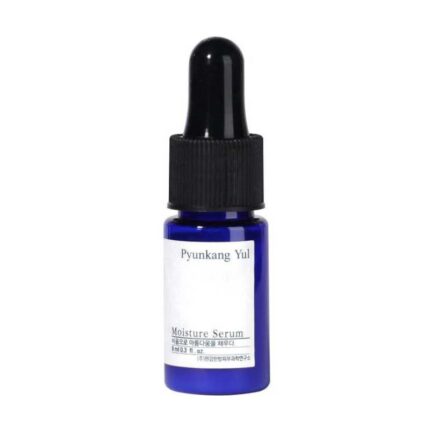 Sale
SaleOriginal price was: ৳ 440.00.৳ 320.00Current price is: ৳ 320.00.
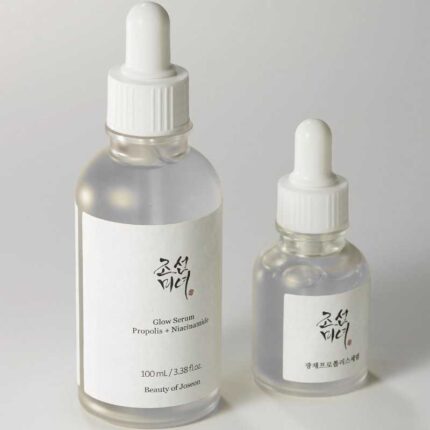 Sale
SaleOriginal price was: ৳ 3,080.00.৳ 2,156.00Current price is: ৳ 2,156.00.
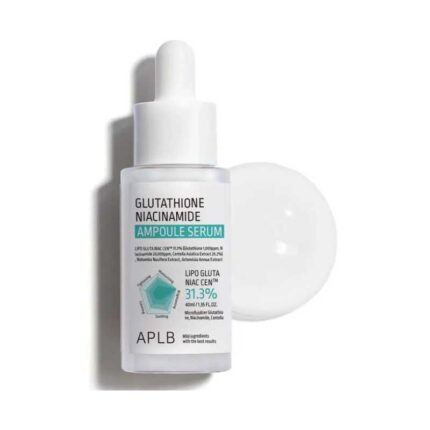 Sale
SaleOriginal price was: ৳ 1,300.00.৳ 910.00Current price is: ৳ 910.00.
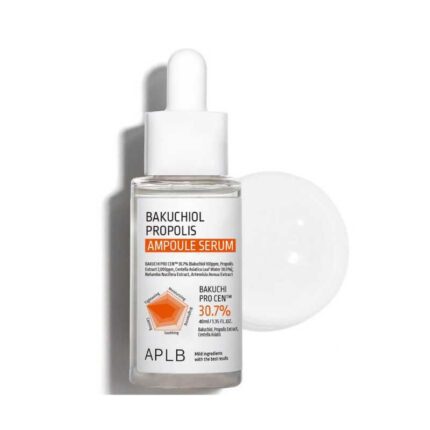 Sale
SaleOriginal price was: ৳ 1,300.00.৳ 910.00Current price is: ৳ 910.00.
NDGA antioxidant ingredient: how it works
Because Nordihydroguaiaretic Acid acts as an antioxidant, it donates electrons to neutralize reactive oxygen species. This process reduces oxidative stress around cells and tissues.
Research indicates the ingredient also inhibits enzymes linked to inflammation and lipid breakdown. For example, lipoxygenase inhibition helps lower inflammatory signals that can worsen acne and redness.
Antioxidant action explained
When skin faces UV light or pollution, reactive molecules form quickly. Nordihydroguaiaretic Acid helps neutralize those molecules and slows collagen breakdown.
That is why cosmetic chemists add the ingredient to serums aimed at antioxidant protection. Still, form stability and concentration matter for performance.
Anti-inflammatory and antimicrobial effects
Studies show Nordihydroguaiaretic Acid reduces markers of inflammation in lab models. As a result, it can soothe irritated skin while reducing visible redness.
Because some research also points to mild antimicrobial effects, formulators sometimes include the ingredient in products targeting oily or blemish-prone skin.
Benefits for skin: what shoppers should expect
Nordihydroguaiaretic Acid can support clearer skin by cutting oxidative stress and calming inflammation. Many users report smoother texture and fewer reactive flare-ups over weeks.
Dermatologists recommend antioxidants as part of a layered routine, and this ingredient fits that approach. Still, consistency and pairing with sunscreen are necessary for visible results.
Research indicates that combining Nordihydroguaiaretic Acid with other stabilizing antioxidants can improve overall protection. For example, formulations may pair it with vitamin E to support skin barrier health.
Is Nordihydroguaiaretic Acid an acne control compound?
When used in topical formulas, Nordihydroguaiaretic Acid can act as an acne control compound by lowering inflammation and fighting oxidative triggers. That helps reduce both red bumps and new lesion formation.
Studies show reductions in inflammatory markers and some bacterial activity in lab tests, which supports its use in acne-targeted products. However, it may not replace proven treatments for severe acne.
For mild to moderate breakouts, the ingredient can be a useful add-on to proven routines that include cleansing and targeted actives like benzoyl peroxide or retinoids.
Common product types that contain Nordihydroguaiaretic Acid
Serums, targeted spot treatments, and antioxidant creams most commonly list Nordihydroguaiaretic Acid on labels. Many brands focus on oily and acne-prone skin when using this ingredient.
Because the molecule can be sensitive to air and light, reputable products use opaque or airtight packaging. This means shoppers should favor sealed containers over jars for best stability.
Concentration and formulation: what matters
Nordihydroguaiaretic Acid performs best when manufacturers balance concentration and stability. Low levels may have limited effect, while poorly formulated high levels can irritate sensitive skin.
For example, formulations that include stabilizers or complementary antioxidants often show more reliable benefits. Research indicates that ingredient synergy helps reduce free radical damage more effectively than a single active alone.
How to read labels for effectiveness
When comparing products, look for the ingredient listed near the top of the formula. That placement suggests a meaningful concentration rather than a trace level for marketing.
Brands that disclose concentration ranges or provide clinical testing details offer clearer guidance to shoppers. Still, product testing and third-party verification provide stronger evidence than marketing claims alone.
Safety and side effects to consider
Nordihydroguaiaretic Acid is generally well tolerated in topical use at cosmetic concentrations. Some people may experience mild irritation or redness, so patch testing helps avoid surprises.
Research indicates systemic concerns arose when the compound was taken orally at high doses in older studies. That led to caution around ingestible forms, but topical application follows different safety profiles.
Because skin sensitivity varies, always test new products on a small area first. If irritation appears, stop using the product and consult a dermatologist for tailored advice.
Regulatory status and historical context
Over the years, regulators and researchers reviewed Nordihydroguaiaretic Acid because of oral toxicity reported in some studies. As a result, many companies focused on topical use with safety limits.
Studies show that topical and properly formulated products reduce systemic exposure compared with oral administration. This means consumers using creams and serums face far lower risk than those taking large oral doses.
Who should avoid products with Nordihydroguaiaretic Acid?
People with very sensitive or reactive skin should approach new actives cautiously. That includes those with eczema, rosacea, or frequent irritation from strong formulas.
Because polypenic molecules can sometimes cause contact sensitivity, avoid using multiple strong actives at once. For instance, alternate days when combining with retinoids or chemical exfoliants.
How to use Nordihydroguaiaretic Acid in a skincare routine
Start by applying a small amount once daily to a test patch. That helps gauge tolerance before using the product across your face.
When tolerated, add the product into the routine after cleansing and before heavier creams. For example, apply a serum containing Nordihydroguaiaretic Acid, then follow with moisturizer.
Because antioxidants work together, pair Nordihydroguaiaretic Acid with sunscreen in the morning. This means the ingredient can help protect skin, while sunscreen blocks UV damage that produces reactive molecules.
Pairing with other actives
When used with niacinamide or vitamin C, Nordihydroguaiaretic Acid may offer complementary protection. Still, keep formulations simple to reduce irritation risk for sensitive skin.
For acne-prone skin, use the ingredient alongside established treatments rather than as a sole therapy. That balances anti-inflammatory benefits with agents that reduce bacteria and normalize skin cell turnover.
Choosing the right product: tips for shoppers
Look for brands that provide transparency about formulation and testing. Clear label information and stable packaging are practical markers for quality products.
Because Nordihydroguaiaretic Acid can be unstable, check for sealed pump bottles or dark glass to limit exposure to air and light. That helps preserve the active over time.
Price and availability: what to expect
Nordihydroguaiaretic Acid appears in mid-tier and premium skincare lines. Pricing reflects formulation quality and packaging rather than the ingredient alone.
That is why a less expensive serum may still perform well if the product uses a stable delivery form and sensible concentrations. Look beyond price to decide which product fits your needs.
Real user experiences and reported results
Many users report clearer, calmer skin within weeks when they use products containing Nordihydroguaiaretic Acid. Anecdotal results often highlight reduced redness and fewer inflamed spots.
Research indicates consistent use over time yields more reliable changes than sporadic application. This means shoppers should give products several weeks to evaluate benefits fully.
Expert perspective and clinical notes
Dermatologists recommend adding antioxidant actives like Nordihydroguaiaretic Acid cautiously to a routine. For example, clinicians often suggest introducing one new product at a time to monitor results.
Studies show clinical testing on topical formulations provides stronger evidence than isolated lab results. That is why products with published trials offer more confidence to skeptical shoppers.
Comparing Nordihydroguaiaretic Acid to other antioxidants
Compared with vitamin C and vitamin E, Nordihydroguaiaretic Acid offers a different chemical profile and mechanism. All three neutralize free radicals, but absorption and stability vary across molecules.
When brands combine antioxidants, they often achieve broader protection. For example, a balanced formula can cover water- and lipid-soluble radicals for more complete defense.
DIY and natural sources
Nordihydroguaiaretic Acid comes from plant sources such as the creosote bush. While some people ask about DIY extracts, homemade preparations rarely match the purity and stability of lab-made actives.
Because uncontrolled extraction can concentrate impurities, avoid self-made formulas for facial use. Instead, choose tested products that include Nordihydroguaiaretic Acid in stable formulations.
Sustainability and sourcing considerations
Ethical sourcing matters for botanical ingredients. Brands that disclose extract origins and use sustainable harvesting practices earn more trust from shoppers.
Studies show traceability and independent testing reduce the risk of contamination in botanical extracts. That means choosing brands with transparent sourcing is a practical step.
Common misconceptions
People sometimes expect immediate, visible results from any antioxidant ingredient. However, Nordihydroguaiaretic Acid supports long-term skin health rather than delivering instant transformations.
Also, the ingredient is not a substitute for sunscreen. Even strong antioxidants cannot block UV rays that drive most long-term skin damage.
How to evaluate clinical claims
When a brand claims clinical benefits, check whether independent studies support the statement. Peer-reviewed testing or third-party verification carries more weight than a branded trial alone.
That is why reading product summaries and looking for clear data points helps you make an informed decision. For example, look for visible-reduction claims supported by a described trial design.
Shopping checklist for Nordihydroguaiaretic Acid products
Choose products with clear labeling, sealed packaging, and a brand that discloses testing. These factors matter more than hype and broad marketing language.
Because stability affects performance, favor formulas that combine the ingredient with stabilizing antioxidants or protective delivery systems. That lowers the chance of rapid degradation.
Frequently Asked Questions
Is Nordihydroguaiaretic Acid safe for daily use?
For most people, topical use is safe when products include the ingredient at cosmetic concentrations. Patch test new products and stop use if irritation develops.
Can Nordihydroguaiaretic Acid treat acne alone?
While it acts as an acne control compound by reducing inflammation, it usually works best alongside proven acne treatments. Severe acne often needs medical guidance.
Will Nordihydroguaiaretic Acid replace sunscreen?
No. Antioxidants help reduce oxidative stress but do not block UV rays. Always apply sunscreen daily when using antioxidant products.
How long before I see results?
Expect to see subtle improvements in redness and texture within weeks of consistent use. For fuller benefits, give products several months while maintaining sun protection.
Final Thoughts
Nordihydroguaiaretic Acid offers targeted antioxidant and anti-inflammatory support that can help calm skin and aid in acne-prone care. For best results, choose well-formulated products, patch test first, and pair them with sunscreen and proven acne treatments. Start with a trusted brand and monitor your skin while using the product.