
Dipeptide Diaminobutyroyl Benzylamide Diacetate

Fine lines from repeated expressions can change how you feel about your skin. Dipeptide Diaminobutyroyl Benzylamide Diacetate appears in many serums and promises smoother expression lines. Read on to learn how this peptide works and what to expect.
What is Dipeptide Diaminobutyroyl Benzylamide Diacetate?
This ingredient is a synthetic short peptide designed to mimic a receptor-blocking protein. Dipeptide Diaminobutyroyl Benzylamide Diacetate acts at the skin surface to limit micro-muscle contractions linked to expression lines. As a result, many cosmetic brands add it to serums and creams aimed at wrinkle care.
Because the ingredient imitates a natural protein, it can be called a peptide mimic. Studies show peptides can influence skin appearance by altering cellular signaling and surface firmness. For example, some trials reported visible smoothing of fine lines when products contained this peptide with a carrier base.
Recommended Products
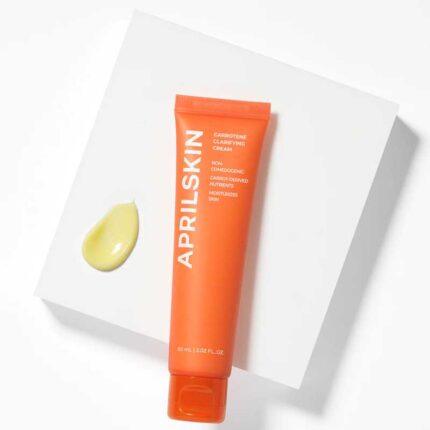 Sale
SaleOriginal price was: ৳ 1,960.00.৳ 1,370.00Current price is: ৳ 1,370.00.
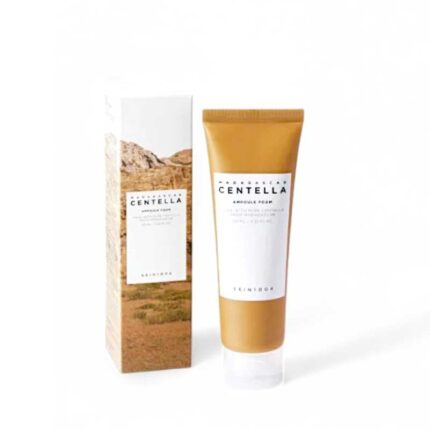 Sale
SaleOriginal price was: ৳ 460.00.৳ 320.00Current price is: ৳ 320.00.
 Sale
SaleOriginal price was: ৳ 2,080.00.৳ 1,456.00Current price is: ৳ 1,456.00.
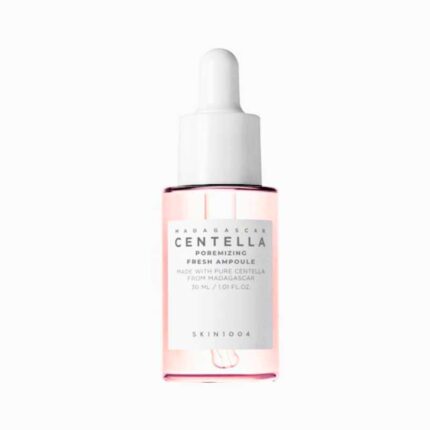 Sale
SaleOriginal price was: ৳ 1,080.00.৳ 756.00Current price is: ৳ 756.00.
How the peptide works on skin
The peptide targets neurotransmission-like signals at the neuromuscular junction. Dipeptide Diaminobutyroyl Benzylamide Diacetate competes with natural transmitters, causing milder muscle relaxation in tiny facial muscles. This means expression lines form less deeply over time with consistent use.
When applied topically, the peptide interacts at the skin surface and within the upper dermis. Research indicates topical peptides can reach target receptors that modulate micro-contractions. That is why many lab studies and cosmetic tests assess wrinkle depth before and after peptide use.
Mechanism explained in plain terms
First, the peptide binds where nerve signals trigger tiny muscle twitches. Next, the signal strength lowers, so repeated folding of skin softens. Finally, the skin appears smoother as lines lose depth with ongoing product use.
Relation to syn ake peptide ingredient
Many people compare this peptide to the so-called syn ake peptide ingredient that mimics snake venom proteins. Both act by reducing micro-contractions, yet their chemistry differs. While syn ake refers to a specific peptide family, Dipeptide Diaminobutyroyl Benzylamide Diacetate is a distinct laboratory-made compound that performs a similar cosmetic role.
Benefits for wrinkle reduction and texture
Users often seek a gentle alternative to injectables, and this peptide provides a topical route. Clinical reports suggest improvements in expression line visibility after regular topical application. Dermatologists recommend that patients combine peptides with sun protection for best outcomes.
Because peptides support skin signaling, they may improve texture and perceived firmness. Research indicates that combining peptides with moisturizing carriers yields more noticeable results. For example, pairing the peptide with a humectant and stabilizer tends to increase product effectiveness in trials.
Is it a wrinkle smoothing compound?
Yes, the peptide is widely marketed as a wrinkle smoothing compound in cosmetic labels. Companies call it a noninvasive option for softening expression lines. Still, realistic expectations help; topical peptides usually deliver subtle, gradual change rather than instant erasure.
When you choose products labeled with this peptide, look for evidence such as peer-reviewed studies or independent testing. Studies show that topical peptides often reduce wrinkle depth in controlled settings when applied consistently. That evidence helps set practical expectations for performance.
Daily skincare uses and application tips
Apply a peptide-containing serum after cleansing and before a moisturizer. That order helps active molecules sit close to the skin surface and work effectively. For best results, use peptides twice daily unless irritation occurs.
When combining actives, introduce new products slowly and monitor skin response. For example, when using strong exfoliants or retinoids, alternate nights or apply retinoids at night and peptides in the morning. This minimizes irritation while preserving benefits.
Concentration and formulation matters
Concentrations vary among brands and can affect performance. Research indicates that higher peptide concentration in a stable formula improves the chance of visible change. That is why product labels and ingredient lists can help you compare options.
Layering with other actives
Pair peptides with antioxidants and humectants for complementary benefits. Vitamin C, hyaluronic acid, and niacinamide often coexist without reducing peptide action. However, when using potent acids or retinoids, apply peptides at a separate time to avoid unnecessary irritation.
Picking the right product
Start by checking the ingredient list for a reputable concentration and placement near the top. That placement suggests a meaningful quantity rather than a trace amount. Consumers should also review texture, absorption speed, and any additional actives to ensure compatibility with their routine.
Because price does not always equal efficacy, look for third-party testing or published trial results. Reviews from verified users can indicate real-world tolerance and benefit. Research indicates that consumer reports align with clinical outcomes when products use stable peptide formulations.
Safety, side effects, and who should avoid it
Most people tolerate the peptide well, and irritation is uncommon. Still, patch testing new products reduces the chance of a reaction. Dermatologists recommend testing on a small area for 48 hours before full-face application.
If redness, swelling, or burning appears, stop use and consult a healthcare professional. Pregnant or breastfeeding people should consult a doctor before starting new active skincare. Studies on topical peptides during pregnancy are limited, so professional advice matters.
What science says: evidence and studies
Studies show topical peptides can reduce fine line depth and improve skin smoothness in controlled trials. Research indicates that consistent use over weeks yields measurable changes in wrinkle appearance. For example, some reports highlight statistically significant reductions in wrinkle metrics after regular application.
Still, study designs vary widely, and not all trials reach the same conclusion. That means reading study details matters, such as sample size, control groups, and study duration. Consumers should prefer products backed by transparent testing and reproducible results.
Comparing this peptide to injectables and other options
Topical peptides offer a noninvasive, lower-risk option compared with injections. Injectables like neuromodulators provide stronger, longer-lasting muscle relaxation. Yet many people choose topical peptides for gradual improvement without needles.
When weighing options, consider downtime, cost, and goals. Clinics can offer measurable reduction in muscle activity after an injection, while topical products require daily commitment. That difference explains why some users combine both approaches under professional guidance.
Formulation stability and shelf life
Peptides can degrade if formulas lack proper pH or preservatives. That is why manufacturers design stable vehicles and recommend storage away from heat and light. Consumers should note expiration dates and avoid products with compromised packaging.
When a serum separates, smell changes, or color darkens, stop use and discard the product. Research indicates that stability influences efficacy, so selecting brands with stability data is wise. This step helps ensure you receive the intended benefit from your product.
Common myths and realistic expectations
A frequent myth claims any peptide will produce dramatic results overnight. That expectation rarely matches evidence, as topical peptides produce gradual improvement. Realistic users see subtle smoothing over weeks rather than immediate erasure.
Because skin aging includes volume loss and sun damage, one peptide cannot address every concern. Combining sun protection, topical antioxidants, good hydration, and, when appropriate, in-office procedures produces the best overall outcome. That means a layered approach often yields the most visible results.
How to read ingredient lists
Look for the exact name Dipeptide Diaminobutyroyl Benzylamide Diacetate in the ingredient list rather than vague “peptides.” That presence confirms the specific molecule is in the formula. If listed in the top third of ingredients, the concentration is likely meaningful.
When brands use multiple peptides, check whether clinical data references the combined formula. Research indicates formulas tested together offer stronger evidence than extrapolating single-peptide results. For this reason, transparency about formulation and testing is a helpful buying signal.
Price versus value: what to expect
Higher price tags often reflect branding and packaging rather than higher peptide content. Yet some premium products include stabilized carriers and independent testing that add value. Consumers can find effective mid-range serums that perform well when ingredients and concentration match claims.
Because peer-reviewed testing can be costly, not every effective product will have published trials. Still, consumer testing and ingredient transparency help you assess likely value. That is why reading labels and user feedback helps make an informed purchase.
Real user experiences and timelines
Many users report mild visible smoothing within four to eight weeks of consistent use. Others notice improvement only after months, depending on baseline skin condition and product formulation. That variability reflects individual differences in skin biology and lifestyle factors.
Because sun exposure accelerates line formation, pairing the peptide with daily sunscreen enhances visible outcomes. Research indicates that preventing new damage supports long-term improvements achieved by active ingredients. This practical step helps preserve peptide-driven gains.
How to combine with professional treatments
Clinicians sometimes recommend topical peptides before or after in-office treatments to support recovery and maintain results. For example, peptides can complement microneedling or laser procedures when a practitioner approves concurrent use. As a result, peptides may help sustain smoother skin between treatments.
When planning combined approaches, discuss timing and product concentration with your provider. That conversation helps reduce irritation risk and optimizes outcomes. Derma professionals often tailor a plan based on skin type, sensitivity, and treatment goals.
Environmental and ethical considerations
Because the ingredient is synthetic, it does not rely on animal sourcing, which appeals to many shoppers. Brands may still vary in packaging sustainability and testing policies. Choosing companies with clear ethical statements reduces uncertainty about environmental and animal testing practices.
For shoppers who prefer cruelty-free products, verify brand claims through reliable certification labels. That step ensures your purchase aligns with personal values while offering the peptide benefits you seek. Transparent companies often publish manufacturing and sourcing information for review.
Buying checklist: what to look for
Choose a reputable brand that lists Dipeptide Diaminobutyroyl Benzylamide Diacetate clearly in ingredients. Prefer formulas with stabilizers and supporting actives such as humectants and antioxidants. That combination helps the peptide perform better and supports overall skin health.
Also check for independent testing, clear usage instructions, and an appropriate return policy. These practical factors signal that a brand stands behind its product. When in doubt, consult a dermatologist to align product choice with skin type and goals.
Cost-effective alternatives and complementary ingredients
If price is a concern, seek serums that combine lower-cost actives like hyaluronic acid with a reasonable peptide concentration. That pairing often improves skin hydration and texture while delivering some peptide benefit. Many affordable options balance cost and efficacy for daily use.
Complementary ingredients include antioxidants, barrier-repair ceramides, and niacinamide. Research indicates that these ingredients support skin resilience and can accentuate visible results from peptides. Using such combinations often yields a more complete routine effect than any single ingredient alone.
Regulation and labeling standards
Cosmetic regulations vary by region, and peptides typically fall under cosmetic ingredient rules. That means products do not require the same approvals as prescription drugs. Still, brands selling in regulated markets must meet safety and labeling requirements for consumer protection.
When companies make drug-like claims, regulatory agencies may intervene. For this reason, reliable brands frame results in cosmetic terms and present supporting evidence when possible. Consumers should be wary of products that promise medical outcomes without clear clinical backing.
Signs a product may not be effective
Products that list the peptide far down the ingredient list likely contain minimal amounts. That placement often leads to negligible benefit. Also, unstable formulations without preservatives or proper pH may fail to deliver the expected effect.
When independent testing and credible reviews are absent, proceed cautiously. Research indicates that transparency in formulation and testing correlates with better chances of efficacy. That connection helps shoppers avoid overpriced or underperforming items.
Common questions about longevity of results
Topical peptide results tend to fade when use stops, unlike some clinical procedures that offer longer-lasting change. Continued application maintains the smoothing effect, while discontinuation often returns skin to baseline over time. For many users, the peptide provides a maintenance option rather than a permanent fix.
Because lifestyle and sun exposure affect longevity, protective measures preserve gains. That is why daily sunscreen and gentle skincare help keep improvements in place. Combining ongoing peptide use with protective habits supports lasting, visible results.
Tips for storage and handling
Store peptide serums in a cool, dark place to slow degradation. Avoid leaving products in hot bathrooms or direct sunlight. If a formula comes in a dark glass bottle with a dropper, that packaging often supports stability and reduces oxidation.
When travel is necessary, use smaller sealed containers and keep them cool to protect ingredient integrity. That care helps ensure the peptide remains active throughout your routine. Always follow manufacturer instructions for best storage practices.
Signs of quality formulation
Quality formulas often display clear stability testing and list supportive humectants and antioxidants. That balance helps the peptide remain active and deliver observable effects. Additionally, brands that publish ingredient concentrations offer greater transparency for consumers.
When a product includes scientific references or third-party testing, consider that a positive sign. Studies show that transparent brands with supporting data tend to achieve more consistent consumer satisfaction. Therefore, prioritize formulations with open product information.
Frequently Asked Questions
How fast will I see results?
Many users notice subtle smoothing within four to eight weeks of regular use. Individual response varies with skin type, formula strength, and consistency of application.
Is Dipeptide Diaminobutyroyl Benzylamide Diacetate safe for sensitive skin?
The peptide is generally well tolerated, but sensitive skin can react to other formulation ingredients. Patch testing is recommended before full-face use to reduce risk.
Can I use this peptide with retinol or acids?
Yes, but introduce combinations slowly and monitor for irritation. Some people apply retinoids at night and peptides in the morning to avoid overlap and sensitivity.
Does this peptide replace Botox or injections?
Topical peptides offer gradual, mild smoothing and do not replicate injectable effects. For stronger, long-lasting muscle relaxation, clinical treatments remain more effective.
Final Thoughts
Dipeptide Diaminobutyroyl Benzylamide Diacetate offers a gentle, topical approach to reduce expression lines and improve surface texture. For most people, the single most important takeaway is to set realistic expectations and choose a stable, transparent product. Try a well-formulated serum with this peptide, pair it with sunscreen, and use it consistently for measurable, gradual smoothing results.