
Hydroxypropyl Cyclodextrin: Uses, Safety & Shopping Tips

Many shoppers see strange names on product labels and wonder what they mean. Hydroxypropyl Cyclodextrin appears in foods, supplements, and cosmetics, and people want clear answers fast. This guide explains what it does and why manufacturers use it.
What is Hydroxypropyl Cyclodextrin?
Hydroxypropyl Cyclodextrin is a modified sugar molecule made from starch. Chemists change the basic ring to make it more water friendly and safer to handle. As a result, it acts like a tiny carrier for other ingredients inside a formula.
Because it forms a ring with a hollow center, the molecule can hold small guest molecules. This means some oils and scents dissolve better in water when the compound is present. Studies show cyclodextrins often improve stability in liquid products.
Recommended Products

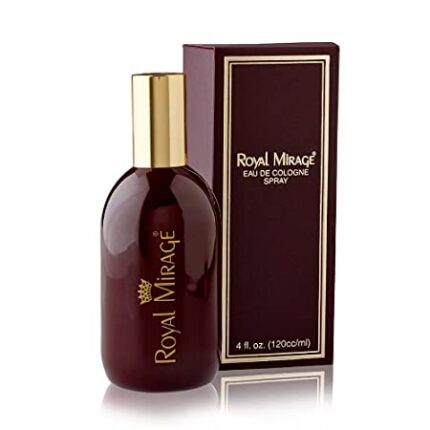
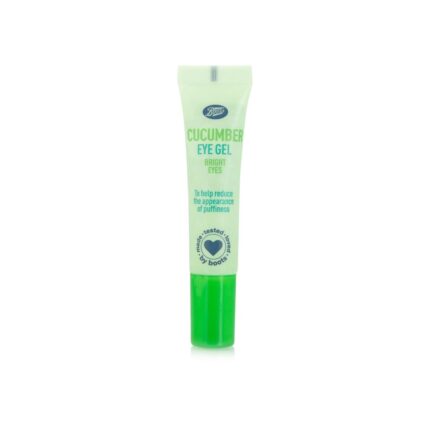 Sale
SaleOriginal price was: ৳ 700.00.৳ 550.00Current price is: ৳ 550.00.
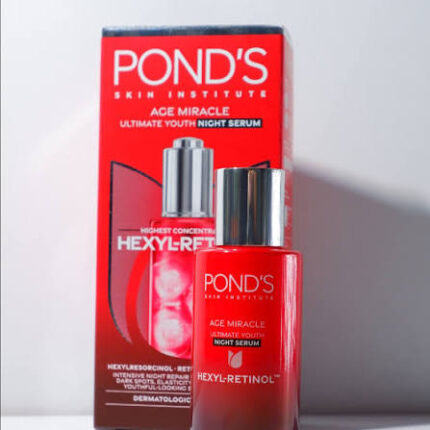 Sale
SaleOriginal price was: ৳ 2,000.00.৳ 1,950.00Current price is: ৳ 1,950.00.
How Hydroxypropyl Cyclodextrin works in products
When added to a formula, Hydroxypropyl Cyclodextrin surrounds unstable molecules. This prevents them from reacting with air or light. That action helps the product keep its potency for longer.
For example, a scent molecule may evaporate or oxidize. With Hydroxypropyl Cyclodextrin, that scent stays bound inside the ring. Research indicates this binding can slow breakdown and reduce odor loss.
Mechanism of action
The compound uses a host-guest interaction to trap molecules. Its outer surface likes water and its inner cavity prefers nonpolar molecules. This contrast helps it ferry ingredients into water-based mixes.
Formulation benefits
Formulators use Hydroxypropyl Cyclodextrin to improve clarity, solubility, and mouthfeel. That makes it common in drinks, topical creams, and oral tablets. As a stabilizing sugar compound, it keeps sensitive actives working.
Common uses across industries
Hydroxypropyl Cyclodextrin appears in foods, pharmaceuticals, cosmetics, and cleaning products. Companies use it to carry flavors, scents, vitamins, and drugs. This role often improves how a product performs.
In supplements, it can boost the bioavailability of certain compounds. For topical creams, it may reduce skin irritation by isolating the active ingredient. That is why many items list it among excipients or inactive carriers.
Food and beverage
Manufacturers add the compound to drinks to hold volatile flavors in solution. Because flavors stay locked in, they release more predictably when you taste them. Consumers get a more consistent flavor profile.
Cosmetics and personal care
In lotions and serums, Hydroxypropyl Cyclodextrin helps mix oils into watery bases. That prevents greasy feel and improves spread. Dermatologists recommend clear formulation practices when sensitive skin is a concern.
Benefits for shoppers
Buyers get longer shelf life and more reliable performance from products that contain Hydroxypropyl Cyclodextrin. The compound helps active molecules stay effective during transport and storage. That reduces waste and keeps results consistent.
For people who want predictable effects, this chemical often makes sense. Because it helps deliver actives where needed, users may notice fewer batches that underperform. When a product contains this ingredient, you can expect better ingredient stability.
Is Hydroxypropyl Cyclodextrin safe?
Regulators around the world have assessed cyclodextrins for safety in several uses. Studies show it has low toxicity at typical doses found in consumer products. Still, product labels may advise limits for infants or specific health conditions.
Doctors and toxicologists review the evidence and recommend safe use levels. For example, pharmaceutical forms use strict limits to avoid kidney stress in medical settings. When used in food or cosmetics, it usually appears at low concentrations.
Possible side effects and interactions
Most people tolerate Hydroxypropyl Cyclodextrin well. Rarely, high doses can cause mild digestive upset in sensitive individuals. If you have known allergies to related starch products, talk with a healthcare provider before use.
Because the compound can change how a drug dissolves, it may alter effects in some cases. For people on medication, discuss new supplements with a pharmacist. That avoids unintended changes in absorption or effect.
How Hydroxypropyl Cyclodextrin compares to other carriers
Other carriers include oils, emulsifiers, and plain sugars. Compared with oils, Hydroxypropyl Cyclodextrin improves water compatibility. That helps create clear drinks and thin creams without greasy residue.
Compared with basic sugars, it offers a structural cavity that traps molecules. In that role, it works more like a host than a simple sweetener. Researchers indicate it often outperforms plain saccharides in stabilizing volatile compounds.
Choosing products that contain Hydroxypropyl Cyclodextrin
As a shopper, read the ingredient list and check concentrations if available. For supplements, look for third-party testing that confirms purity. Brand transparency often signals better quality control.
When comparing items, notice whether the product lists the compound for delivery or stability. If a label mentions “improved solubility” or “stabilized flavor,” that often points to Hydroxypropyl Cyclodextrin use. Use this clue when you want consistent results.
How it affects product texture and feel
Hydroxypropyl Cyclodextrin can reduce greasiness in skin creams and improve clarity in liquids. That leads to lighter textures and faster absorption. Some users prefer formulas with a cleaner finish.
Because the compound can trap oils, it sometimes lowers sticky residue after application. For example, a hair serum may feel lighter and less oily if the ingredient is present. That improves everyday comfort when using personal care items.
Environmental and manufacturing considerations
Manufacturers make Hydroxypropyl Cyclodextrin from plant starch using controlled chemical steps. Recycling and waste from production depend on the facility and local rules. Many firms now follow greener methods to reduce solvents and energy use.
For buyers who care about sustainability, look for brands that report their supply chain practices. Some companies use renewable starch sources and cleaner processing. That choice can reduce the environmental footprint of the ingredient.
Cost and availability
The compound costs more than simple sugars but adds value to a product. Manufacturers balance price against performance gains like longer shelf life. That may raise retail prices slightly, but buyers often get more stable results from such products.
If you shop on a budget, compare small packages or wait for deals from trusted brands. Buying formulations that use Hydroxypropyl Cyclodextrin can still be economical if they reduce waste and extend usability. That becomes important for frequently used items.
Label reading: what to watch for
Look for exact names on ingredient panels to confirm presence of Hydroxypropyl Cyclodextrin. Sometimes labels list cyclodextrin subtypes or generic terms like modified cyclodextrin. If in doubt, consult product FAQs or manufacturer information.
For people with diet restrictions, check whether the product lists potential allergen traces. While the compound rarely causes allergies, cross-contamination can occur in shared facilities. That is why clear labeling matters for sensitive shoppers.
Active delivery ingredient: how it helps actives
Hydroxypropyl Cyclodextrin often acts as an active delivery ingredient in formulas. That means it can carry active molecules to their target more effectively. For supplements, this may mean better absorption and more consistent effects.
Because it improves solubility, it may speed the release of some actives into the body. Research indicates that delivery systems using cyclodextrins can enhance the performance of certain compounds. Consumers may notice stronger or more reliable outcomes when this ingredient is present.
Stabilizing sugar compound: what that term means
When manufacturers call Hydroxypropyl Cyclodextrin a stabilizing sugar compound, they refer to its origin and function. It starts from sugar units, and it stabilizes fragile molecules inside products. The result is fewer losses from oxidation or evaporation.
That role helps maintain flavor, potency, and fragrance. In many cases, the compound replaces heavier stabilizers and gives a cleaner product profile. For shoppers who value natural textures, this can be a key benefit.
Myths and facts about Hydroxypropyl Cyclodextrin
Myth: It is a harmful synthetic chemical. Fact: It is derived from starch and widely studied for safety. Regulators approve its use in several product categories. That should reassure cautious buyers.
Myth: It changes the taste of products. Fact: It usually protects and stabilizes flavor rather than altering it. This means that flavors remain closer to the original formulation over time.
When to avoid products with Hydroxypropyl Cyclodextrin
People with severe starch allergies should check labels carefully. For those with kidney issues or on strict medical therapies, consult a clinician before starting new supplements that rely on delivery enhancers. That helps prevent interactions or unexpected effects.
If a product lacks clear dosing or testing information, you may prefer an alternative with transparent third-party results. Quality reporting can limit risks and ensure the ingredient performs as intended. That is a prudent approach for sensitive users.
How researchers study Hydroxypropyl Cyclodextrin
Laboratory tests measure binding strength, solubility, and release rates for guest molecules. Studies show the compound can increase water solubility for many poorly soluble actives. Scientists also test for irritation and metabolic effects in models that simulate human exposure.
Clinical trials sometimes compare formulations with and without the compound to judge performance. Research indicates benefits in select cases, such as increased bioavailability for certain drugs. That evidence helps manufacturers design better products.
Tips for using products that contain Hydroxypropyl Cyclodextrin
Store items away from heat and light to preserve bound actives. Keep dry products sealed to avoid moisture uptake. These simple steps extend shelf life and maintain product quality.
When using topical products, test a small patch of skin first if you have sensitive skin. For oral supplements, follow recommended dosing and discuss new additions with your healthcare provider. These habits reduce the chance of side effects.
Common formulations and examples
Examples include clear beverage mixes, fragrance sprays, oral tablets, and topical serums. Each uses Hydroxypropyl Cyclodextrin in a slightly different way, but the goal remains the same. Manufacturers aim to keep actives stable and more effective for users.
In drinks, it can stop flavor loss during storage. In creams, it improves texture and reduces greasiness. A wide range of consumer goods now benefit from its stabilizing properties.
Regulatory status and labeling
Regulatory bodies evaluate cyclodextrins for safety in specific uses. Many agencies allow Hydroxypropyl Cyclodextrin in food, cosmetics, and drug formulations at set limits. That framework ensures manufacturers follow safe dosage and purity guidelines.
Labels should list the ingredient by its proper name or recognized abbreviation. If you need more detail, contact manufacturers for safety data sheets. Responsible brands often provide those documents on request.
Future trends and innovations
Researchers explore new cyclodextrin derivatives to boost performance and reduce cost. That work may expand uses in drug delivery and green chemistry. Because the compound improves solubility, innovators see room to refine its binding and release features.
As brands focus on cleaner labels, expect more transparent reporting about ingredient sources. That change helps shoppers choose products that match their values. For many buyers, this means a clearer view of what they buy.
Frequently Asked Questions
Is Hydroxypropyl Cyclodextrin safe to eat?
Most regulators consider it safe at the low levels used in foods. Studies show low toxicity in standard dietary amounts. If you have concerns, speak with a nutritionist or doctor.
Will it make my skin react?
Most people do not experience irritation from Hydroxypropyl Cyclodextrin. Patch testing can help if you have sensitive skin. Consult a dermatologist for severe reactions.
Does it change how medicines work?
It can affect how some drugs dissolve and enter the body. That is why pharmacists check for interactions. Tell your provider if you take supplements with delivery enhancers.
How do I find products that use it?
Read ingredient labels for Hydroxypropyl Cyclodextrin or modified cyclodextrin. Brand FAQs and product sheets often list formulation reasons. Look for transparency and third-party testing for extra assurance.
Final Thoughts
Hydroxypropyl Cyclodextrin serves as a practical stabilizer and carrier in many consumer products. The single most important takeaway is that it helps preserve and deliver active ingredients while generally posing low risk when used properly. For smart shopping, choose brands that disclose concentrations and third-party test results so you get reliable performance.