
PPG-15 Stearyl Ether: Uses, Safety & Benefits

Dry, sticky lotion can ruin a good skincare routine. Many shoppers ask what ingredients make a cream glide rather than drag, and PPG-15 Stearyl Ether often appears on labels. This ingredient helps products feel smooth while acting as an emollient and solvent for other ingredients.
What is PPG-15 Stearyl Ether?
PPG-15 Stearyl Ether is a synthetic compound used in cosmetics and personal care items. Manufacturers add it to formulas to soften skin feel and to help mix oil- and water-based ingredients.
Research indicates that compounds like PPG-15 Stearyl Ether help stabilize lotions and creams during storage and use. Dermatologists often list such ingredients when they advise on mild formulations for normal or dry skin.
Recommended Products
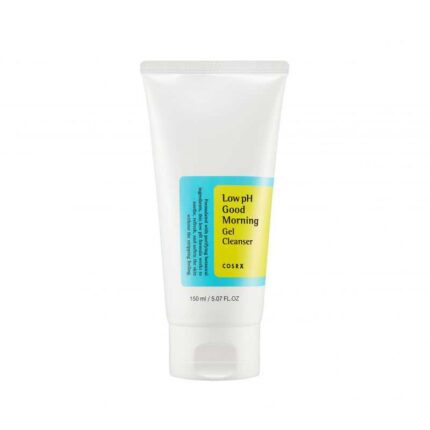 Sale
SaleOriginal price was: ৳ 1,500.00.৳ 1,190.00Current price is: ৳ 1,190.00.

৳ 5,480.00
How PPG-15 Stearyl Ether works in products
When formulators design a cream, they choose ingredients that help texture, spreadability, and ingredient compatibility. PPG-15 Stearyl Ether performs several roles that support those properties in clear ways.
Because this molecule has both oil-friendly and water-friendly parts, it helps mix ingredients that would otherwise separate. That means the formula stays uniform on the skin and transfers ingredients evenly.
As an emollient
As an emollient, PPG-15 Stearyl Ether helps skin feel softer and smoother after application. Studies show emollients reduce transepidermal water loss by forming a light, breathable layer on the skin.
As a solvent
Manufacturers also use PPG-15 Stearyl Ether as a solvent for some actives and fragrances. For example, it dissolves oily ingredients that do not mix well with water, improving clarity and feel.
As a texture enhancing compound
As a texture enhancing compound, PPG-15 Stearyl Ether reduces tackiness and creates a silky finish. When applied, the skin often feels less greasy and absorbs faster than with heavy oils.
Benefits for skin and formulas
Many consumers prefer moisturizers that add hydration without leaving a heavy film. PPG-15 Stearyl Ether gives a light emollient feel while keeping formulas stable and easy to apply.
For example, facial moisturizers that include this ingredient tend to spread evenly and leave skin feeling smooth. That is why it appears in products aimed at both morning and evening routines.
Research indicates that the ingredient supports product longevity, which means creams hold their texture over weeks of use. As a result, you get consistent performance until the product is finished.
Safety and testing basics
Regulatory bodies require safety data for cosmetic ingredients before widespread use. Studies show that many ether-type emollients have low irritation potential when used at typical cosmetic levels.
Dermatologists recommend patch testing a new product if you have sensitive skin or known allergies. If redness or itching appears, stop use and consult a healthcare professional.
Although PPG-15 Stearyl Ether is not unheard of in formulas, research and safety testing guide its recommended concentrations. Manufacturers list it on labels, so shoppers can check product contents before buying.
Common product types that contain it
Look for PPG-15 Stearyl Ether in creams, lotions, serums, and some foundations or primers. Its texture benefits make it common in products that aim for a silky or lightweight finish.
Hair conditioners and styling products sometimes include the ingredient to smooth hair cuticles and reduce frizz. That use reflects its emollient and solvent behavior in oil-rich systems.
Creams and lotions
Creams with PPG-15 Stearyl Ether usually feel less heavy than those relying on thick oils. When you want day creams that layer under makeup, formulas containing this ingredient can be a good choice.
Makeup and primers
Makeup primers that list PPG-15 Stearyl Ether seek to create a slip that helps products spread and set evenly. This means foundation can apply more smoothly and last longer on the skin.
Hair care
Hair products use the ingredient to provide lightweight conditioning and shine without weighing hair down. Shampoos rarely include it, but many conditioners and leave-ins do.
How to read labels and pick the right product
When shopping, check the ingredient list near the bottom of the box or jar. PPG-15 Stearyl Ether appears exactly as written, so you can spot it quickly among other emollients.
Since the ingredient acts as an emollient solvent ingredient, you should consider your skin type and product goals. For oily skin, pick lightweight formulas; for dry skin, choose richer mixes that pair PPG-15 Stearyl Ether with humectants.
If you have acne-prone skin, look for products labeled non-comedogenic and test a small area first. That approach helps you avoid potential breakouts from the overall formula.
Comparing PPG-15 Stearyl Ether with other emollients
Consumers often compare this ingredient with heavier oils like mineral oil or plant butters. PPG-15 Stearyl Ether tends to give a lighter feel and faster absorption than some oils.
While some natural oils provide deep conditioning, PPG-15 Stearyl Ether blends more easily with water phases. That means it can make lighter lotions that still deliver slip and smoothness.
As a texture enhancing compound, it works well in leave-on products where a non-greasy finish matters. That is why many day creams and primers include it in their blends.
Formulation notes for curious shoppers
Cosmetic formulators choose PPG-15 Stearyl Ether when they need balance between feel and function. It helps lift oils into the formula without making products heavy or sticky.
Because it mixes well with both oily and watery components, formulators use it to stabilize emulsions. That reduces the chance of separation, which helps products remain effective and attractive.
Stability and shelf life
When included in the right amounts, PPG-15 Stearyl Ether can improve a product’s shelf performance. Manufacturers perform stability tests to confirm this effect under standard conditions.
Scent and color behavior
PPG-15 Stearyl Ether does not add scent or strong color, so it preserves a formula’s intended fragrance and appearance. For that reason, perfumers and colorists can design the product without major interference.
Sustainability and sourcing
Consumers often ask about sustainability when choosing skincare. PPG-15 Stearyl Ether is a synthetic ingredient, and its environmental footprint depends on manufacture and disposal practices.
Some brands now disclose sourcing practices and carbon reduction goals for their supply chains. When sustainability matters to you, check a brand’s policy pages or look for clear statements on packaging.
Allergy and sensitivity considerations
Allergic reactions to cosmetics can come from many ingredients, including fragrances and preservatives. PPG-15 Stearyl Ether rarely causes irritation, but individual responses vary.
That is why patch testing a new product on the inner wrist or behind the ear before full use is a practical step. If irritation develops, discontinue use and seek medical advice if needed.
Label terms that relate to PPG-15 Stearyl Ether
Manufacturers sometimes use shorthand like “PPG” or “Stearyl Ether” in technical sheets and supplier descriptions. The full name on the box remains PPG-15 Stearyl Ether for consumer clarity.
Because ingredient lists can be long, use your phone to search for any unfamiliar names while shopping. That means you can decide quickly whether a product fits your preferences.
Myths and facts
Myth: Synthetic means harmful. Fact: Many synthetic ingredients are safe when tested and used properly. Safety relies on dose and exposure rather than whether the compound is natural or man-made.
Myth: All emollients clog pores. Fact: Some emollients are non-comedogenic and work well for acne-prone skin. Look for product claims and independent reviews when in doubt.
Price and availability
Products with PPG-15 Stearyl Ether appear across price ranges, from drugstore lotions to higher-end serums. The ingredient itself adds modest cost, so brands mix it with other actives based on price and target market.
When shopping, compare ingredient lists rather than price alone to find a product that meets your needs. Reviews and trial sizes can help you test products without commitment.
Questions about combining ingredients
Some active ingredients react poorly with oils, but PPG-15 Stearyl Ether can help those actives mix into a stable product. Still, formulators must test combinations to ensure potency and safety.
For home layering of products, apply the lightest formula first and wait a minute before adding heavier creams. That technique improves absorption and reduces pilling during application.
When to avoid products with this ingredient
If you prefer all-natural formulations, you may avoid synthetic ethers and similar compounds. That choice is personal and can align with your broader product values.
Also, if you know you react to a specific solvent or emollient family, check labels carefully and choose alternatives. Some brands offer plant-based substitutes with similar feel.
Questions to ask customer service or a dermatologist
Ask whether a product is tested for irritation and what percentage of the ingredient is used. That information helps you compare potential effects on sensitive skin.
Also, request a list of similar products or recommended trial sizes to reduce waste. A helpful brand will provide guidance for safe testing and switching routines.
Real-world tips for trying products
Start with a sample or travel size if available, so you can test the product for a week or two. Most reactions appear within that time frame, which gives you a clear sense of tolerance.
Store products as directed, usually away from direct heat and sunlight, to protect the formula. Proper storage keeps PPG-15 Stearyl Ether and other ingredients stable and effective.
Frequently Asked Questions
Is PPG-15 Stearyl Ether safe for all skin types?
Most people tolerate PPG-15 Stearyl Ether well, and research shows low irritation risk at normal cosmetic concentrations. However, if you have sensitive skin, patch test a product before full use.
Will PPG-15 Stearyl Ether clog pores?
PPG-15 Stearyl Ether is generally lightweight and less likely to clog pores than heavy oils. Look for non-comedogenic labels and avoid products with many pore-clogging ingredients if you break out easily.
Does this ingredient make products feel greasy?
On the contrary, PPG-15 Stearyl Ether often reduces greasiness and gives a silky finish. Formulas that combine it with certain oils can still feel richer, so check product descriptions for texture notes.
Can I use products with this ingredient on my hair?
Yes, many conditioners and leave-in hair products include PPG-15 Stearyl Ether for smoothing benefits. If your hair is fine, choose lightweight formulations to avoid buildup over time.
Final Thoughts
PPG-15 Stearyl Ether often delivers a lightweight, smooth feel while helping formulas stay stable and perform reliably. For shoppers who want non-greasy moisturizers or silky makeup primers, try products that list PPG-15 Stearyl Ether and test a small amount first. Choose a sampler or travel size when possible to confirm fit with your skin and routine.