
Tinosorb S: Your Guide to Advanced Sun Protection

The sun’s rays can cause significant skin damage. This ranges from premature aging to more serious health concerns. Protecting your skin effectively is very important. Tinosorb S offers a superior solution for sun defense.
What is Tinosorb S? Understanding Bemotrizinol
Tinosorb S is a cutting-edge UV filter. Its chemical name is bis-ethylhexyloxyphenol methoxyphenyl triazine. Many people know it by its common name, bemotrizinol sunscreen ingredient. It provides advanced protection against sun damage. This ingredient is gaining popularity.
This organic compound is highly effective. It absorbs a wide range of ultraviolet light. It stands out in the world of sun protection. Its unique properties make it a top choice. Skincare formulators highly value it.
Chemical Composition and Stability
Tinosorb S boasts an impressive molecular structure. This structure allows it to absorb UV light efficiently. It converts harmful UV radiation into heat. The molecule then releases this heat safely. This process prevents damage to skin cells.
A key advantage of Tinosorb S is its photostability. Many traditional UV filters degrade quickly. They lose their effectiveness when exposed to sunlight. Tinosorb S remains stable over time. It offers consistent protection for hours. This makes it a reliable choice.
A Newer Generation UV Filter
Tinosorb S represents a new generation of sunscreen technology. It is a modern organic filter. Older filters often had limitations. They might not cover the full UV spectrum. They could also break down more easily. Tinosorb S overcomes these issues.
It was developed with advanced science. This broad spectrum UV filter provides comprehensive coverage. It protects against both UVA and UVB rays. This dual protection is crucial. It helps prevent various forms of sun damage. Choosing newer filters helps you stay safe.
Recommended Products
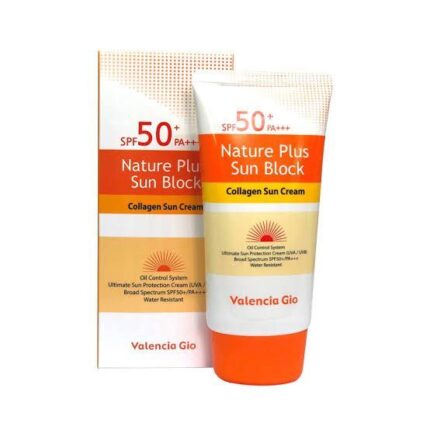
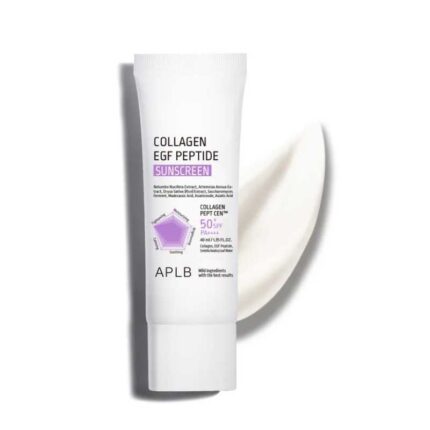 Sale
SaleOriginal price was: ৳ 1,260.00.৳ 882.00Current price is: ৳ 882.00.
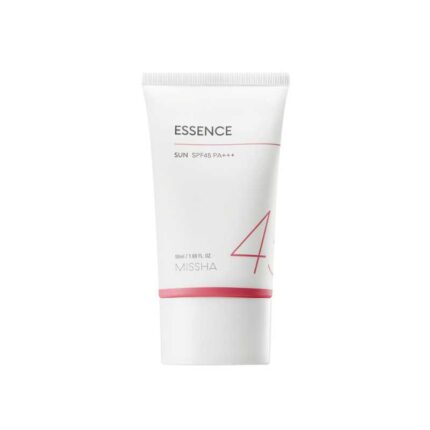 Sale
SaleOriginal price was: ৳ 1,290.00.৳ 903.00Current price is: ৳ 903.00.
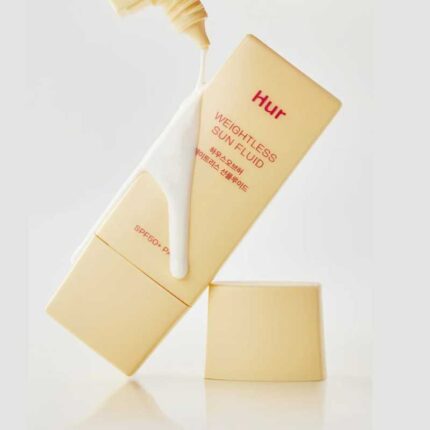 Sale
SaleOriginal price was: ৳ 2,480.00.৳ 1,736.00Current price is: ৳ 1,736.00.
How Tinosorb S Delivers Superior Sun Protection
Tinosorb S works diligently to shield your skin. It operates as a chemical sunscreen agent. It absorbs UV radiation upon contact. This absorption prevents the rays from penetrating skin. Skin cells remain protected from harm.
This process is very efficient. Tinosorb S covers a broad spectrum. It handles both short and long UVA wavelengths. It also manages UVB rays. This comprehensive action is vital for defense. It helps keep your skin healthy.
Absorbing UVA and UVB Rays
UVA rays contribute to premature skin aging. They can cause wrinkles and dark spots. They also play a role in skin cancer development. Tinosorb S absorbs these deeply penetrating rays. This absorption prevents their harmful effects. It keeps your skin youthful.
UVB rays are primarily responsible for sunburn. They are also a major cause of skin cancer. Tinosorb S actively absorbs these rays. This prevents the immediate damage of sunburn. It also reduces long-term risks. Your skin stays safer with this filter.
Photostability Explained
Many chemical sunscreens become less effective. They do this after prolonged sun exposure. This is due to photodegradation. Tinosorb S does not suffer from this problem. It maintains its structure and effectiveness. It provides lasting sun protection.
Research indicates Tinosorb S is highly photostable. It does not break down when exposed to UV light. This stability means your sunscreen works harder. It offers consistent defense throughout the day. You get reliable protection with Tinosorb S. This property is highly beneficial.
Synergistic Effects with Other Filters
Tinosorb S works well with other sunscreen ingredients. It can stabilize less stable filters. Avobenzone is a common example. It often degrades in sunlight. Tinosorb S helps keep avobenzone effective. This creates a more robust sunscreen.
When combined, filters offer enhanced protection. A blend often provides better coverage. It can also improve the overall SPF. This synergistic effect is a key benefit. It leads to more effective sunscreen formulas. This allows for superior skin care.
The Many Benefits of Choosing Sunscreens with Tinosorb S
Sunscreens containing Tinosorb S offer numerous advantages. They provide highly effective protection. They also contribute to skin health. These benefits make it a preferred choice. Many dermatologists recommend it.
Its robust profile helps maintain skin integrity. It minimizes sun-induced damage. It is suitable for various skin types. This versatility makes it widely applicable. It helps many people protect their skin.
Excellent Broad-Spectrum Coverage
Tinosorb S is known for its wide coverage. It protects against both UVA and UVB rays. This is critical for complete sun defense. Many traditional sunscreens only protect against one type. Tinosorb S covers the entire spectrum.
This broad-spectrum capability helps prevent multiple issues. It guards against sunburn and photoaging. It also lowers the risk of skin cancer. Choosing a product with this bemotrizinol sunscreen ingredient ensures comprehensive safety. It gives peace of mind.
Gentle on Sensitive Skin
Sensitive skin types often struggle with sunscreens. Some ingredients can cause irritation. Tinosorb S is generally well-tolerated. It is non-irritating for most users. Its gentle nature makes it suitable for delicate skin.
Studies show low rates of sensitization. This means fewer allergic reactions occur. It is a good option for daily use. People with reactive skin can often use it. This broad spectrum UV filter offers comfort and protection. Your skin feels good.
Non-Irritating and Photo-Allergenic Properties
Beyond being gentle, Tinosorb S is also not photo-allergenic. Some substances can cause allergic reactions. This happens when they react with sunlight. Tinosorb S does not exhibit these properties. It is safe for sun exposure.
This factor is especially important. It matters for long-term use. Daily application should not cause problems. Tinosorb S helps keep your skin calm. It provides protection without unnecessary reactions. This ingredient truly cares for your skin.
Water Resistance Enhancement
Formulations with Tinosorb S often boast better water resistance. The ingredient itself is oil-soluble. This property helps it adhere to skin. It creates a more durable protective layer. This layer resists washing off.
This benefit is crucial for active individuals. Swimmers and athletes need reliable protection. Sunscreens with Tinosorb S stay on longer. They provide sustained defense during water activities. This ensures continuous safety. You can play more freely.
Tinosorb S vs. Other Popular UV Filters: A Comparison
The world of sunscreens includes many different filters. Each has unique characteristics. Understanding these differences helps in selection. Tinosorb S offers distinct advantages. It often outperforms other options.
Comparing it to older filters highlights its strengths. Its stability and broad coverage are notable. This advanced filter stands apart. It represents significant progress. Consumers benefit from these innovations.
Mineral Filters: Zinc Oxide and Titanium Dioxide
Mineral filters include zinc oxide and titanium dioxide. They work by creating a physical barrier. This barrier reflects and scatters UV rays. They are effective and generally safe. Many people prefer them for sensitive skin.
However, mineral filters can sometimes leave a white cast. This is especially true with higher concentrations. Tinosorb S offers a clear application. It does not alter skin tone. It blends seamlessly into the skin. This is a cosmetic advantage.
Chemical Filters: Oxybenzone and Avobenzone
Older chemical filters like oxybenzone absorb UV light. They convert it into heat. Some of these filters have raised concerns. This includes potential skin irritation. Environmental impact is also a worry.
Avobenzone provides excellent UVA protection. It is a good chemical filter. But it is known for its photounstability. It degrades quickly in sunlight. Tinosorb S helps stabilize avobenzone. It makes it work better. This enhances overall protection.
Why Tinosorb S Stands Out
Tinosorb S combines the best of both worlds. It offers broad-spectrum protection like mineral filters. It also provides a clear finish. It absorbs UV light efficiently. It does not leave a visible layer.
Its photostability is a major differentiator. Unlike many older chemical filters, it stays effective. This consistent performance is very valuable. It provides reliable and lasting defense. This bemotrizinol sunscreen ingredient is truly advanced. It sets a high standard.
Safety Profile and Global Approval of Tinosorb S
The safety of sunscreen ingredients is paramount. Tinosorb S has undergone extensive testing. It has a strong safety record. Regulatory bodies worldwide have approved it. This speaks to its reliability.
Consumers can feel confident using products with Tinosorb S. Its stable nature contributes to its safety. It does not penetrate deeply into skin. It remains on the skin’s surface. This minimizes systemic absorption.
Research and Dermatological Consensus
Many scientific studies support Tinosorb S. Research consistently shows its efficacy and safety. Dermatologists often recommend it. They consider it a top-tier UV filter. Its use is widespread in Europe.
Expert consensus highlights its benefits. Its photostability is particularly praised. Its broad spectrum UV filter capabilities are unmatched. This makes it a preferred choice among professionals. They trust its performance.
Regulatory Status Around the World
Tinosorb S enjoys broad regulatory approval. It is widely used in Europe. It is also approved in Australia and Asia. These regions have strict sunscreen regulations. Its inclusion indicates high safety standards.
In the United States, approval processes are ongoing. The FDA reviews new sunscreen ingredients carefully. While not yet approved in the US, many seek products with it. They import from other markets. Global acceptance underlines its reliability.
Environmental Considerations
The environmental impact of sunscreens is a growing concern. Studies are examining marine ecosystems. Some older filters have shown adverse effects. Research into Tinosorb S continues.
Preliminary data suggests Tinosorb S has a good environmental profile. It appears to be less impactful than some alternatives. This is an important consideration for many users. Choosing eco-friendlier options matters. This bemotrizinol sunscreen ingredient aligns with those values.
Integrating Tinosorb S into Your Daily Skincare Routine
Adding Tinosorb S sunscreen is simple. It should be the final step in your routine. Apply it after all other skincare products. This ensures maximum protection. It creates an effective barrier.
Consistency is key for optimal results. Make sunscreen a daily habit. Even on cloudy days, UV rays are present. Protecting your skin every day is vital. Tinosorb S helps you do this effectively.
Identifying Products with Tinosorb S
Check the ingredient list when buying sunscreen. Look for “Bis-Ethylhexyloxyphenol Methoxyphenyl Triazine.” This is the official name for Tinosorb S. It is usually listed toward the beginning of the list. This indicates a good concentration.
Many brands now feature this ingredient. Especially European and Asian brands. They often highlight its presence. Choosing these products ensures advanced protection. You can easily find options. This broad spectrum UV filter is becoming more common.
Proper Sunscreen Application Techniques
Apply sunscreen generously to all exposed skin. Use enough to form a visible layer. A general rule is two finger-lengths for the face. Don’t forget areas like ears and neck. These spots are often overlooked.
Rub it in thoroughly until absorbed. Allow it to set for a few minutes. This ensures even coverage. It helps the sunscreen bind to your skin. Proper application enhances its effectiveness. This step is crucial.
Reapplication and Consistency
No sunscreen lasts all day. Reapplication is essential for continuous protection. Apply every two hours when outdoors. This is especially important after swimming or sweating. Fresh application maintains defense.
Make sun protection a non-negotiable part of your day. Sun damage accumulates over time. Consistent use of Tinosorb S minimizes this risk. It safeguards your skin’s long-term health. Be diligent with your application.
The Science Behind UV Radiation and Skin Damage
Understanding UV radiation helps explain protection needs. Sunlight contains different types of UV rays. Each type affects skin uniquely. Knowing these effects is important. It informs your sunscreen choices.
The sun emits both UVA and UVB radiation. Both contribute to skin damage. Protecting against both is essential. This is why a broad spectrum UV filter like Tinosorb S is so valuable. It covers all bases.
Understanding UVA Rays
UVA rays penetrate deeply into the skin. They reach the dermis layer. They contribute significantly to photoaging. This includes wrinkles, fine lines, and sagging skin. They damage collagen and elastin fibers.
UVA rays are present all year round. They can even penetrate clouds and glass. This means protection is needed indoors too. Tinosorb S provides excellent UVA defense. It helps prevent long-term damage. Your skin stays smoother.
Understanding UVB Rays
UVB rays primarily affect the outer layer of skin. They are the main cause of sunburn. They also play a significant role in skin cancer. Their intensity varies by season and time of day. They are strongest in summer.
These rays can cause immediate visible damage. They trigger DNA mutations in skin cells. Tinosorb S effectively absorbs UVB rays. It prevents these direct harmful effects. It keeps your skin safe from burns. This reduces skin cancer risks.
The Dangers of Unprotected Sun Exposure
Prolonged exposure to UV radiation is dangerous. It can lead to various skin conditions. These range from mild to severe. Sunburn is a common immediate effect. It causes pain and redness.
Long-term effects include premature aging. Skin cancer, including melanoma, is a major risk. Immune system suppression can also occur. Protecting your skin is therefore not just cosmetic. It is a critical health measure. Tinosorb S helps mitigate these risks.
Frequently Asked Questions
Is Tinosorb S safe for daily use?
Yes, Tinosorb S is considered very safe for daily use. It is photostable and well-tolerated. This makes it an excellent choice for consistent sun protection. Many global regulatory bodies approve it.
Does Tinosorb S leave a white cast?
No, Tinosorb S is known for its clear application. It does not leave a noticeable white cast. This is a common issue with some mineral sunscreens. It blends invisibly into all skin tones.
How often should I reapply sunscreen with Tinosorb S?
Reapply sunscreen with Tinosorb S every two hours. Do this when outdoors or after swimming. This maintains effective sun protection. It ensures continuous defense against UV rays.
Can children use sunscreens containing Tinosorb S?
Sunscreens with Tinosorb S are generally safe for children. Always check the specific product label first. Consult a pediatrician for very young children. This ensures the best care for their delicate skin.
Final Thoughts
Protecting your skin from the sun is a lifelong commitment. Selecting the right ingredients makes a big difference. Tinosorb S stands out as a superior choice. It offers advanced protection against harmful UV rays. This bemotrizinol sunscreen ingredient represents a leap forward in sun care technology. Make a sunscreen with Tinosorb S a core part of your daily routine for healthier, safer skin.