
Kaolinite: Discover This Versatile Clay Mineral

Many people search for effective, natural solutions for skin issues. They want gentle remedies for various concerns. Understanding Kaolinite can offer many answers. This unique clay mineral provides surprising benefits. It helps improve skin appearance and health.
Understanding Kaolinite: A Natural Clay Mineral Ingredient
Kaolinite is a soft, earthy, white clay mineral. It forms naturally through the weathering of aluminum silicate minerals. Its name comes from Kao-ling, a mountain in China. This mountain is a historic source of the mineral. Kaolinite is a prominent clay mineral ingredient worldwide.
How Kaolinite Forms in Nature
Kaolinite develops from the decomposition of feldspar. Feldspar is a common mineral. Water and acidic conditions break it down. This slow process creates kaolinite deposits. These deposits are found in many places globally. They are often near volcanic areas or hydrothermal vents.
Weathering is key to its formation. Rainwater helps remove soluble components. This leaves behind the insoluble kaolinite. Over long periods, significant deposits form. They create the raw material used today.
The Unique Physical Properties of Kaolinite
Kaolinite has a distinctive layered structure. Its crystals are very tiny. This structure gives it unique properties. It feels smooth and soft to the touch. This mineral has a low shrink-swell capacity. This means it changes size very little when wet or dry. This stability is important for its uses.
The fine particle size of kaolinite is another key feature. Its small particles create a large surface area. This large area enables strong absorption. It helps draw out impurities effectively. These properties make it highly valued.
Different Types and Grades of Kaolin Clay
Not all kaolin is identical. There are different grades based on purity. Cosmetic-grade kaolin is highly refined. It undergoes strict processing. This removes contaminants for safety. Industrial grades might be less pure. They are used in various manufacturing processes.
White kaolin is the most common form. However, other colors exist. Pink kaolin contains natural iron oxides. Yellow kaolin also has these colorants. These variations offer slight differences in use. The core benefits remain similar.
Recommended Products
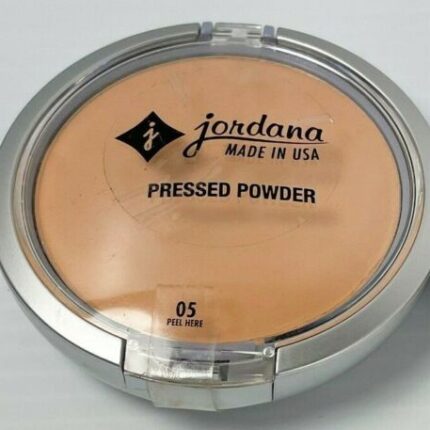 Sale
SaleOriginal price was: ৳ 720.00.৳ 650.00Current price is: ৳ 650.00.

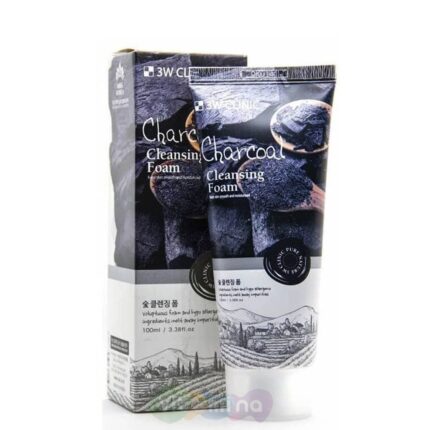 Sale
SaleOriginal price was: ৳ 850.00.৳ 520.00Current price is: ৳ 520.00.
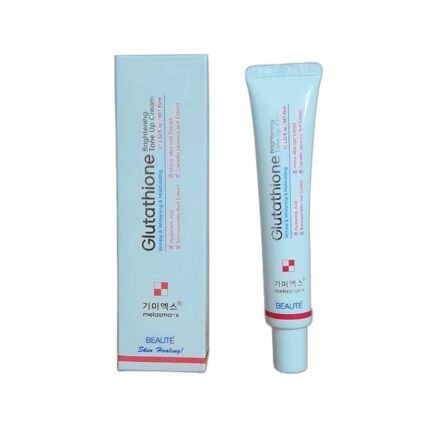 Sale
SaleOriginal price was: ৳ 1,250.00.৳ 950.00Current price is: ৳ 950.00.
The Extensive Skincare Benefits of Kaolinite
Kaolinite has become a staple in modern skincare. Its gentle yet powerful properties make it popular. It suits many skin types. It offers solutions for various concerns. Its natural origin adds to its appeal. Many people prefer natural ingredients.
Kaolinite as an Oil Absorbing Compound
One of kaolinite’s primary strengths is its ability to absorb oil. It acts as an excellent oil absorbing compound. This is crucial for oily and acne-prone skin. It soaks up excess sebum. This helps to reduce shine. It also prevents clogged pores.
Unlike some harsher clays, kaolinite is gentle. It absorbs oil without stripping the skin. The skin maintains its natural moisture. This prevents over-drying. Over-drying can lead to more oil production. Studies show kaolinite helps manage excess sebum effectively.
Its Role in Gentle Exfoliation
Kaolinite offers mild physical exfoliation. Its fine particles gently buff the skin surface. This removes dead skin cells. The skin appears smoother and brighter. This process is not abrasive. It is suitable for sensitive skin. Regular use improves skin texture.
Many exfoliants can irritate delicate skin. Kaolinite provides a kinder alternative. It helps unclog pores gently. This reduces the risk of breakouts. The skin receives a soft polish. This enhances its natural glow.
Soothing Properties for Sensitive Skin
This clay is known for its soothing effects. It is ideal for sensitive or irritated skin. It calms redness and inflammation. Many dermatologists recommend it. They suggest it for its mild nature. It does not cause further irritation. This makes it a safe choice.
The mineral helps reduce skin discomfort. It creates a protective layer. This barrier shields the skin. It helps to alleviate stress on the skin. People with reactive skin often find relief. It promotes a more balanced complexion.
Detoxification and Impurity Removal
Kaolinite possesses strong detoxification capabilities. It draws out impurities from the pores. These include dirt, toxins, and pollutants. The large surface area of its particles traps them. This leaves the skin feeling clean. It helps purify the complexion.
Regular use helps to clear the skin. It supports a healthy skin barrier. The removal of impurities can minimize pore appearance. This contributes to a fresh look. Research indicates kaolinite can bind to various substances. This makes it a powerful cleanser.
Kaolinite in Modern Cosmetic Formulations
The versatility of Kaolinite makes it a prized ingredient. It appears in countless beauty products. Its natural origins and efficacy appeal to consumers. Formulators appreciate its easy integration. It enhances product performance across categories.
The Popularity of Kaolinite in Face Masks
Clay masks are a classic use for kaolinite. It forms a smooth paste when mixed with water. This paste applies easily to the face. As it dries, it gently tightens the skin. This drawing action helps cleanse pores. Many commercial masks feature kaolinite. It provides a purifying experience.
Different mask formulations exist. Some combine kaolinite with other clays. Others add botanical extracts. These combinations target specific skin concerns. The gentle nature of kaolinite ensures suitability. It works for most skin types. This makes it a foundational mask ingredient.
How Kaolinite Enhances Foundations and Powders
In makeup, kaolinite acts as an absorbent. It helps control shine in foundations. It gives a matte finish. This mineral also improves makeup longevity. It helps makeup stay put longer. Loose and pressed powders often contain it. It provides a silky texture.
Kaolinite helps improve blendability. It creates a smooth application. It reduces the greasy feel of some products. The light-diffusing properties are beneficial. They help minimize the appearance of fine lines. This contributes to a flawless look. It makes makeup feel lighter.
Kaolinite in Soaps and Cleansers
Many soaps and facial cleansers include kaolinite. It adds a gentle abrasive quality. This boosts cleansing power. It helps remove deep-seated dirt. It does not scratch or irritate. It creates a rich, creamy lather. This improves the overall washing experience.
This clay helps to purify the skin. It leaves it feeling fresh and clean. It balances natural oils during washing. This prevents excessive dryness. Natural soap makers frequently use it. They value its skin-friendly properties. It helps achieve a clean complexion.
Benefits for Hair Care Products
Kaolinite is also beneficial for hair care. It helps absorb excess oil from the scalp. This makes it useful in dry shampoos. It can also be found in scalp masks. These products help to detoxify the scalp. They remove product buildup. This promotes healthier hair growth.
Shampoos and conditioners can contain kaolinite. It adds body and volume to hair. It does so without weighing it down. It helps clarify the hair shaft. This leaves hair feeling lighter. It is a natural way to boost hair health. It ensures a clean, refreshed scalp.
Choosing Quality Kaolinite Products for Your Routine
Selecting the right products is important. Not all Kaolinite products are equal. Understanding what to look for helps. It ensures you get the most benefit. Consider purity and formulation carefully. This will maximize your results.
Understanding the Importance of Purity
High-quality kaolinite is essential. Cosmetic-grade kaolin should be pure. It must be free from heavy metals and contaminants. Suppliers should provide testing certificates. Always check product labels. Look for indications of purity. A pure product ensures safety and effectiveness.
Impurities can irritate the skin. They can also negate the benefits. Trusted brands prioritize purity. They source their kaolin responsibly. Choosing reputable manufacturers is key. This guarantees a safe and beneficial experience. Your skin deserves the best quality.
Matching Kaolinite Products to Your Skin Type
Kaolinite is generally suitable for all skin types. However, specific formulations can be better. Oily skin types benefit from pure clay masks. These maximize oil absorption. Dry or sensitive skin may prefer gentler formulas. These include added moisturizers or soothing agents.
Combination skin might use targeted applications. Apply clay masks only to oily zones. Use milder products on drier areas. Always patch test new products. This helps check for sensitivity. Adjust use frequency as needed. Listen to your skin’s response.
Ingredient Combinations That Enhance Kaolinite
Kaolinite often works well with other ingredients. Hyaluronic acid adds hydration. Niacinamide can help reduce inflammation. Aloe vera provides extra soothing. Antioxidants boost skin protection. These combinations create synergistic effects. They offer a more complete skincare solution.
Look for products with beneficial pairings. They address multiple concerns at once. Avoid harsh chemicals or synthetic fragrances. These can irritate the skin. Natural extracts often complement kaolinite well. They boost its natural goodness. Choose products that align with your skin goals.
Scientific Insights and Research on Kaolinite
The benefits of Kaolinite are not just anecdotal. Scientific studies support its efficacy. Research helps us understand its mechanisms. It confirms its safety and various applications. This scientific backing provides confidence. It reinforces its status as a valuable ingredient.
Research on Kaolinite’s Adsorption Capabilities
Numerous studies confirm kaolinite’s strong adsorption. Adsorption is the process where molecules adhere to a surface. Kaolinite’s layered structure provides a large surface area. This allows it to attract and hold oils. It also binds to toxins and impurities. This makes it an excellent cleansing agent.
One study published in the “Journal of Colloid and Interface Science” highlighted this. It showed kaolinite’s capacity to absorb heavy metals. Other research focuses on its sebum-absorbing power. These findings underscore its role. They confirm it as an effective oil absorbing compound. This explains its effectiveness in skincare.
Safety Profile and Efficacy Studies
Regulatory bodies generally consider kaolinite safe. It is approved for cosmetic use. Its inert nature means it rarely causes reactions. Patch tests are still wise for new users. However, severe allergic responses are rare. This contributes to its wide acceptance.
Clinical trials often test kaolinite-based products. They assess improvements in skin texture. They measure reductions in oiliness. Results consistently show positive outcomes. Participants report clearer skin. They note reduced pore visibility. These efficacy studies build trust. They validate its place in beauty. Dermatologists often cite this research.
Environmental and Ethical Considerations of Kaolinite
As consumers, we think about product origins. The impact of ingredient sourcing matters. Understanding the environmental footprint is important. Ethical practices for Kaolinite mining are crucial. These factors influence consumer choices. Sustainable sourcing benefits everyone.
Sustainable Sourcing Practices in Kaolin Mining
Kaolin is a mined mineral. Mining practices can impact the environment. Responsible mining aims to minimize harm. This includes land reclamation efforts. It involves reducing water usage. Sustainable sourcing focuses on long-term availability. It protects ecosystems. Leading suppliers follow strict guidelines.
Many companies seek ethical certifications. These ensure fair labor practices. They promote safe working conditions. Consumers can look for these assurances. Supporting brands with transparent sourcing helps. It contributes to a more sustainable industry. This makes a positive global impact.
Processing and Waste Management
After mining, kaolin undergoes processing. This refines the raw material. Water is often used in this stage. Efficient water recycling is important. Waste products from processing should be managed. Proper disposal prevents environmental pollution. Sustainable companies prioritize these steps.
New technologies aim to reduce waste. They improve efficiency. This minimizes the overall ecological footprint. Brands committed to sustainability monitor their supply chains. They work with partners. These partners share their environmental values. This ensures a responsible product journey.
Kaolinite’s Natural Biodegradability
As a natural mineral, kaolinite is biodegradable. It returns to the earth without harm. This is an advantage over synthetic ingredients. Synthetic compounds can persist in the environment. Kaolinite breaks down naturally. This reduces long-term ecological impact.
When washed down drains, it does not pollute waterways. It integrates back into natural systems. This makes it an eco-friendly choice. Consumers who prioritize green products appreciate this. It aligns with natural and sustainable living. Kaolinite offers a clear environmental benefit.
Beyond Beauty: Diverse Industrial Uses of Kaolinite
While celebrated in beauty, Kaolinite serves many industries. Its unique properties make it valuable. Its applications extend far beyond skincare. This shows its incredible versatility. Understanding these uses broadens our perspective. It highlights its importance globally.
Kaolinite in Paper Production
Kaolinite is widely used in paper manufacturing. It acts as a filler and coating agent. As a filler, it improves paper opacity. It also enhances smoothness. As a coating, it gives paper a glossy finish. This improves print quality. It helps make paper brighter. The paper industry consumes vast amounts of kaolin.
Its fine particle size and whiteness are key. They contribute to high-quality paper. This application is significant. It demonstrates kaolinite’s broad utility. It affects many everyday products. This is a critical industrial use.
Its Role in Ceramics and Paints
Kaolinite is a fundamental component of ceramics. It provides plasticity to clay. This allows shaping during manufacturing. It also contributes to the fired strength. Pottery, porcelain, and tiles all use kaolin. Its high melting point is beneficial. This ensures durability in finished products.
In paints, kaolinite acts as an extender. It improves coverage and brightness. It also enhances rheological properties. This means it affects how paint flows. It reduces the need for expensive pigments. This makes paint production more cost-effective. These uses highlight its importance.
Frequently Asked Questions
What makes Kaolinite different from other clays?
Kaolinite is known for its mildness. It is less absorbent than bentonite. This makes it ideal for sensitive skin. Its gentle nature prevents over-drying. Other clays can sometimes be too harsh. It suits a broader range of skin types.
Can Kaolinite cause skin irritation?
Kaolinite is generally very gentle. It is considered hypoallergenic. Skin irritation is extremely rare. Always patch test new products. This confirms personal tolerance. Most people tolerate it well without issues.
How often should I use Kaolinite in my skincare routine?
The frequency depends on your skin type. Oily skin may benefit from 2-3 times per week. Drier or sensitive skin might prefer once weekly. Pay attention to your skin’s response. Adjust usage as needed for best results.
Is Kaolinite suitable for all hair types?
Yes, kaolinite benefits many hair types. It absorbs excess oil from oily scalps. It adds volume to fine hair. It cleanses product buildup. This improves overall hair health. It leaves hair feeling clean and refreshed.
Final Thoughts
Exploring Kaolinite reveals its remarkable versatility. This gentle clay mineral offers significant benefits. It provides effective solutions for skin concerns. It absorbs excess oil effectively. This makes it a standout ingredient. Always choose high-quality, pure kaolinite for optimal results.