
Mica: Your Guide to the Shimmering Mineral

Mica is a fascinating natural mineral. It provides that unique sparkle in many products you use daily. From your makeup bag to industrial applications, mica brings its distinctive properties. Understanding mica helps us appreciate its widespread importance.
What Exactly is Mica? A Mineral Shimmer Ingredient
Mica refers to a group of silicate minerals. These minerals naturally form in distinct layers. They can be split into thin, transparent sheets. This unique structure allows mica to reflect light beautifully. This quality makes it a prized mineral shimmer ingredient.
Geologists classify mica into several types. Muscovite and phlogopite are the most common. Muscovite mica often appears clear or silvery. Phlogopite mica typically has a brownish tint. Both varieties share the characteristic flaky appearance.
The Unique Properties of Mica
Mica possesses exceptional physical and chemical properties. It withstands high temperatures very well. It is also an excellent electrical insulator. These traits make it valuable beyond just aesthetics. The mineral is chemically stable and does not react with many substances. This ensures its safety in various applications.
Its natural luster is perhaps its most recognizable feature. Light scatters off the thin layers, creating a glittering effect. Different particle sizes produce different levels of shimmer. Fine powders give a subtle glow. Larger flakes create a more dramatic sparkle.
Recommended Products
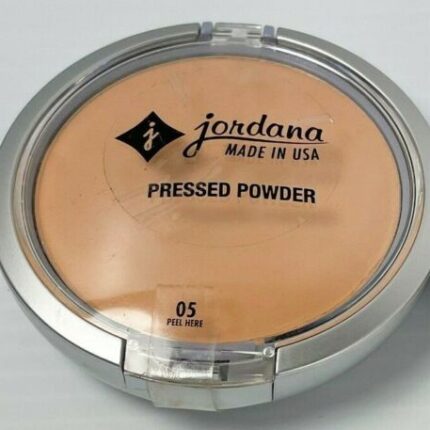 Sale
SaleOriginal price was: ৳ 720.00.৳ 650.00Current price is: ৳ 650.00.
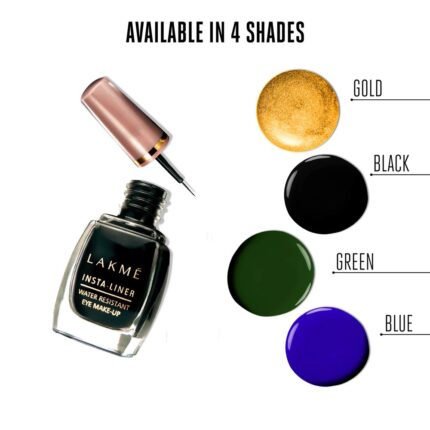 Sale
SaleOriginal price was: ৳ 500.00.৳ 450.00Current price is: ৳ 450.00.
 Sale
SaleOriginal price was: ৳ 3,200.00.৳ 2,240.00Current price is: ৳ 2,240.00.
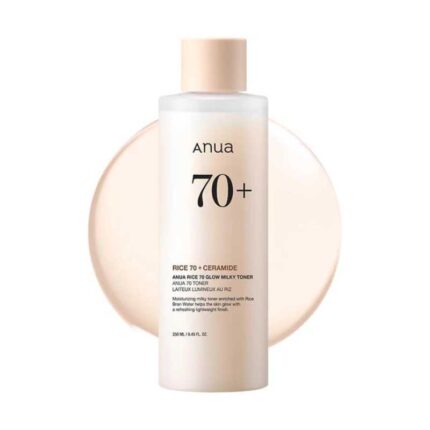 Sale
SaleOriginal price was: ৳ 3,380.00.৳ 2,366.00Current price is: ৳ 2,366.00.
A Glimpse into History: Ancient Uses of Mica
The use of mica dates back thousands of years. Ancient civilizations recognized its unique qualities. Early humans utilized mica for various practical and artistic purposes. Archaeological findings confirm its presence in many ancient cultures.
For example, the Aztecs used mica for decorative purposes. They incorporated it into pottery and sculptures. Some ancient burial sites also contain mica. This suggests it held cultural or spiritual significance. Its reflective qualities made it desirable.
Mica in Ancient Art and Architecture
Research indicates early artists crushed mica into pigments. They added it to paints for a shimmering finish. This created visually stunning murals and artworks. Artisans also integrated thin mica sheets into windows. This allowed light to enter while offering some protection. Its natural transparency was highly valued.
The mineral’s insulating properties were perhaps less understood then. However, its aesthetic appeal was universally recognized. This historical usage highlights mica’s enduring appeal. Its beauty has captivated people for centuries. It remains a cherished material today.
Mica in Cosmetics: A Prized Illuminating Compound
The cosmetic industry widely uses mica. It is a fundamental ingredient in many beauty products. As a cosmetic illuminating compound, mica adds radiance and sparkle. It helps to create a healthy, glowing appearance. This mineral enhances countless formulations.
Manufacturers process raw mica into fine powders. These powders are then coated with various pigments. Titanium dioxide and iron oxides are common coatings. These coatings give mica its wide range of colors and effects. From subtle sheens to intense glitters, mica delivers.
The Versatility of Cosmetic Mica
Mica is present in almost every type of shimmery makeup. Eyeshadows use it for vibrant, reflective colors. Highlighters owe their glow to mica particles. Foundations and concealers often contain fine mica. This creates a soft-focus effect on the skin. Lip glosses and lipsticks also incorporate mica for shine.
The particle size of mica greatly influences its effect. Smaller particles provide a satiny finish. Larger particles deliver a bolder, glittery look. Formulators carefully select specific mica grades. This achieves the desired aesthetic outcome. Consumers appreciate the diverse range of effects.
Safety and Regulation of Cosmetic Mica
Studies show mica is safe for cosmetic use. Regulatory bodies globally approve it. It is generally non-irritating and non-comedogenic. This means it does not typically clog pores. Many people with sensitive skin tolerate mica well.
However, quality and purity are important. Cosmetic-grade mica undergoes rigorous purification. This removes any potentially harmful impurities. Consumers should choose reputable brands. These brands adhere to strict safety standards. They ensure the mica is suitable for skin application.
Beyond Beauty: Industrial and Everyday Uses of Mica
While known for cosmetics, mica has extensive industrial applications. Its unique properties make it invaluable in many sectors. It serves crucial functions in electronics, construction, and automotive industries. This mineral plays a silent but essential role.
For instance, mica is an excellent electrical insulator. It protects sensitive components from heat. It also prevents electrical discharge. This makes it indispensable in capacitors and circuit boards. Research indicates its reliability in high-performance electronics.
Mica in Electrical and Automotive Industries
Engineers use mica sheets in electrical appliances. Toasters, hairdryers, and irons all benefit. Mica withstands high temperatures without degrading. This ensures the longevity and safety of these devices. Its stability is a key advantage.
The automotive industry also utilizes mica. It adds shimmer to car paints. It also improves paint durability. Certain brake linings incorporate mica. This enhances their heat resistance. Its multifaceted utility is truly remarkable.
Construction and Other Industrial Applications
Construction materials sometimes contain ground mica. It acts as a filler and improves strength. It also enhances fire resistance in some products. Drilling muds use mica to prevent fluid loss. This shows its importance in diverse industrial processes.
Mica also appears in specialized coatings and plastics. It offers thermal stability and reinforcement. Its inert nature makes it compatible with many materials. This broad application spectrum underscores mica’s versatility. It is a workhorse mineral.
Ethical Sourcing of Mica: Addressing the Challenges
The sourcing of mica has faced scrutiny. Concerns about labor practices have arisen. Child labor in some mining regions is a serious issue. Ethical sourcing is now a major focus. The industry is working towards greater transparency.
Consumers increasingly demand ethically sourced products. Brands are responding by improving their supply chains. They seek to ensure that their mica comes from responsible mines. This commitment aims to protect vulnerable workers. It also promotes fair working conditions.
Initiatives for Responsible Mica Sourcing
Organizations like the Responsible Mica Initiative (RMI) lead the way. They work with local communities and governments. Their goal is to eradicate child labor in mica supply chains. They also promote responsible and sustainable mining practices. This collaborative effort makes a difference.
Brands often conduct audits of their suppliers. They trace mica from mine to finished product. This transparency builds consumer trust. It also ensures adherence to ethical standards. Choosing brands committed to ethical sourcing supports this progress.
What to Look for as a Consumer
Consumers can make informed choices. Look for brands that disclose their mica sourcing. Many companies proudly state their ethical commitments. Certifications from independent bodies also provide assurance. Supporting these brands encourages wider ethical practices. Every purchase sends a message.
While the issue is complex, significant strides are being made. The industry understands its responsibility. Ensuring fair treatment for all involved is paramount. Responsible sourcing benefits everyone in the long run. It creates a more equitable supply chain for mica.
Synthetic Mica: An Ethical and Consistent Alternative
Synthetic mica, also known as fluorphlogopite, is a laboratory-created material. It mimics the properties of natural mica. This alternative offers several advantages. Its development addresses ethical concerns and provides consistent quality. It is gaining popularity in many industries.
The manufacturing process of synthetic mica is controlled. This ensures a high level of purity. It is free from heavy metals and other impurities. This consistent composition is a key benefit. It simplifies quality control for manufacturers.
Advantages of Synthetic Mica
One major advantage is ethical sourcing. Synthetic mica is not mined from the earth. This eliminates concerns about child labor. It provides a guilt-free option for consumers. This aspect alone makes it very appealing.
Synthetic mica also offers superior optical properties. It can produce brighter, cleaner colors. It often creates a more intense sparkle. Its uniform particle size provides greater consistency. This results in more predictable product performance.
Applications of Synthetic Fluorphlogopite
The cosmetic industry widely uses synthetic mica. It functions effectively as a cosmetic illuminating compound. Brands use it in high-end makeup for its purity. Its intense shimmer is highly sought after. It delivers a refined, brilliant finish.
Beyond cosmetics, synthetic mica serves other purposes. It is used in specialty paints and coatings. Its thermal stability makes it useful in electronics. As technology advances, new applications emerge. Synthetic mica represents a significant innovation.
Mica and Your Skin: Benefits and Considerations
Mica is generally considered beneficial for skin. It is a common ingredient in mineral makeup. Its natural properties offer several advantages. Many users find it enhances their complexion. It contributes to a healthy skin appearance.
Mica helps to absorb excess oil on the skin. This can reduce shine throughout the day. It also creates a smooth, even surface. Light reflection from mica particles blurs imperfections. This provides a soft-focus effect. It gives skin a more polished look.
Mica’s Role in Mineral Makeup
Mineral makeup often highlights mica as a key component. This type of makeup is popular for its gentle formulation. It typically contains fewer irritants. Mica provides coverage and luminosity. It allows skin to breathe naturally.
Studies show mineral makeup with mica is non-comedogenic. It does not block pores. This reduces the likelihood of breakouts. Many dermatologists recommend it for sensitive skin. It offers a gentle alternative to traditional cosmetics.
Potential Sensitivities and Best Practices
While rare, some individuals might experience sensitivity. Very fine mica particles could potentially cause irritation. This is more likely with inhalation of loose powders. Most people tolerate cosmetic-grade mica without issues. It is important to apply products carefully.
Always patch test new products if you have sensitive skin. This helps identify any potential reactions. Using clean application tools also matters. Proper hygiene prevents bacteria buildup. Overall, mica remains a safe and effective ingredient. Its benefits outweigh minor considerations for most users.
Environmental Impact and Sustainable Mining Practices
Like any mined mineral, mica extraction has environmental implications. Mining operations can alter landscapes. They sometimes affect local ecosystems. Addressing these impacts is part of sustainable development. The industry is working to minimize its footprint.
Responsible mining practices focus on environmental protection. This includes land rehabilitation after mining. It also involves managing water resources. Efforts are made to reduce waste and pollution. These practices aim to balance resource extraction with ecological preservation.
Mitigating Environmental Effects
Companies are investing in modern mining techniques. These methods reduce environmental disruption. They help preserve biodiversity in mining areas. Strict environmental regulations guide these operations. Adherence to these rules is crucial.
Some mines participate in reforestation projects. They restore natural habitats. This shows a commitment to ecological recovery. Minimizing energy consumption is another goal. Sustainable practices are a continuous effort. They require ongoing vigilance and innovation.
The Role of Consumers in Sustainability
Consumer demand drives sustainable practices. Choosing products from brands with clear environmental policies helps. This encourages the industry to adopt greener methods. Supporting companies committed to sustainability has a positive impact.
Understanding the full lifecycle of products is important. From sourcing raw materials to disposal, every step counts. Mica, as a valuable natural resource, deserves careful stewardship. Its long-term availability depends on responsible practices. Our choices can influence this future.
Frequently Asked Questions
Is mica safe for my skin?
Yes, cosmetic-grade mica is generally safe. It is approved by regulatory bodies worldwide. It is non-irritating and non-comedogenic for most users. Always check product ingredients if you have specific sensitivities.
What is the difference between natural and synthetic mica?
Natural mica is mined from the earth. Synthetic mica, or fluorphlogopite, is made in a laboratory. Synthetic mica offers ethical sourcing and often higher purity. Both provide similar shimmering effects.
Does mica clog pores or cause acne?
No, mica is typically non-comedogenic. This means it does not usually clog pores. It is often found in mineral makeup specifically formulated for sensitive or acne-prone skin. It allows skin to breathe.
How can I ensure the mica in my products is ethically sourced?
Look for brands that are transparent about their supply chain. Many companies share their ethical sourcing policies. Supporting members of initiatives like the Responsible Mica Initiative also helps. Check for third-party certifications.
Final Thoughts
Mica is truly a remarkable mineral with diverse applications. Its unique shimmering quality makes it invaluable in cosmetics. It functions as an essential cosmetic illuminating compound. From ancient art to modern electronics, mica serves many purposes. Responsible sourcing efforts address critical ethical considerations, improving the industry significantly. Opt for products from transparent brands committed to ethical practices.