
Discovering Parfum: Your Guide to Exquisite Fragrance

Do you ever wonder why some scents linger beautifully while others fade quickly? The answer often lies in the concentration and quality of the fragrance itself. Understanding parfum helps you appreciate its complexity. This premium product offers an experience unlike any other. It is the pinnacle of perfumery.
What Exactly is Parfum? The Essence of Luxury
Parfum, also known as pure perfume or extrait de parfum, represents the most concentrated form of fragrance available. It boasts the highest percentage of scent compounds, typically ranging from 20% to 40% essential oils. This high concentration means a little goes a long way. It provides a deeper, richer, and longer-lasting aroma. People value its longevity and luxurious feel. It stands apart from other fragrance types.
Because of its strength, parfum usually has a higher price point. However, its staying power often makes it a more economical choice in the long run. Many fragrance lovers prefer parfum for special occasions. It creates a memorable and distinctive olfactory signature. The careful blend of aromatic ingredients ensures a unique experience. This form of fragrance offers true indulgence.
The Concentration Factor: Why Parfum Stands Out
The distinction between parfum, eau de parfum, eau de toilette, and eau de cologne comes down to the percentage of fragrant oils dissolved in alcohol and water. Parfum leads the pack. It provides the most intense and enduring scent experience. For example, eau de parfum typically contains 15-20% aromatic compounds. Eau de toilette has 5-15%. Eau de cologne contains 2-4%. These lower concentrations result in shorter wear times.
When you choose parfum, you are selecting a product designed for longevity. It typically lasts on the skin for six to eight hours, sometimes even longer. This extended wear time is a key benefit. It means fewer reapplications throughout the day. Your signature scent remains with you. It provides consistent enjoyment. The rich nature of the oils also allows for a more complex scent development.
Brief History of Parfum: A Journey Through Time
The history of fragrance dates back thousands of years. Ancient civilizations used aromatic resins and oils for religious ceremonies and personal adornment. Early forms of parfum were often thick, oil-based concoctions. They served various purposes, from medicinal to celebratory. The Egyptians, for instance, used fragrant balms for embalming. They also used them in daily rituals. Perfume was a symbol of status.
The art of distillation, pioneered by Arab chemists, revolutionized perfumery in the Middle Ages. This innovation allowed for the extraction of purer essential oils. It paved the way for modern fragrance creation. Eventually, Italy and France became the epicenters of European perfume production. Grasse, France, remains a global capital for perfumery. Here, master perfumers meticulously craft exquisite scents. This rich heritage continues today.
Recommended Products
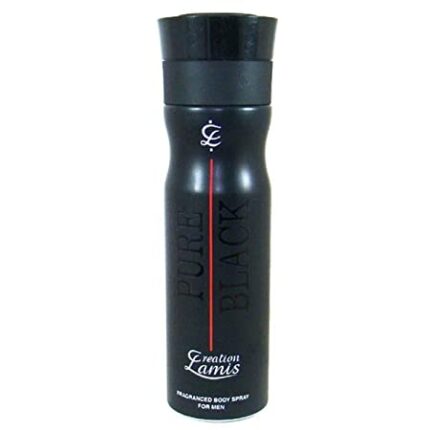 Sale
SaleOriginal price was: ৳ 800.00.৳ 690.00Current price is: ৳ 690.00.
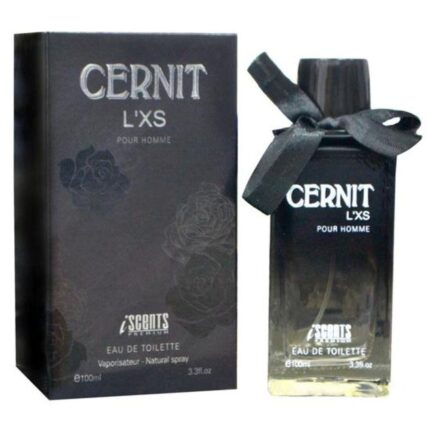
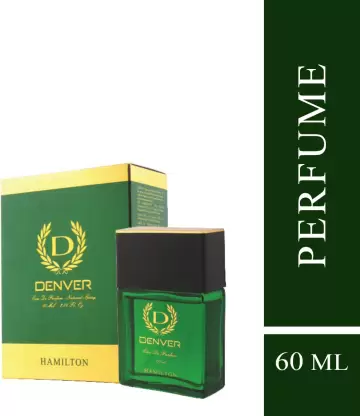 Sale
SaleOriginal price was: ৳ 1,700.00.৳ 1,150.00Current price is: ৳ 1,150.00.

Decoding Fragrance Notes: The Olfactory Pyramid
Every parfum tells a story through its scent. This narrative unfolds in stages, known as fragrance notes. Perfumers structure these notes into an olfactory pyramid. This pyramid describes how a scent evolves over time on the skin. It consists of three distinct layers: top notes, middle notes, and base notes. Understanding these layers helps you appreciate the full journey of a fragrance. It also informs your selection process.
The balance and interplay of these notes create the unique character of any parfum. A skilled perfumer carefully selects ingredients for each layer. This ensures a harmonious progression. Each note contributes to the overall impression. This intricate design makes each parfum a work of art. The journey from initial spray to final dry-down is complex. It offers many pleasant surprises.
Top Notes: The First Impression
Top notes are the lightest and most volatile components of a parfum. They are the first scents you detect immediately after application. These notes create the initial impression. They often feature fresh, sharp, or citrusy aromas. Common top notes include lemon, bergamot, orange, and various herbs. They evaporate quickly from the skin. Typically, they last only for the first 5 to 15 minutes. Their role is to capture attention. They entice you to explore further. Think of them as the opening act of a performance. They set the stage for what is to come.
Despite their fleeting nature, top notes are crucial. They influence your initial perception of the fragrance. A pleasant top note can draw you in. A harsh one might turn you away. Perfumers spend significant time perfecting this layer. They ensure it creates an inviting introduction. Many people decide on a parfum based on these initial aromas. This immediate impact is very powerful.
Middle (Heart) Notes: The Core of the Scent
As the top notes fade, the middle notes, also called heart notes, emerge. These form the true essence, or “heart,” of the parfum. They are richer and more rounded than the top notes. Heart notes typically last longer than top notes, around 20 minutes to an hour. Floral, spicy, or green scents often characterize this layer. Examples include rose, jasmine, lavender, and cinnamon. They provide a smooth transition. They bridge the gap between the fleeting top and lingering base notes. This layer is where the fragrance truly develops its character.
Middle notes contribute significantly to the overall personality of the scent. They shape the main theme. Many people associate the main body of a fragrance with its heart notes. Perfumers balance these notes carefully. They want to ensure they complement the top and base notes. This creates a cohesive and appealing aroma. The longevity of these notes offers sustained enjoyment. They are central to the overall experience.
Base Notes: The Lingering Foundation
Base notes are the deepest, richest, and longest-lasting components of a parfum. They appear as the middle notes begin to dissipate. These notes form the foundation of the fragrance. They often have a heavy, warm, or woody character. Common base notes include vanilla, musk, amber, sandalwood, and patchouli. They can last for several hours. Sometimes, they even last for an entire day. Base notes are responsible for the parfum’s longevity. They also add depth and stability. They anchor the entire scent composition.
Experts agree that base notes are vital for a fragrance’s staying power. They meld with the skin’s natural oils. This creates a unique and personal scent experience. They linger beautifully. They leave a lasting impression. Perfumers select base notes for their fixative qualities. This helps other notes last longer. The slow evaporation of base notes ensures a memorable dry-down. It completes the olfactory journey gracefully.
The Art of Crafting Parfum: From Raw Ingredients to Masterpiece
Creating parfum is a delicate art and a precise science. It involves selecting raw materials, understanding their aromatic properties, and blending them harmoniously. Master perfumers, often called “noses,” spend years honing their craft. They learn to identify thousands of different smells. They also learn how these smells interact. This intricate process transforms simple ingredients into complex fragrances. It is a testament to human creativity and skill. Each bottle of parfum represents hours of dedication.
The journey from a raw material to a finished parfum can take months, even years. It requires patience and a deep understanding of chemistry. Perfumers meticulously balance every component. They ensure the final scent is both pleasing and unique. This careful composition makes each fragrance distinct. It highlights the perfumer’s vision. The result is a product that evokes emotions and memories.
Natural vs. Synthetic Ingredients: The Fragrance Palette
A parfum’s character comes from its blend of natural and synthetic fragrance ingredient compounds. Natural ingredients, such as essential oils and absolutes, come from flowers, fruits, woods, and resins. Rose oil, jasmine absolute, and sandalwood are classic examples. They offer complexity and nuance. They often have subtle variations depending on the harvest. Many people appreciate their authentic aromas.
Synthetic ingredients are created in laboratories. They can replicate natural scents or create entirely new ones. Synthetics provide consistency and stability. They also allow for ethical sourcing alternatives. For instance, synthetic musks protect endangered animal species. They expand the perfumer’s creative palette. Research indicates that a combination of natural and synthetic ingredients often yields the most balanced and innovative fragrances. This dual approach offers boundless possibilities.
The Role of a Perfumer: An Olfactory Artist
The perfumer is the artist behind every captivating parfum. They possess an extraordinary sense of smell. They also have a vast knowledge of scent chemistry. Their role involves conceptualizing a fragrance. They then select and combine ingredients. They create a formula that evolves beautifully on the skin. It is a highly specialized profession. Many perfumers train for decades. They learn the intricate language of scents. Their expertise ensures a harmonious blend.
A perfumer must understand the interaction of different notes. They anticipate how a scent will change over time. They consider the target audience and desired mood for each creation. Studies show that successful perfumers often rely on intuition as much as scientific knowledge. They are storytellers through smell. Their creations evoke specific emotions and memories. This makes their work truly powerful.
Blending Techniques: Crafting a Cosmetic Scent Blend Compound
Blending is the heart of parfum creation. Perfumers use various techniques to combine their chosen ingredients. The process often starts with creating individual “accords,” which are harmonious blends of a few complementary notes. These accords then become building blocks for the larger fragrance. It is similar to a musician composing a symphony. Each instrument plays a vital role.
The perfumer works incrementally. They add ingredients drop by drop. They constantly evaluate the evolving scent. They adjust proportions until the desired balance is achieved. This meticulous process ensures a cohesive cosmetic scent blend compound. It guarantees a fragrance that unfolds gracefully. They may macerate the blend, allowing the ingredients to mature together. This deepens the scent’s complexity. The final product is a testament to careful artistry. It reflects precision and passion.
Choosing Your Signature Scent: A Personal Journey
Finding your perfect parfum is a deeply personal experience. It involves exploring various scents. It requires understanding your preferences. Your signature scent should feel like an extension of yourself. It should complement your personality. It should also match your lifestyle. There are no strict rules when selecting a fragrance. The best choice is always what you genuinely love. Trust your instincts during this exciting exploration.
This journey can be exciting and rewarding. It allows you to express your individuality. Your chosen parfum can boost your confidence. It can evoke pleasant memories. It can even define how others remember you. Take your time during the selection process. Enjoy every step. The right fragrance awaits you. It will become a cherished part of your identity.
Understanding Scent Families: Navigating the Olfactory Map
Fragrances are often categorized into families. These families help classify their dominant characteristics. Common scent families include floral, oriental, woody, fresh, and chypre. Floral scents are typically sweet and romantic. They feature notes like rose, jasmine, and lily of the valley. Oriental fragrances are warm and spicy. They often contain vanilla, amber, and exotic spices. Woody scents are earthy and rich. They include sandalwood, cedarwood, and vetiver. Fresh fragrances are light and airy. They feature citrus, green, and aquatic notes. Chypre fragrances combine citrus tops with mossy bases.
Exploring these families provides a framework for your search. If you prefer light and uplifting aromas, fresh or floral families might appeal to you. For something more dramatic and sensual, oriental or woody might be better. This classification system helps narrow down your options. It makes the selection process less overwhelming. Knowing your preferred family simplifies finding new favorites. It guides you effectively.
Testing Parfum Effectively: A Smart Approach
Testing parfum requires a thoughtful approach to avoid sensory overload. Never spray too many fragrances at once. This can confuse your nose. Start by spraying a small amount onto a blotter strip. Allow the alcohol to evaporate for a few seconds. Then, inhale gently. If you like the initial impression, then apply a tiny amount to your skin. The best spot is your wrist or inner elbow. Your body chemistry reacts uniquely with each scent.
Give the parfum time to develop. Remember the olfactory pyramid. The top notes fade quickly. The heart and base notes reveal themselves later. Walk around for a while. Revisit the scent after 30 minutes and again after a few hours. This allows you to experience the full evolution. Only then can you truly know if it suits you. Never make a hasty decision. A good parfum deserves careful consideration.
Matching Fragrance to Occasion and Mood: The Art of Scent Selection
Your choice of parfum can significantly impact your presence. Different scents suit different occasions and moods. For daytime wear or professional settings, lighter, fresher fragrances are often preferred. Citrus, green, or subtle floral notes create an approachable and invigorating aura. These scents are less likely to overwhelm others. They project a sense of sophistication. They are perfect for daily use.
Evenings or special events call for something more opulent. Rich oriental, woody, or intense floral parums create a luxurious and memorable impression. These fragrances possess greater depth. They often have a stronger sillage (the trail a scent leaves). Consider the season as well. Lighter scents work well in warm weather. Heavier, warmer scents are perfect for colder months. Matching your parfum to the context enhances your overall presentation. It shows thoughtful attention to detail.
Proper Application and Storage of Parfum
To fully enjoy your cherished parfum, correct application and storage are essential. Applying it properly maximizes its longevity. It also ensures the scent develops as intended. Storing it correctly preserves its integrity. It protects its delicate chemical composition. These practices help maintain the quality of your fragrance. They ensure you get the most from every precious drop. Taking these steps enhances your overall scent experience. It extends the life of your investment.
Many people overlook these important details. However, they significantly influence how a parfum performs. A little knowledge goes a long way. It helps you get the best out of your chosen scent. Your careful attention will be rewarded. Your fragrance will stay true to its character. It will last longer on your skin.
Where to Apply Parfum: The Pulse Point Secret
The best places to apply parfum are your pulse points. These areas radiate heat, which helps to diffuse the fragrance throughout the day. Common pulse points include your wrists, behind your ears, the base of your throat, and inside your elbows. Some experts also suggest behind your knees. The warmth helps the scent evolve beautifully. It ensures a consistent release of aroma. This strategic application maximizes the parfum’s reach.
Avoid rubbing your wrists together after applying. This action can crush the delicate scent molecules. It alters the fragrance’s intended development. Instead, let the parfum dry naturally on your skin. A light mist over your hair can also help. Your hair fibers hold scent wonderfully. This provides an additional layer of fragrance diffusion. Apply sparingly, as parfum is highly concentrated. A small amount is usually sufficient. This ensures an elegant scent rather than an overwhelming one.
Making Your Fragrance Last: Tips for Longevity
Several factors contribute to a parfum’s longevity on your skin. Start by moisturizing your skin before applying fragrance. Hydrated skin holds scent much better than dry skin. An unscented lotion or body oil creates a good base. This traps the scent molecules. Apply fragrance to clean skin. Dirt and oil can interfere with the scent’s true character. This ensures a purer expression of the parfum.
Layering your fragrance can also extend its wear. Use matching body lotions, shower gels, or oils if available. This builds up the scent in layers. It creates a more profound and lasting effect. For instance, many brands offer complementary products. Avoid overspraying. A small amount of parfum is powerful. It lasts for many hours. Reapply only when necessary. This prevents sensory fatigue. It keeps the scent fresh. Less is often more with high-quality parfum.
Preserving Your Precious Bottle: Optimal Storage
Proper storage is crucial for maintaining the quality and longevity of your parfum. Light, heat, and humidity are the biggest enemies of fragrance. They can break down the delicate chemical compounds. This alters the scent and reduces its potency. Store your parfum in a cool, dark place. A drawer or closet is ideal. Avoid keeping it in the bathroom. The fluctuating temperatures and humidity can degrade the fragrance quickly. This is a common mistake people make.
Keep the original box if possible. This provides an extra layer of protection from light. Ensure the cap is always tightly sealed. This prevents evaporation. It also stops oxidation from exposure to air. Storing your parfum correctly will preserve its intended aroma. It will also maintain its strength for years to come. This simple practice safeguards your investment. It ensures every spray is as good as the first. This careful approach maintains the integrity of your beloved fragrance.
The Global Impact and Future of Parfum
Parfum is more than just a personal accessory. It plays a significant role in culture, history, and the economy worldwide. The global fragrance market is a multi-billion-dollar industry. It continues to grow and innovate. From ancient rituals to modern luxury, scent holds a unique place in human experience. Its impact extends far beyond personal grooming. It influences art, fashion, and social interactions. This widespread appreciation highlights its enduring power.
As societies evolve, so does the world of fragrance. New technologies and changing consumer preferences drive constant innovation. The future of parfum promises exciting developments. It offers new ways to experience and interact with scent. This dynamic industry continues to push boundaries. It redefines what fragrance can be. It consistently adapts to global trends. This ensures its relevance for generations to come.
Cultural Significance of Fragrance: A Universal Language
Throughout history, fragrance has held deep cultural significance across diverse civilizations. In some cultures, scents are integral to religious ceremonies. They purify spaces or honor deities. In others, they symbolize social status, wealth, or power. The use of incense in Asian cultures, or traditional attar in the Middle East, are prime examples. These practices highlight fragrance’s profound role. It connects people to their heritage. It expresses identity and tradition. This universal appeal transcends language barriers.
Fragrance can evoke strong memories and emotions. Certain smells are universally recognized. Others are culturally specific. For instance, the scent of a particular flower might hold deep meaning in one region. It might be less significant elsewhere. This powerful connection to memory and emotion makes parfum a unique form of expression. It serves as a personal and cultural statement. Experts often refer to it as an invisible accessory. This invisible accessory speaks volumes about the wearer.
Sustainability in Perfumery: A Growing Concern
The fragrance industry faces increasing pressure to adopt sustainable practices. Consumers are becoming more conscious of environmental impact. They also care about ethical sourcing. This includes responsible harvesting of natural ingredients. It also involves reducing waste in production. Many brands are now prioritizing eco-friendly methods. They seek sustainable alternatives. This shift is reshaping the future of parfum creation. It ensures a more responsible approach.
Innovations like green chemistry allow for more sustainable synthetic ingredients. Companies are investing in renewable resources. They are developing biodegradable packaging. Some perfumers work directly with communities. They ensure fair trade practices. This supports local economies. It also protects biodiversity. This commitment to sustainability benefits both the planet and people. It creates a more ethical industry. This conscious movement is gaining momentum. It offers hope for the future. Researchers are continuously exploring new sustainable options.
Emerging Trends and Innovations: The Future of Scent
The world of parfum is constantly evolving. Technology and consumer demands drive new trends and innovations. For instance, personalized fragrance services are gaining popularity. They allow individuals to create bespoke scents. These services cater to unique preferences. Digital scent technology is also on the horizon. This could enable us to experience smells virtually. It opens up new possibilities. This merging of tech and tradition is exciting.
Another significant trend is the rise of gender-neutral fragrances. More brands are moving away from traditional male/female scent categorizations. They focus on universal appeal. This reflects a broader societal shift towards inclusivity. Niche perfumery also continues to thrive. It offers unique and artistic creations. These push the boundaries of conventional perfumery. The future promises a diverse and innovative landscape for parfum. It will cater to every individual. This continuous evolution keeps the industry fresh and exciting.
Frequently Asked Questions
What is the main difference between parfum and eau de parfum?
Parfum has the highest concentration of fragrance oils, typically 20-40%, making it the longest-lasting and most potent. Eau de parfum has a lower concentration, usually 15-20%, offering good longevity but less intensity than pure parfum.
How should I properly store my parfum to keep it fresh?
Always store your parfum in a cool, dark place away from direct sunlight, heat, and humidity. Keeping it in its original box in a drawer or closet helps preserve its delicate ingredients and extends its shelf life significantly.
Can men wear parfum, or is it only for women?
Parfum is a concentration level, not a gender category; many brands offer masculine or unisex parums. The choice of fragrance depends entirely on personal preference for scent notes, not on traditional gender labels, so anyone can wear it.
Why does parfum smell different on different people?
Your unique body chemistry, including skin pH, oiliness, and diet, interacts with the fragrance molecules, altering how a parfum smells. This interaction means a scent can develop slightly differently and uniquely on each individual.
Final Thoughts
The world of parfum is rich, complex, and endlessly fascinating. Choosing the right fragrance enhances your personal expression. It creates lasting memories for yourself and others. Understanding its composition helps you make informed choices. It allows you to select a scent that truly resonates. This deep dive into all things fragrance offers valuable insights.
Embrace the art of scent exploration. Take your time to discover the perfect parfum that complements your unique essence. Consider the notes, concentration, and how it evolves on your skin. This mindful approach ensures a truly rewarding experience. A quality parfum is more than just a scent; it is an extension of who you are.