
Pentylene Glycol: Your Skin’s New Best Friend

Dry, dull skin can feel frustrating. Many active ingredients simply do not penetrate deeply enough. You might wonder how to achieve better product absorption and lasting hydration. Understanding ingredients like Pentylene Glycol is key. This remarkable compound offers significant benefits in skincare formulations.
What Exactly is Pentylene Glycol?
Pentylene Glycol is a synthetic organic compound. It belongs to the class of diols, which means it contains two hydroxyl groups. Manufacturers often derive it from natural sources like corn cobs or sugarcane. Other forms are petrochemical-based. This ingredient serves multiple purposes within cosmetic products. It is a true multitasker in modern skincare science.
Its chemical structure makes it highly effective. This structure allows it to interact with water molecules. It also dissolves other substances. These properties contribute to its widespread use. Pentylene Glycol is a clear, colorless, and odorless liquid. It is a staple in many high-quality formulations.
Natural vs. Synthetic Pentylene Glycol
Consumers often prefer naturally derived ingredients. Natural Pentylene Glycol comes from renewable plant sources. For example, it can be made from bagasse. This is a byproduct of sugarcane processing. It can also come from corn. Both forms are chemically identical. They offer the same benefits to the skin. The source simply refers to its origin. Studies show no difference in skin efficacy. The choice often comes down to brand philosophy. It also reflects sourcing preferences.
Recommended Products
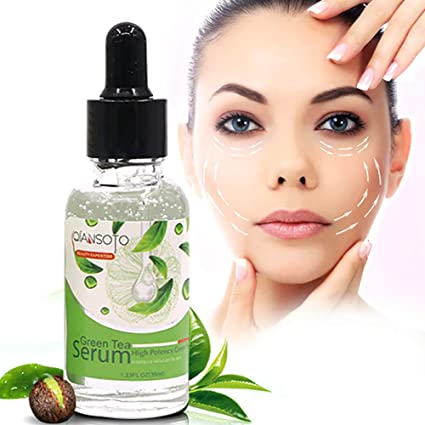
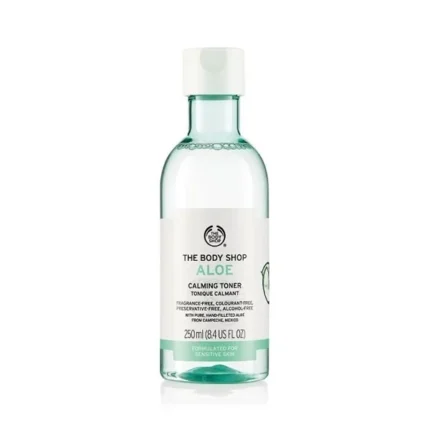 Sale
SaleOriginal price was: ৳ 1,350.00.৳ 1,190.00Current price is: ৳ 1,190.00.
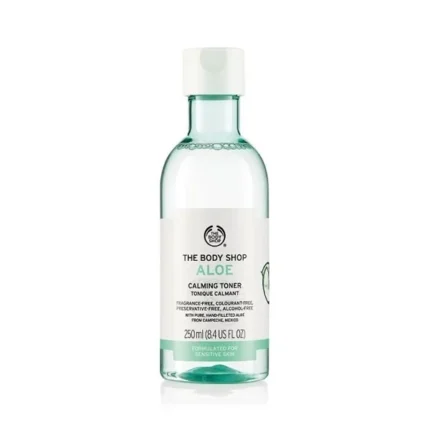 Sale
SaleOriginal price was: ৳ 1,900.00.৳ 1,300.00Current price is: ৳ 1,300.00.
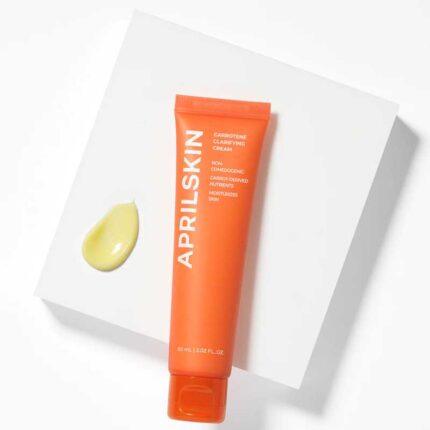 Sale
SaleOriginal price was: ৳ 1,960.00.৳ 1,370.00Current price is: ৳ 1,370.00.
The Skincare Superpowers of Pentylene Glycol
Pentylene Glycol offers a powerful combination of benefits. It functions as a hydrating solvent ingredient. It also works as a humectant. Furthermore, it helps stabilize formulations. This compound enhances the performance of other ingredients. Its versatility makes it invaluable. It truly is a comprehensive ingredient.
Exceptional Hydration Benefits
One of the primary roles of Pentylene Glycol is hydration. It acts as a humectant skincare compound. Humectants attract water from the air. They then draw it into the skin. This process helps to keep the skin moisturized. It prevents moisture loss throughout the day. Your skin feels soft and supple. This effect is long-lasting. It contributes to a healthy skin barrier function. Dermatologists often recommend humectants. They are crucial for maintaining optimal skin health.
Effective Solvent Properties
As a powerful hydrating solvent ingredient, Pentylene Glycol dissolves other compounds. It helps to keep active ingredients evenly dispersed. This ensures consistent product performance. Many beneficial ingredients are not water-soluble. Pentylene Glycol helps them blend. It creates a smooth and stable formula. This improves the overall texture of products. It also enhances user experience. Research indicates this property. It is crucial for product efficacy.
Preservative Boosting Capabilities
Pentylene Glycol also acts as a preservative booster. It enhances the effectiveness of other preservatives. This allows formulators to use lower concentrations of traditional preservatives. Lower concentrations can reduce potential irritation. It also helps protect the product from microbial growth. This extends the product’s shelf life. It ensures product safety. This is a significant advantage in cosmetic science. It protects your investment in skincare.
Enhanced Skin Penetration
This ingredient improves the penetration of active compounds. It helps other beneficial ingredients reach deeper skin layers. This means your expensive serums work better. They deliver their intended effects more efficiently. For example, antioxidants and peptides penetrate more deeply. This maximizes their anti-aging or corrective properties. The skin absorbs active ingredients more effectively. This leads to better results over time.
Pentylene Glycol and Your Skin Type
Pentylene Glycol is generally well-tolerated. Most skin types can use it. Its gentle nature makes it suitable for many individuals. However, understanding its interaction with specific skin conditions is helpful. It can benefit various skin concerns. Its hydrating properties are especially useful.
Benefits for Dry and Dehydrated Skin
Individuals with dry skin will greatly appreciate Pentylene Glycol. Its humectant properties lock in moisture. This alleviates tightness and flakiness. It replenishes the skin’s natural hydration levels. Regular use leads to softer, smoother skin. The skin barrier becomes stronger. This helps it retain moisture more effectively. This is a crucial step in managing dryness. It helps restore skin comfort.
Suitable for Sensitive Skin
Unlike some other glycols, Pentylene Glycol is often preferred for sensitive skin. Its low irritation potential is a major advantage. It provides hydration without causing redness or discomfort. Products formulated with it often feel gentle. This makes it a good choice for reactive skin. It supports skin barrier health. This reduces overall sensitivity. Always patch test new products. This is especially true if you have very sensitive skin.
Assisting Oily and Acne-Prone Skin
Even oily and acne-prone skin can benefit. Pentylene Glycol is non-comedogenic. This means it will not clog pores. Its lightweight hydration is important. It prevents the skin from overproducing oil. Sometimes oily skin is actually dehydrated. This ingredient can balance oil production. It provides necessary moisture without heaviness. This contributes to a clearer complexion. It also supports overall skin health.
How Pentylene Glycol Compares to Other Glycols
The world of skincare includes many different glycols. Propylene Glycol and Butylene Glycol are common examples. Pentylene Glycol stands out due to its unique profile. It offers distinct advantages. Understanding these differences helps in product selection. It informs consumer choices. Each glycol has a specific purpose.
Pentylene Glycol vs. Propylene Glycol
Propylene Glycol is widely used. However, it can sometimes cause irritation. Some individuals report allergic reactions. Pentylene Glycol is generally considered gentler. It has a lower sensitization potential. Both are excellent solvents and humectants. However, Pentylene Glycol often feels lighter on the skin. It also has better preservative-boosting capabilities. This makes it a preferred choice for many brands. It offers a more skin-friendly alternative.
Pentylene Glycol vs. Butylene Glycol
Butylene Glycol is another popular humectant and solvent. It is well-tolerated by most. Pentylene Glycol offers enhanced efficacy. Its moisturizing properties are often stronger. It also boasts superior antimicrobial properties. This provides better product protection. Butylene Glycol can sometimes feel slightly tacky. Pentylene Glycol generally offers a smoother skin feel. This contributes to a more pleasant user experience. Both are safe, but Pentylene Glycol often excels.
Incorporating Pentylene Glycol into Your Routine
Adding products with Pentylene Glycol is easy. It is found in many different skincare formulations. Serums, moisturizers, and cleansers often contain it. Its versatility means it fits seamlessly. It enhances almost any existing regimen. Consistency is key for optimal results. You will notice improvements over time.
Finding the Right Products
Look for Pentylene Glycol on ingredient lists. It is typically found towards the beginning or middle. This indicates a meaningful concentration. Serums designed for hydration often feature it. Moisturizers aiming for deep moisture also use it. It can be paired with other actives. These include vitamin C, hyaluronic acid, and retinoids. It enhances their delivery. This makes your routine more effective. Always check product claims for synergy. Look for well-formulated products.
Layering with Other Ingredients
Pentylene Glycol plays well with others. It helps different ingredients work better. For example, it can improve the spreadability of oils. It also enhances water-based formulas. Apply serums containing it after cleansing. Follow with your moisturizer. This locks in the hydration. It also helps active ingredients penetrate. This ingredient is stable. It does not degrade easily. This ensures consistent benefits. Use it both morning and night. This maintains continuous hydration.
Safety Profile and Potential Side Effects
The safety of skincare ingredients is paramount. Pentylene Glycol has an excellent safety record. Regulatory bodies around the world have approved its use. It is considered non-toxic and non-irritating for most people. Extensive testing supports these conclusions. It is a reliable ingredient. Its benefits far outweigh any potential concerns.
Low Irritation Potential
Unlike some other alcohols or glycols, Pentylene Glycol rarely causes irritation. Its molecular structure contributes to this. It does not strip the skin of its natural oils. This helps maintain the skin barrier. Cases of contact dermatitis are extremely rare. This makes it a preferred choice. It suits sensitive and reactive skin types. Always discontinue use if irritation occurs. This is a general skincare rule. Your skin’s reaction is the best guide.
Non-Comedogenic and Allergy-Friendly
Pentylene Glycol is non-comedogenic. This means it will not block pores. It is very unlikely to cause breakouts. It is also not known to be a common allergen. Patch testing is always a good practice. This is true for any new product. However, severe allergic reactions are infrequent. It is a gentle ingredient. It supports healthy skin. It does not typically exacerbate existing conditions.
Frequently Asked Questions
What is Pentylene Glycol primarily used for in skincare?
Pentylene Glycol acts as a powerful humectant skincare compound. It attracts and holds moisture in the skin. It also functions as an effective hydrating solvent ingredient. This helps other active ingredients perform better. It is truly a versatile compound.
Is Pentylene Glycol safe for all skin types, including sensitive skin?
Yes, Pentylene Glycol is generally very safe for all skin types. It has a low irritation potential. It is also non-comedogenic. This makes it suitable for sensitive, oily, and acne-prone skin. It offers gentle hydration without causing issues.
Does Pentylene Glycol have any known side effects?
Pentylene Glycol has an excellent safety profile. Side effects are extremely rare. Some individuals might experience mild irritation. However, this is uncommon. Always perform a patch test. This helps rule out personal sensitivities. It is a well-tolerated ingredient.
How often should I use products containing Pentylene Glycol?
You can use products with Pentylene Glycol daily. It is suitable for both morning and evening routines. Its benefits are cumulative. Consistent application helps maintain skin hydration. It also optimizes active ingredient delivery. Use it as part of your regular regimen.
Final Thoughts
Understanding your skincare ingredients is empowering. Pentylene Glycol stands out as a true workhorse. This hydrating solvent ingredient brings numerous benefits. It enhances moisture retention. It improves product efficacy. It offers remarkable stability to formulations. Look for it in your favorite products. You will experience visible improvements. Give your skin the hydration it deserves. Embrace the power of Pentylene Glycol for a healthier glow.