
Linoleic Acid: Your Guide to Essential Skin & Health Benefits

Dry, irritated skin can be a constant struggle for many people. Achieving a healthy complexion involves understanding key nutrients. One such nutrient, Linoleic Acid, plays a crucial role in skin health. It also impacts overall wellness. This essential fatty acid is vital for your body’s functions.
What is Linoleic Acid?
Linoleic acid is a polyunsaturated omega 6 fatty acid. It is an essential nutrient for human health. Our bodies cannot produce it. Therefore, we must get it from our diet. This makes dietary intake absolutely necessary for well-being. It helps maintain various bodily systems. Understanding its nature is key.
Chemical Structure and Types
Chemically, linoleic acid features 18 carbon atoms. It has two double bonds. The first double bond is at the sixth carbon from the methyl end. This structure defines it as an omega 6 fatty acid. This specific arrangement is important. Other fatty acids have different structures.
Linoleic acid is a precursor to other omega-6 fatty acids. Gamma-linolenic acid (GLA) and arachidonic acid (AA) are examples. These conversions happen within the body. They are part of essential metabolic pathways. This conversion process is highly regulated.
Essential Fatty Acid Status
Our bodies require linoleic acid for life. They cannot synthesize it from other compounds. This makes it an “essential” fatty acid. A deficiency can lead to various health issues. Therefore, consistent dietary intake is crucial. We need it for cell structure and function.
Studies show that essential fatty acids support cell membranes. They contribute to their fluidity and integrity. Without enough linoleic acid, cell function can falter. This impacts multiple systems. Healthy cell function is paramount for us.
Recommended Products
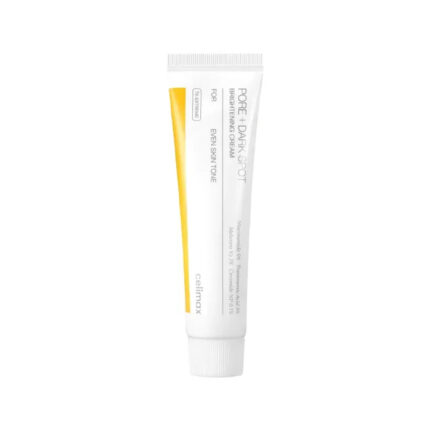 Sale
SaleOriginal price was: ৳ 1,790.00.৳ 1,590.00Current price is: ৳ 1,590.00.
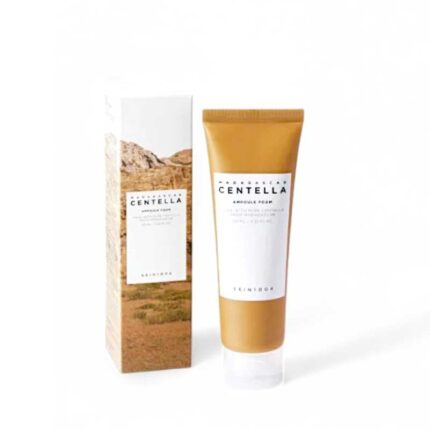 Sale
SaleOriginal price was: ৳ 460.00.৳ 320.00Current price is: ৳ 320.00.
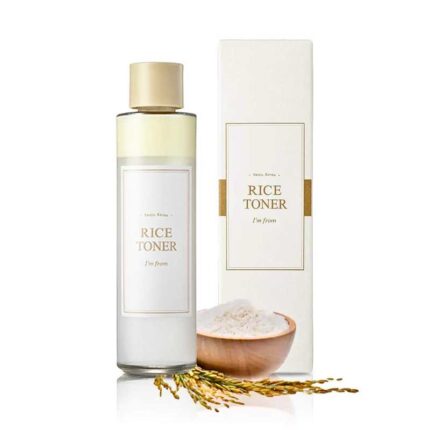
 Sale
SaleOriginal price was: ৳ 1,900.00.৳ 1,330.00Current price is: ৳ 1,330.00.
Linoleic Acid in Your Diet
Consuming adequate linoleic acid is simple. Many common foods contain it. Including these foods in your daily meals is easy. This ensures you meet your nutritional needs. A balanced diet often provides sufficient amounts. It supports your body effectively.
Rich Food Sources
Many plant-based oils are excellent sources. Safflower oil, sunflower oil, and corn oil are good examples. Soybean oil also contains high levels. Nuts and seeds also provide significant amounts. Walnuts, almonds, and flaxseeds are particularly rich.
Research indicates that these foods are easily accessible. They can be incorporated into many recipes. Eating a variety of these items helps ensure proper intake. Dietary diversity is always beneficial. It offers a spectrum of nutrients.
Dietary Importance
Beyond being an energy source, this omega 6 fatty acid supports vital processes. It helps transport fat-soluble vitamins. These include vitamins A, D, E, and K. Proper absorption of these vitamins is critical. They impact vision, bone health, and immunity.
A balanced intake of linoleic acid is important. It contributes to overall cardiovascular health. It also supports neurological function. These roles highlight its broad impact. Maintaining good health depends on these factors. Experts often discuss dietary balance.
Skincare Benefits of Linoleic Acid
Topical application of linoleic acid offers profound skin advantages. It is highly valued in dermatology. This fatty acid improves skin barrier function. It also helps manage specific skin conditions. Many people use it for a glowing complexion.
Barrier Function and Hydration
Linoleic acid is a key component of ceramides. Ceramides are lipids found in the skin barrier. They help form a protective layer. This layer prevents moisture loss. It also shields against environmental irritants. A strong barrier is essential for healthy skin.
When the skin lacks linoleic acid, ceramides change. This weakens the skin barrier. As a result, skin becomes dry and more susceptible to damage. Using products rich in this fatty acid can restore balance. This improves hydration significantly. Dermatologists often recommend it.
Managing Acne-Prone Skin
Individuals with acne often have lower levels of linoleic acid. Their sebum can be thicker and stickier. This can clog pores more easily. Clogged pores lead to breakouts. Therefore, applying an acne friendly oil component is beneficial.
Topical linoleic acid helps normalize sebum consistency. It makes sebum less comedogenic. This means it is less likely to block pores. It also reduces inflammation associated with acne. Studies show it calms irritated skin. Many find relief with consistent use.
This omega 6 fatty acid encourages healthy cell turnover. It prevents dead skin cells from accumulating. This further reduces pore blockages. It contributes to a clearer complexion. Many skincare lines now include it. Its benefits for blemish-prone skin are clear.
Anti-Inflammatory Effects
Linoleic acid has natural anti-inflammatory properties. It can soothe irritated skin. Conditions like eczema and dermatitis may benefit from it. It helps calm redness and swelling. This makes it a valuable ingredient in skincare. It brings comfort to sensitive skin.
When applied topically, it helps regulate inflammatory responses. This promotes a healthier skin environment. Research indicates it supports skin healing. It aids in reducing overall skin discomfort. These effects are highly prized. They improve skin appearance.
Potential Health Implications
While crucial, the balance of linoleic acid intake matters. Its relationship with other fatty acids is complex. Understanding this balance is vital for optimal health. It prevents potential issues. Dietary choices significantly influence this. Proper ratios are important.
Omega-6 to Omega-3 Balance
The modern Western diet often has too much omega-6. It often lacks sufficient omega-3 fatty acids. This imbalance can lead to health concerns. Maintaining a proper ratio is important. Experts suggest a ratio of 1:1 to 4:1 for omega-6 to omega-3. Most people consume far more omega-6.
Both omega-6 and omega-3 are essential. They compete for the same enzymes in the body. A high omega-6 intake can reduce omega-3 conversion. This affects their respective benefits. Balancing these fats supports overall health. It is a key nutritional consideration.
Role in Inflammation
Linoleic acid converts to arachidonic acid (AA) in the body. AA can then be converted into pro-inflammatory compounds. These are called eicosanoids. In a balanced diet, this process is well-regulated. However, excessive omega-6 intake can shift this balance. It may promote chronic inflammation.
Chronic inflammation is linked to many diseases. These include heart disease, diabetes, and certain cancers. It is important to emphasize that linoleic acid itself is not bad. The issue lies in the imbalanced ratio. Moderation and balance are always key. Consult with a nutritionist for guidance.
How to Incorporate Linoleic Acid
Integrating linoleic acid into your routine is straightforward. You can achieve this through diet. Topical applications also offer benefits. Both methods support health effectively. Personal needs and preferences will guide choices. A comprehensive approach is often best.
Dietary Recommendations
Focus on food sources rich in linoleic acid. Sunflower seeds, walnuts, and soybean oil are great choices. Opt for healthy cooking oils. Safflower or corn oil are good options. These additions support your body internally. They are simple to include in meals.
Aim for a balanced diet overall. Incorporate foods rich in omega-3s too. Flaxseed, chia seeds, and fatty fish are good sources. This helps maintain the crucial omega-6 to omega-3 ratio. Dietary balance is paramount for health. It supports long-term well-being.
Topical Application
Look for skincare products containing linoleic acid. Face oils, serums, and moisturizers are common carriers. Rosehip oil, grapeseed oil, and sunflower oil are naturally rich. These oils can be applied directly. They deliver benefits right to the skin.
Consider your skin type when choosing products. Those with acne-prone or dry skin may see great improvements. Apply products consistently for best results. This ensures your skin receives continuous nourishment. Many people integrate them into daily routines. It offers visible improvements over time.
Frequently Asked Questions
What is the primary benefit of Linoleic Acid for skin?
The primary benefit is strengthening the skin barrier. It helps retain moisture. This prevents dryness and irritation. It also helps against environmental damage.
Can Linoleic Acid help with acne?
Yes, it can. This omega 6 fatty acid normalizes sebum composition. This makes sebum less likely to clog pores. It reduces breakouts in acne-prone individuals.
Which foods are highest in Linoleic Acid?
Foods highest in it include safflower oil, sunflower oil, and corn oil. Walnuts and sunflower seeds are also excellent sources. Incorporate these into your diet.
Is too much Linoleic Acid harmful?
While essential, an excessive amount can disrupt the omega-6 to omega-3 balance. This imbalance may promote inflammation. Maintaining a healthy ratio is important.
Final Thoughts
Understanding Linoleic Acid empowers you to make informed choices. This essential fatty acid supports both skin health and overall wellness. It is crucial for a strong skin barrier. It also helps manage acne concerns. Prioritize a balanced intake of this vital nutrient.
Consider incorporating linoleic-rich foods into your diet. Explore topical skincare products as well. These steps can significantly improve your health. They promote a more radiant complexion. Make Linoleic Acid a part of your daily health strategy. Your body will thank you for it.