
N-Acetyl Glucosamine: Skin Benefits & More

Achieving clear, radiant skin often feels like a complex journey. Many people seek ingredients that truly make a difference. N-Acetyl Glucosamine stands out as a powerful compound for skin health. This ingredient offers numerous benefits. It helps improve your skin’s appearance and overall condition.
Understanding N-Acetyl Glucosamine
N-Acetyl Glucosamine, often called NAG, is a naturally occurring amino sugar. It plays a vital role in various biological processes within the body. This compound is a derivative of glucose. It is essentially a building block for larger, more complex molecules. Your body produces it naturally. This makes it a familiar and well-tolerated ingredient for most.
The Science Behind NAG
N-Acetyl Glucosamine is a precursor to hyaluronic acid. Hyaluronic acid is a well-known humectant. It attracts and holds vast amounts of moisture. NAG helps your skin produce more of its own hyaluronic acid. This internal production is highly beneficial. It leads to improved hydration and plumpness. Research consistently highlights this connection. Skin health relies on these basic building blocks.
Beyond hydration, NAG participates in cell communication. It influences how skin cells behave. It supports cellular repair processes. These processes are crucial for healthy skin function. This deeper cellular activity makes NAG more than just a surface-level hydrator. It is a fundamental component for vibrant skin. The body’s natural mechanisms use NAG effectively.
Natural Sources of N-Acetyl Glucosamine
N-Acetyl Glucosamine is found in various natural sources. It is a key component of chitin. Chitin forms the exoskeletons of crustaceans. Shrimp and crab shells contain significant amounts. These natural origins contribute to its biological compatibility. It is recognized and used by the body efficiently. Supplements often derive NAG from these marine sources.
While external sources are common for supplements, your body also makes NAG. It is an essential component of human tissues. Connective tissues and cartilage rely on it. Its presence in our biology confirms its importance. This widespread occurrence underscores its safety profile. Many people benefit from its topical and oral use.
Recommended Products
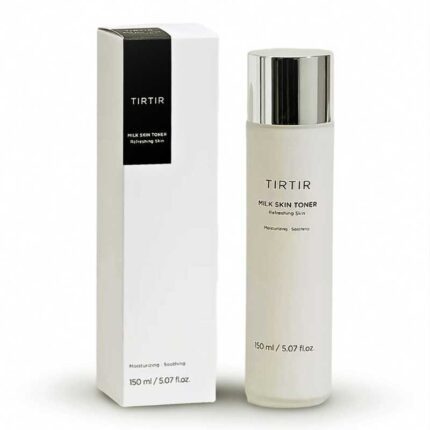 Sale
SaleOriginal price was: ৳ 4,600.00.৳ 3,220.00Current price is: ৳ 3,220.00.
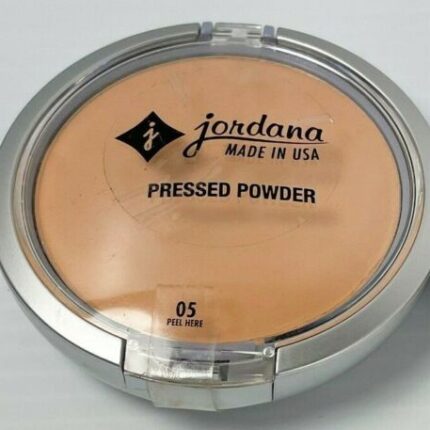 Sale
SaleOriginal price was: ৳ 720.00.৳ 650.00Current price is: ৳ 650.00.
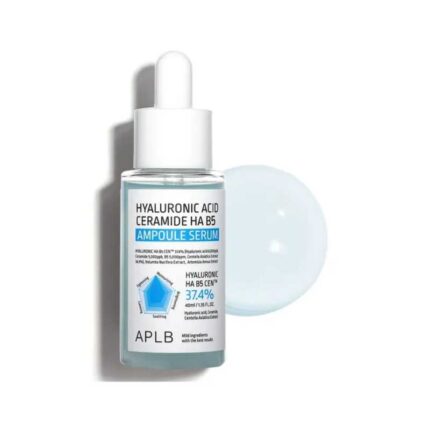 Sale
SaleOriginal price was: ৳ 1,300.00.৳ 910.00Current price is: ৳ 910.00.
 Sale
SaleOriginal price was: ৳ 550.00.৳ 350.00Current price is: ৳ 350.00.
The Skin Benefits of N-Acetyl Glucosamine
N-Acetyl Glucosamine provides a multitude of benefits for skin. It is recognized as a barrier support ingredient. This compound strengthens the skin’s protective layer. It also acts as a pigmentation reducing compound. Many dermatologists now recommend its inclusion in skincare routines. Its effects are both visible and foundational for skin health.
Boosting Skin Hydration
One of NAG’s primary benefits is its ability to enhance skin hydration. As a precursor to hyaluronic acid, it boosts the skin’s moisture content. This leads to plumper, more supple skin. Well-hydrated skin appears smoother. Fine lines and wrinkles become less noticeable. Your skin feels softer to the touch. This makes NAG essential for dry or dehydrated complexions.
The skin’s natural moisturizing factors benefit greatly from NAG. It helps maintain optimal water levels within the epidermis. This internal hydration mechanism is powerful. It works more deeply than simply applying moisture from the outside. Consistent use leads to lasting hydration. Skin feels comfortable and looks revitalized. This is a crucial aspect of healthy skin. Research confirms these hydrating effects.
Enhancing Skin Barrier Function
A healthy skin barrier protects against environmental stressors. It prevents moisture loss. N-Acetyl Glucosamine is a vital barrier support ingredient. It strengthens the skin’s natural defenses. This makes the skin more resilient. It is less susceptible to irritation. A strong barrier means fewer issues like redness. It also means less dryness and sensitivity. Your skin maintains its integrity better.
Studies show NAG helps repair a compromised barrier. It supports the synthesis of ceramides. Ceramides are lipids essential for barrier function. This repair mechanism is profound. It results in healthier, more robust skin. The skin becomes better equipped to handle daily challenges. This benefit is particularly important for sensitive skin types. It promotes long-term skin health. Many people find relief from chronic dryness. It helps protect against external aggressors. This includes pollutants and harsh weather conditions.
Addressing Uneven Skin Tone
Many individuals struggle with dark spots and uneven pigmentation. N-Acetyl Glucosamine functions as a pigmentation reducing compound. It works by inhibiting tyrosinase. Tyrosinase is an enzyme involved in melanin production. Melanin causes hyperpigmentation. By reducing its activity, NAG helps fade existing dark spots. It also prevents new ones from forming. This action leads to a more even skin tone. Your complexion becomes brighter and more uniform.
This effect is often enhanced when combined with niacinamide. Together, they create a powerful duo. They tackle various forms of hyperpigmentation. These include sun spots and post-inflammatory hyperpigmentation. For example, old acne marks can visibly lighten. This makes NAG a valuable ingredient for a brighter appearance. It delivers noticeable results for many users. Consistent application is key for optimal improvement. It helps reveal clearer skin. This allows your natural radiance to shine through.
Calming Skin Irritation
Sensitive or irritated skin can benefit from N-Acetyl Glucosamine. It possesses mild anti-inflammatory properties. These properties help soothe and calm stressed skin. It can reduce redness associated with irritation. It brings a sense of relief to angry skin. This makes it suitable for reactive complexions. Those prone to rosacea or general sensitivity often find it helpful. Its gentle nature is a significant advantage.
The skin’s comfort level improves with regular use. It helps mitigate the effects of environmental aggressors. This includes pollution or harsh weather. It helps restore balance to irritated areas. This soothing action contributes to overall skin well-being. It promotes a more serene complexion. Many people report less discomfort. This leads to healthier and happier skin. It is an ideal addition to a gentle skincare routine.
How to Incorporate N-Acetyl Glucosamine into Your Routine
Adding N-Acetyl Glucosamine to your skincare is straightforward. It is available in various product forms. This includes serums, moisturizers, and toners. The best method depends on your personal preferences. It also depends on your specific skin concerns. Integrating it gradually is always a good practice. This allows your skin to adjust to new ingredients. Start slowly for best results.
Topical Application
Topical products containing N-Acetyl Glucosamine are widely available. Serums often have higher concentrations. Apply serums after cleansing and toning. Follow with your regular moisturizer. Look for products that list NAG high on the ingredient list. This indicates a meaningful concentration. Most formulations are gentle enough for daily use. Apply once or twice a day. Many people notice improvements within weeks. Consistency is key for lasting effects. Always check product instructions.
Moisturizers with NAG provide continuous delivery to the skin. They are great for maintaining hydration. They also support barrier function throughout the day. Some toners also include this beneficial ingredient. They prepare your skin for subsequent steps. Layering these products can maximize benefits. Pay attention to how your skin responds. Adjust usage as needed for comfort. It is generally well-tolerated. This makes it an easy addition to most regimens.
Oral Supplements
N-Acetyl Glucosamine is also available as an oral supplement. It supports joint health and gut health. Some individuals take it for broader systemic benefits. Research is ongoing regarding direct oral benefits for skin. However, a healthy body often translates to healthier skin. Discuss any new supplements with your doctor. They can provide personalized advice. This ensures it is suitable for your health. Oral supplements complement topical treatments. They do not replace them.
For skin concerns, topical application remains the most direct route. It delivers the ingredient exactly where it is needed. Always follow dosage recommendations for oral supplements. Never exceed the suggested amount. Quality varies among brands. Choose reputable manufacturers. This ensures product purity and efficacy. Your doctor can help guide your choices. They ensure safety and effectiveness. This dual approach offers comprehensive support.
Choosing the Right Products
Selecting the right N-Acetyl Glucosamine product is important. Look for formulations designed for your skin type. Check for complementary ingredients. Antioxidants and other hydrators work well with NAG. Avoid products with excessive fragrances. These can sometimes irritate sensitive skin. Read ingredient lists carefully. Ensure NAG is present in a good concentration. It should appear within the first third of the list. This usually indicates effectiveness.
Patch testing new products is always advisable. Apply a small amount to an inconspicuous area. This might be behind your ear or on your inner arm. Wait 24-48 hours for any reaction. This helps prevent widespread irritation. It ensures compatibility with your skin. Products from reputable brands offer greater reliability. Research reviews and brand ethics. Making informed choices benefits your skin. It helps you achieve optimal results. Many people find success with careful selection.
N-Acetyl Glucosamine vs. Other Skincare Ingredients
The skincare landscape is full of effective ingredients. Understanding how N-Acetyl Glucosamine compares is useful. It often works synergistically with other compounds. It can enhance their benefits. Knowing these differences helps tailor your routine. It ensures you select the best ingredients. This allows for a more targeted approach. Many ingredients address similar concerns. However, their mechanisms of action vary. Comparing them helps clarify choices.
NAG vs. Hyaluronic Acid
Hyaluronic acid is a powerful humectant. It draws moisture from the environment into the skin. N-Acetyl Glucosamine is a precursor to hyaluronic acid. This means NAG helps the skin produce its own hyaluronic acid. Both are excellent for hydration. However, their roles differ slightly. Hyaluronic acid offers immediate, surface-level hydration. NAG provides deeper, internal moisture support. It builds the skin’s capacity for hydration. This is a crucial distinction. Many people use both together. They form a comprehensive hydrating strategy. One does not necessarily replace the other. Combining them offers superior results. It ensures both external and internal moisture. This dual action keeps skin plump. It maintains skin’s youthful elasticity.
NAG vs. Niacinamide
Niacinamide, or Vitamin B3, is a versatile ingredient. It addresses various skin concerns. These include redness, pores, and barrier function. It also helps with hyperpigmentation. N-Acetyl Glucosamine similarly targets pigmentation and barrier support. When used together, they create a potent combination. Their mechanisms for reducing dark spots differ. Niacinamide prevents melanin transfer to skin cells. NAG inhibits melanin production directly. This dual approach tackles pigmentation from two angles. It makes them highly effective partners. Many formulations combine these two powerful ingredients. They offer comprehensive benefits. This includes improved tone and texture. They reduce overall skin concerns. This partnership is highly beneficial. It maximizes results for many users. Dermatologists often recommend this pairing.
NAG vs. Alpha Hydroxy Acids (AHAs)
Alpha Hydroxy Acids, like glycolic or lactic acid, exfoliate the skin. They remove dead skin cells. This reveals brighter, smoother skin. They are effective for texture improvement and tone. N-Acetyl Glucosamine does not exfoliate in the same way. Instead, it supports cell turnover and hydration internally. It focuses on barrier repair and pigmentation reduction. AHAs can sometimes cause irritation. NAG is generally very gentle. For sensitive skin, NAG offers a milder approach. It still delivers significant benefits. Combining them requires careful consideration. AHAs are typically used less frequently. NAG can be used daily. It works to soothe skin. It supports the results of exfoliation. They serve different but complementary roles. One focuses on exfoliation. The other emphasizes repair and hydration. This balance is important for skin health.
Potential Side Effects and Precautions
N-Acetyl Glucosamine is generally well-tolerated. Side effects are rare, especially with topical use. However, as with any skincare ingredient, individual reactions can occur. Always perform a patch test first. This helps identify any sensitivities. Apply a small amount to a discreet area. Wait 24 to 48 hours. Look for redness, itching, or irritation. This simple step prevents widespread issues. It ensures a safe introduction to your routine. Most people experience no adverse reactions. Its natural occurrence in the body aids this tolerance.
Oral supplements of NAG may have different considerations. Some individuals might experience mild digestive upset. This could include gas or bloating. Starting with a lower dose is advisable. Gradually increase to the recommended amount. This helps your body adjust. Consult a healthcare professional before starting any new supplement. This is particularly important if you have underlying health conditions. It is also important if you take other medications. Pregnant or nursing individuals should also seek medical advice. Safety during these times is paramount. Always prioritize professional guidance. This ensures the best outcomes. It guarantees your well-being.
When to Consult a Professional
If you experience persistent irritation from topical NAG, discontinue use. Consult a dermatologist for guidance. They can assess your skin condition. They can help determine the cause of the reaction. This professional advice is invaluable. Do not continue using a product that causes discomfort. Your skin’s health is the priority. Always listen to your body’s signals. A professional can offer alternative solutions. They can recommend other beneficial ingredients. This ensures your skincare journey is safe. It helps it remain effective.
For oral supplements, if you notice significant side effects, stop taking them. Contact your doctor immediately. They can evaluate the symptoms. They can determine if NAG is the cause. Never ignore severe reactions. Your health should always come first. A medical professional can provide clear instructions. They ensure you receive proper care. This proactive approach is essential. It safeguards your overall health. It prevents potential complications. Seek medical attention promptly if needed.
Research and Future of N-Acetyl Glucosamine
Research into N-Acetyl Glucosamine continues to expand. Scientists are exploring its full potential. Studies consistently confirm its efficacy in skincare. They highlight its roles in hydration and barrier support. Its pigmentation-reducing capabilities are also well-documented. These findings reinforce its value. This continuous research builds a stronger evidence base. It helps dermatologists understand its mechanisms better. The scientific community is deeply interested in its applications.
Beyond skin, NAG is investigated for broader health benefits. Its role in autoimmune diseases shows promise. Its impact on O-GlcNAcylation is a key area of study. This process affects cellular function significantly. Understanding these complex pathways is vital. Future developments may uncover even more uses. This compound represents a significant area of biological research. Its versatility makes it fascinating. The future holds exciting possibilities. Many new discoveries are anticipated. This ongoing inquiry benefits human health.
Frequently Asked Questions
What exactly is N-Acetyl Glucosamine?
N-Acetyl Glucosamine is an amino sugar that occurs naturally in the body. It is a derivative of glucose. It is a foundational building block for larger molecules. It supports various biological functions. This includes the production of hyaluronic acid.
How does N-Acetyl Glucosamine help with dark spots?
N-Acetyl Glucosamine acts as a pigmentation reducing compound. It inhibits the enzyme tyrosinase. Tyrosinase is crucial for melanin production. This action helps to fade existing dark spots. It also prevents new hyperpigmentation from forming.
Is N-Acetyl Glucosamine safe for sensitive skin?
Yes, N-Acetyl Glucosamine is generally considered safe. It is gentle enough for sensitive skin types. It even offers soothing properties. Always perform a patch test first. This confirms individual tolerance. Most users find it very tolerable.
Can N-Acetyl Glucosamine be used with Vitamin C?
Absolutely, N-Acetyl Glucosamine can be used with Vitamin C. They work well together. Vitamin C is a powerful antioxidant. It brightens skin. This combination offers enhanced brightening effects. It improves overall skin tone. They are a great pairing.
Final Thoughts
N-Acetyl Glucosamine is a truly remarkable ingredient for skin health. It goes beyond simple hydration. It actively supports your skin’s natural functions. As a powerful barrier support ingredient, it strengthens your skin. It also acts as a pigmentation reducing compound. This helps achieve a more even complexion. Embracing N-Acetyl Glucosamine in your routine can transform your skin. Choose high-quality products. Use them consistently for the best results. Your skin will thank you for this nourishing addition. Prioritize this exceptional compound for a radiant look.