
Arbutin: Your Guide to Brighter, Even-Toned Skin

Do you struggle with uneven skin tone? Are dark spots and sun damage making you feel self-conscious? Many people seek solutions for a more luminous complexion. Arbutin offers a promising answer as a gentle yet effective skin brightening ingredient.
What is Arbutin?
Arbutin is a natural compound. It primarily comes from the bearberry plant. This natural glycoside helps visibly brighten skin. It also effectively reduces the appearance of dark spots. Studies show its powerful benefits. Many skincare experts recommend its use. This makes it a popular choice.
It exists in various plant sources. These include cranberries and blueberries. Scientists can also create Arbutin synthetically. This allows for controlled purity and concentration. Both forms provide similar skin benefits. They target concerns like hyperpigmentation. Therefore, it is a versatile compound.
The Science Behind Arbutin’s Action
Arbutin works by inhibiting an enzyme. This enzyme is called tyrosinase. Tyrosinase plays a crucial role in melanin production. Melanin causes skin pigmentation. This means it controls how dark your skin becomes. Blocking this enzyme is key.
By preventing excess pigment formation, Arbutin leads to a more even skin tone. Therefore, it acts as a powerful pigmentation reducing compound. It achieves this without significant irritation. This makes it a favored option. It addresses discolorations at their source.
Natural Sources and Synthetic Forms
Natural Arbutin is found in several plants. The bearberry plant is its most famous source. Its leaves contain high concentrations. This compound has been used in traditional medicine for centuries. It also appears in certain types of wheat and pears. These sources offer distinct profiles.
Synthetic Arbutin is made in laboratories. This process ensures consistent quality. It also allows for greater stability. Formulators can control its properties. This provides a reliable supply for cosmetic products. Both natural and synthetic versions are highly effective. They deliver similar results.
Recommended Products
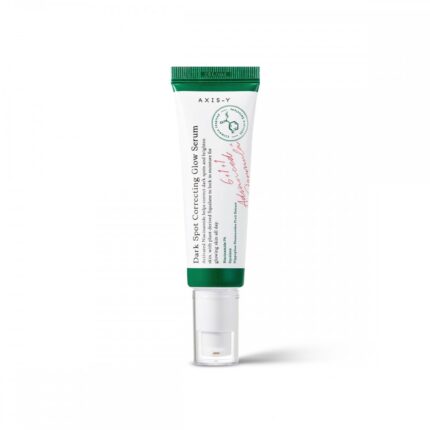 Sale
SaleOriginal price was: ৳ 1,790.00.৳ 1,175.00Current price is: ৳ 1,175.00.
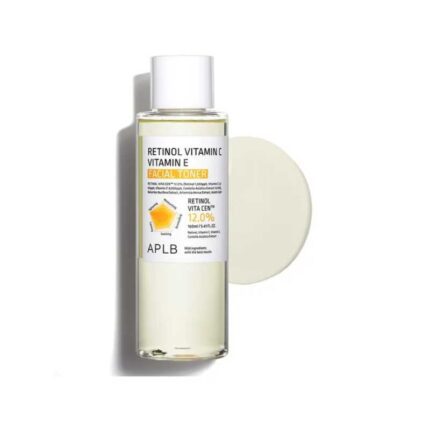 Sale
SaleOriginal price was: ৳ 1,760.00.৳ 1,232.00Current price is: ৳ 1,232.00.
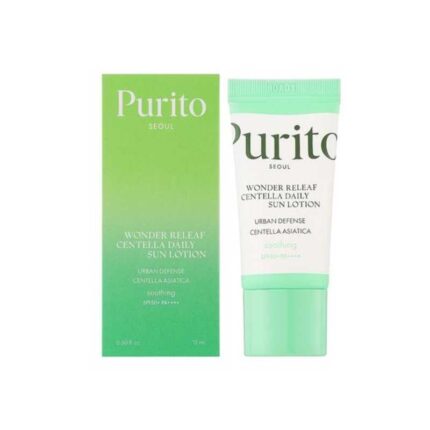 Sale
SaleOriginal price was: ৳ 440.00.৳ 320.00Current price is: ৳ 320.00.
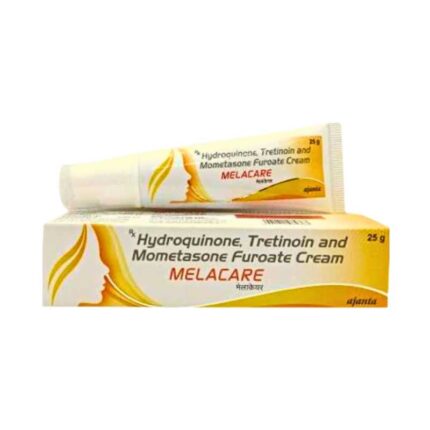
Benefits of Arbutin for Skin
Arbutin offers several significant benefits. It helps achieve a more uniform skin appearance. This compound targets specific pigment concerns. It improves overall skin radiance. Many users notice a visible difference. This makes it a highly desired ingredient.
Compared to some other brighteners, Arbutin is quite gentle. It causes less irritation. This makes it suitable for sensitive skin types. Users can enjoy its benefits. They often experience fewer adverse reactions. This factor broadens its appeal greatly.
Fading Dark Spots and Hyperpigmentation
A primary benefit of Arbutin is its ability to fade dark spots. These spots include age spots and sun spots. It effectively reduces post-inflammatory hyperpigmentation. This often results from acne breakouts. Arbutin specifically targets these pigmented areas.
Studies show consistent use yields positive results. The darkened patches gradually lighten. This creates a smoother skin canvas. Many dermatologists recommend it. They use it as part of a comprehensive treatment plan. Patients often see significant improvement.
Evening Out Skin Tone
Arbutin is excellent for evening out skin tone. It addresses overall complexion inconsistencies. Many factors contribute to uneven tone. Sun exposure and hormonal changes are common culprits. Arbutin helps mitigate these effects. It promotes a balanced skin color.
Regular application helps diminish blotchiness. It also minimizes discoloration. This leads to a more cohesive skin appearance. Users report a healthier, brighter glow. This benefit contributes significantly to cosmetic appeal. It makes skin look refreshed.
A Gentle Alternative to Other Brighteners
Some potent skin brighteners can be harsh. They may cause redness or peeling. Hydroquinone is one such example. Arbutin offers a milder alternative. It provides similar lightening effects. However, it does so with less risk of irritation. This gentle action is a major advantage.
It suits individuals with sensitive skin. Those prone to adverse reactions find it beneficial. Arbutin provides effective results. Yet it remains kind to the skin barrier. This balance of efficacy and gentleness is rare. It makes Arbutin a standout ingredient.
Alpha Arbutin vs. Beta Arbutin: What’s the Difference?
Arbutin comes in two main forms. These are Alpha Arbutin and Beta Arbutin. While both target pigmentation, they have key differences. Understanding these variations helps consumers. It assists in choosing the most suitable product. Each form offers unique attributes.
Alpha Arbutin
Alpha Arbutin is a synthetic molecule. It is considered more stable. Its stability leads to greater efficacy. Research indicates it is ten times stronger than Beta Arbutin. This means it delivers faster results. It provides more pronounced brightening effects.
Alpha Arbutin is water-soluble. This makes it easy to formulate. It penetrates the skin effectively. Its chemical structure makes it resistant to heat. This stability ensures the product remains potent. Many premium skincare brands prefer it. They use it for its superior performance.
Beta Arbutin
Beta Arbutin is the natural form of Arbutin. It is extracted directly from plants. Bearberry is its primary botanical source. This form is also effective. However, it is less stable than its alpha counterpart. This means its potency can diminish over time.
Beta Arbutin is generally more affordable. It is widely available in many products. It still delivers noticeable brightening. However, results might be slower. Its natural origin appeals to some users. They prefer plant-derived ingredients. Both forms require consistent use.
Choosing the Right Type
Your choice depends on your needs. Consider skin sensitivity and desired speed. If you seek stronger, faster results, choose Alpha Arbutin. Its enhanced stability helps. It works efficiently on stubborn dark spots. Many users see rapid improvement.
If you prefer natural ingredients, Beta Arbutin is a good option. It is also suitable for sensitive skin. It provides gentle lightening over time. Consider your budget as well. Beta Arbutin products are often less expensive. Both types are beneficial for pigmentation reducing compound effects.
How to Incorporate Arbutin into Your Skincare Routine
Adding Arbutin to your routine is simple. It integrates easily with most products. Consistency is the most important factor. Always follow product instructions carefully. This ensures optimal results and safety. Proper application enhances its benefits.
Finding the Right Product
Arbutin is available in many formats. Serums are a popular choice. They deliver concentrated ingredients. Creams and lotions also contain Arbutin. Choose a product based on your skin type. Look for formulations with 1-2% Alpha Arbutin. This concentration is often very effective.
Read product labels carefully. Ensure Arbutin is listed high up. This indicates a good concentration. Consider other complementary ingredients. Some products combine Arbutin with Vitamin C. This combination can boost brightening effects. Research different brands thoroughly.
Application Tips for Best Results
Apply Arbutin after cleansing and toning. It generally comes in a serum form. Dispense a few drops onto your fingertips. Gently pat it onto your face and neck. Focus on areas with hyperpigmentation. Use it once or twice daily. This depends on product instructions.
Always follow with a moisturizer. This helps lock in hydration. During the day, apply sunscreen. Sun protection is vital with brightening ingredients. It prevents new dark spots from forming. It also protects existing improvements. Never skip this crucial step.
Pairing with Other Ingredients
Arbutin pairs well with many ingredients. Niacinamide complements its brightening action. Vitamin C enhances antioxidant protection. Hyaluronic acid adds hydration. These combinations can provide synergistic benefits. They improve skin health further.
However, avoid combining with strong retinoids initially. Introduce new products slowly. This helps prevent potential irritation. Always listen to your skin’s response. Patch test new combinations first. This cautious approach ensures best outcomes. It maintains skin comfort.
Potential Side Effects and Safety Considerations
Arbutin is generally considered safe. Most users tolerate it well. However, like any active ingredient, side effects can occur. Understanding these helps users make informed decisions. It allows for safe and effective use. Always consult a dermatologist if concerns arise.
Common Side Effects
Mild irritation is possible, but rare. Some individuals may experience slight redness. A tingling sensation might occur after application. These effects are usually temporary. They often subside as the skin adjusts. Discontinue use if irritation persists.
Allergic reactions are also uncommon. Patch testing is highly recommended. Apply a small amount to an inconspicuous area. Monitor for 24-48 hours. This helps identify any sensitivities. It prevents widespread skin reactions. Your skin’s health is paramount.
Who Should Use Caution?
Individuals with extremely sensitive skin should proceed carefully. Start with lower concentrations of Arbutin. Introduce it gradually into your routine. Pregnant or nursing individuals should consult a doctor. This applies to any new skincare product. Always prioritize safety.
Those with compromised skin barriers might also experience sensitivity. Ensure your skin is healthy first. Address any underlying issues before using active ingredients. This includes conditions like eczema or rosacea. Protecting the skin barrier is crucial. It supports overall skin health.
The Importance of Patch Testing
Patch testing is a critical step. It helps determine skin compatibility. Apply a small amount of product behind your ear. Alternatively, use it on your inner forearm. Observe the area for any adverse reactions. Look for redness, itching, or swelling.
This simple test can prevent discomfort. It avoids potential irritation on your face. Perform it for at least 24 hours. A negative reaction means the product is likely safe. This proactive approach ensures a positive experience. It minimizes risks effectively.
Arbutin in Comparison to Other Brightening Agents
The market offers many skin brightening ingredients. Each has unique mechanisms and profiles. Arbutin stands out due to its gentle efficacy. Understanding its place among others is helpful. This comparison assists in choosing the right ingredient. It matches needs to benefits.
Arbutin vs. Hydroquinone
Hydroquinone is a powerful skin lightener. It delivers rapid and significant results. However, it often comes with side effects. These include irritation, redness, and dryness. Long-term use is sometimes controversial. It can cause ochronosis in rare cases.
Arbutin is considered a safer alternative. It works more slowly than hydroquinone. Yet, it causes much less irritation. It is also suitable for long-term use. Dermatologists often recommend Arbutin. They suggest it for consistent brightening. It offers a gentle approach.
Arbutin vs. Kojic Acid
Kojic acid also inhibits tyrosinase. It is derived from fungi. It is an effective skin brightener. However, kojic acid can be unstable. It may oxidize and lose potency. Some users experience irritation from it. It can also cause contact dermatitis.
Arbutin offers greater stability. It is often less irritating than kojic acid. Its efficacy is more consistent over time. Both are pigmentation reducing compounds. Yet Arbutin provides a steadier performance. It is a reliable choice for many. This stability is a key advantage.
Arbutin vs. Vitamin C
Vitamin C is a powerful antioxidant. It brightens skin and protects from damage. It also helps inhibit melanin production. However, Vitamin C can be unstable. Its effectiveness depends on its formulation. Some forms may cause sensitivity.
Arbutin specifically targets the tyrosinase enzyme. Vitamin C has a broader range of actions. They work well together in a routine. Combining them can boost results. Arbutin provides a focused brightening effect. Vitamin C offers overall skin health benefits. Both are valuable components.
Understanding the Origin and Sourcing of Arbutin
Arbutin’s journey from plant to product is fascinating. Its natural origins offer insight. Modern science allows for synthetic creation. Both routes provide effective skincare ingredients. Knowing the source enhances appreciation. It informs product choices as well.
Natural Plant Extracts
The bearberry plant (Arctostaphylos uva-ursi) is a key source. Its leaves are rich in Arbutin. Traditional medicine has used bearberry for centuries. It was valued for its medicinal properties. Other plants like cranberries and blueberries also contain it. These are common food sources.
Extracting Arbutin from plants involves careful processing. This preserves the active compound. Natural extracts often contain other beneficial compounds. These include antioxidants. They contribute to overall skin health. This holistic benefit appeals to many users.
Synthetic Production of Arbutin
Scientists synthesize Arbutin in laboratories. This method ensures high purity. It allows for consistent quality control. Synthetic Alpha Arbutin is highly valued. Its enhanced stability makes it superior. This ensures product efficacy throughout its shelf life.
Synthetic production offers scalability. It provides a reliable supply. This meets the demands of the skincare industry. It also allows for cost-effectiveness. Both natural and synthetic forms contribute to the availability. They make Arbutin accessible globally.
Frequently Asked Questions
Is Arbutin suitable for all skin types?
Yes, Arbutin is generally well-tolerated. It is often recommended for sensitive skin. However, always perform a patch test first. This ensures no individual sensitivities exist. It is a versatile ingredient.
How long does it take to see results from Arbutin?
Visible results typically appear within 1-2 months. Consistent daily use is essential. Individual outcomes vary. Patience and regular application are key.
Can Arbutin be used during pregnancy?
Pregnant or nursing individuals should consult a doctor. Always seek medical advice. This applies before using any new skincare product. Safety is the top priority.
Does Arbutin make skin more sensitive to the sun?
Arbutin does not directly increase sun sensitivity. However, any brightening routine requires sun protection. Always use a broad-spectrum SPF. This prevents new pigmentation.
Final Thoughts
Achieving an even, radiant complexion is a common goal. Arbutin stands out as a reliable option. This powerful skin brightening ingredient offers effective results. It works gently to reduce hyperpigmentation. Consider incorporating it into your routine for brighter skin.