
Keratin Protein: Your Guide to Stronger Hair

Do you dream of stronger, shinier hair? Many people struggle with dull, brittle strands. Understanding keratin protein can transform your hair. This powerful natural building block creates resilient and beautiful locks.
What Exactly is Keratin Protein?
Keratin protein is a fibrous protein. It forms the main structural component of hair, skin, and nails. This vital substance protects these tissues. It also helps them maintain their elasticity and strength. Human keratin differs slightly from animal keratin.
Our bodies naturally produce keratin. This process helps repair and grow new cells. However, environmental factors can damage our natural keratin. Heat styling, chemical treatments, and sun exposure reduce its presence. This damage makes hair feel weaker.
The Structure of Keratin
Keratin is rich in specific amino acids. Cysteine is a very important one. These amino acids form strong disulfide bonds. They create a robust and durable structure. This unique composition gives hair its strength.
There are two main types of keratin. Alpha-keratin exists in mammals. Beta-keratin is found in reptiles and birds. This article focuses on alpha-keratin. It is the type relevant to human hair.
Recommended Products
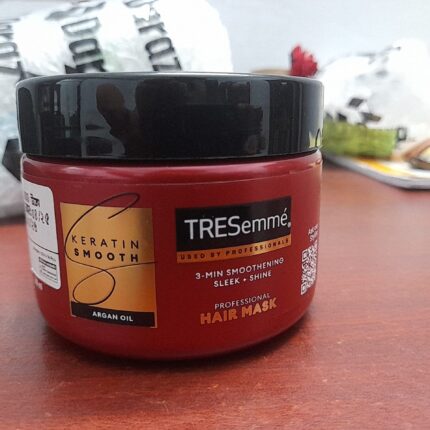 Sale
SaleOriginal price was: ৳ 1,200.00.৳ 950.00Current price is: ৳ 950.00.
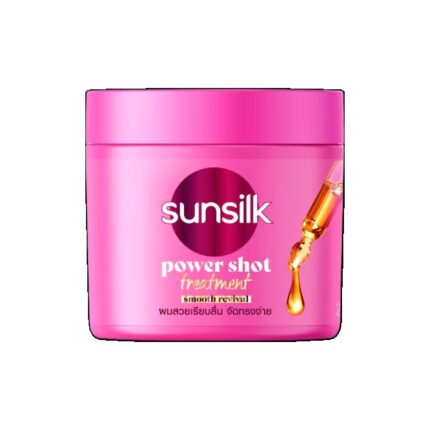 Sale
SaleOriginal price was: ৳ 1,200.00.৳ 999.00Current price is: ৳ 999.00.
View Details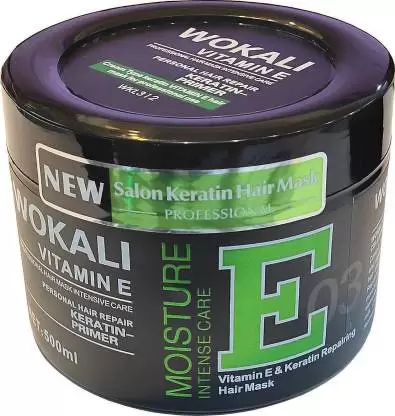 Sale
SaleOriginal price was: ৳ 2,400.00.৳ 1,600.00Current price is: ৳ 1,600.00.
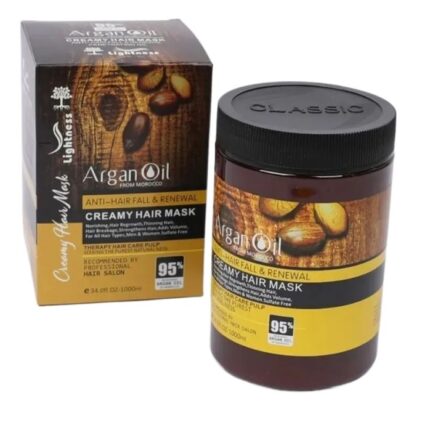 Sale
SaleOriginal price was: ৳ 1,200.00.৳ 950.00Current price is: ৳ 950.00.
The Science Behind Keratin: How it Works
Keratin forms protective layers on the hair strand. These layers act like armor. They shield the inner cortex from damage. When hair becomes damaged, these layers break down. This causes frizz, dryness, and breakage.
Applying keratin-rich products helps. They replenish lost protein. The new protein fills in gaps along the cuticle. This process smooths the hair’s surface. It also restores integrity to the strand.
Studies show that keratin treatments can significantly improve hair texture. They reduce porosity. This means hair absorbs less water. This benefit helps prevent frizz in humid conditions.
Benefits of Keratin Protein for Hair Health
Many people seek out keratin treatments. They offer several notable advantages. Hair looks and feels much better. The improvements are often visible quickly.
Improved Hair Strength
Keratin protein directly strengthens hair. It reinforces the hair shaft. This makes strands less prone to breakage. Stronger hair tolerates styling better. It also resists daily wear and tear.
Weak hair often feels limp. Its elasticity might be poor. Introducing more keratin can reverse this. Hair becomes more robust and resilient. This change prevents future damage.
Enhanced Smoothness and Shine
Damaged hair cuticles are rough. They scatter light instead of reflecting it. Keratin helps smooth these cuticles down. It creates a flatter, more even surface. This results in incredible shine.
Frizz often comes from raised cuticles. The hair absorbs moisture from the air. This causes it to swell. Keratin forms a protective barrier. It locks out excessive humidity. This action keeps hair smooth.
Reduced Frizz and Flyaways
Managing frizzy hair is a common challenge. Humidity can make it worse. Keratin treatments combat this issue effectively. They seal the hair cuticle. This prevents moisture from entering the hair shaft.
As a result, hair remains sleek. It stays smooth even on damp days. This benefit saves styling time. It also makes hair feel much more manageable.
Faster Drying Time
Hair that is porous absorbs more water. This makes it take longer to dry. Keratin treatments reduce hair porosity. The hair holds less water after washing. This significantly cuts down drying time.
Less drying time means less heat exposure. This helps prevent further damage. It also makes your routine more efficient. Many individuals find this particular benefit very helpful.
Keratin’s Role in Skin and Nails
Keratin is not just for hair. It is a vital component of skin and nails too. This protein provides structural integrity. It helps maintain their health and appearance. Understanding its role here is important.
For Skin Health
Our skin’s outermost layer contains keratin. This layer is called the epidermis. Keratin forms a protective barrier. This barrier defends against environmental aggressors. It also prevents moisture loss.
Healthy keratin in skin keeps it supple. It helps skin feel soft. When skin lacks sufficient keratin, it can become rough. It might also feel dry and flaky. This is why some skincare products include keratin. They aim to support skin’s natural defenses.
For Nail Strength
Nails are almost entirely made of keratin. This hard protein makes them strong. It helps them resist bending and breaking. Weak, brittle nails often lack sufficient keratin structure. This can be due to diet or damage.
Nail care products sometimes include keratin. They aim to fortify the nail plate. This can improve nail strength. It also promotes healthier nail growth. Many people see stronger nails with proper care.
Understanding Different Types of Keratin
Not all keratin is created equal. Different forms exist for various applications. Knowing the distinctions helps consumers choose wisely. The processing method greatly affects its properties.
Alpha-Keratin
Alpha-keratin is the most common form in humans. It is what our hair, skin, and nails are made of. This type is generally flexible. It forms coiled structures within the cells. This flexibility allows for movement. Therefore, it is crucial for hair elasticity.
Beta-Keratin
Beta-keratin is harder and more rigid. It is found in animal structures. Examples include reptile scales and bird feathers. It has a different molecular structure. This makes it less relevant for human cosmetic products. Its rigidity would not suit human hair.
Hydrolyzed Keratin Ingredient
The term “hydrolyzed keratin ingredient” refers to keratin that has undergone a process. Hydrolysis breaks down the protein. It creates smaller peptides. These peptides can penetrate hair and skin more easily. They are small enough to enter the cuticles.
This smaller size is beneficial. Larger keratin molecules often just sit on the surface. Hydrolyzed keratin can deliver benefits deep inside. It helps rebuild and repair from within. Many effective products use this form.
Hydrolyzed Keratin Ingredient: What to Look For
When shopping for products, check ingredient lists. The presence of a hydrolyzed keratin ingredient is a good sign. However, its position on the list matters. Higher placement suggests a greater concentration.
Why Hydrolyzed is Key
Hydrolyzed keratin has a low molecular weight. This allows it to penetrate the hair shaft. It effectively repairs damage. It also strengthens the hair structure from within. This leads to lasting improvements. It does not simply coat the surface.
Look for terms like “hydrolyzed keratin.” You might also see “hydrolyzed wheat protein” or “hydrolyzed silk protein.” These are other beneficial protein compounds. They offer similar fortifying effects to hair. They provide a strengthening protein compound.
Sourcing and Quality
The source of keratin also influences quality. Some keratin comes from sheep’s wool. Other sources include feathers or hooves. Ethical sourcing is important to many consumers. Reputable brands often detail their sourcing practices. They ensure purity and effectiveness.
Check for additional beneficial ingredients too. Products with vitamins, oils, or natural extracts work well. These complementary ingredients enhance keratin’s effects. They provide a more comprehensive treatment. Always choose quality ingredients.
Choosing the Right Keratin Products
The market offers many keratin-infused products. This variety can feel overwhelming. Knowing what to choose helps. Consider your hair type and specific needs carefully.
Shampoos and Conditioners
Keratin shampoos and conditioners are daily essentials. They provide ongoing protein support. Use them for maintaining healthy hair. They gently cleanse while depositing protein. This helps prevent future damage.
These products are suitable for all hair types. They work especially well for damaged or chemically treated hair. Look for sulfate-free options. Sulfates can strip hair of its natural oils. They can also diminish keratin’s benefits.
Hair Masks and Treatments
Intensive hair masks offer a deeper treatment. They provide a concentrated dose of keratin. Use them once or twice a week. These masks deeply penetrate the hair shaft. They offer significant repair and nourishment. Leave them on for the recommended time.
Leave-in treatments provide continuous protection. Apply them after washing your hair. They protect against heat styling damage. They also guard against environmental stressors. These treatments keep hair smooth and strong all day.
Styling Products with Keratin
Many styling products also contain keratin. These include serums, sprays, and creams. They offer styling benefits with added protein care. They can help reduce frizz while shaping hair. This offers a dual benefit for users.
When selecting styling products, check the labels. Ensure they contain a hydrolyzed keratin ingredient. This guarantees deeper benefits. It also provides a strengthening protein compound. These products help maintain hair health during styling.
Keratin Treatments: Professional vs. At-Home
Keratin treatments are very popular. They promise smoother, straighter, and frizz-free hair. You can get them professionally or do them yourself. Each option has its own considerations. Understand the differences before deciding.
Professional Keratin Treatments
Professional treatments are performed in salons. They use strong formulas. These formulas often contain formaldehyde or similar aldehydes. These chemicals bond keratin to the hair. This process creates very long-lasting results. Hair can stay smooth for months.
The process is often time-consuming. It can take several hours. Results are dramatic and very effective. However, these treatments can be expensive. They also involve chemicals that some prefer to avoid. Always discuss the ingredients with your stylist first.
At-Home Keratin Treatments
At-home kits offer a more affordable option. They typically use gentler formulas. Many are formaldehyde-free. These kits usually provide temporary results. Hair might stay smooth for a few weeks. They are easier to apply yourself.
Results may not be as dramatic as professional ones. They still offer significant improvement. They reduce frizz and add shine. Always follow the instructions carefully. This ensures the best and safest outcome. These options provide a convenient strengthening protein compound.
Maintaining Your Keratin Results
Proper aftercare extends the life of your keratin treatment. It also maintains overall hair health. Small adjustments to your routine make a big difference. Consistency is key for lasting results.
Use Sulfate-Free Products
Sulfates are harsh detergents. They can strip keratin from your hair. Always use shampoos and conditioners. Ensure they are explicitly labeled “sulfate-free.” This helps preserve the treatment. It also protects your hair’s natural oils.
Limit Hair Washing
Washing your hair too frequently can diminish keratin’s effects. Try to extend the time between washes. Dry shampoo can help manage oiliness. This practice helps the keratin last longer. It also keeps your hair looking fresh.
Protect from Heat and Sun
Excessive heat can damage keratin. Always use a heat protectant spray. Apply it before any heat styling. UV rays also degrade hair proteins. Wear a hat when in direct sunlight for long periods. These steps prevent premature breakdown of the strengthening protein compound.
Avoid Chlorine and Saltwater
Chlorine in pools and salt in seawater can harm treated hair. They can strip away keratin. Rinse your hair with fresh water before swimming. Apply a leave-in conditioner as a barrier. Rinse again immediately after swimming. This minimizes exposure and damage.
Common Misconceptions About Keratin
Keratin is a widely discussed topic. Many myths surround its use and effects. Clearing up these misunderstandings is important. It helps you make informed decisions about hair care.
Keratin Permanently Straightens Hair
This is a common belief, but it is not entirely true. Keratin treatments smooth and de-frizz hair. They can make hair appear straighter. They do not permanently alter the hair’s curl pattern. Your natural texture will eventually return. This happens as the treatment wears off.
All Keratin Treatments Use Formaldehyde
Early professional keratin treatments often contained formaldehyde. Many newer formulas are formaldehyde-free. They use alternative ingredients. These ingredients offer similar smoothing effects. Always check the ingredient list. Ask your stylist about the components. This helps avoid unwanted chemicals.
Keratin Makes Hair Dependent on Products
Using keratin products does not make your hair dependent. It simply supplies essential protein. This protein helps repair and strengthen hair. If you stop using them, your hair returns to its previous state. It does not become worse than before. This is a common misconception.
The Strengthening Protein Compound in Cosmetics
The term “strengthening protein compound” often appears in cosmetic advertising. Keratin is a prime example of this. It delivers tangible benefits. These benefits include improved elasticity and reduced breakage. Many products aim to fortify hair and skin.
Beyond Keratin: Other Proteins
While keratin is a prominent strengthening protein compound, others exist. Collagen, silk protein, and wheat protein are also used. Each has unique properties. Collagen boosts skin elasticity. Silk protein provides smoothness. Wheat protein adds volume and strength.
Cosmetic chemists often combine these proteins. They create synergistic formulas. These blends offer a wider range of benefits. They address various concerns. Therefore, a product might contain multiple proteins.
How Proteins Fortify Hair
Proteins work by attaching to the hair cuticle. They fill in any damaged areas. This action smooths the surface. It makes hair stronger against external forces. This process protects against breakage. It also enhances overall hair health. This is why a strengthening protein compound is so valuable.
Regular use of protein-rich products is beneficial. It helps maintain the hair’s structural integrity. This prevents damage before it occurs. It also supports repair after damage. Many hair types benefit from protein treatments. They gain resilience and vitality.
Nutritional Support for Natural Keratin Production
External applications of keratin are helpful. However, supporting your body’s natural keratin production is also key. A balanced diet plays a crucial role. Specific nutrients contribute to healthy hair, skin, and nails. They provide the building blocks needed.
Protein-Rich Foods
Since keratin is a protein, adequate protein intake is essential. Include lean meats, fish, eggs, and dairy in your diet. Plant-based sources like lentils, beans, and nuts are also great. These foods supply the amino acids. These amino acids are necessary for keratin synthesis.
Biotin (Vitamin B7)
Biotin is a B vitamin. It is well-known for its role in hair and nail health. It aids in the production of keratin. Foods rich in biotin include eggs, nuts, sweet potatoes, and avocados. Many supplements also contain biotin. Consult a doctor before starting supplements.
Vitamins A, C, and D
These vitamins are crucial for healthy skin and hair. Vitamin A promotes cell growth. Vitamin C helps produce collagen, another structural protein. Vitamin D supports hair follicle cycling. Consume colorful fruits and vegetables. These foods provide these essential vitamins.
Minerals: Zinc, Iron, and Silica
Minerals are equally important. Zinc supports hair tissue growth and repair. Iron helps transport oxygen to hair follicles. Silica strengthens connective tissues. Include foods like nuts, seeds, leafy greens, and whole grains. They offer these vital minerals. A balanced intake supports robust keratin protein.
Frequently Asked Questions
What is keratin protein good for?
Keratin protein is excellent for strengthening hair and nails. It also helps protect skin. It improves elasticity and reduces breakage. It makes hair smoother and shinier. Many people see improved texture.
Does keratin treatment damage hair?
Professional keratin treatments, if improperly done, can cause damage. Formaldehyde-free options are generally safer. At-home kits are usually milder. Always follow instructions to avoid issues. Choose reputable stylists and products.
How long does keratin treatment last?
The duration varies significantly. Professional salon treatments can last up to six months. At-home kits usually last a few weeks. Proper aftercare greatly extends the results. Use sulfate-free products consistently.
Can men use keratin products?
Yes, keratin products are suitable for men. They address common hair concerns like frizz and breakage. Men can also benefit from stronger, healthier hair. The benefits are universal. Many men incorporate them into their grooming routines.
Final Thoughts
Understanding keratin protein is a powerful step. It leads to truly transformative hair care. This natural building block is essential for resilience. It ensures vibrance in your hair, skin, and nails. Make informed choices about products.
Always prioritize quality ingredients. A strengthening protein compound greatly benefits overall hair health. Incorporate nutrient-rich foods into your diet. This supports natural keratin production from within. You can achieve the strong, shiny hair you desire.