
Mannitol: The Hydrating Sugar Alcohol for Skin

Dry, dull skin often feels uncomfortable. Many people look for effective ingredients to restore hydration. Have you heard of mannitol? This unique sugar alcohol is quickly gaining recognition in the skincare world. It offers remarkable benefits for thirsty skin.
Understanding Mannitol: A Versatile Sugar Alcohol
Mannitol is a type of sugar alcohol. It occurs naturally in many fruits, vegetables, and fungi. For example, you can find it in celery, olives, and mushrooms. This compound has a sweet taste. However, the body absorbs it poorly compared to regular sugars. This characteristic makes it useful in various applications. It serves as a sweetener in foods. Mannitol also has important medical uses. Its properties make it very interesting for skincare products.
What Makes Mannitol a Sugar Alcohol?
Chemically, sugar alcohols are polyols. They have a structure similar to both sugars and alcohols. They contain hydroxyl groups. These groups allow them to attract and hold water molecules. This ability is key to their function as humectants. Mannitol is one of the most stable forms of these compounds. Its stability is a significant advantage in formulations. Many other sugar alcohols exist. Xylitol and sorbitol are common examples. Each has distinct properties. Mannitol stands out for its specific benefits in personal care.
Natural Occurrence and Production
Mannitol is abundant in nature. It is present in over 100 plant species. Brown algae is a particularly rich source. It also exists in various exudates from trees. For commercial use, mannitol is often produced. Manufacturers use the hydrogenation of fructose. This process yields a pure and consistent product. This ensures high quality for its many applications. The natural origins and production methods contribute to its appeal.
Recommended Products
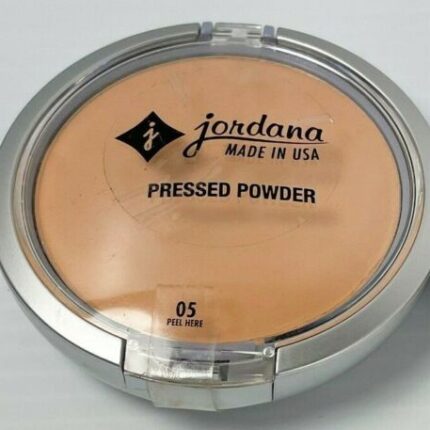 Sale
SaleOriginal price was: ৳ 720.00.৳ 650.00Current price is: ৳ 650.00.
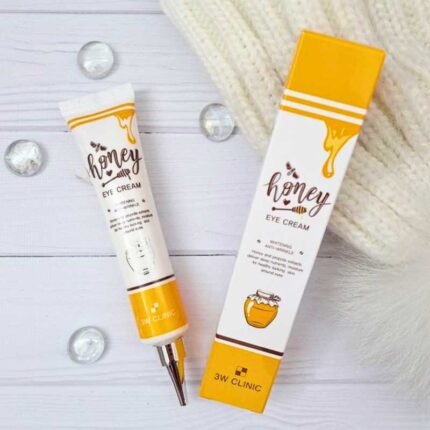 Sale
SaleOriginal price was: ৳ 550.00.৳ 350.00Current price is: ৳ 350.00.
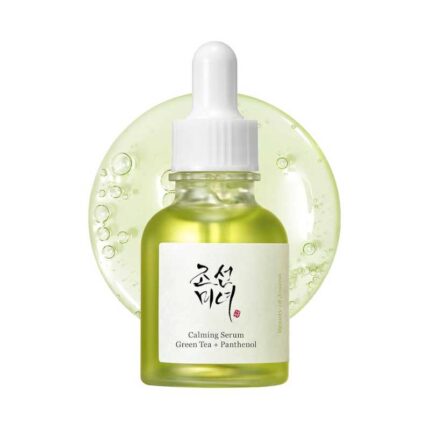 Sale
SaleOriginal price was: ৳ 2,060.00.৳ 1,442.00Current price is: ৳ 1,442.00.
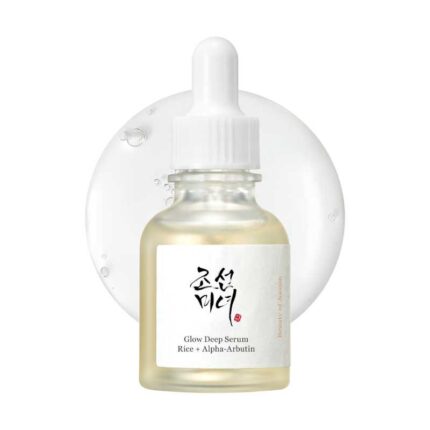 Sale
SaleOriginal price was: ৳ 2,060.00.৳ 1,442.00Current price is: ৳ 1,442.00.
Mannitol’s Role as a Hydrating Sugar Alcohol Ingredient
One of the primary benefits of mannitol in skincare is its humectant property. A humectant attracts water from the air. It draws moisture from deeper skin layers. Then it binds this water to the skin’s surface. This helps keep the skin soft and supple. Proper hydration is essential for healthy skin. It supports the skin’s barrier function. This means healthier, more resilient skin.
Deep and Lasting Skin Hydration
Mannitol excels at delivering deep hydration. It penetrates the skin effectively. Once inside, it holds moisture for longer periods. This prevents transepidermal water loss. Skin remains plump and dewy. This effect is especially beneficial for dry skin types. Studies suggest that adequate hydration improves skin texture. It also enhances overall skin appearance. Mannitol provides a sustained release of moisture. This keeps the skin comfortable throughout the day.
Supporting the Skin’s Barrier Function
The skin’s barrier is its outermost protective layer. A healthy barrier prevents moisture loss. It also shields against environmental aggressors. When the barrier is compromised, skin can become dry and irritated. Mannitol helps strengthen this vital barrier. It does this by maintaining optimal hydration levels. A well-hydrated barrier functions more efficiently. This leads to reduced sensitivity. It also improves skin’s natural defenses. The result is calmer, more protected skin.
Mannitol as an Antioxidant Stabilizer
Beyond its hydrating power, mannitol acts as an effective antioxidant stabilizer. Antioxidants are vital for fighting free radicals. Free radicals are unstable molecules. They cause damage to skin cells. This damage leads to premature aging. Antioxidant stabilizers protect other beneficial ingredients. They also help defend the skin itself. This dual action makes mannitol highly valuable in formulations. It boosts the overall efficacy of skincare products. Its presence can extend product shelf life.
Protecting Skincare Formulations
Many active ingredients in skincare are delicate. They can degrade when exposed to light or air. This degradation reduces their effectiveness. Mannitol helps stabilize these sensitive compounds. It acts as a protective shield. For example, it can safeguard Vitamin C or retinoids. These ingredients are prone to oxidation. By stabilizing them, mannitol ensures they remain potent. Consumers then receive the full benefits from their products. This role is crucial for product integrity. It guarantees consistent performance over time.
Defending Skin Cells from Oxidative Stress
The skin faces constant exposure to environmental stressors. Pollution, UV radiation, and stress all contribute to oxidative stress. This stress generates free radicals. Free radicals harm skin cells. They break down collagen and elastin. This leads to wrinkles and loss of firmness. Mannitol helps neutralize these damaging radicals. It does this by acting as a scavenger. Its antioxidant properties reduce the impact of environmental damage. This contributes to a more youthful complexion. It also supports long-term skin health. Research indicates mannitol helps mitigate cellular damage.
Exploring Other Significant Applications of Mannitol
While celebrated in skincare, mannitol has a broad range of uses. Its unique properties make it valuable in medicine and the food industry. Understanding these applications gives a fuller picture of its versatility. It highlights mannitol’s importance across different sectors. This compound truly demonstrates its adaptability. These diverse roles underscore its scientific significance.
Critical Medical Applications
In medicine, mannitol serves as an osmotic diuretic. Doctors use it to reduce intracranial pressure. This is vital in cases of brain injury or swelling. It works by drawing fluid from brain tissues. The fluid then gets excreted by the kidneys. This action helps to alleviate pressure quickly. It also finds use in treating glaucoma. Here, it lowers intraocular pressure. Mannitol is administered intravenously for these urgent conditions. Its ability to manage fluid balance is medically significant. Doctors rely on it for critical care. This makes it a life-saving medication in some scenarios.
Role in the Food Industry
Mannitol is a common ingredient in the food industry. It functions as a sugar substitute. This is due to its low caloric value. It also has a low glycemic index. This makes it suitable for diabetic friendly products. It provides sweetness without spiking blood sugar. Furthermore, mannitol acts as an anti-caking agent. It prevents powders from clumping together. This is useful in confectionery and chewing gum. It also has moisture-retaining properties. This helps keep foods fresh. Its stable nature is beneficial for food preservation. Consumers enjoy improved product quality. Its versatility is a testament to its wide utility.
Finding Mannitol in Your Skincare Products
Mannitol is increasingly found in high-performance skincare. It often appears in formulations designed for hydration. You will see it listed among the ingredients. Always check the ingredient list. Look for terms like “mannitol” or “D-mannitol.” Its presence signals a product focused on moisture. It also indicates a product with enhanced stability. Many brands are now recognizing its benefits. They incorporate it into their advanced lines. It is a valuable addition to many routines.
Common Product Types Featuring Mannitol
You can find mannitol in various skincare products. It is particularly prevalent in hydrating serums. These serums aim to deliver intense moisture. Face creams and lotions also contain it. Mannitol enhances their moisturizing capabilities. Many eye creams use mannitol. This helps reduce dryness around the delicate eye area. It can even be found in some masks. These masks offer a boost of hydration. Its versatility allows it to fit into many product forms. From lightweight serums to rich creams, mannitol delivers. This makes it easy to integrate into existing routines. It supports diverse skin needs effectively.
Synergistic Effects with Other Ingredients
Mannitol works well with other popular skincare ingredients. It can boost the effectiveness of hyaluronic acid. Together, they create a powerful hydrating duo. It also complements ceramides. Ceramides are essential for barrier repair. Mannitol helps maintain the hydration crucial for barrier function. When paired with antioxidants, its stabilizer role shines. It ensures these sensitive ingredients perform optimally. This synergistic action maximizes overall skincare benefits. Experts suggest combining ingredients for best results. Mannitol is an excellent team player in this regard. It enhances the entire formula.
Is Mannitol Safe for All Skin Types?
Generally, mannitol is considered very safe for topical use. It has a low potential for irritation. Most skin types tolerate it well. This includes sensitive skin. Its natural origin contributes to its good safety profile. However, like any ingredient, individual reactions can occur. Always perform a patch test when trying new products. This helps identify any personal sensitivities. Its widespread use in medicine and food also attests to its safety. It is a reliable choice for many consumers. Its gentle nature is a key advantage.
Potential for Sensitivity and Reactions
While rare, some individuals might experience mild reactions. This could include slight redness or itching. These instances are typically isolated. They are not common for the general population. If you have extremely reactive skin, exercise caution. Introduce new products slowly into your routine. Listen to your skin’s signals. Discontinue use if irritation persists. Always consult a dermatologist for severe concerns. However, the vast majority of users experience no adverse effects. Its safety record is quite impressive.
General Tolerance and Compatibility
Mannitol is highly compatible with most skin. Its non-comedogenic nature means it won’t clog pores. This makes it suitable for acne-prone individuals. It is also gentle enough for mature skin. Mature skin often requires extra hydration. The ingredient’s stability is another plus. It does not break down easily. This ensures consistent performance over time. Its safety and tolerance make it a universal ingredient. It is a great choice for nearly everyone. Dermatologists often approve its use. Its benefits far outweigh its minimal risks.
The Science Behind Mannitol’s Efficacy
Scientific research supports mannitol’s benefits. Studies highlight its humectant and antioxidant properties. Researchers have investigated its molecular mechanisms. They confirm its ability to bind water. They also show its role in scavenging free radicals. This scientific validation reinforces its place in skincare. It is not just a trendy ingredient. It is a compound with proven results. Ongoing research continues to uncover new potential uses. The scientific community recognizes its value. This solid foundation builds consumer trust. It ensures effective product development.
Mechanisms of Hydration
Mannitol’s hydrating action relies on its molecular structure. It contains multiple hydroxyl groups. These groups form hydrogen bonds with water molecules. This strong attraction allows it to draw moisture. It then holds that moisture firmly in the skin. This prevents rapid evaporation. Its relatively small molecular size might aid absorption. This allows it to reach deeper layers of the epidermis. The scientific explanation for its humectant properties is robust. It contributes to long-lasting skin hydration. This fundamental mechanism underpins its effectiveness.
Antioxidant and Stabilizing Pathways
As an antioxidant, mannitol works by directly neutralizing free radicals. It acts as a potent scavenger. This prevents oxidative damage to lipids and proteins. These components are crucial for skin health. Its stabilizing role is more indirect. It protects other antioxidants in the formulation. This allows them to perform their jobs better. It can also chelate metal ions. Metal ions can catalyze oxidation reactions. By binding them, mannitol reduces oxidative stress. This comprehensive action safeguards both ingredients and skin. The protective effects are multifaceted and significant.
Frequently Asked Questions
What type of ingredient is mannitol?
Mannitol is a sugar alcohol. It functions as a powerful humectant and antioxidant stabilizer. It helps attract and retain moisture in the skin. It also protects other ingredients from degradation.
Can mannitol help with dry skin?
Yes, mannitol is highly effective for dry skin. It draws moisture into the skin. This keeps it hydrated, soft, and supple. It helps to prevent water loss and supports a healthy skin barrier.
Is mannitol a safe ingredient for sensitive skin?
Generally, mannitol is considered very safe for sensitive skin. It has a low potential for irritation. Most skin types tolerate it well. Always patch test new products to be sure.
How does mannitol act as an antioxidant stabilizer?
Mannitol neutralizes free radicals directly. It also helps protect other sensitive antioxidant ingredients. This prevents them from degrading. It preserves product efficacy and protects skin from damage.
Final Thoughts
Mannitol stands out as a true multitasker in skincare. This hydrating sugar alcohol ingredient provides significant benefits. It helps achieve moisturized, resilient, and protected skin. Its dual role as a powerful humectant and an antioxidant stabilizer makes it invaluable. For anyone seeking to improve skin hydration and combat environmental stressors, consider incorporating mannitol into your routine. Look for products that feature this beneficial compound. Your skin will thank you for the lasting moisture and defense.