
Asiatic Acid: Nature’s Secret for Soothing Skin

Do you ever wonder about the hidden gems in your skincare products? Many powerful compounds exist. One such ingredient gaining significant attention is Asiatic Acid. This remarkable natural component offers profound benefits for skin health. It is often celebrated for its restorative properties.
Understanding Asiatic Acid: A Natural Powerhouse
Asiatic Acid comes from the plant Centella Asiatica. This herb is also known as Gotu Kola or Tiger Grass. It has a long history in traditional medicine. Cultures around the world have used it for centuries. This includes traditional Chinese medicine and Ayurveda practices. The plant thrives in wetland areas across Asia. Its leaves and stems hold many active compounds. These compounds are beneficial for human health.
Asiatic Acid is a specific type of triterpenoid. Triterpenoids are organic compounds. They are found in many plants. These compounds often have protective qualities. They help the plant survive environmental stress. In Centella Asiatica, Asiatic Acid works alongside other triterpenoids. These include madecassic acid and asiaticoside. Together, they form a potent complex. This complex gives Centella Asiatica its healing reputation. The blend is sometimes called “Cica” in skincare. This is a shorthand for Centella Asiatica.
The Discovery and Extraction Process
Scientists first isolated Asiatic Acid many years ago. They recognized its unique structure. Researchers began to study its effects on human cells. This led to its use in modern skincare. The extraction process is vital. It ensures the purity of the compound. Plants are carefully harvested. Then, laboratories use specific methods. These methods separate Asiatic Acid from other plant materials. High-quality extraction yields a concentrated ingredient. This ensures maximum efficacy in skincare products.
Research continues to explore its full potential. However, its core benefits are well-established. Asiatic Acid represents a significant advance. It brings traditional botanical wisdom into modern formulations. This makes it a valued centella active ingredient. Many brands now feature it. Consumers are increasingly seeking out its benefits. This demand drives further innovation in the industry.
Recommended Products
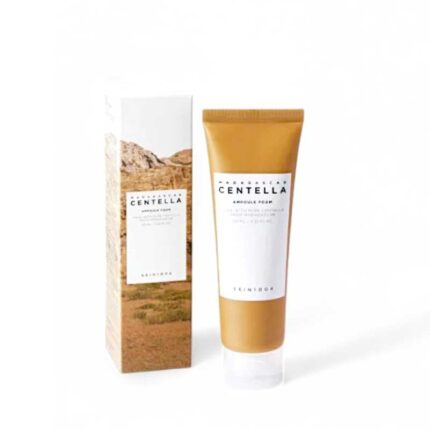 Sale
SaleOriginal price was: ৳ 460.00.৳ 320.00Current price is: ৳ 320.00.
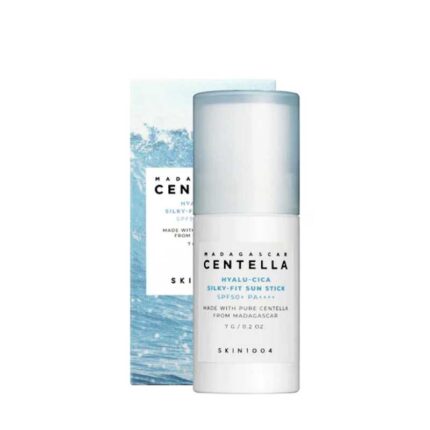 Sale
SaleOriginal price was: ৳ 1,060.00.৳ 742.00Current price is: ৳ 742.00.
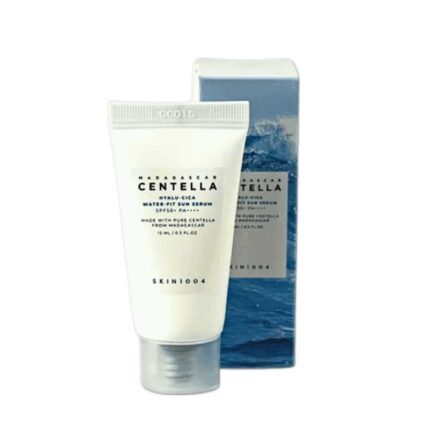 Sale
SaleOriginal price was: ৳ 980.00.৳ 686.00Current price is: ৳ 686.00.
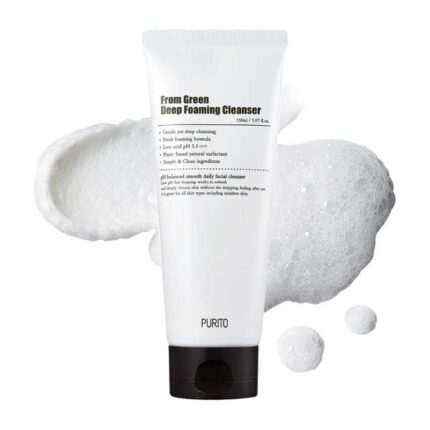 Sale
SaleOriginal price was: ৳ 2,240.00.৳ 1,568.00Current price is: ৳ 1,568.00.
The Science Behind Asiatic Acid’s Benefits
The positive effects of Asiatic Acid are not just anecdotal. There is robust scientific backing. This compound works on multiple biological pathways. These pathways influence skin repair and protection. Its mechanisms are complex yet highly effective. Understanding this science helps appreciate its power. It also explains why it is so versatile. This versatility makes it suitable for various skin concerns.
Promoting Collagen Synthesis
One primary benefit involves collagen production. Collagen is a vital protein. It provides structure to our skin. It keeps skin firm and elastic. As we age, collagen production slows down. Environmental factors also degrade collagen. Studies show Asiatic Acid can stimulate collagen synthesis. Specifically, it boosts Type I and Type III collagen. These types are crucial for skin strength. Increased collagen helps reduce fine lines. It also improves overall skin texture. This contributes to a more youthful appearance.
This action supports skin regeneration. It helps repair damaged skin. A stronger collagen network also leads to better elasticity. Skin becomes more resilient. It resists external stressors more effectively. Therefore, regular use can lead to lasting improvements. Many dermatologists often highlight its role in skin repair. It offers a natural way to support the skin’s architecture.
Powerful Anti-Inflammatory Action
Inflammation is a root cause of many skin issues. It can lead to redness, irritation, and breakouts. Asiatic Acid exhibits strong anti-inflammatory properties. It helps calm angry skin. It reduces the body’s inflammatory response. This makes it an excellent choice for sensitive skin. It also benefits those with inflammatory skin conditions. For example, conditions like eczema or rosacea can show improvement.
The compound modulates various inflammatory mediators. These are molecules that drive inflammation. By reducing their activity, Asiatic Acid minimizes discomfort. This soothing effect is a key reason for its popularity. Many people find relief using products containing it. It provides a gentle yet effective way to manage irritation. This makes it a highly beneficial soothing skincare compound. Its ability to calm the skin is truly remarkable.
Antioxidant Protection and Barrier Support
Our skin constantly faces environmental damage. Pollution and UV radiation generate free radicals. Free radicals harm skin cells. This leads to premature aging. Asiatic Acid is a potent antioxidant. It neutralizes these damaging free radicals. This protects skin cells from oxidative stress. Antioxidant protection helps maintain skin health. It also preserves the skin’s youthful appearance.
Furthermore, Asiatic Acid supports the skin barrier. The skin barrier is our first line of defense. It keeps moisture in and irritants out. A compromised barrier leads to dryness and sensitivity. Research indicates Asiatic Acid helps strengthen this barrier. It improves lipid synthesis within the skin. Stronger lipids create a more robust barrier. This leads to better hydration. It also reduces susceptibility to external aggressors. A healthy barrier is fundamental for healthy skin.
Asiatic Acid for Skin Health: A Deep Dive
The combined actions of Asiatic Acid translate into remarkable skin benefits. These benefits address a wide range of concerns. From soothing irritation to promoting healing, its versatility is impressive. Many individuals seek out this ingredient. They want to improve their skin’s overall condition. It offers a gentle yet powerful solution for various skin challenges. Its natural origin also appeals to many users.
Soothing Sensitive Skin and Reducing Redness
Sensitive skin often reacts to many ingredients. It can feel tight, itchy, or show redness. Asiatic Acid provides exceptional soothing relief. Its anti-inflammatory action calms overactive skin responses. This helps reduce visible redness. It also alleviates discomfort. People with easily irritated skin often tolerate it well. This makes it a preferred choice for delicate complexions. The compound helps restore balance. It reduces the visible signs of sensitivity. This leads to a calmer, more comfortable skin feeling.
Consistent use helps build skin resilience. Skin becomes less reactive over time. The persistent redness often associated with conditions like rosacea can diminish. This improvement contributes to a more even skin tone. Users report a significant decrease in irritation. This makes it a cornerstone ingredient for soothing routines. It addresses the underlying causes of skin sensitivity. This provides long-term benefits.
Improving Skin Elasticity and Firmness
Loss of firmness is a common sign of aging. Our skin naturally loses its bounce. This happens due to decreasing collagen and elastin. Asiatic Acid helps combat this process. Its collagen-boosting abilities are key here. It promotes the production of new, healthy collagen. This re-establishes the skin’s support network. The skin regains some of its lost structure. This results in visibly firmer skin. It also enhances elasticity. Skin becomes more pliable and supple.
This firming effect contributes to a smoother look. Fine lines and wrinkles may appear less prominent. The overall contour of the face can also improve. Many anti-aging products now include Asiatic Acid for this reason. It offers a natural way to rejuvenate the skin. It works synergistically with the skin’s own repair mechanisms. This helps restore a youthful firmness. It promotes a more lifted appearance. This is a benefit highly valued by consumers.
Scar Reduction and Enhanced Wound Healing
Asiatic Acid has a long history in wound care. Traditional healers used Centella Asiatica for injuries. Modern science confirms its wound-healing capabilities. It promotes cell proliferation and migration. These are crucial steps in tissue repair. It also influences scar formation. Studies suggest it can help reduce hypertrophic scars. These are raised, thick scars. It helps normalize collagen synthesis during healing. This leads to flatter, less noticeable scars. It improves the quality of newly formed tissue. This makes skin look healthier after injury.
Its anti-inflammatory action also plays a role. It prevents excessive inflammation during healing. Too much inflammation can worsen scarring. Therefore, Asiatic Acid aids in a smoother recovery process. It is useful for minor cuts and scrapes. It can also help with post-acne marks. Its ability to support the skin’s natural repair is exceptional. This property is one of its most remarkable attributes. It promotes healthier skin regeneration. This minimizes lasting marks. It is truly a restorative ingredient.
Incorporating Asiatic Acid into Your Skincare Routine
Adding Asiatic Acid to your regimen is straightforward. It is available in many product types. You can find it in serums, creams, and masks. The best way to use it depends on your skin type. It also depends on your specific concerns. Generally, it is well-tolerated by most skin types. Even sensitive skin benefits greatly. Always introduce new ingredients slowly. This helps your skin adjust. It also allows you to monitor for any reactions.
Choosing the Right Product Type
Serums often contain higher concentrations. They deliver a potent dose of Asiatic Acid. Serums are usually lightweight. They absorb quickly into the skin. Creams and lotions provide hydration. They also offer barrier support. Many day and night creams feature this ingredient. Masks give an intensive treatment. They are good for occasional use. They provide a concentrated boost of benefits. Toners and cleansers might contain it. However, the contact time is shorter. This may reduce its efficacy. For targeted benefits, serums or creams are best.
Consider your skin’s needs. If dryness is an issue, a cream might be better. For intense treatment, a serum is ideal. Always read product labels carefully. Look for terms like “Centella Asiatica extract” or “Cica.” The specific percentage of Asiatic Acid may or may not be listed. Reputable brands provide clear ingredient lists. They also specify the key active components. This transparency is important. It ensures you select an effective product.
Application Tips and Frequency
You can typically use Asiatic Acid products daily. Many people apply them twice a day. This includes morning and evening routines. Apply serums after cleansing and toning. Then, follow with your moisturizer. If using a cream with Asiatic Acid, apply it as your moisturizing step. Consistency is key for results. You will likely see improvements over several weeks. Patience is a virtue in skincare.
As a rule, patch test new products first. Apply a small amount to an inconspicuous area. The jawline or behind the ear works well. Wait 24-48 hours. Check for any redness or irritation. This practice helps prevent widespread reactions. Most users tolerate Asiatic Acid well. However, individual sensitivities vary. This simple step ensures a safe introduction. It allows you to enjoy the full benefits without worry.
Choosing Products with Asiatic Acid
The market offers many options for Asiatic Acid products. Selecting the right one can feel overwhelming. Focus on key factors. These include concentration, formulation, and complementary ingredients. A thoughtful choice ensures you get the most benefit. It also aligns the product with your skin goals. Not all products are created equally. So, a bit of research helps.
Understanding Concentration Levels
The concentration of Asiatic Acid in products varies. Some brands list the exact percentage. Others might just say “Centella Asiatica extract.” A higher percentage often means stronger effects. However, more is not always better. Even lower concentrations can be very effective. This is especially true for sensitive skin. It is important to start with lower concentrations. Then, you can gradually increase if desired. This minimizes any potential irritation. Your skin can slowly adapt to the ingredient. This method helps prevent adverse reactions. It ensures a smoother transition.
Look for products that specify the active components. Some products highlight the “Madecassoside, Asiaticoside, Asiatic Acid” complex. This indicates a focus on the key beneficial compounds. This transparency is a good sign. It shows the brand is confident in its formulation. Always consider your skin’s unique needs. What works for one person may not work for another. Personal experimentation is often necessary. It helps find your ideal concentration.
Formulation and Complementary Ingredients
Asiatic Acid works well with many other ingredients. It is a stable compound. This allows it to blend effectively. Look for formulations that include hydrators. Hyaluronic acid is an excellent partner. Glycerin also enhances moisture. Niacinamide is another great addition. It supports barrier function. Ceramides also help strengthen the skin barrier. Antioxidants like Vitamin C or E offer added protection. Together, these ingredients create a comprehensive product. They address multiple skin concerns at once. This multi-faceted approach often yields the best results.
The overall product base matters too. Water-based serums are generally lighter. They suit oily or combination skin. Richer creams are better for dry skin. The choice of base impacts absorption. It also affects the feel on the skin. Always choose non-comedogenic formulations. This means they will not clog pores. This is particularly important for acne-prone skin. A well-formulated product maximizes the benefits. It also provides a pleasant user experience. This makes your routine enjoyable.
Potential Side Effects and Considerations
Asiatic Acid is widely considered safe. It is generally well-tolerated. This applies even to sensitive skin types. However, like any skincare ingredient, it can cause reactions. Understanding potential side effects is important. It allows you to use the product safely. Most reactions are mild and temporary. Serious side effects are rare. Always listen to your skin. Pay attention to how it responds. This helps ensure a positive experience.
Rare Allergic Reactions
Some individuals might experience an allergic reaction. This is very uncommon. Symptoms could include redness, itching, or rash. These reactions are usually localized. They appear where the product was applied. If you notice any persistent discomfort, discontinue use. Consult a dermatologist if symptoms worsen. Patch testing is always recommended. This step helps identify potential sensitivities. It is a simple precautionary measure. This ensures your skin’s safety. Most people use Asiatic Acid without any issues.
The natural origin does not mean it is hypoallergenic. Allergic reactions can occur with natural ingredients. It is important to remember this fact. Always check the full ingredient list. This helps identify any other known allergens. Pure Asiatic Acid is usually less irritating. However, the overall product formulation matters. Other ingredients might be the culprit. A careful approach helps. It ensures optimal skin health.
Pregnancy, Breastfeeding, and Interactions
Information on Asiatic Acid use during pregnancy is limited. It is also limited for breastfeeding. Therefore, consult a healthcare professional. This is a wise precaution. Always discuss new skincare products. Do this with your doctor. They can provide personalized advice. This ensures the safety of both mother and baby. It is always better to be cautious. Your health professional can offer guidance. This helps make informed decisions.
Asiatic Acid generally interacts well with other actives. It can complement many ingredients. For example, it works well with retinoids. It can help reduce retinoid-induced irritation. It also pairs with alpha-hydroxy acids (AHAs). It calms the skin after exfoliation. However, avoid using too many active ingredients at once. This can overwhelm your skin. Introduce new combinations slowly. Monitor your skin’s response closely. This approach prevents potential issues. It helps maintain a healthy skin barrier.
Frequently Asked Questions
What is the main benefit of Asiatic Acid?
The primary benefit of Asiatic Acid is its ability to soothe and repair skin. It calms inflammation, reduces redness, and promotes collagen production. This leads to healthier, more resilient skin overall.
Can Asiatic Acid help with acne scars?
Yes, Asiatic Acid can help improve the appearance of acne scars. It promotes wound healing and helps normalize collagen synthesis. This leads to smoother skin texture and less noticeable marks.
Is Asiatic Acid suitable for all skin types?
Asiatic Acid is generally suitable for all skin types. It is especially beneficial for sensitive, irritated, or compromised skin. Patch testing is always recommended before full application.
How long does it take to see results from Asiatic Acid?
Results from Asiatic Acid vary by individual and product concentration. Many users report seeing improvements in skin comfort and appearance within a few weeks of consistent daily use.
Final Thoughts
Asiatic Acid stands out as a powerful and versatile ingredient. It brings ancient botanical wisdom to modern skincare solutions. Its ability to calm, heal, and rejuvenate the skin is truly impressive. This natural compound offers remarkable benefits for various skin concerns. From soothing inflammation to boosting collagen, its actions are profound.
This natural component strengthens your skin’s defenses. It supports its innate healing processes. Consider incorporating products rich in Asiatic Acid into your routine. Look for well-formulated serums or creams. This proactive step can transform your skin. It helps you achieve a healthier, more radiant complexion. Embrace the power of this remarkable natural extract. Your skin will thank you for it.