
Black Seed Oil: Ancient Remedy for Modern Skin Care

In the expansive world of natural remedies, few ingredients boast a history as rich and diverse as Black Seed Oil. Derived from the seeds of the Nigella sativa plant, this powerful botanical has been cherished for centuries across various cultures for its profound therapeutic properties. Many people are now turning to this ancient elixir to enhance their wellness and significantly improve their skin’s health. Understanding its composition and how it interacts with the body can unlock a new realm of benefits, helping you achieve a radiant, balanced complexion.
What is Black Seed Oil? Exploring Nigella Sativa
Black Seed Oil is extracted from the tiny, dark seeds of the Nigella sativa flower, a plant native to Eastern Europe, Western Asia, and the Middle East. Often referred to simply as “black cumin,” these seeds have been used for thousands of years, with archaeological evidence tracing their use back to ancient Egypt. The oil itself is renowned for its distinctive peppery taste and aroma, but it is its concentrated beneficial compounds that truly set it apart as a natural powerhouse. Many traditions consider this oil a foundational element for health and vitality.
The Ancient Origins of a Potent Botanical
The history of Nigella sativa seeds is interwoven with ancient civilizations. Records indicate their presence in King Tutankhamun’s tomb, suggesting their high value and significance in ancient Egyptian society. Throughout the Middle East, Asia, and Africa, black seeds have been utilized in traditional medicine systems like Ayurveda and Unani for a wide array of ailments. Historical texts praise its restorative qualities, cementing its status as a vital component in natural healing practices that have been passed down through generations.
From Seed to Oil: The Extraction Process
The potency of black seed oil largely depends on its extraction method. The most preferred technique is cold-pressing, which involves mechanically pressing the seeds without the use of heat or chemical solvents. This process helps to preserve the delicate, volatile compounds and fatty acids that give the oil its therapeutic properties. Higher temperatures or chemical solvents can degrade these sensitive components, reducing the oil’s efficacy and overall quality. Consumers often seek out cold-pressed varieties to ensure maximum benefit.
Recommended Products
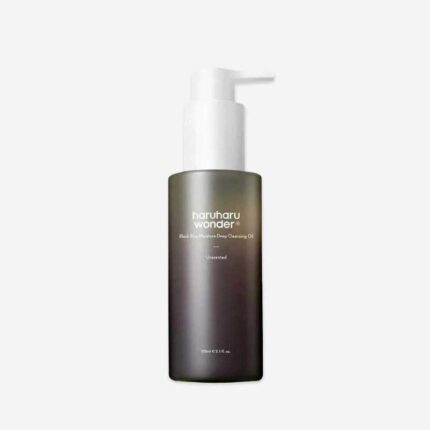 Sale
SaleOriginal price was: ৳ 2,780.00.৳ 1,950.00Current price is: ৳ 1,950.00.
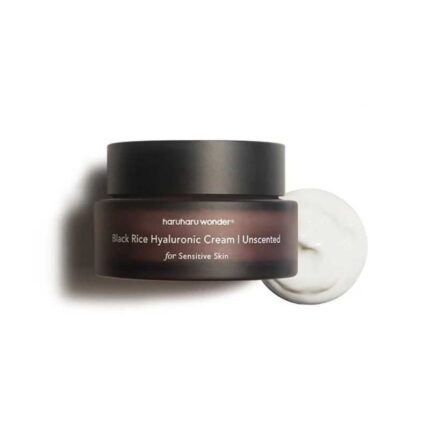 Sale
SaleOriginal price was: ৳ 1,960.00.৳ 1,370.00Current price is: ৳ 1,370.00.
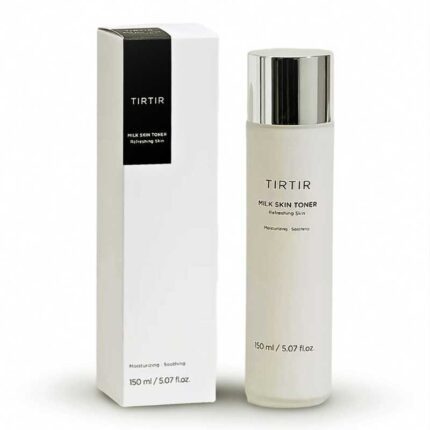 Sale
SaleOriginal price was: ৳ 4,600.00.৳ 3,220.00Current price is: ৳ 3,220.00.
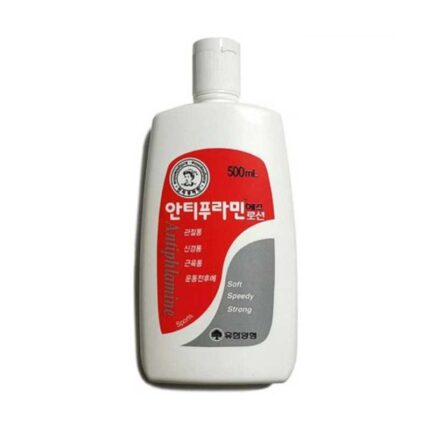 Sale
SaleOriginal price was: ৳ 1,200.00.৳ 840.00Current price is: ৳ 840.00.
The Science Behind Black Seed Oil: Key Bioactive Compounds
The remarkable effects of Black Seed Oil stem from its complex chemical profile, featuring a synergistic blend of active compounds. Research has identified several key components responsible for its wide range of benefits, particularly its potent antioxidant and anti-inflammatory actions. This intricate composition makes it a unique botanical with multifaceted applications in health and wellness. Understanding these core elements reveals why it has garnered such widespread scientific interest in recent years.
Thymoquinone: The Star Component
Among the many compounds found in nigella sativa oil, thymoquinone (TQ) stands out as the primary active ingredient. This powerful antioxidant and anti-inflammatory compound is largely responsible for many of the oil’s therapeutic effects. Studies have explored TQ’s ability to combat oxidative stress, protect cells from damage, and modulate immune responses. Its concentration can vary significantly depending on the seed source and processing, making it a critical factor in the oil’s overall effectiveness.
Essential Fatty Acids and Antioxidants
Beyond thymoquinone, Black Seed Oil is rich in essential fatty acids, including linoleic acid (omega-6) and oleic acid (omega-9). These fatty acids are crucial for maintaining healthy cell function and supporting the skin’s natural barrier. The oil also contains a host of other antioxidants, such as carotenoids and tocopherols (Vitamin E), which collectively work to neutralize free radicals. This comprehensive antioxidant profile helps protect the body and skin from environmental damage, contributing to a more youthful appearance.
Black Seed Oil for Skin Health: A Natural Ally
For centuries, Black Seed Oil has been a cherished secret in traditional skincare, prized for its ability to address a myriad of skin concerns. Its natural properties make it an exceptional choice for those seeking a holistic approach to skin health. From calming irritation to promoting a clear complexion, this versatile oil offers extensive benefits for various skin types. It works to restore balance and vitality, making it a valuable addition to any comprehensive skincare regimen. Many users report noticeable improvements in skin texture and tone with consistent use.
Soothing Inflammation and Redness
The potent anti-inflammatory properties of nigella sativa oil make it highly effective at soothing irritated and inflamed skin. Conditions like eczema, psoriasis, and rosacea often involve significant inflammation, leading to redness, itching, and discomfort. Applying black seed oil topically can help to calm these inflammatory responses, reducing visible redness and promoting a more comfortable skin state. This soothing effect is largely attributed to its thymoquinone content, which helps to regulate inflammatory pathways within the skin cells. Research suggests its ability to alleviate discomfort, allowing the skin to heal more effectively.
Combating Acne: An Antibacterial Facial Oil Ingredient Perspective
Acne is a common skin condition often caused by bacterial overgrowth, excessive sebum production, and inflammation. Black Seed Oil possesses natural antibacterial and anti-inflammatory qualities, making it a powerful contender as an antibacterial facial oil ingredient. It can help to inhibit the growth of acne-causing bacteria like Propionibacterium acnes, reducing breakouts and preventing new blemishes from forming. Additionally, its anti-inflammatory action helps to calm existing acne lesions, lessening redness and swelling. This dual action makes it particularly beneficial for those struggling with persistent acne, offering a gentle yet effective alternative to harsh chemical treatments. Many individuals find it helps to balance oil production without overly drying the skin.
Hydration and Barrier Support
Maintaining a healthy skin barrier is crucial for protecting against environmental aggressors and retaining moisture. Black Seed Oil is rich in essential fatty acids that nourish the skin, helping to strengthen its natural lipid barrier. A robust barrier prevents transepidermal water loss, keeping the skin hydrated and supple. Regular application can lead to improved skin elasticity and a smoother texture, as it locks in moisture effectively. This deep hydration is vital for maintaining a healthy, plump complexion, especially in dry or harsh climates. It helps to ensure the skin remains resilient and protected throughout the day.
Addressing Hyperpigmentation and Scarring
For those dealing with hyperpigmentation, such as dark spots or post-inflammatory hyperpigmentation from acne, Black Seed Oil may offer benefits. Its antioxidant properties can help to protect skin cells from damage that can lead to uneven skin tone. While not a rapid lightening agent, consistent use may contribute to a more even complexion over time by supporting cellular regeneration and reducing oxidative stress. It also aids in minimizing the appearance of scars by promoting healthy tissue repair and reducing inflammation around healing areas. This helps to create a smoother, more uniform skin surface.
Anti-Aging Properties and Skin Elasticity
The battle against visible signs of aging is a constant for many, and Black Seed Oil emerges as a compelling natural ally. Its rich antioxidant content actively combats free radicals, which are major contributors to premature aging, fine lines, and wrinkles. By neutralizing these damaging molecules, the oil helps to preserve the integrity of collagen and elastin fibers, which are vital for maintaining skin firmness and elasticity. Regular application can contribute to a more youthful appearance, supporting the skin’s natural resilience. Industry experts suggest antioxidants are crucial in preventing environmental skin damage that accelerates aging processes.
Integrating Black Seed Oil into Your Skincare Routine
Incorporating Black Seed Oil into your daily skincare regimen can be a transformative step towards healthier skin. However, like any potent natural ingredient, it requires careful consideration to ensure optimal results and minimize any potential irritation. Proper application and understanding its interactions are key to harnessing its full benefits. Beginning with a cautious approach allows your skin to adapt to this powerful oil, paving the way for sustained improvements in its condition and appearance.
Patch Testing and Dilution Guidelines
Before applying Black Seed Oil liberally to your face or body, it is essential to perform a patch test. Apply a small amount of diluted oil to an inconspicuous area of skin, such as behind the ear or on the inner forearm. Wait 24-48 hours to observe any adverse reactions like redness, itching, or irritation. For sensitive skin types, it is often advisable to dilute black seed oil with a carrier oil, such as jojoba or sweet almond oil, at a 1:1 ratio. This helps to reduce its intensity while still delivering its beneficial compounds effectively. Starting with a lower concentration and gradually increasing it allows your skin to acclimatize.
Topical Application Methods
For facial application, after cleansing and toning, dispense a few drops of pure or diluted Black Seed Oil into your palm. Gently warm the oil between your hands and press it onto your face, neck, and décolletage. Massage in upward, circular motions until absorbed. It can be used as a standalone moisturizer or layered beneath a heavier cream. For targeted treatment, dab a small amount directly onto blemishes or areas of concern. For body application, massage a generous amount into damp skin after showering to lock in moisture. Consistency is key for achieving noticeable improvements in skin texture and overall health. Many prefer applying it as part of their evening routine.
Combining with Other Skincare Ingredients
Black Seed Oil can be effectively combined with many other skincare ingredients. It pairs well with hydrating components like hyaluronic acid and glycerin. Its anti-inflammatory properties can complement soothing ingredients such as aloe vera or chamomile. However, caution is advised when pairing it with strong active ingredients like retinoids or high-concentration acids, as this combination could potentially increase sensitivity. Always introduce new products one at a time to monitor your skin’s reaction. It’s generally best to apply the black seed oil after water-based serums and before heavier creams to ensure proper absorption and layering within your routine.
Beyond the Face: Other Topical Uses of Black Seed Oil
While celebrated for its facial skincare benefits, the versatility of Black Seed Oil extends far beyond the face. Its nourishing and therapeutic properties make it beneficial for various other parts of the body, addressing concerns from head to toe. Many traditional practices have long utilized this powerful oil for broader topical applications. Exploring these uses reveals the full spectrum of its natural healing potential, solidifying its place as an all-encompassing wellness ingredient. Its adaptable nature allows for creative integration into self-care routines.
Scalp and Hair Health Benefits
Black Seed Oil is a renowned ingredient for promoting a healthy scalp and lustrous hair. Its antibacterial and antifungal properties can help to address common scalp issues like dandruff, dryness, and itchiness. By creating a healthier scalp environment, it supports stronger hair follicles and can potentially reduce hair loss. Massaging a small amount of nigella sativa oil into the scalp stimulates circulation and provides essential nutrients to the hair roots. This can lead to shinier, softer hair and contribute to improved hair growth over time. Many individuals use it as a pre-shampoo treatment or a leave-in scalp serum.
Nail and Cuticle Care
The nourishing fatty acids and antioxidants in Black Seed Oil can also work wonders for brittle nails and dry cuticles. Regular application helps to moisturize and strengthen the nail plate, preventing breakage and promoting healthier growth. Massaging the oil into the cuticles can soften them, making them easier to push back and reducing the likelihood of painful hangnails. This simple practice contributes significantly to overall nail health and appearance, making nails look more polished and well-maintained. It provides a natural alternative to commercial cuticle oils.
Muscle and Joint Comfort
Due to its anti-inflammatory properties, Black Seed Oil has been traditionally used to ease muscle and joint discomfort. Massaging the oil onto affected areas can help to reduce soreness and alleviate minor aches. While not a substitute for medical treatment, its topical application can offer a natural way to provide comfort and support recovery after physical exertion. Many people appreciate its warming sensation and soothing effect on tired muscles. This traditional use highlights its broad therapeutic scope beyond just skin concerns.
Choosing a Quality Black Seed Oil Product
With the increasing popularity of Black Seed Oil, the market is flooded with various products. Selecting a high-quality oil is paramount to ensure you reap the maximum benefits and avoid potential contaminants or inferior formulations. The effectiveness of the oil largely depends on its purity and how it has been processed. Informed choices can make a significant difference in the results you experience. Prioritizing quality ensures you are investing in a product that genuinely supports your health and skin goals.
Cold-Pressed vs. Other Methods
Always prioritize cold-pressed Black Seed Oil. As mentioned, this method involves no heat or chemical solvents, preserving the oil’s delicate nutrients, enzymes, and volatile compounds, including thymoquinone. Oils extracted using heat or chemical processes often have degraded beneficial components and may contain chemical residues. Look for labels explicitly stating “cold-pressed” or “virgin cold-pressed” to ensure you are getting a product with preserved potency. This distinction is crucial for maximizing the therapeutic value of the oil, as the integrity of the compounds is maintained.
Organic and Pure Formulations
Opting for organic nigella sativa oil ensures that the seeds were grown without synthetic pesticides, herbicides, or genetically modified organisms. This commitment to organic farming results in a cleaner, purer product free from potentially harmful chemicals. Furthermore, check for labels that confirm the oil is 100% pure, without any additives, fillers, or blending with other less expensive oils. A pure formulation guarantees you are getting the concentrated benefits of black seed oil without unwanted diluents. Industry standards often emphasize third-party testing to verify purity and absence of contaminants.
Packaging and Storage for Potency
Black Seed Oil is sensitive to light and heat, which can degrade its active compounds over time. Therefore, it should always be stored in a dark, airtight glass bottle, preferably amber or dark green, to protect it from UV radiation. Keeping it in a cool, dark place, such as a pantry or cupboard, is ideal. Refrigeration can extend its shelf life but is not always necessary if stored correctly. Proper packaging and storage are crucial for maintaining the oil’s potency and preventing oxidation, ensuring it remains effective throughout its shelf life. Always check the expiration date and consume or use within that timeframe for best results.
Potential Considerations and Precautions
While Black Seed Oil is generally considered safe for topical use, it is essential to be aware of potential considerations and precautions. As with any potent natural remedy, individual reactions can vary, and responsible usage is always recommended. Understanding these factors ensures a safe and beneficial experience with this powerful oil. Consulting with a healthcare professional before extensive use is always a wise step, especially if you have underlying health conditions or are taking medications. Prioritizing safety allows you to enjoy the benefits without undue risk.
Skin Sensitivity and Allergic Reactions
Despite its soothing properties, some individuals may experience skin sensitivity or allergic reactions to Black Seed Oil. This is why a patch test, as previously discussed, is crucial before widespread application. Symptoms of an allergic reaction may include intense redness, itching, swelling, or hives. If you have a known allergy to plants in the Ranunculaceae family (buttercup family), to which Nigella sativa belongs, exercise extra caution. Discontinue use immediately if any adverse reactions occur. Individuals with very sensitive skin or a history of allergies should proceed with particular care and potentially consult a dermatologist.
Interactions with Medications
When considering the oral consumption of Black Seed Oil, it is important to be aware of potential interactions with certain medications. For topical use, interactions are less common but still worth noting if absorbed systemically. Some sources suggest that black seed oil might have anticoagulant (blood-thinning) effects, so individuals on blood thinners like warfarin should use caution. It may also affect blood sugar levels, which is relevant for those on diabetes medication. If you are on any prescription medications or have chronic health conditions, it is always best to consult your doctor before incorporating black seed oil into your routine, even for topical applications, to avoid unforeseen complications. This proactive approach ensures safety and peace of mind.
Frequently Asked Questions
What is the best way to store Black Seed Oil?
Black Seed Oil should be stored in a dark, airtight glass bottle, ideally amber or dark green, to protect it from light and air. Keep it in a cool, dark place like a pantry. Refrigeration is also an option for extended shelf life.
Can Black Seed Oil be used on sensitive skin?
Yes, but with caution. Perform a patch test first to check for any reactions. For very sensitive skin, dilute the Black Seed Oil with a milder carrier oil like jojoba or sweet almond oil before applying to the face.
How long does it take to see results when using Black Seed Oil for skin?
Results can vary depending on individual skin type and the specific concern being addressed. Many users report seeing improvements in skin texture and clarity within a few weeks of consistent daily use, but significant changes may take longer.
Is Black Seed Oil safe for daily use?
For most individuals, topical application of Black Seed Oil is safe for daily use. Always perform a patch test initially, and if you have any pre-existing skin conditions or are on medications, consult a healthcare professional first.
Final Thoughts
The enduring legacy of Black Seed Oil as a profound natural remedy continues to resonate in modern wellness and skincare. Its impressive array of bioactive compounds, particularly thymoquinone, underscores its potential to soothe, protect, and rejuvenate the skin. From combating acne to enhancing hydration and promoting a radiant complexion, this ancient elixir offers a holistic approach to skin health. By understanding its origins, scientific properties, and proper application, you can confidently integrate this remarkable ingredient into your regimen. Embrace the timeless wisdom of Nigella sativa oil to nurture your skin naturally and unlock its full potential for vitality and glow.