
Bee Venom: The Potent Skincare Secret

The quest for timeless beauty often leads us to extraordinary ingredients found in nature. Among these, Bee Venom has emerged as a fascinating and potent contender in the skincare world. This remarkable substance, traditionally known for its role in apitherapy, is now captivating beauty enthusiasts and scientists alike. Understanding its unique properties can help unlock a revitalized, radiant complexion. This guide explores the science, benefits, and applications of this intriguing ingredient, revealing how it can contribute to a more youthful appearance.
Understanding Bee Venom: A Natural Elixir for Skin
Bee venom is far more complex than just a bee’s defensive tool. It is a sophisticated cocktail of enzymes, peptides, and amino acids, each playing a role in its biological activity. When carefully harvested and processed, these components can be harnessed for beneficial applications. The precise composition varies slightly depending on the bee species and environmental factors. Research indicates that its intricate blend of active compounds makes it uniquely effective for various skin concerns, particularly those related to aging.
What Exactly is Bee Venom?
Bee venom, often referred to as apitoxin, is a clear, odorless liquid secreted by worker bees. Its primary purpose in nature is defense, delivered through a sting. However, when extracted and purified, it loses its harmful stinging properties, becoming a valuable ingredient for therapeutic and cosmetic use. The collection process is non-lethal to the bees, involving a gentle electrical stimulation that encourages them to sting a glass plate without losing their stinger. This ensures ethical and sustainable harvesting.
The Complex Composition of Bee Venom
The efficacy of bee venom in skincare stems from its rich molecular profile. Key active components include melittin, apamin, adolapin, and various enzymes such as phospholipase A2 and hyaluronidase. Melittin is the most abundant peptide, constituting about 50% of the dry weight of the venom. Studies have focused on melittin’s role in stimulating microcirculation and collagen production. Other compounds contribute to anti-inflammatory and antiseptic effects, creating a multi-faceted approach to skin rejuvenation. Industry data suggests that the synergistic action of these components amplifies its overall benefits.
Recommended Products
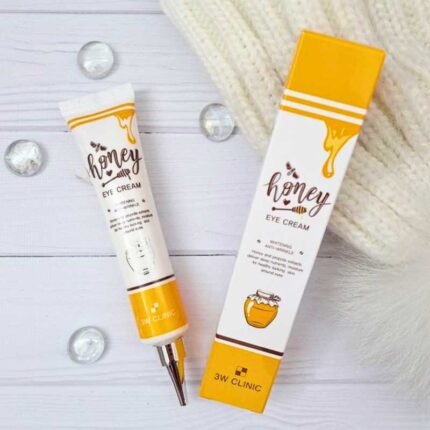 Sale
SaleOriginal price was: ৳ 550.00.৳ 350.00Current price is: ৳ 350.00.
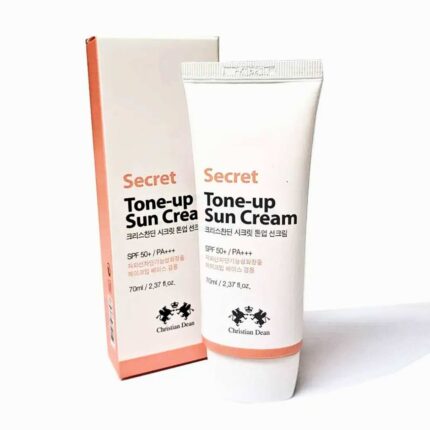 Sale
SaleOriginal price was: ৳ 650.00.৳ 450.00Current price is: ৳ 450.00.
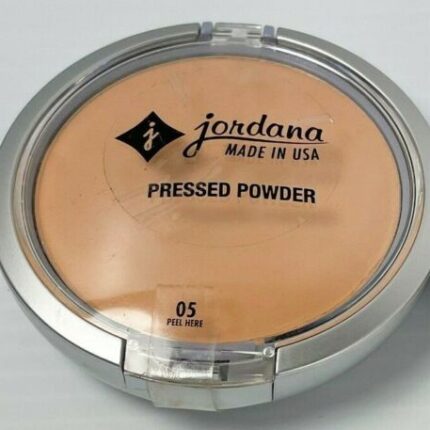 Sale
SaleOriginal price was: ৳ 720.00.৳ 650.00Current price is: ৳ 650.00.
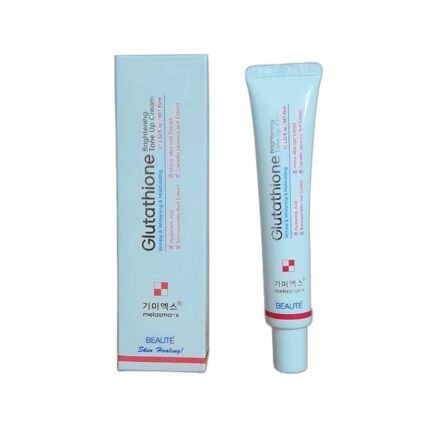 Sale
SaleOriginal price was: ৳ 1,250.00.৳ 950.00Current price is: ৳ 950.00.
Historical Journey of Bee Venom in Wellness
The use of bee venom for health and beauty is not a modern phenomenon. Humans have long recognized the potent properties of substances derived from bees. This historical context provides a strong foundation for its contemporary applications in advanced skincare formulations.
Ancient Applications and Traditional Medicine
For centuries, various cultures have utilized bee venom in traditional medicine, a practice known as apitherapy. Ancient Egyptians, Greeks, and Chinese civilizations reportedly employed bee stings for their purported therapeutic effects. Conditions like arthritis, rheumatism, and certain pain syndromes were often treated with direct bee stings or diluted venom applications. This historical reverence for bee venom laid the groundwork for further scientific exploration into its biological activities and potential benefits.
Modern Rediscovery: From Apitherapy to Aesthetics
The 20th and 21st centuries witnessed a significant resurgence of interest in bee venom, particularly with advancements in extraction and purification techniques. Scientists began isolating and studying individual components, revealing their precise mechanisms of action. This led to its expansion beyond traditional medicinal uses into the burgeoning field of aesthetics. The focus shifted from treating ailments to enhancing skin health and combating signs of aging. Today, it stands as a sophisticated anti aging bee ingredient, celebrated for its innovative role in high-end cosmetic products.
The Science Behind Bee Venom as an Anti-Aging Bee Ingredient
Understanding how bee venom works at a cellular level reveals why it is considered such a powerful anti-aging bee ingredient. Its components interact with skin cells and processes, leading to visible improvements. This scientific basis supports its reputation for delivering noticeable rejuvenating effects.
Melittin: The Core Component for Collagen
Melittin is perhaps the most celebrated component of bee venom in skincare. Research indicates that this powerful peptide can stimulate fibroblasts, which are the cells responsible for producing collagen and elastin. Collagen is crucial for skin’s firmness and elasticity, while elastin provides its springiness. By encouraging increased production of these vital proteins, melittin helps to fortify the skin’s structural integrity. This action directly contributes to reducing the appearance of fine lines and wrinkles, making it a key player in anti-aging formulations.
Apamin and Adolapin: Calming and Restorative Powers
Beyond melittin, other peptides like apamin and adolapin contribute to bee venom’s comprehensive effects. Apamin is known for its neurotoxic properties in higher concentrations, but in diluted cosmetic applications, it is believed to contribute to skin muscle relaxation. Adolapin, an anti-inflammatory peptide, helps to soothe irritated skin. These compounds work synergistically to reduce discomfort and promote a calmer, more even skin tone. Their presence ensures a balanced approach, addressing both visible signs of aging and underlying skin health.
Phospholipase A2 and Hyaluronidase: Enhancing Skin Permeability
Enzymes within bee venom, such as phospholipase A2 and hyaluronidase, play a crucial role in its efficacy. Phospholipase A2 helps break down cell membranes, while hyaluronidase increases the permeability of connective tissues. In cosmetic contexts, these enzymes are thought to enhance the penetration of other active ingredients into the skin. This improved absorption means that other beneficial compounds in the skincare product can reach deeper layers, maximizing their effectiveness. This property makes bee venom an excellent carrier for comprehensive skin treatments.
Boosting Blood Circulation for Youthful Radiance
One of the immediate effects of diluted bee venom on the skin is an increase in localized blood circulation. This mild stimulation is perceived by the skin as a “mini-sting,” prompting a rush of blood to the area. Enhanced blood flow delivers more oxygen and nutrients to skin cells, which are essential for their optimal function and regeneration. Better circulation also aids in the removal of metabolic waste products, contributing to a brighter, healthier complexion. This natural flush imparts a revitalized glow, diminishing dullness and promoting a youthful appearance.
Targeting Wrinkles: How Bee Venom Acts as a Wrinkle Reducing Compound
The primary appeal of bee venom in modern skincare lies in its remarkable ability to combat the visible signs of aging. Its unique blend of active ingredients works on multiple fronts to reduce the appearance of lines and wrinkles. This makes it a highly sought-after wrinkle reducing compound for those seeking smoother, firmer skin.
Stimulating Collagen and Elastin Production
At the heart of bee venom’s wrinkle-reducing capabilities is its profound impact on collagen and elastin synthesis. As mentioned, melittin actively signals fibroblasts to ramp up production of these critical proteins. Collagen provides structural support, preventing skin from sagging, while elastin gives it the ability to bounce back. With age, the natural production of these proteins declines, leading to wrinkles and loss of firmness. By boosting their synthesis, bee venom helps to rebuild the skin’s internal framework, smoothing out existing lines and preventing new ones from forming. This makes it an invaluable ingredient for maintaining youthful skin density.
The “Botox-Like” Effect: A Closer Look
Bee venom is often described as providing a “Botox-like” effect, though it works through entirely different mechanisms. Instead of paralyzing muscles, bee venom encourages the skin to react in a way that minimizes the appearance of dynamic wrinkles. The mild irritation and increased blood flow cause a subtle plumping effect, temporarily filling out lines. Additionally, some theories suggest that certain peptides in bee venom may contribute to a very mild, localized muscle relaxation. This combination of plumping and potential muscle calming contributes to a smoother skin surface without the need for injectables. Industry data indicates a growing consumer preference for non-invasive cosmetic solutions like this.
Reducing Inflammation and Redness for Clearer Skin
Chronic inflammation can accelerate skin aging and worsen the appearance of wrinkles. Bee venom contains compounds like adolapin, which possess anti-inflammatory properties. By calming inflammation, bee venom helps to reduce redness, irritation, and oxidative stress on the skin. A less inflamed skin environment is more conducive to healthy cell regeneration and repair. This leads to a clearer, more even complexion that not only looks younger but also feels healthier. The reduction in puffiness and irritation also contributes to a smoother, less textured skin surface, further diminishing wrinkle visibility.
Integrating Bee Venom into Your Skincare Routine
Incorporating bee venom products into your daily regimen requires careful consideration of product types, application methods, and safety. Its potent nature demands respect and proper usage for optimal results. Selecting the right product and understanding its application ensures a positive experience.
Serums, Creams, and Masks: Product Formulations
Bee venom is formulated into various skincare products, each designed for specific delivery and benefits. Serums typically offer a concentrated dose, targeting specific concerns like fine lines or dullness. Creams and moisturizers blend bee venom with hydrating and nourishing ingredients, suitable for daily use. Masks provide an intensive treatment, delivering a higher concentration over a shorter period for an immediate boost. When choosing, consider your skin type and existing routine. A serum might be ideal for targeted treatment, while a cream offers broader daily benefits as an anti aging bee ingredient.
Patch Testing and Safety Considerations
Given its origin, it is crucial to perform a patch test before fully incorporating any bee venom product. Apply a small amount to an inconspicuous area, such as behind the ear or on the inner forearm. Wait 24-48 hours to check for any adverse reactions like redness, itching, or swelling. Individuals with known allergies to bee stings should strictly avoid bee venom products. Even without a direct allergy, sensitive skin types might experience a mild tingling sensation, which is often considered normal. However, persistent discomfort indicates the product may not be suitable. According to dermatological guidelines, patch testing is a fundamental step for any new potent ingredient.
Ethical Sourcing and Sustainability
The beauty industry increasingly values ethical and sustainable practices. When selecting bee venom products, look for brands that emphasize responsible sourcing. Ethical collection methods ensure the well-being of the bees, which are vital pollinators and part of delicate ecosystems. Brands committed to sustainability often highlight their harvesting practices, ensuring that the bee venom is collected without harming the bee colonies. Supporting such brands not only ensures a high-quality product but also contributes to environmental responsibility. Sustainable practices are becoming a cornerstone of consumer trust and product integrity.
Beyond Wrinkles: Additional Skin Benefits of Bee Venom
While often celebrated as a wrinkle reducing compound, bee venom offers a spectrum of benefits that extend beyond mere anti-aging. Its multifaceted composition allows it to address various other skin concerns, promoting overall skin health and vitality. This broader utility makes it a versatile ingredient in many advanced skincare lines.
Addressing Acne and Blemishes
Bee venom possesses natural anti-bacterial and anti-inflammatory properties, which can be beneficial for acne-prone skin. The reduction in inflammation helps to calm angry breakouts and minimize redness associated with blemishes. Additionally, its antimicrobial action can help inhibit the growth of bacteria that contribute to acne formation. By promoting a cleaner, calmer skin environment, bee venom can assist in clearing existing blemishes and preventing future breakouts. Studies suggest that controlling inflammation is key to managing acne effectively, and bee venom contributes significantly to this goal.
Improving Skin Tone and Texture
Enhanced blood circulation, a direct result of bee venom application, plays a vital role in improving overall skin tone. Better circulation leads to a more even complexion, reducing the appearance of dullness and discolouration. The stimulation of collagen and elastin also contributes to a smoother skin texture, diminishing rough patches and giving the skin a more refined feel. Regular use can lead to a noticeable improvement in skin luminosity and an overall more uniform surface. This comprehensive action contributes to a visibly healthier and more vibrant skin appearance.
Hydration and Barrier Function Support
While not a primary hydrator like hyaluronic acid, bee venom’s ability to enhance skin permeability can indirectly support hydration. By allowing other moisturizing ingredients to penetrate more effectively, it helps maximize their hydrating potential. Furthermore, a healthier, collagen-rich skin barrier is better equipped to retain moisture and protect against environmental aggressors. This improved barrier function translates to more resilient and hydrated skin over time. A strong skin barrier is fundamental for preventing moisture loss and maintaining overall skin integrity, ensuring a supple and smooth feel.
Comparing Bee Venom with Other Skincare Powerhouses
To fully appreciate bee venom’s place in the skincare lexicon, it helps to understand how it stacks up against other popular active ingredients. Each ingredient offers unique benefits, and bee venom complements many of them, positioning itself as a distinct and powerful option.
Peptides and Growth Factors
Bee venom itself is rich in various peptides, such as melittin, which act as signaling molecules for skin repair and collagen synthesis. This makes it a natural partner to other synthetic peptides and growth factors often found in anti-aging formulations. While other peptides might target specific pathways, bee venom offers a complex array of peptides that work synergistically. Research shows that peptide-based ingredients are crucial for stimulating cellular communication. Its unique blend provides a broad-spectrum approach to skin rejuvenation, making it a comprehensive anti aging bee ingredient.
Retinoids and AHAs
Retinoids (Vitamin A derivatives) and Alpha Hydroxy Acids (AHAs) are known for their strong cell turnover and exfoliating properties, respectively. They work by accelerating skin renewal, which can effectively reduce wrinkles and improve texture. Bee venom, in contrast, primarily focuses on stimulating collagen production and enhancing circulation, with milder exfoliation effects. It does not induce the same level of cell turnover or potential irritation as higher-strength retinoids or AHAs. This distinction means bee venom can be a gentler alternative or a complementary ingredient to support skin health when stronger actives are paused or used less frequently.
Antioxidants
Antioxidants like Vitamin C and E, or ferulic acid, are essential for neutralizing free radicals and protecting the skin from environmental damage. While bee venom does not contain significant antioxidant properties itself, its ability to boost circulation and support overall skin health can indirectly aid in the skin’s defense mechanisms. Many bee venom products are formulated with antioxidants to provide a holistic approach to anti-aging. Combining a wrinkle reducing compound like bee venom with protective antioxidants offers comprehensive protection and repair, maximizing anti-aging benefits. This layered approach ensures both prevention and correction for a youthful complexion.
Dispelling Myths and Understanding Realities of Bee Venom
As with any unique and potent ingredient, bee venom often comes with misconceptions. Separating fact from fiction is vital for users to make informed decisions and manage expectations. Addressing these common queries helps to clarify its true potential and limitations in skincare.
Is it Safe for Everyone?
The most important reality to address is that bee venom products are not suitable for everyone. Individuals with a diagnosed allergy to bee stings should absolutely avoid any product containing bee venom. For others, patch testing is a non-negotiable step to confirm individual tolerance. While products use highly diluted and purified forms, allergic reactions are possible even in mild concentrations. Consumers must prioritize safety and consult a dermatologist if they have concerns. User testimonials often highlight the importance of starting with a small amount to gauge skin’s reaction.
Does it Hurt to Apply?
A common concern is whether applying bee venom will cause pain, given its origin. In skincare formulations, bee venom is used in carefully controlled, diluted concentrations designed to avoid actual stinging. Most users report a mild tingling or warming sensation upon application, which typically subsides quickly. This sensation is often attributed to the temporary increase in local blood flow. It should never be painful. If significant discomfort, burning, or prolonged redness occurs, the product should be discontinued immediately. The experience should be invigorating, not agonizing.
The Cost Factor: Premium Ingredient
Bee venom is considered a premium skincare ingredient, and products containing it often come with a higher price tag. This reflects the complex and ethical harvesting process, the extensive purification required, and the research and development invested in creating effective formulations. The scarcity and specialized nature of the ingredient contribute to its cost. While it may be an investment, many users find the results justify the price, especially when seeking a potent anti aging bee ingredient. It’s important to view it as a targeted treatment rather than a basic daily moisturizer.
The Future Landscape of Bee Venom in Dermatology
The journey of bee venom in skincare is far from over. Ongoing research and technological advancements continue to uncover new potentials and refine existing applications. Its unique biological profile positions it at the forefront of innovative dermatological solutions. The future looks promising for this remarkable natural compound.
Ongoing Research and Development
Scientists are continually exploring the precise mechanisms of action of bee venom’s individual components. Further research focuses on optimizing extraction methods, identifying new peptides, and understanding its long-term effects on various skin types and conditions. Clinical trials are also being conducted to substantiate its efficacy and safety more robustly. This rigorous scientific inquiry will solidify its role as a leading anti aging bee ingredient and a versatile therapeutic agent. Academic studies consistently highlight bee venom as an area with significant untapped potential in dermatological science.
Expanding Applications
Beyond anti-aging and acne treatment, bee venom is being investigated for other dermatological applications. Its anti-inflammatory properties suggest potential uses in conditions like rosacea or eczema, though more research is needed here. There is also interest in its role in wound healing and scar reduction, given its ability to stimulate cell regeneration. As our understanding deepens, we can expect to see bee venom integrated into an even wider array of specialized skincare products and treatments, solidifying its status as a multifaceted wrinkle reducing compound and beyond. The scope of its utility is continually broadening, promising exciting developments for consumers.
Frequently Asked Questions
Is Bee Venom actually safe to put on my face?
Yes, when properly formulated and purified for cosmetic use, bee venom is generally considered safe. Products contain highly diluted concentrations designed to provide benefits without causing harm. Always perform a patch test first to ensure you don’t have an allergic reaction.
How quickly can I expect to see results from bee venom products?
Results can vary, but many users report seeing initial improvements in skin radiance and texture within a few weeks. More significant changes in fine lines and firmness, as expected from an anti aging bee ingredient, typically become apparent with consistent use over several months.
Does bee venom feel like a bee sting on the skin?
No, cosmetic bee venom products are designed to avoid the painful sensation of a sting. You might experience a mild tingling or warming sensation due to increased blood flow, which is normal. Any intense pain or burning is a sign to discontinue use.
Can Bee Venom help with deep wrinkles as a wrinkle reducing compound?
Bee venom can certainly help reduce the appearance of deep wrinkles by boosting collagen and elastin production and providing a plumping effect. While it may not erase very deep lines entirely, consistent use can significantly soften their look and improve overall skin texture, making it a potent wrinkle reducing compound.
Final Thoughts
The journey through the world of Bee Venom reveals an ingredient rich in history, scientific backing, and remarkable potential for skin rejuvenation. From its complex biological composition to its specific actions on collagen and circulation, bee venom stands out as a powerful anti-aging bee ingredient. Its ability to act as a wrinkle reducing compound, improve skin tone, and address various concerns makes it a valuable addition to many skincare routines. For those seeking an innovative, nature-inspired path to a more radiant and youthful complexion, exploring high-quality bee venom products could be a transformative step. Always remember to prioritize safety with a patch test and choose ethically sourced formulations to experience the full benefits responsibly.