
Ethylhexyl Palmitate: Skincare’s Silky Secret

Understanding the ingredients in your skincare routine empowers you to make informed choices. Among the vast array of components, Ethylhexyl Palmitate stands out as a versatile and widely used emollient. This ingredient is frequently celebrated for its ability to deliver a luxurious, silky texture, making products feel exceptionally smooth on the skin. You will gain a clear understanding of what Ethylhexyl Palmitate is, its functions, and why it has become a staple in many beloved formulations.
What is Ethylhexyl Palmitate and Why Is It Used?
Ethylhexyl Palmitate is an ester derived from ethylhexyl alcohol and palmitic acid. Palmitic acid is a naturally occurring fatty acid found in plants and animals. This combination creates a clear, colorless, and odorless liquid, highly valued in cosmetic formulations. Its primary function is as an emollient, meaning it helps to soften and smooth the skin. Manufacturers choose Ethylhexyl Palmitate for its excellent spreadability and its ability to leave a pleasant, non-greasy feel. According to industry data, emollients like this are crucial for enhancing user experience and product efficacy.
The Chemical Composition Behind Skin Benefits
The molecular structure of Ethylhexyl Palmitate contributes directly to its effectiveness. As an ester, it features both an alcohol and a fatty acid component, giving it unique properties. It is a branched-chain fatty alcohol ester, which helps it feel lighter and less occlusive than some traditional oils. This structure allows it to spread easily over the skin without feeling heavy or sticky. This makes it an ideal choice for products aiming for a delicate, silky texture enhancer. Its stable nature also means it performs consistently within various formulations, resisting oxidation and maintaining product integrity over time.
Recommended Products
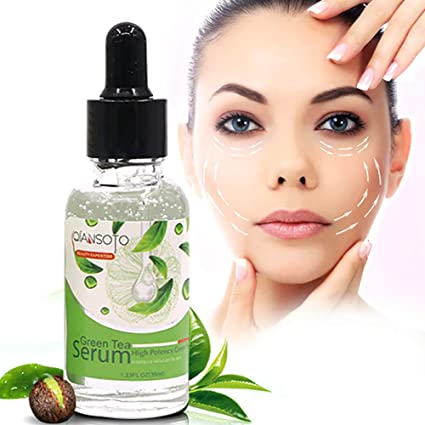
 Sale
SaleOriginal price was: ৳ 3,000.00.৳ 2,100.00Current price is: ৳ 2,100.00.
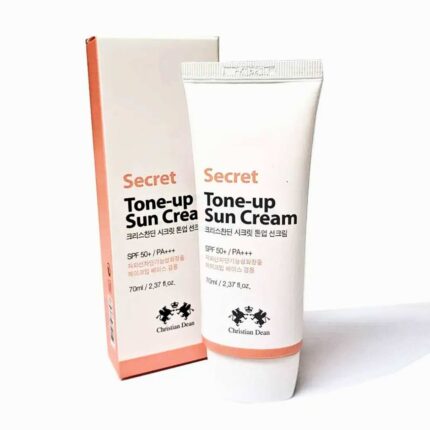 Sale
SaleOriginal price was: ৳ 650.00.৳ 450.00Current price is: ৳ 450.00.
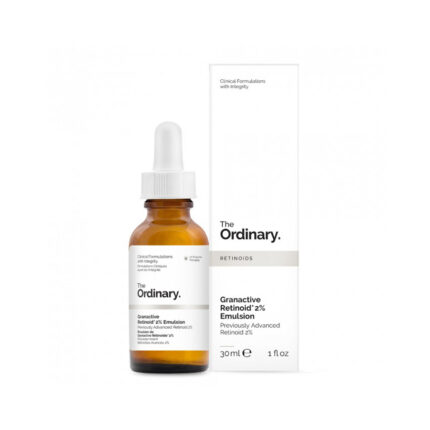 Sale
SaleOriginal price was: ৳ 2,000.00.৳ 1,490.00Current price is: ৳ 1,490.00.
Ethylhexyl Palmitate as a Premier Emollient Ester Ingredient
The role of an emollient in skincare is to provide a protective barrier on the skin’s surface. This barrier helps to reduce water loss, thereby keeping the skin hydrated and supple. Ethylhexyl Palmitate excels in this capacity. It delivers significant moisturizing benefits without the heaviness associated with some other oils. This makes it particularly appealing for a wide range of products, from lightweight lotions to richer creams. Research indicates that effective emollients are vital for maintaining skin barrier function, which is critical for healthy skin.
Beyond Hydration: Enhancing Skin Texture and Feel
One of the most appreciated qualities of Ethylhexyl Palmitate is its impact on product texture. It acts as a superior silky texture enhancer, transforming the sensory experience of applying skincare. It imparts a dry, smooth, and powdery feel on the skin after application, contrasting with the oily residue some ingredients leave. This characteristic is often described as a ‘silicone-like’ slip, providing ease of application and quick absorption. Cosmetic formulators frequently select this ingredient to achieve a luxurious feel, making products more enjoyable and effective for the user.
Common Uses of Ethylhexyl Palmitate in Skincare and Cosmetics
Due to its versatile properties, Ethylhexyl Palmitate appears in an extensive range of personal care products. It is a foundational ingredient in many moisturizers, body lotions, and facial creams. Its ability to improve spreadability and deliver a non-greasy feel makes it perfect for these applications. Beyond hydration, it is also widely used in color cosmetics. Foundations, concealers, and lipsticks often contain Ethylhexyl Palmitate to enhance pigment dispersion and create a smooth, even application. This multifaceted utility underscores its value in the beauty industry.
Makeup Formulations: A Key for Smooth Application
In makeup products, Ethylhexyl Palmitate performs several important functions. It serves as an excellent solvent for various pigments and active ingredients. This solvent property ensures that color is distributed evenly, preventing streaking or patchiness. Moreover, it helps to bind ingredients together, contributing to product stability and longevity. Many makeup products, from eyeshadows to mascaras, benefit from the smooth glide and comfortable wear that Ethylhexyl Palmitate provides. Formulators strategically include it to ensure a flawless finish and long-lasting performance.
The Science of Sensory Experience: Why It Feels So Silky
The specific feel of Ethylhexyl Palmitate on the skin is a result of its unique molecular structure. Unlike heavier, more viscous oils, this emollient ester ingredient has a relatively low molecular weight and viscosity. These characteristics allow it to form a thin, elegant film on the skin’s surface. This film reduces friction during application, contributing to that distinctive silky, smooth sensation. Industry experts often point out that this specific tactile quality is highly sought after by consumers, directly impacting product preference and repurchase rates.
Comparing Ethylhexyl Palmitate to Other Emollients
When contrasted with other common emollients, Ethylhexyl Palmitate often stands out. For example, while mineral oil is an effective occlusive, it can sometimes feel heavy or greasy. Silicones offer a smooth feel, but some consumers prefer alternatives. Ethylhexyl Palmitate strikes a balance, offering the slip and silky texture enhancer qualities without the perceived drawbacks of other options. It provides an excellent alternative or complementary ingredient to achieve specific sensory profiles. This balance makes it a favorite among formulators looking for precise texture control.
Safety Profile and Regulatory Status of Ethylhexyl Palmitate
Extensive research has been conducted on the safety of Ethylhexyl Palmitate in cosmetic applications. It is generally recognized as safe for use in personal care products. Regulatory bodies worldwide, including the Cosmetic Ingredient Review (CIR) Expert Panel, have evaluated its safety. The CIR Panel concluded that Ethylhexyl Palmitate is safe as a cosmetic ingredient in the present practices of use and concentration. This ingredient has a low irritation and sensitization potential, making it suitable for most skin types, including sensitive skin. Consumers can feel confident in its widespread application.
Addressing Concerns and Misconceptions
Like many cosmetic ingredients, Ethylhexyl Palmitate can sometimes be subject to misconceptions. Some might confuse it with palm oil derivatives, but its production process typically involves synthetic routes or other fatty acid sources. It is not considered an active ingredient in the sense of targeting specific skin conditions but rather a functional ingredient that optimizes product performance and feel. Its primary role is to enhance texture, spread, and emollience. Clarifying these points helps consumers understand its true contribution to their skincare routine.
How Ethylhexyl Palmitate Supports a Healthy Skin Barrier
A healthy skin barrier is crucial for protecting the body from environmental stressors and preventing excessive water loss. Ethylhexyl Palmitate contributes to maintaining this barrier by providing a mild occlusive layer on the skin. While not as heavily occlusive as petrolatum, its emollient properties help to seal in moisture. This action prevents transepidermal water loss (TEWL), which can lead to dry, rough, or irritated skin. By supporting hydration, Ethylhexyl Palmitate indirectly helps to strengthen the skin’s natural defenses, promoting overall skin health and resilience.
The Role in Non-Comedogenic Formulations
For those concerned about clogged pores and breakouts, understanding the comedogenic rating of ingredients is important. Ethylhexyl Palmitate is generally considered to have a low comedogenic rating, though individual reactions can vary. Many formulators use it in non-comedogenic products because it provides excellent emollience without contributing significantly to pore blockages. This makes it a popular choice for face creams, foundations, and sunscreens designed for acne-prone or sensitive skin. Its ability to deliver a silky texture enhancer quality without heaviness is highly beneficial.
Environmental and Sourcing Considerations for Ethylhexyl Palmitate
The sourcing and environmental impact of cosmetic ingredients are increasingly important to consumers. Ethylhexyl Palmitate can be derived from various sources. Palmitic acid, one of its components, can come from palm oil, which raises sustainability concerns. However, it can also be synthesized from other vegetable oils or petrochemical sources. Responsible manufacturers prioritize sustainable sourcing practices and ethical production methods. Consumers interested in the environmental footprint of their products should look for brands that are transparent about their ingredient origins and commitment to sustainability. The widespread use of this emollient ester ingredient necessitates careful consideration of its lifecycle.
Biodegradability and Eco-Friendly Formulations
The biodegradability of ingredients is another key environmental factor. Ethylhexyl Palmitate is generally considered to be biodegradable. This means it can break down naturally in the environment over time, reducing its potential for long-term accumulation. As the beauty industry moves towards more eco-friendly formulations, ingredients that offer both performance and environmental responsibility are highly valued. Formulators are continuously seeking ways to balance efficacy with sustainability. Choosing products with ingredients like Ethylhexyl Palmitate that are responsibly sourced and biodegradable aligns with greener cosmetic practices.
Reading Skincare Labels: Identifying Ethylhexyl Palmitate
Understanding ingredient lists is key to knowing what you are putting on your skin. Ethylhexyl Palmitate will always be listed by its International Nomenclature of Cosmetic Ingredients (INCI) name on product labels. The INCI system provides a standardized way to identify cosmetic ingredients globally. When you see “Ethylhexyl Palmitate” on an ingredient list, you know you are getting this specific emollient ester ingredient. This clear labeling helps consumers easily identify ingredients and make informed choices based on their preferences and skin needs.
Where it Typically Appears in Ingredient Lists
The placement of Ethylhexyl Palmitate in an ingredient list often indicates its concentration in the product. Ingredients are generally listed in descending order of their concentration. If Ethylhexyl Palmitate appears higher up on the list, it means it is a more significant component of the formulation. Its typical placement varies depending on the product type and its intended function. In a moisturizer where it acts as a primary emollient, it might be found among the top ingredients. In other products, it might be listed lower, still contributing its unique silky texture enhancer properties.
The Versatility of Ethylhexyl Palmitate Across Product Types
The remarkable versatility of Ethylhexyl Palmitate allows it to be incorporated into a diverse array of beauty and personal care products. Beyond typical moisturizers and makeup, it finds use in sunscreens, hair conditioners, and even bath oils. In sunscreens, it helps to solubilize UV filters and improve spreadability, ensuring even protection. In hair products, it can provide conditioning and shine without weighing hair down. This broad application spectrum highlights its adaptability and the value it brings to formulators seeking multifunctional ingredients. Its stable nature and pleasant skin feel make it an asset in many different formulations.
Ethylhexyl Palmitate in Hair Care and Sun Protection
In hair care, Ethylhexyl Palmitate acts as a conditioning agent, helping to detangle hair and impart a smooth, glossy finish. It can reduce frizz and improve the manageability of hair without leaving a greasy residue. For sunscreens, its role is crucial in achieving an elegant feel. Many sunscreens are notoriously heavy or sticky. Ethylhexyl Palmitate helps to create a lighter, more wearable formula, encouraging consistent application. This ensures users are more likely to apply enough sunscreen, providing better UV protection. Its performance as a silky texture enhancer is valuable even beyond traditional skincare.
Formulation Benefits for Skincare Manufacturers
For skincare manufacturers, Ethylhexyl Palmitate offers significant formulation advantages. Its excellent solvency properties allow it to dissolve and disperse other ingredients effectively, creating stable and homogeneous products. It helps to reduce the greasiness of heavier oils and butters, improving the overall feel of the product. This makes it easier for formulators to achieve specific textural goals and enhance the consumer experience. The stability and compatibility of this emollient ester ingredient with a wide range of other cosmetic components streamline the manufacturing process. These benefits contribute to developing high-quality, desirable products.
Cost-Effectiveness and Global Availability
Beyond its functional benefits, Ethylhexyl Palmitate is also a cost-effective ingredient with good global availability. This makes it an attractive choice for manufacturers who need reliable and scalable raw materials. Its widespread use across various product categories ensures that suppliers can provide it consistently. The balance of performance, safety, and economic viability contributes to its popularity. Manufacturers can leverage its properties to create luxurious-feeling products without significantly increasing production costs. This accessibility helps in making high-quality skincare more available to general online shoppers.
Future Trends and Innovations Featuring Ethylhexyl Palmitate
As the beauty industry evolves, so does the application of established ingredients like Ethylhexyl Palmitate. Future trends may see it integrated into novel delivery systems or combined with advanced active ingredients. Its ability to enhance texture and aid in dispersion makes it a strong candidate for supporting innovative formulations. For instance, in the development of “skinimalism” products that aim for fewer, more effective ingredients, Ethylhexyl Palmitate’s multifunctional properties could be even more valued. Its role as a reliable silky texture enhancer will likely continue to be essential in new product development.
Sustainable Innovations and Green Chemistry
Innovation also extends to the sustainability of ingredients. While Ethylhexyl Palmitate is already considered biodegradable, ongoing research in green chemistry seeks to develop even more environmentally friendly sourcing and production methods. This could involve exploring alternative feedstock sources or optimizing synthesis processes to reduce energy consumption and waste. The goal is to maximize the ingredient’s performance while minimizing its ecological footprint. This commitment to sustainability ensures that this important emollient ester ingredient remains relevant and responsible for future generations of skincare products.
Frequently Asked Questions
What is Ethylhexyl Palmitate derived from?
Ethylhexyl Palmitate is an ester formed from ethylhexyl alcohol and palmitic acid. Palmitic acid is a fatty acid that can be sourced from various plants, such as palm oil, or animals, though it is also commonly synthesized for cosmetic use.
Is Ethylhexyl Palmitate good for acne-prone skin?
Ethylhexyl Palmitate is generally considered to have a low comedogenic rating, meaning it is less likely to clog pores. Many formulations designed for acne-prone skin incorporate it due to its non-greasy feel and ability to enhance product texture without being overly occlusive.
What is the main benefit of Ethylhexyl Palmitate in cosmetics?
The primary benefit of Ethylhexyl Palmitate is its role as an emollient and a silky texture enhancer. It softens and smooths the skin, improves product spreadability, and leaves a pleasant, non-greasy, and almost powdery finish on the skin.
Is Ethylhexyl Palmitate considered a natural ingredient?
While one of its components, palmitic acid, can be naturally derived, Ethylhexyl Palmitate itself is typically a synthetic ester created through a chemical reaction. Its derivation methods can vary, often involving both natural precursors and synthetic processes.
Final Thoughts
Ethylhexyl Palmitate is a foundational ingredient in modern skincare and cosmetics, recognized for its exceptional performance. As an effective emollient ester ingredient, it consistently delivers skin-softening benefits while acting as a superior silky texture enhancer. Its versatility, safety profile, and ability to improve the sensory experience of products make it invaluable to formulators and cherished by consumers. Understanding the role of Ethylhexyl Palmitate empowers you to appreciate the thoughtful science behind your favorite skincare products, ensuring your skin receives the care it deserves with a luxurious, smooth touch.