
Hexylene Glycol: Essential Skincare Ingredient Insights

Delving into the world of skincare ingredients can often feel overwhelming, yet understanding what goes into your favorite products empowers you to make informed choices. Among the many components found on ingredient lists, hexylene glycol stands out for its multi-functional role. This clear, slightly viscous liquid plays a crucial part in many cosmetic and personal care items, from cleansers to serums. It is highly valued for its ability to dissolve other ingredients effectively and enhance the overall feel of a product. Learning about this compound can demystify its presence in your daily routine and highlight its benefits for product performance and skin comfort.
What Exactly is Hexylene Glycol?
Hexylene glycol is an organic chemical compound classified as a diol, meaning it contains two hydroxyl (-OH) groups. This chemical structure gives it unique properties that are highly beneficial in cosmetic science. It is a synthetic ingredient, commonly produced through a controlled chemical reaction. In its pure form, hexylene glycol is a colorless liquid with a mild, sweet odor. Its presence in skincare is primarily due to its excellent solvent capabilities and its humectant properties. This makes it a workhorse ingredient, facilitating the creation of stable and effective formulations across a wide range of product types. Research indicates that its molecular structure contributes to both its effectiveness and its generally recognized safety profile in cosmetic applications.
Recommended Products
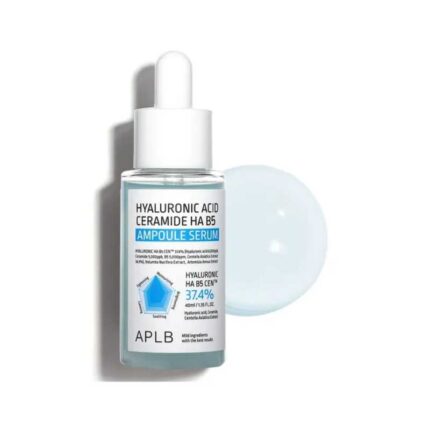 Sale
SaleOriginal price was: ৳ 1,300.00.৳ 910.00Current price is: ৳ 910.00.
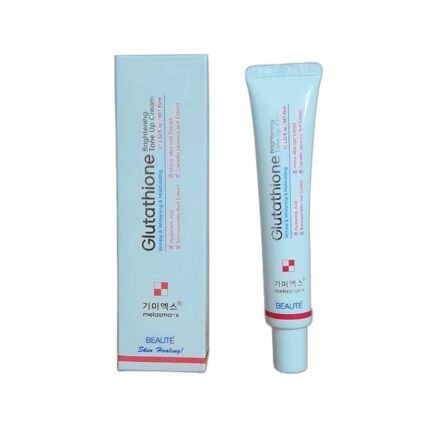 Sale
SaleOriginal price was: ৳ 1,250.00.৳ 950.00Current price is: ৳ 950.00.
 Sale
SaleOriginal price was: ৳ 2,800.00.৳ 1,960.00Current price is: ৳ 1,960.00.
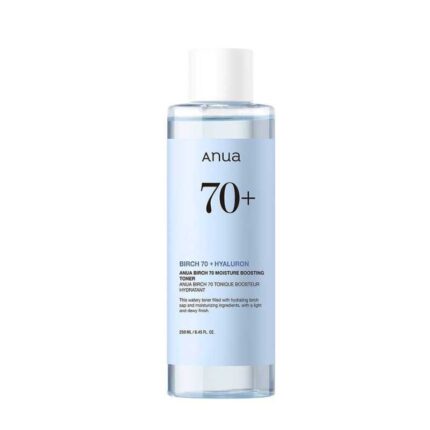 Sale
SaleOriginal price was: ৳ 2,920.00.৳ 2,044.00Current price is: ৳ 2,044.00.
The Role of Hexylene Glycol as a Solvent Ingredient
One of the primary functions of hexylene glycol in skincare is its exceptional ability to act as a solvent ingredient. Many active ingredients in cosmetic formulations, such as vitamins, botanical extracts, and certain sunscreens, are not water-soluble. Without an effective solvent, these beneficial components would not dissolve properly, leading to unstable or ineffective products. Hexylene glycol provides an excellent medium for dissolving both water-soluble and oil-soluble compounds, allowing them to be uniformly dispersed throughout the formulation. This ensures that all ingredients are evenly distributed, contributing to the product’s stability and consistent performance. Its solvent power helps create clear, elegant formulations that feel pleasant on the skin and deliver their intended benefits effectively.
Ensuring Formulation Stability and Efficacy
The stability of a skincare product is paramount for its shelf life and effectiveness. As a solvent, hexylene glycol helps to prevent ingredients from separating or precipitating over time. This is especially important for complex formulations containing a mix of hydrophobic (water-hating) and hydrophilic (water-loving) components. By keeping ingredients in solution, hexylene glycol maintains the integrity of the product’s texture and appearance. Moreover, an evenly dissolved active ingredient means that each application delivers a consistent dose. This ensures the product performs as intended from the first use to the last, offering reliable results to the consumer. Manufacturers appreciate its ability to simplify complex formulations.
Hexylene Glycol as a Texture Enhancer Compound
Beyond its solvent properties, hexylene glycol also functions significantly as a texture enhancer compound in skincare products. It contributes to the sensory experience of a formulation, influencing how it feels during application and after drying. Its slightly viscous nature can help create a smoother, more spreadable consistency in lotions, creams, and gels. This makes products easier and more enjoyable to apply, improving user compliance. It can reduce the tackiness or greasiness often associated with certain formulations, leading to a more elegant and comfortable finish on the skin. This dual role of solvent and texture enhancer makes it a highly valuable asset in the formulator’s toolkit, contributing to both the performance and aesthetic appeal of a product.
Improving Spreadability and Skin Feel
The tactile experience of a skincare product is critical for consumer satisfaction. Hexylene glycol helps to achieve a desirable texture by modifying the rheology, or flow properties, of the formulation. It can impart a silky, non-greasy feel that allows products to glide effortlessly over the skin. For serums or lightweight moisturizers, this means a quick absorption without leaving a heavy residue. In thicker creams, it can prevent a chalky or sticky sensation. The addition of hexylene glycol often results in a product that feels luxurious and hydrating, enhancing the overall user experience. This attention to texture is a key factor in product success within the competitive beauty market.
Benefits of Hexylene Glycol in Skincare Formulations
Hexylene glycol offers several advantages when incorporated into skincare products, extending beyond its roles as a solvent and texture modifier. One significant benefit is its humectant property, meaning it can attract and retain moisture from the environment. This helps to keep the skin hydrated and feeling comfortable. While not as potent a humectant as glycerin, its contribution adds to the overall moisturizing capabilities of a product. Additionally, it can function as a penetration enhancer for certain active ingredients. By temporarily disrupting the skin’s barrier, it may allow other beneficial compounds to more effectively reach their target areas within the skin. This can boost the efficacy of anti-aging ingredients, antioxidants, and other skin treatments.
Humectant Properties for Enhanced Hydration
Skin hydration is fundamental for a healthy skin barrier and a plump, youthful appearance. Hexylene glycol, even in small concentrations, contributes to this by drawing moisture from the air into the skin. This action helps to mitigate dryness and flakiness, leaving the skin feeling softer and more supple. It works synergistically with other humectants in a formula, creating a multi-layered approach to hydration. According to dermatological studies, maintaining adequate skin moisture is crucial for preventing irritation and supporting the skin’s natural repair processes. Integrating ingredients like hexylene glycol ensures that formulations actively support skin health and comfort.
Supporting Ingredient Penetration and Efficacy
To be effective, many skincare active ingredients need to penetrate beyond the surface layer of the skin. Hexylene glycol can assist in this process by transiently altering the skin’s stratum corneum, the outermost layer. This allows for improved delivery of beneficial compounds, such as vitamins C and E, peptides, or salicylic acid, to where they can exert their effects more efficiently. While its penetration-enhancing capabilities are generally mild, they can significantly contribute to the overall performance of a product. This strategic inclusion helps formulators maximize the benefits of their chosen active ingredients, leading to more impactful and results-driven skincare solutions for consumers.
Safety Profile and Common Misconceptions
The safety of skincare ingredients is a major concern for consumers, and hexylene glycol has been subject to scrutiny like many other chemical compounds. However, extensive research and regulatory assessments consistently classify hexylene glycol as safe for use in cosmetics. The Cosmetic Ingredient Review (CIR) Expert Panel, a respected independent scientific body, has reviewed hexylene glycol multiple times, concluding it is safe under current practices of use and concentration. Concerns sometimes arise due to its chemical nature, but it is important to differentiate between high-concentration industrial exposure and the dilute amounts found in consumer products. For most individuals, hexylene glycol is non-irritating and non-sensitizing. Cases of irritation are rare and typically linked to very sensitive skin types or extremely high concentrations not found in finished products.
Addressing Irritation Concerns and Allergic Reactions
While hexylene glycol is generally well-tolerated, some individuals with exceptionally sensitive skin might experience mild irritation. This is true for almost any ingredient, natural or synthetic. Patch testing is always recommended for those with known sensitivities. It is important to note that hexylene glycol is not commonly associated with allergic reactions. Studies have shown its potential for sensitization is very low. Misconceptions often arise from confusion with other related compounds or a general fear of chemical-sounding names. Reputable scientific bodies have consistently confirmed its safety in cosmetic applications, ensuring that when used appropriately, it contributes positively to product formulations without posing a significant risk to consumer health.
Products Featuring Hexylene Glycol
Hexylene glycol is a versatile ingredient found across a broad spectrum of skincare and personal care products. Its multi-functional properties make it suitable for various formulations where solvency, texture enhancement, and mild humectancy are desired. You can often spot it on the ingredient list of micellar waters, where it helps dissolve makeup and impurities effectively while providing a gentle feel. It is also common in facial cleansers, toners, and moisturizers, contributing to their spreadability and skin feel. In serums and treatment products, it aids in dissolving active ingredients and ensuring their proper delivery. Even in some sunscreens and hair care products, hexylene glycol plays a role in formulation stability and texture. Its widespread use is a testament to its effectiveness and favorable safety profile within the industry.
Examples in Daily Skincare Routines
Consider your morning and evening skincare rituals; it is likely that hexylene glycol features in several steps. Many popular micellar cleansing waters list it as a key ingredient, enabling them to lift dirt and oil without harsh rubbing. In your favorite lightweight moisturizer, it might be improving the product’s smooth application and quick absorption. Facial toners often utilize it to ensure that clarifying or hydrating ingredients are well-dispersed and effectively delivered to the skin. Eye creams can also benefit from hexylene glycol’s texture-enhancing properties, leading to a smoother, less draggy application around the delicate eye area. This pervasive presence highlights its utility in creating a wide array of consumer-friendly and effective products.
Comparing Hexylene Glycol with Other Glycols
The family of glycols includes several compounds used in skincare, each with its own unique properties and applications. Common examples include propylene glycol, butylene glycol, and dipropylene glycol. While all glycols share some similarities, such as humectant and solvent capabilities, hexylene glycol distinguishes itself through specific characteristics. For instance, hexylene glycol is generally considered less sensitizing than propylene glycol for individuals with very sensitive skin. It also has a slightly larger molecular size, which can influence its penetration profile and interaction with other ingredients. Formulators often choose hexylene glycol when they seek a solvent with a desirable skin feel and a robust safety record. The specific choice of glycol depends on the desired outcome for the product, including texture, solvency needs, and target audience sensitivities. Industry data suggests hexylene glycol is a preferred choice in many hypoallergenic formulations.
Unique Advantages in Formulation
Each glycol brings a distinct set of attributes to a formulation. Hexylene glycol is particularly valued for its balance of strong solvent action and a relatively low potential for skin irritation compared to some other glycols. Its ability to create elegant, non-tacky textures is another strong advantage, allowing formulators to achieve specific sensory profiles. For products requiring excellent solubilization of difficult-to-dissolve actives, while also prioritizing a smooth skin feel, hexylene glycol often emerges as the preferred option. Its efficacy at lower concentrations also means formulators can achieve desired results without overloading the product with unnecessary ingredients. This makes it an efficient and effective choice for a wide array of cosmetic chemists aiming for high-quality, consumer-friendly products.
How to Identify Hexylene Glycol on Ingredient Lists
For the informed consumer, reading ingredient lists is an essential step in understanding skincare products. Identifying hexylene glycol is straightforward, as it will be listed by its International Nomenclature of Cosmetic Ingredients (INCI) name: “Hexylene Glycol.” Ingredient lists are typically ordered by concentration, from highest to lowest. Therefore, if hexylene glycol appears higher on the list, it indicates a greater concentration in the product. However, even in lower concentrations, it can still effectively perform its functions as a solvent, texture enhancer, and humectant. Familiarizing yourself with common ingredient names like hexylene glycol helps you understand what you are applying to your skin. This transparency empowers you to align product choices with your personal preferences and skin needs, becoming a more discerning beauty shopper.
Understanding INCI Naming Conventions
The INCI system provides a standardized way of naming cosmetic ingredients globally. This uniform nomenclature ensures that regardless of where a product is manufactured or sold, consumers and professionals can identify its components. Hexylene glycol’s straightforward INCI name makes it easy to spot. This system is crucial for regulatory bodies, allowing them to assess ingredient safety consistently. For consumers, understanding INCI names is the key to decoding product labels accurately. It helps in identifying potential irritants, beneficial actives, or simply understanding the overall composition of a formula. Knowing “Hexylene Glycol” means you can quickly ascertain its presence and role in any product you consider purchasing, enhancing your confidence in your skincare routine.
The Science Behind Hexylene Glycol’s Efficacy
The effectiveness of hexylene glycol stems from its specific chemical structure. As a diol, it possesses two hydroxyl groups, which are polar and capable of forming hydrogen bonds. This polarity allows it to interact effectively with a wide range of substances, making it an excellent solvent for both polar and non-polar ingredients. The slightly longer carbon chain compared to simpler glycols also contributes to its emollient properties and its ability to act as a mild humectant. Its amphiphilic nature, meaning it has both water-attracting and oil-attracting parts, is key to its role in solubilizing diverse compounds. This scientific foundation explains why it performs so reliably in complex cosmetic formulations, contributing to product stability, texture, and the effective delivery of other ingredients. Research in chemical engineering often explores the specific interactions of such compounds with different matrices.
Molecular Structure and Functional Properties
The unique arrangement of carbon atoms and hydroxyl groups within the hexylene glycol molecule dictates its functional properties. The presence of two hydroxyl groups allows it to participate in hydrogen bonding, making it miscible with water and effective at dissolving polar molecules. Simultaneously, the hydrocarbon chain provides a degree of lipophilicity, enabling it to interact with and dissolve oil-soluble compounds. This amphiphilic balance is what grants it such broad solvent capabilities. Furthermore, its molecular size and shape influence its viscosity and how it feels on the skin. This understanding of its molecular mechanics provides formulators with a precise tool for engineering stable, pleasant, and effective skincare products. Its chemical characteristics are meticulously studied to optimize its application in personal care.
Environmental Considerations and Sourcing
As consumers become more environmentally conscious, the sourcing and environmental impact of ingredients are increasingly important. Hexylene glycol is primarily produced synthetically, often from petrochemical feedstocks. The manufacturing process is typically well-controlled, adhering to environmental regulations. While it is not a naturally derived ingredient, its synthetic origin allows for consistent purity and reduces reliance on agricultural resources that could otherwise be used for food. The environmental footprint of hexylene glycol, like any chemical, involves energy consumption and waste management during its production. However, in cosmetic applications, it is used in relatively small percentages, and its biodegradability is considered moderate. Industry trends indicate a growing focus on sustainable chemistry practices, prompting ongoing research into greener synthesis methods and alternative, bio-based sources for similar compounds. Companies strive to minimize environmental impact throughout the entire ingredient life cycle.
Sustainability in Chemical Synthesis
The cosmetics industry is continuously evaluating its raw material sourcing and manufacturing processes for improved sustainability. For ingredients like hexylene glycol, this includes exploring methods that reduce energy consumption, minimize waste, and potentially utilize renewable feedstocks. While current production is largely petroleum-based, advancements in green chemistry are paving the way for more environmentally friendly alternatives. For example, some glycols can now be derived from bio-based sources, and research is ongoing for hexylene glycol. Manufacturers are also implementing stricter controls over emissions and by-products. The goal is to ensure that while ingredients deliver high performance and safety, their production aligns with broader environmental protection goals. This commitment to sustainable synthesis is a vital part of the beauty industry’s future trajectory.
Frequently Asked Questions
Is Hexylene Glycol safe for sensitive skin?
Yes, hexylene glycol is generally considered safe and well-tolerated for sensitive skin types. Reputable scientific reviews have confirmed its low potential for irritation or sensitization in the concentrations typically found in cosmetic products. It is often preferred in formulations for its mildness compared to some other glycols.
What is the main purpose of Hexylene Glycol in skincare?
The main purpose of hexylene glycol is to act as a versatile solvent, effectively dissolving various ingredients that might not mix otherwise. It also functions as a texture enhancer, improving the feel and spreadability of products, and offers mild humectant properties to support skin hydration.
Can Hexylene Glycol cause breakouts or clogged pores?
No, hexylene glycol is not typically associated with causing breakouts or clogged pores. It is generally non-comedogenic and lightweight. Its role as a solvent and texture enhancer often contributes to products that feel less heavy and are less likely to leave pore-clogging residues.
How does Hexylene Glycol differ from Propylene Glycol?
While both are glycols used as solvents and humectants, hexylene glycol has a larger molecular structure and is generally considered to have a lower potential for skin irritation or sensitization than propylene glycol, especially for very sensitive individuals. Formulators often choose hexylene glycol for its mildness and desirable skin feel.
Final Thoughts
Navigating the complex world of skincare ingredients can be simplified by understanding key components like hexylene glycol. This versatile ingredient is a true workhorse in cosmetic formulations, valued for its ability to dissolve other compounds, enhance product texture, and offer mild hydrating benefits. Far from being a mere filler, it actively contributes to the stability, efficacy, and sensory appeal of a wide range of skincare products. Scientific research consistently supports its safety profile, making it a reliable choice for consumers seeking effective and pleasant-to-use formulations. When you see hexylene glycol on an ingredient list, you can be confident that it plays a beneficial role in delivering a well-formulated product designed for optimal performance and skin comfort. Its presence often signifies a well-engineered product, crafted to enhance your daily skincare experience.