
Zinc Oxide: The Ultimate Mineral Sunscreen Filter Explained

In the expansive world of skincare, few ingredients stand out with the versatility and proven efficacy of Zinc Oxide. This remarkable mineral compound, a staple in countless formulations, offers far more than just surface-level benefits. It is a cornerstone for effective skin protection and care. For anyone seeking comprehensive defense against environmental aggressors, understanding Zinc Oxide is crucial. This article will illuminate its many attributes, from its origins as a natural compound to its pivotal role as a superior uv protection ingredient in modern skincare.
The Science Behind Zinc Oxide: A Potent UV Protection Ingredient
Zinc Oxide works by creating a physical barrier on the skin’s surface. When applied, it sits on top of the skin, literally reflecting and scattering harmful ultraviolet (UV) radiation away from the skin cells. This is a key distinction from chemical sunscreens, which absorb UV rays and convert them into heat. The mechanism of action for Zinc Oxide makes it an exceptional mineral sunscreen filter. It ensures that UV energy does not penetrate the skin. This physical blocking action helps prevent sun damage, premature aging, and reduces the risk of skin cancers. Research consistently highlights the effectiveness of this physical defense in protecting against a wide range of solar radiation.
Recommended Products
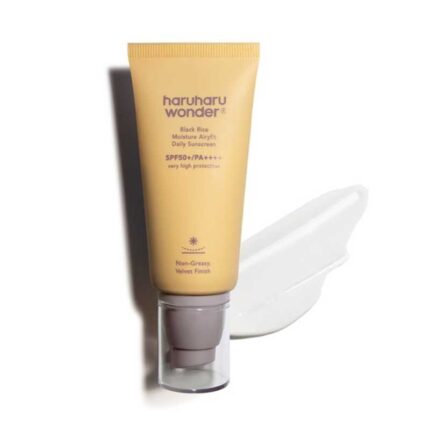 Sale
SaleOriginal price was: ৳ 2,040.00.৳ 1,428.00Current price is: ৳ 1,428.00.
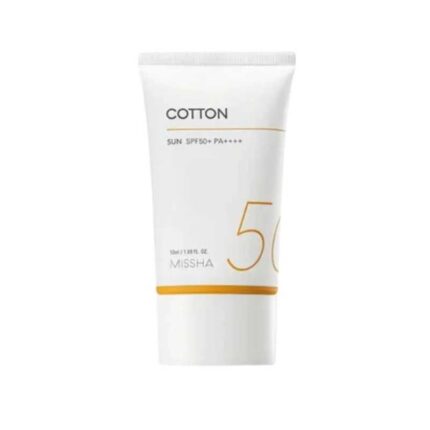 Sale
SaleOriginal price was: ৳ 1,290.00.৳ 903.00Current price is: ৳ 903.00.
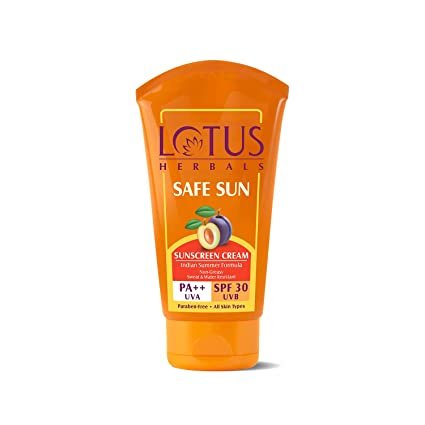 Sale
SaleOriginal price was: ৳ 1,490.00.৳ 1,240.00Current price is: ৳ 1,240.00.
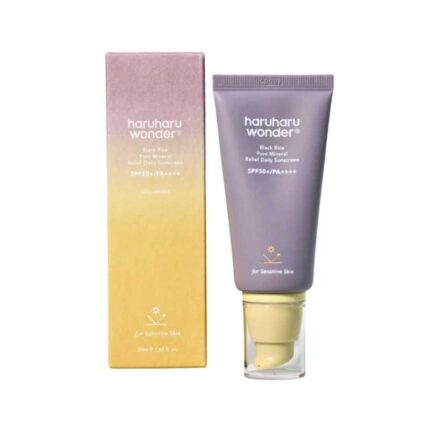 Sale
SaleOriginal price was: ৳ 2,300.00.৳ 1,610.00Current price is: ৳ 1,610.00.
Broad-Spectrum Defense: Why Zinc Oxide Excels at UV Protection
One of the most significant advantages of Zinc Oxide is its broad-spectrum capability. This means it effectively protects against both UVA and UVB rays. UVA rays contribute to skin aging, wrinkles, and certain skin cancers. UVB rays are primarily responsible for sunburn and also play a major role in skin cancer development. Unlike some other sunscreen agents that only block one type of UV radiation, Zinc Oxide offers comprehensive defense. This dual protection makes it an indispensable uv protection ingredient in any effective sun care routine. According to dermatological consensus, broad-spectrum protection is vital for maintaining skin health.
Zinc Oxide vs. Chemical Sunscreens: A Clear Distinction
The debate between mineral and chemical sunscreens often centers on their active ingredients and how they function. Chemical sunscreens typically contain organic compounds like oxybenzone, avobenzone, and octinoxate. These ingredients penetrate the skin and absorb UV radiation, then release it as heat. In contrast, Zinc Oxide, as a mineral sunscreen filter, remains on the skin’s surface. It acts as a physical shield. This difference in mechanism leads to distinct benefits. Mineral sunscreens are generally preferred for sensitive skin types due to their lower irritation potential. They also start working immediately upon application, unlike chemical sunscreens which require about 20 minutes to become effective.
A Deeper Look: Micronized and Non-Nano Zinc Oxide
Historically, a common complaint about Zinc Oxide sunscreens was the visible white cast they left on the skin. Modern advancements have largely addressed this issue through innovative particle technology. Manufacturers now use micronized Zinc Oxide, where the particles are much smaller than traditional forms. While these particles are tiny, they are still larger than nanoparticles. Non-nano Zinc Oxide refers to particles that are generally above 100 nanometers. This size is too large to penetrate the skin, ensuring the ingredient stays on the surface where it can effectively block UV rays. This allows for transparent application without compromising the effectiveness of the mineral sunscreen filter.
Beyond Sun Protection: The Skin-Soothing Benefits of Zinc Oxide
The utility of Zinc Oxide extends far beyond its role as a powerful uv protection ingredient. It possesses notable anti-inflammatory and skin-soothing properties. For centuries, it has been used to calm irritated skin and alleviate various dermatological conditions. Its ability to reduce redness and inflammation makes it an ideal ingredient for products targeting sensitive or compromised skin. This healing potential contributes to a healthier skin barrier. Many skin experts recommend Zinc Oxide for its gentle yet effective calming effects. It helps create an optimal environment for skin recovery and comfort.
Addressing Skin Concerns: Zinc Oxide for Acne and Irritation
Zinc Oxide’s anti-inflammatory and mild astringent qualities make it beneficial for individuals struggling with acne. It helps to reduce the redness and swelling associated with breakouts. By forming a protective barrier, it also prevents further irritation. Its antiseptic properties can help keep bacteria at bay, a common factor in acne development. For general skin irritation, such as minor cuts, scrapes, or rashes, Zinc Oxide provides a soothing and protective layer. This action helps to accelerate the healing process. Its gentle nature ensures it is suitable even for easily reactive skin.
Zinc Oxide in Everyday Skincare: More Than Just Sunscreen
While celebrated as a premier mineral sunscreen filter, Zinc Oxide has a long history of use in a variety of other everyday skincare products. It is a key ingredient in many diaper rash creams. Here, it forms a protective barrier against moisture and irritants, effectively soothing and healing sensitive baby skin. Calamine lotion, a classic remedy for itching and minor skin irritations, also prominently features Zinc Oxide. This demonstrates its time-tested efficacy in comfort and protection. Its versatility underscores its value in comprehensive skin health strategies across different product categories.
The Safety Profile of Zinc Oxide: Understanding Its GRAS Status
The safety of skincare ingredients is a paramount concern for consumers and regulators alike. Zinc Oxide boasts an excellent safety record. It has been recognized as Generally Recognized As Safe and Effective (GRASE) by the U.S. Food and Drug Administration (FDA) for use in sunscreens. This classification applies to concentrations up to 25%. It signifies a high degree of confidence in its safety and effectiveness when used as directed. The fact that it does not penetrate the skin further enhances its safety profile, minimizing systemic exposure. This robust safety assessment reinforces its status as a reliable choice for daily use.
Historical Roots: Zinc Oxide Through the Ages
The use of Zinc Oxide in medicinal and cosmetic applications spans millennia. Ancient civilizations recognized its therapeutic properties. As early as 500 BC, the Indian medical text Charaka Samhita mentioned ‘pushpanjan’, widely believed to be Zinc Oxide, as a salve for eyes and open wounds. The Greek physician Dioscorides, in the 1st century AD, also documented its use as an ointment. Throughout history, various cultures have leveraged Zinc Oxide for its healing and protective qualities. This rich historical background provides strong evidence of its enduring value and effectiveness. Its legacy continues to shape modern skincare.
Formulation Matters: How Zinc Oxide Integrates into Products
The final aesthetic and performance of a Zinc Oxide product depend heavily on its formulation. Creating an elegant and effective product requires careful consideration of particle size, dispersion, and combination with other ingredients. Formulators work to evenly distribute Zinc Oxide particles within the base. This prevents clumping and ensures consistent coverage. The choice of carrier oils, emollients, and texture enhancers plays a crucial role. These components influence how smoothly the product applies and how well it wears throughout the day. Advanced formulation techniques minimize the white cast and improve the overall user experience. This makes Zinc Oxide sunscreens more appealing for daily use.
Choosing the Right Zinc Oxide Product for Your Skin Type
Selecting the ideal Zinc Oxide product involves understanding your specific skin needs. For individuals with oily or acne-prone skin, lightweight, non-comedogenic formulas are best. These products help prevent clogged pores. Dry skin types benefit from richer, more emollient formulas that provide added hydration. Sensitive skin will thrive with formulations free of fragrances, dyes, and other common irritants, focusing solely on the pure mineral sunscreen filter. Always check the ingredient list for supporting components. Look for ceramides, hyaluronic acid, or niacinamide, which can enhance overall skin health and comfort. Patch testing new products is always a wise precaution.
Debunking Myths: Common Misconceptions About Zinc Oxide
Despite its benefits, Zinc Oxide sometimes faces common misconceptions. One prevalent myth is that it leaves an unbearable white cast. While older formulations certainly did, modern micronized and tinted versions largely mitigate this issue. Another misconception suggests it feels heavy or greasy. Many contemporary formulas are lightweight and elegant. Some believe that because it’s a mineral, it’s inherently “natural” and requires no further scrutiny. However, even natural ingredients can cause reactions in some individuals. Understanding these nuances helps consumers make informed choices. This ensures they fully appreciate the advantages of this powerful uv protection ingredient.
Environmental Impact: Zinc Oxide and Coral Reefs
The environmental impact of sunscreens, particularly on marine ecosystems like coral reefs, has become a significant concern. Certain chemical UV filters, such as oxybenzone and octinoxate, have been linked to coral bleaching and damage. In contrast, mineral sunscreens containing Zinc Oxide and Titanium Dioxide are generally considered reef-safe. They are less likely to harm marine life. Many regions, including Hawaii, have banned chemical sunscreens to protect their delicate ecosystems. Choosing a sunscreen with Zinc Oxide helps support marine conservation efforts. This makes it an environmentally conscious choice for sun protection.
Regulatory Landscape: Zinc Oxide in Global Skincare
The regulation of Zinc Oxide in skincare products, especially sunscreens, varies across different countries and regions. In the United States, the FDA recognizes Zinc Oxide as safe and effective. It is approved as an active ingredient in over-the-counter sunscreens. The European Union also permits Zinc Oxide for UV protection. However, specific guidelines regarding nanoparticle size exist in some areas. These regulations ensure consumer safety and product efficacy. Staying informed about these global standards helps both manufacturers and consumers. It reinforces the consistent trust placed in Zinc Oxide as a reliable skin protectant.
Combining Ingredients: Zinc Oxide with Antioxidants and Moisturizers
For enhanced skincare benefits, Zinc Oxide pairs exceptionally well with other beneficial ingredients. Antioxidants, such as Vitamin C and E, can work synergistically with Zinc Oxide. They provide an additional layer of defense against environmental damage and free radicals. Moisturizing ingredients like hyaluronic acid, glycerin, and ceramides can help maintain skin hydration. They also counteract any potential drying effects of the sunscreen base. Combining these elements creates a more comprehensive and protective skincare routine. This holistic approach maximizes skin health and resilience. It elevates the performance of this essential mineral sunscreen filter.
Zinc Oxide for Sensitive Skin: A Gentle Approach to Protection
Sensitive skin types often struggle to find sunscreens that do not cause irritation, redness, or breakouts. Zinc Oxide is frequently recommended by dermatologists for its gentle nature and low allergenic potential. Unlike chemical filters that absorb into the skin, Zinc Oxide forms a protective layer on the surface. This minimizes the risk of adverse reactions. Its inherent anti-inflammatory properties further soothe easily irritated skin. This makes it an ideal choice for those with conditions like rosacea or eczema. It offers robust uv protection without compromising skin comfort. This gentle yet powerful mineral is a sensitive skin savior.
The Role of Zinc Oxide in Post-Procedure Care
After dermatological procedures such as laser treatments, chemical peels, or microdermabrasion, the skin is highly vulnerable and requires meticulous care. Zinc Oxide plays a crucial role in post-procedure recovery. Its ability to create a protective barrier shields compromised skin from UV exposure. It also helps prevent infection and irritation. Furthermore, its soothing and anti-inflammatory properties aid in calming the skin and reducing post-procedure redness. Many dermatologists specifically recommend Zinc Oxide-based products during this delicate healing phase. It supports optimal recovery and protects newly regenerated skin.
Photostability: Why Zinc Oxide Remains Effective Under Sun
One critical advantage of Zinc Oxide is its inherent photostability. This means it does not degrade or lose its effectiveness when exposed to sunlight. Some chemical UV filters can break down over time, reducing their protective capabilities and potentially forming unstable byproducts. Zinc Oxide, as a stable mineral compound, maintains its integrity and broad-spectrum protection throughout sun exposure. This long-lasting stability ensures continuous and reliable defense against both UVA and UVB rays. It provides peace of mind for those spending extended periods outdoors. This makes it an exceptionally dependable uv protection ingredient.
From Lab to Lotion: The Manufacturing Process of Zinc Oxide
The Zinc Oxide used in skincare products undergoes a specialized manufacturing process to ensure purity and optimal particle size. While naturally occurring as the mineral zincite, most cosmetic-grade Zinc Oxide is produced synthetically. The “French process” is a common method involving the vaporization of zinc metal, which then oxidizes in air to form fine Zinc Oxide powder. This controlled process allows for the creation of specific particle sizes. These range from conventional to micronized forms. Such precision ensures the ingredient meets stringent quality and safety standards for dermatological applications. It guarantees a consistent and effective mineral sunscreen filter.
Innovations in Zinc Oxide Formulations: The Future of Mineral Sunscreens
The landscape of Zinc Oxide formulations is continuously evolving, driven by consumer demand for more aesthetically pleasing and effective mineral sunscreens. Researchers are exploring novel encapsulation techniques to improve dispersion. This further reduces the white cast and enhances cosmetic elegance. Advances in tinting technology allow for a wider range of shades. This ensures a seamless blend for diverse skin tones. These innovations aim to overcome traditional drawbacks. They aim to make Zinc Oxide sunscreens even more appealing for daily, year-round use. The future promises increasingly sophisticated and user-friendly options for this powerful uv protection ingredient.
Understanding Concentration: How Much Zinc Oxide is Effective?
The effectiveness of Zinc Oxide in sunscreens is directly related to its concentration in the formula. For robust broad-spectrum protection, sunscreens typically contain between 10% and 25% Zinc Oxide. A higher percentage generally correlates with a higher SPF (Sun Protection Factor) rating. However, the overall formulation also plays a crucial role in how well the product performs. Always check the active ingredients list on sunscreen labels. This ensures you are selecting a product with an adequate concentration of this essential mineral sunscreen filter. Products with lower concentrations might offer minimal protection.
Sun Protection Factor (SPF) and Zinc Oxide: What You Need to Know
SPF (Sun Protection Factor) measures a sunscreen’s ability to protect against UVB rays, which cause sunburn. When a sunscreen contains Zinc Oxide, its concentration directly influences the SPF rating. For example, a sunscreen with 15-20% Zinc Oxide can often achieve an SPF of 30 or higher. It is important to remember that SPF primarily indicates UVB protection. For complete defense, always look for “broad-spectrum” on the label. This confirms protection against both UVA and UVB rays. Zinc Oxide inherently offers this comprehensive protection, making it a reliable foundation for high SPF, broad-spectrum sunscreens.
The Aesthetic Challenge: Minimizing the White Cast of Zinc Oxide
One of the most persistent aesthetic challenges with Zinc Oxide has been its tendency to leave a visible white cast, especially on darker skin tones. This occurs because Zinc Oxide is a white pigment that reflects light. However, significant progress has been made to address this. Modern formulations often use micronized Zinc Oxide, which scatters light more effectively and appears less opaque. Tinted mineral sunscreens, incorporating iron oxides, offer another excellent solution. These formulations blend seamlessly into various complexions. This eliminates the white residue without compromising the efficacy of the uv protection ingredient. Consumers now have many cosmetically elegant options.
Zinc Oxide in Pediatric Skincare: Gentle Protection for Little Ones
When it comes to protecting children’s delicate skin, particularly infants, safety and gentleness are paramount. Pediatricians and dermatologists frequently recommend Zinc Oxide-based sunscreens for babies and young children. Their skin is more sensitive and prone to irritation from chemical UV filters. Zinc Oxide, as a physical blocker, remains on the skin’s surface and is less likely to cause allergic reactions or skin sensitivity. Its dual role as a mineral sunscreen filter and a soothing agent makes it an ideal choice. It offers robust sun protection while caring for vulnerable skin. Always opt for formulas specifically designed for children.
Considerations for Zinc Oxide in Makeup and Tinted Products
Zinc Oxide is increasingly incorporated into makeup products, such as tinted moisturizers, BB creams, and foundations. This integration offers the dual benefit of cosmetic coverage and daily UV protection. For individuals who prefer a minimalist routine, a tinted product with Zinc Oxide can simplify their morning. It provides both a flawless finish and essential sun defense. When choosing such products, ensure the Zinc Oxide concentration is sufficient for meaningful sun protection, typically 10% or more. This allows for both aesthetic appeal and the robust shielding capability of a broad-spectrum uv protection ingredient. It marries beauty with effective skincare.
Dispelling Absorption Concerns: Why Zinc Oxide Stays on the Surface
Concerns about ingredient absorption are common, especially regarding nanoparticles. However, extensive research confirms that non-nano Zinc Oxide particles do not penetrate healthy, intact skin. Studies show they remain on the skin’s outermost layer. This is where they perform their protective function of reflecting UV light. Even micronized forms, while smaller, are generally considered too large to breach the skin barrier effectively. This non-absorption characteristic is a key factor contributing to Zinc Oxide’s excellent safety profile. It ensures that the mineral sunscreen filter acts precisely where it is needed: on the surface. This minimizes any systemic exposure risk.
Antioxidant Properties: A Lesser-Known Benefit of Zinc Oxide
While primarily known as a physical UV blocker and a soothing agent, Zinc Oxide also exhibits some antioxidant properties. It can help neutralize free radicals that are generated by UV exposure and environmental pollutants. These free radicals can cause oxidative stress and cellular damage, contributing to premature skin aging. Although not its primary function, this added antioxidant benefit contributes to its overall skin-protective profile. It works in conjunction with its reflective properties. This makes it a multi-faceted uv protection ingredient that defends the skin on several fronts, enhancing overall resilience.
Frequently Asked Questions
Is Zinc Oxide safe for daily use?
Yes, Zinc Oxide is widely considered safe for daily use. It is recognized as a safe and effective sunscreen ingredient by regulatory bodies. Its non-penetrating nature means it stays on the skin’s surface, minimizing systemic exposure and reducing the likelihood of irritation for most skin types.
Does Zinc Oxide fully block all UV rays?
Zinc Oxide provides broad-spectrum protection, effectively blocking and scattering both UVA and UVB rays. While no sunscreen offers 100% protection, a properly formulated Zinc Oxide product with adequate concentration offers excellent and comprehensive defense against the sun’s harmful radiation.
Can Zinc Oxide help with skin conditions like acne?
Yes, Zinc Oxide can be beneficial for acne-prone skin. Its anti-inflammatory and mild antiseptic properties help to reduce redness, soothe irritation, and prevent the growth of acne-causing bacteria. It can also help dry out excess oil without being overly harsh on the skin.
Why is non-nano Zinc Oxide often recommended?
Non-nano Zinc Oxide is recommended to ensure the particles remain on the skin’s surface and do not penetrate deeper layers. Although research suggests even micronized particles are safe, non-nano forms offer maximum assurance against potential absorption concerns. This maintains its status as a purely surface-acting mineral sunscreen filter.
Final Thoughts
Zinc Oxide stands as an unparalleled ingredient in modern skincare, offering a robust blend of protection and therapeutic benefits. As a superior mineral sunscreen filter, it provides broad-spectrum UV defense that is both photostable and gentle. Its ability to reflect harmful rays, soothe irritated skin, and cater to even the most sensitive complexions makes it an indispensable component of any effective skincare regimen. Incorporating Zinc Oxide into your daily routine is a proactive step towards healthier, more resilient skin, safeguarding it against sun damage and environmental stressors for years to come.