
Xiaomi Air Purifier Filter: Review & Replacement Guide

Choosing the right Xiaomi Air Purifier Filter can change indoor air quality quickly. This guide examines performance, replacement timing, and practical maintenance tips. You will learn which filters suit allergies, smoke, and household odors. The review covers HEPA filtration, antibacterial air purifier filter options, and how smart air purifier filter features add convenience. Read on for direct advice and actionable steps to keep your home air clean and safe.
Xiaomi Air Purifier Filter: Key Features
Xiaomi designs filters to work with its smart purifiers and to meet common home needs. Most original filters combine a pre-filter, a HEPA layer, and activated carbon. Some models add antibacterial treatments. Smart pairing lets the purifier report filter life and air quality to an app. These features make the device easy to maintain and more effective.
- Multi-stage filtration: pre-filter, HEPA, and activated carbon
- Smart integration for filter life monitoring
- Available antibacterial options for odor and microbial control
- Standard sizes compatible with multiple Xiaomi models
Recommended Products
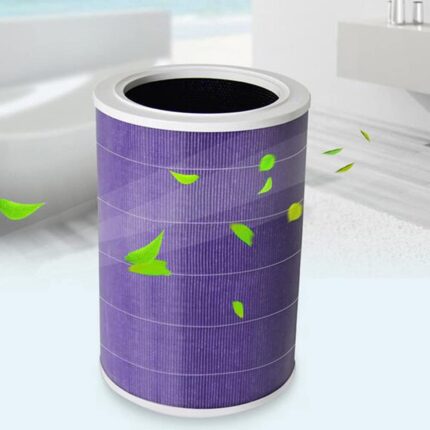
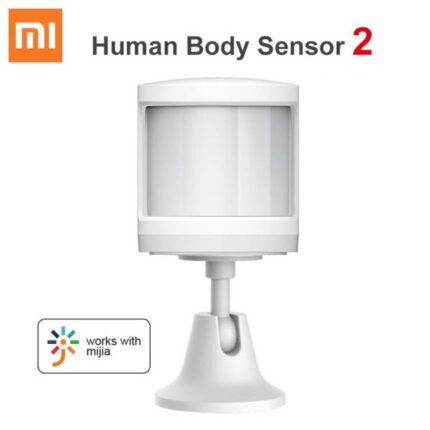
৳ 1,040.00
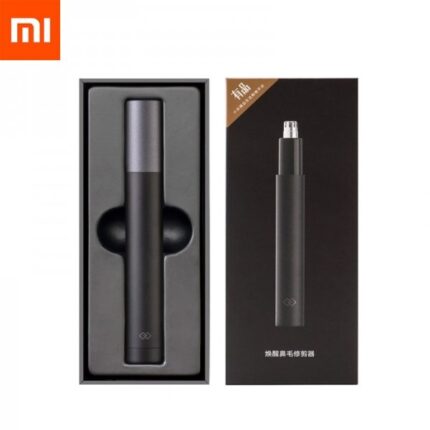
৳ 1,080.00
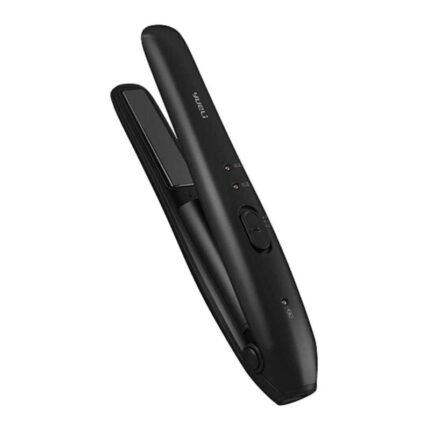
৳ 2,440.00
Performance Breakdown: HEPA and Antibacterial Action
HEPA filter air purifier performance remains the top factor. Xiaomi uses H13-grade HEPA in many models. That rating captures particles down to 0.3 microns with high efficiency. HEPA handles pollen, dust mites, and many airborne allergens effectively.
An antibacterial air purifier filter often includes a treated layer or a coating on the pre-filter. This step reduces microbial growth on the filter media. It does not sterilize the air but helps keep the filter cleaner for longer. For households concerned about bacteria and mold on filters, this feature adds value.
- HEPA captures fine particulates like pollen and smoke residue
- Activated carbon reduces VOCs and household odors
- Antibacterial treatments slow microbial growth on the cartridge
How Xiaomi Filters Compare: Real-World Use
In normal use, a Xiaomi filter reduces visible dust and odors within hours. For smoke and strong VOCs, carbon content and airflow speed determine clearing time. The smart air purifier filter setups automatically raise fan speed when air quality drops. This responsiveness shortens the time to clean air.
Users report noticeable improvement in allergy symptoms when running the purifier continuously for a week. Continuous operation puts more stress on filters, so you will replace them more often. We’ll cover exact replacement intervals in the next section.
Replacement Guide: air purifier replacement filter review and Timing
Replacement timing depends on usage, indoor pollution, and whether you run the purifier 24/7. Xiaomi typically recommends replacing the filter every 6 to 12 months. Heavy smoke exposure or a home with pets may require changes every 3 to 6 months. The app-based life indicator on smart models helps you avoid guessing.
When you perform an air purifier replacement filter review, inspect the filter visually. A darkened HEPA panel, persistent odors, or reduced airflow signal replacement. Follow these quick steps.
- Check the app for remaining filter life percentage.
- Visually inspect the pre-filter for hair and lint buildup.
- Smell the purifier air; strong, persistent odors mean carbon saturation.
- Measure airflow or listen for reduced fan speed under similar conditions.
Home Air Filter Cartridge Review: What to Look For
When choosing a cartridge, look for three things: authentic fit, filtration ratings, and carbon load. A proper home air filter cartridge review examines these traits. An authentic Xiaomi cartridge fits securely and seals against bypass. Filtration ratings show HEPA grade and CADR if provided. Carbon load tells you how well the cartridge will adsorb gases and odors.
Aftermarket cartridges sometimes cost less. However, verify particle capture efficiency and confirm that materials meet safety standards. Cheaper filters may lower performance or release unwanted fibers into the airflow.
Smart Air Purifier Filter Benefits and Features
Smart air purifier filter systems pair sensors, apps, and automation. Xiaomi units report particulate levels, VOCs, and humidity in real time. They then adjust fan speeds to match. This approach saves energy and extends filter life when indoor air remains clean. It also alerts you when the filter needs replacing.
Smart control also lets you schedule operation and track historical air quality. For example, schedule higher fan speeds during cooking times or during pollen season. The result is targeted cleaning and extended cartridge life.
- Real-time air quality monitoring
- Automated fan speed changes to match pollution levels
- Remote scheduling and usage tracking via app
Cost, Compatibility, and the xiaomi air purifier filter review angle
Original Xiaomi cartridges cost more than many generics. The premium often reflects testing and build quality. A careful xiaomi air purifier filter review balances cost against filtration performance and longevity. If you buy third-party cartridges, compare CADR numbers, HEPA ratings, and carbon weight. Ensure the filter seals well in your model to prevent unfiltered bypass.
Buying a replacement from authorized sellers reduces the risk of counterfeit products. Counterfeits may not meet filtration claims. They can also degrade fast and increase long-term costs.
Installation and Maintenance: Simple Steps
Replace filters on a clean surface. Power off the purifier and unplug it. Remove the front or top panel per the manual. Pull out the old cartridge and dispose of it according to local guidelines. Insert the new filter, align the tabs, and reset the filter life indicator in the app or on the device. The full swap usually takes less than five minutes.
- Turn off and unplug the unit before replacing the cartridge.
- Gently vacuum the purifier interior to remove loose dust.
- Replace the cartridge, reset the life counter.
- Run the purifier for 30 minutes on high to condition the new filter.
Practical Tips to Extend Filter Life
Good habits reduce filter wear. Keep windows closed during high outdoor pollution. Use exhaust fans while cooking. Run the purifier on auto mode so it only ramps up when needed. Place the unit away from walls and furniture for better airflow. These small actions lower particle load and extend service life.
- Use auto or scheduled modes to avoid running at high speed constantly.
- Keep the pre-filter clear by vacuuming the inlet every month.
- Reduce indoor sources of pollution like smoking or strong solvents.
Frequently Asked Questions
How often should I replace a Xiaomi Air Purifier Filter?
Replace every 6 to 12 months under normal use. Heavy use, pets, or smoke may require replacement every 3 to 6 months. Use the app indicator to confirm timing.
Are antibacterial air purifier filters necessary?
They are helpful for slowing microbial growth on the filter media. They do not sterilize air. If you worry about mold on a humid filter, an antibacterial option can reduce microbial buildup.
Can I use third-party cartridges?
Yes, but choose reputable brands. Verify HEPA rating and carbon weight. Poor-quality third-party filters can reduce performance or release fibers.
Does the Xiaomi HEPA filter remove smoke effectively?
HEPA captures particulates from smoke. Activated carbon layers reduce smoke odors and VOCs. For heavy smoke, change the filter sooner and run the purifier at higher speed.
How do smart features affect filter life?
Smart sensors adjust fan speed only when needed. This targeted cleaning reduces unnecessary high-speed operation and extends filter life.
Conclusion
The Xiaomi Air Purifier Filter offers reliable HEPA filtration, useful carbon adsorption, and smart features that simplify maintenance. Regular inspection and timely replacement based on use will keep air quality high. Choose antibacterial options if you face humidity or microbial concerns. When buying replacements, prioritize genuine cartridges or vetted aftermarket options to maintain performance. With proper care and the right filter choice, your Xiaomi purifier will deliver cleaner air and measurable comfort benefits.