
The Science of Peptides: Unlocking Anti-Aging & Collagen Boosting Benefits

Peptides have become a cornerstone of modern skincare and wellness routines, celebrated for their ability to enhance collagen production, reduce signs of aging, and support cellular repair. As a class of molecules smaller than proteins, peptides act as messengers in the body, triggering biological processes that promote skin elasticity, muscle recovery, and overall vitality. Whether you’re exploring anti aging peptides or considering a peptide serum for daily use, understanding their science is key to harnessing their full potential. This article delves into the mechanisms behind these collagen boosting ingredients, their applications in dermatology, and the latest research on peptide-based solutions for healthy aging.
What Are Peptides and How Do They Work?
Peptides are short chains of amino acids, the building blocks of proteins. They play critical roles in regulating hormones, supporting muscle growth, and accelerating tissue repair. In skincare, peptides function as signal molecules, communicating with skin cells to stimulate collagen synthesis, strengthen the skin barrier, and neutralize free radicals. Their small molecular size allows them to penetrate the skin’s surface, delivering targeted effects without irritation.
- Peptides activate fibroblasts, the cells responsible for producing collagen and elastin.
- They inhibit enzymes like hyaluronidase, which break down hyaluronic acid and contribute to aging.
- Certain peptides mimic natural hormones to enhance skin hydration and firmness.
Recommended Products
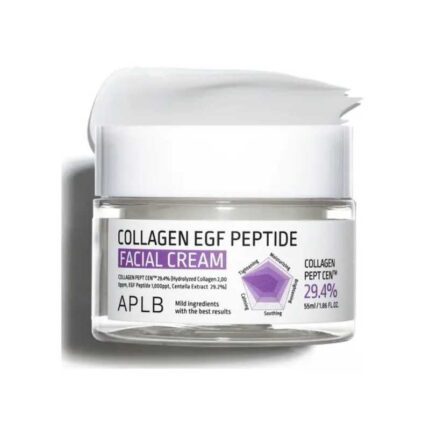 Sale
SaleOriginal price was: ৳ 1,380.00.৳ 966.00Current price is: ৳ 966.00.
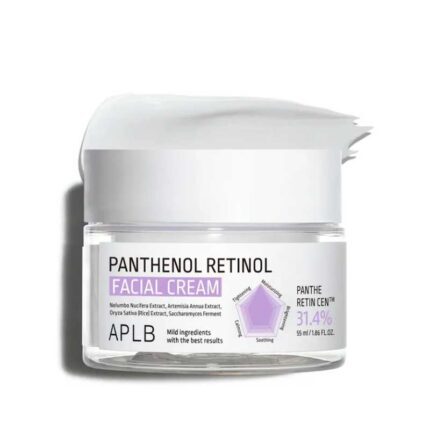 Sale
SaleOriginal price was: ৳ 1,380.00.৳ 966.00Current price is: ৳ 966.00.
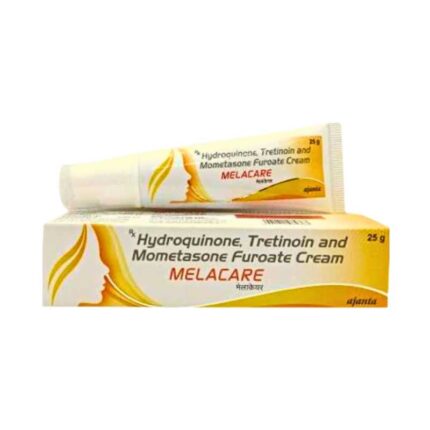
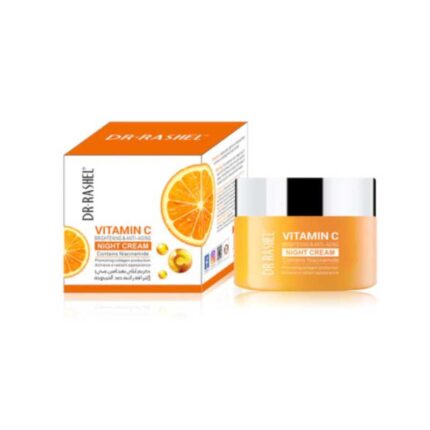 Sale
SaleOriginal price was: ৳ 750.00.৳ 650.00Current price is: ৳ 650.00.
Types of Peptides in Skincare
The efficacy of peptides depends on their classification and formulation. Common types include:
Signal Peptides
Signal peptides instruct skin cells to produce more collagen and elastin. Examples include palmitoyl pentapeptide-4, a widely studied ingredient for reducing fine lines and improving skin texture.
Carrier Peptides
These peptides deliver essential minerals like copper to the skin, promoting wound healing and reducing inflammation. Copper peptides are particularly effective for scar repair and skin regeneration.
Enzyme Inhibiting Peptides
By blocking enzymes that degrade collagen, these peptides help maintain skin elasticity. Argireline, for instance, is known to relax facial muscles, reducing the appearance of wrinkles.
Peptides as Collagen Boosting Ingredients
Collagen is the most abundant protein in the skin, providing structure and resilience. As we age, collagen production declines, leading to sagging and dryness. Peptides address this by:
- Stimulating fibroblasts to synthesize new collagen fibers.
- Enhancing the retention of moisture in the dermis.
- Preventing collagen breakdown through anti-inflammatory actions.
Research published in the Journal of Cosmetic Dermatology highlights that topical application of collagen-boosting peptides can increase skin thickness by up to 15% within 12 weeks. For optimal results, look for serums containing matrixyl or syn-Coll, which are clinically proven to improve skin density and reduce crepe-like textures.
Anti Aging Peptides: Scientific Backing and Benefits
Anti aging peptides have gained attention for their ability to reverse visible signs of aging without invasive procedures. Clinical trials demonstrate that consistent use of peptide-rich formulations can:
- Reduce wrinkle depth by 20-30% after 8 weeks.
- Improve skin firmness and evenness of tone.
- Minimize the appearance of pores and dark spots.
A study by the International Journal of Molecular Sciences found that hexapeptide-8, a popular anti aging peptide, significantly enhanced skin hydration and elasticity in participants over 40. These findings underscore the role of peptides in delaying chronological aging and supporting a youthful complexion.
Peptide Serum: Application and Best Practices
To maximize the benefits of a peptide serum, follow these guidelines:
1. Choose the Right Formula
Opt for serums containing a blend of signal and enzyme-inhibiting peptides for comprehensive anti-aging effects. Ingredients like acetyl hexapeptide-8 and myristoyl pentapeptide-16 are ideal for smoothing expression lines and boosting radiance.
2. Layer Correctly
Apply peptide serum after cleansing and before moisturizing. For sensitive skin, start with two applications per week, gradually increasing to daily use. Pair with sunscreen during the day to protect collagen from UV damage.
3. Store Properly
Peptides degrade when exposed to heat or light. Store serums in a cool, dark place and check expiration dates to ensure potency.
Frequently Asked Questions
Are peptides safe for all skin types?
Peptides are generally non-irritating and suitable for most skin types, including oily and sensitive skin. However, individuals with severe acne should consult a dermatologist before use.
How long does it take to see results from peptides?
Visible improvements in skin texture and firmness typically appear within 4-6 weeks of consistent application. For deeper changes like collagen restoration, 12 weeks of use is recommended.
Can peptides be used with retinol?
Yes, combining peptides with retinol can enhance collagen production. However, alternate their application to avoid over-drying. Apply retinol at night and peptide serum in the morning.
Conclusion
Peptides represent a breakthrough in anti aging and skin repair, offering a science-backed solution for collagen boosting and cellular renewal. From signal peptides that stimulate fibroblasts to enzyme inhibitors that preserve skin elasticity, these molecules deliver measurable results for a wide range of concerns. By incorporating a high-quality peptide serum into your routine, you can harness the power of these bioactive compounds to achieve a firmer, more youthful complexion. As research continues to evolve, peptides are