
Aloe Vera: Nature’s Miraculous Healing Plant Explained

For millennia, the extraordinary succulent known as Aloe Vera has captivated civilizations with its profound healing capabilities. Revered across cultures from ancient Egypt to modern medicine, this unassuming plant offers a treasure trove of benefits. Its clear, gel-like substance, extracted from the inner leaf, serves as a natural remedy for a myriad of ailments, proving itself an indispensable asset in health, beauty, and wellness routines worldwide. You are about to uncover the full spectrum of advantages this remarkable plant provides, learning how to harness its power for improved well-being.
Understanding Aloe Vera: A Botanical Marvel
The botanical name for the most commonly used medicinal aloe is Aloe barbadensis miller, often simply referred to as Aloe Vera. This resilient plant thrives in arid climates, storing water in its thick, fleshy leaves. Each leaf comprises three main layers: a tough outer rind, a bitter yellow latex layer, and the clear inner gel. This inner gel, composed primarily of water, also contains over 75 active compounds, including vitamins, enzymes, minerals, sugars, lignins, saponins, salicylic acids, and amino acids. These components work synergistically to deliver the plant’s renowned therapeutic effects. Scientists actively study the complex chemistry of this plant, continually discovering new ways its natural compounds contribute to human health. Identifying the various constituents within the leaf provides a deeper understanding of its potent properties.
The Potent Power of Aloe Barbadensis Leaf Juice
When you encounter products containing aloe barbadensis leaf juice, you are interacting with the concentrated essence of the inner leaf. This juice undergoes processing to remove the bitter latex, leaving behind the beneficial gel. This ingredient is pivotal in countless formulations, from digestive aids to topical skin treatments. Its rich profile of vitamins A, C, E, and B12, alongside minerals like calcium, magnesium, zinc, and selenium, contributes to its extensive health-promoting actions. Enzymes such as bradykinase and carboxypeptidase aid in reducing inflammation, while its natural sugars, including mucopolysaccharides, support immune function and cellular repair. Truly, the pure form of this juice represents a powerhouse of natural goodness, ready to nourish and heal the body both internally and externally. Its consistent inclusion in natural remedies highlights its proven efficacy.
Recommended Products
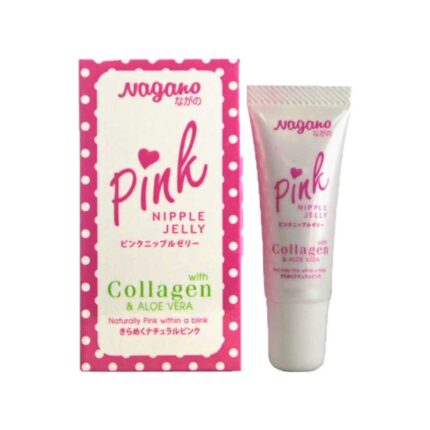 Sale
SaleOriginal price was: ৳ 500.00.৳ 460.00Current price is: ৳ 460.00.
Historical Roots of Aloe Vera’s Healing Legacy
The history of Aloe Vera as a medicinal plant spans over 6,000 years, establishing its place in numerous ancient pharmacopeias. Sumerian clay tablets dating back to 2100 BC describe its use for various ailments. Ancient Egyptians called it the “plant of immortality,” often burying it with pharaohs and utilizing it in their embalming processes and beauty rituals. Cleopatra and Nefertiti supposedly incorporated aloe into their skincare routines. Greek physicians, most notably Dioscorides and Pliny the Elder, documented its therapeutic applications in their influential texts, highlighting its effectiveness for wound healing, digestive issues, and skin conditions. Alexander the Great reportedly conquered the island of Socotra to secure its vast aloe fields, needing the plant to treat his soldiers’ wounds. This rich historical tapestry underscores the enduring trust and belief in aloe’s healing powers, passing down through generations and cultures, cementing its reputation as a venerable natural medicine. Cultures worldwide embraced its benefits, ensuring its survival and propagation across continents.
Scientific Backing for Aloe Vera’s Diverse Benefits
Modern science increasingly validates the traditional uses of Aloe Vera, uncovering the specific mechanisms behind its therapeutic effects. Researchers continually publish studies supporting its anti-inflammatory, antimicrobial, antioxidant, and wound-healing properties. The complex array of compounds within the gel works in concert, providing a holistic approach to healing and wellness. Scientists isolate individual components to understand their precise contributions, yet the synergy of the entire plant extract often proves most effective. This scientific scrutiny elevates aloe from traditional folklore to evidence-based natural medicine, providing concrete reasons for its widespread efficacy. Each new discovery reinforces its status as a potent natural remedy.
Anti-inflammatory and Analgesic Properties
Aloe Vera contains compounds like bradykinase, an enzyme that helps reduce excessive inflammation when applied topically. Salicylic acid, also present, acts as a natural pain reliever. These constituents make Aloe Vera an excellent choice for soothing irritated skin, reducing swelling, and alleviating discomfort from minor burns or cuts. Applying a cool aloe gel directly to an inflamed area provides immediate relief, often feeling more effective than synthetic creams. Its gentle yet powerful action makes it suitable for sensitive skin types prone to redness and irritation, offering a natural alternative to harsher chemical treatments. Many individuals choose it for its mild yet effective relief.
Antimicrobial and Antiseptic Effects
Saponins in Aloe Vera possess strong antiseptic properties, helping to cleanse wounds and prevent infections. Additionally, anthraquinones and lupeol exhibit antibacterial, antiviral, and antifungal activities. These properties make aloe beneficial for treating acne, minor skin infections, and even some fungal conditions like athlete’s foot. Regularly using aloe-based products helps maintain a healthy skin microbiome, protecting against pathogenic organisms. This natural defense mechanism underscores its utility in everyday hygiene and first aid. People often trust it for its ability to naturally purify and protect.
Potent Antioxidant Power
Vitamins C and E, along with other phenolic compounds found in Aloe Vera, function as powerful antioxidants. They combat free radicals, which cause cellular damage and contribute to aging and disease. Protecting cells from oxidative stress helps maintain overall health and vitality. Incorporating aloe into your diet or skincare routine helps fortify the body’s natural defense system against environmental aggressors. This internal and external protection supports longevity and youthful appearance. Its antioxidant content provides significant protective benefits.
Aloe Vera for Radiant Skin Health
The skin benefits of Aloe Vera are perhaps its most well-known and widely celebrated. Its hydrating, soothing, and regenerative properties make it a staple in countless skincare products and home remedies. Whether dealing with sun damage, dryness, or persistent skin conditions, aloe offers a gentle yet effective solution. Its ability to penetrate the skin deeply ensures that its beneficial compounds reach where they are most needed, promoting faster healing and revitalization. Countless testimonials praise its efficacy for achieving a healthier complexion. Indeed, it has earned its reputation as a skincare superstar.
Sunburn Relief: The Ultimate Soothing Gel Ingredient
When sunburn strikes, few remedies bring relief as effectively as Aloe Vera. Its cooling effect instantly calms inflamed skin, while its anti-inflammatory compounds reduce redness and swelling. The hydrating properties prevent peeling and accelerate the healing process. Many commercial after-sun products feature aloe barbadensis leaf juice as their primary soothing gel ingredient, precisely because of its proven ability to comfort and repair sun-damaged skin. You can apply fresh aloe gel directly to the affected areas for immediate and profound relief. This natural approach often outperforms synthetic creams, providing comfort without harsh chemicals. It stands as the go-to solution for sun-related discomfort.
Moisturizing and Hydrating Properties
Aloe Vera gel consists of about 98% water, making it an excellent natural moisturizer. It hydrates the skin without leaving a greasy residue, making it suitable for all skin types, including oily and acne-prone skin. It helps lock in moisture, maintaining the skin’s elasticity and softness. Regular use improves skin texture and suppleness, contributing to a healthy, dewy complexion. Individuals with dry skin find profound relief and lasting hydration from consistent aloe application. Its light texture absorbs quickly, making it ideal for daily use.
Acne Treatment and Blemish Control
Thanks to its anti-inflammatory and antimicrobial properties, Aloe Vera effectively combats acne. It reduces redness and swelling associated with breakouts and helps kill the bacteria that cause pimples. Additionally, its healing compounds minimize scarring and promote skin regeneration. Applying aloe gel to affected areas helps calm existing blemishes and prevents new ones from forming, promoting clearer skin. Teenagers and adults alike seek out aloe for its gentle yet powerful action against persistent acne. It provides a natural path to clearer skin.
Wound Healing and Scar Reduction
Aloe Vera accelerates the healing of minor cuts, abrasions, and burns. It stimulates fibroblast activity, which produces collagen and elastin fibers, crucial for wound repair. It also improves blood circulation to the wound area, promoting faster tissue regeneration. Applying aloe to healing wounds can minimize scar formation and improve the overall appearance of damaged skin. Its regenerative powers make it invaluable for post-operative care and general first aid. Healthcare professionals recognize its efficacy in skin repair.
Anti-Aging Benefits
The antioxidants in Aloe Vera protect skin cells from environmental damage, which contributes to premature aging. Furthermore, it stimulates the production of collagen and elastin, improving skin elasticity and reducing the appearance of fine lines and wrinkles. Regular use helps maintain a youthful complexion, keeping skin firm and supple. Many incorporate it into their daily anti-aging regimen, noticing significant improvements in skin tone and texture. It truly helps defy the visible signs of aging.
Aloe Vera for Lustrous Hair Care
Beyond skin, Aloe Vera offers impressive benefits for hair and scalp health. Its enzymatic properties promote healthy hair growth, while its moisturizing capabilities condition and strengthen strands. People facing issues like hair loss, dandruff, or dry, brittle hair find a powerful ally in this natural ingredient. Its gentle composition makes it suitable for all hair types, even those with sensitive scalps. The natural goodness of aloe transforms dull hair into vibrant locks.
Promoting Hair Growth and Strength
Aloe Vera contains proteolytic enzymes that repair dead skin cells on the scalp, which can clog hair follicles and hinder growth. It also boasts anti-inflammatory properties that soothe the scalp, creating an optimal environment for healthy hair growth. Its nutrient-rich profile provides essential vitamins and minerals that strengthen hair strands, reducing breakage and promoting fuller, thicker hair. Massaging aloe gel into the scalp stimulates blood circulation, further encouraging robust hair development. Many notice a significant reduction in hair fall and an increase in hair volume.
Dandruff Treatment and Scalp Health
The antifungal and antibacterial properties of Aloe Vera make it highly effective against dandruff and other scalp conditions. It helps restore the pH balance of the scalp, alleviating itchiness and flakiness. Regular application keeps the scalp clean, healthy, and free from irritations. Individuals suffering from chronic dandruff find consistent relief and long-term improvements in scalp health by using aloe-based hair treatments. It acts as a natural purifier for your scalp.
Natural Hair Conditioner
Aloe Vera works as an excellent natural conditioner, leaving hair soft, shiny, and manageable. Its high water content and beneficial compounds hydrate hair strands from root to tip, preventing dryness and frizz. You can use it as a pre-shampoo treatment, a leave-in conditioner, or mixed with other natural ingredients for a nourishing hair mask. This natural conditioning eliminates the need for harsh chemical-laden products, providing a healthier alternative. Your hair will thank you for this natural boost.
Internal Benefits of Aloe Vera Juice
While often celebrated for its external applications, ingesting Aloe Vera juice offers a range of internal health benefits. Consuming high-quality, purified aloe juice can support digestive health, boost the immune system, and aid in detoxification. It’s crucial to choose products specifically processed for internal consumption to avoid the laxative effects of the latex layer. Many brands remove the aloin, the compound responsible for the laxative effect, making the juice safe for daily intake. Always consult with a healthcare professional before starting any new dietary supplement regimen, especially if you have underlying health conditions or take medications. Its internal applications contribute significantly to overall wellness.
Supporting Digestive Health
Aloe Vera juice soothes and cleanses the digestive tract, making it beneficial for individuals suffering from irritable bowel syndrome (IBS), constipation, or acid reflux. It contains enzymes that aid in breaking down sugars and fats, promoting better nutrient absorption. Its anti-inflammatory properties help reduce inflammation in the gut, fostering a healthier digestive environment. Regular consumption helps maintain regularity and alleviates discomfort, providing a natural remedy for common digestive issues. It assists the body in maintaining optimal gut function.
Boosting the Immune System
The polysaccharides in Aloe Vera, particularly acemannan, are known to stimulate the immune system. Acemannan acts as an immunomodulator, enhancing the activity of macrophages, white blood cells that fight off viruses and bacteria. Regular intake of aloe juice can strengthen the body’s natural defenses, making it more resilient against infections and illnesses. This immune support provides a robust shield against environmental threats. It acts as a natural booster for your body’s defenses.
Detoxification and Nutrient Absorption
Aloe Vera juice acts as a natural detoxifier, helping the body eliminate waste products and toxins. Its gelatinous texture effectively moves through the intestines, absorbing toxins and carrying them out of the body. Additionally, it improves the absorption of nutrients from other foods, ensuring your body receives maximum benefit from your diet. This dual action of cleansing and enhancing nutrient uptake significantly contributes to overall health and vitality. It truly helps purify your system from within.
How to Effectively Use Aloe Vera
Harnessing the power of Aloe Vera is straightforward, whether you opt for fresh plant gel or commercially prepared products. Understanding the best methods ensures you receive the maximum benefits. Always prioritize purity and quality when selecting aloe products. Educating yourself on proper usage maximizes the plant’s therapeutic potential. Your approach to using aloe can significantly impact its effectiveness.
Directly from the Plant
For topical applications, you can harvest fresh gel directly from an Aloe Vera plant. Choose a mature, lower leaf, cut it close to the stem, and let it stand upright for a few minutes to allow the yellow latex (aloin) to drain. Then, carefully slice open the leaf and scoop out the clear gel. You can apply this fresh gel directly to skin for sunburns, minor cuts, or as a moisturizer. Always perform a patch test first to check for any allergic reactions. The freshness ensures maximum potency. This method provides the purest form of aloe for your needs.
Commercially Available Products
A wide array of Aloe Vera products exists, including gels, lotions, juices, and supplements. When purchasing, look for products that list aloe barbadensis leaf juice as a primary ingredient, ideally without added fragrances, dyes, or excessive preservatives. For internal consumption, ensure the juice is aloin-free and certified organic if possible. Reputable brands often provide transparency about their processing methods and ingredient sourcing. Reading labels critically empowers you to make informed choices that align with your health goals. Selecting quality products guarantees you receive genuine benefits.
Practical Applications and DIY Remedies
Integrating Aloe Vera into your daily routine is simple, offering numerous opportunities for DIY remedies that save money and avoid unnecessary chemicals. These practical applications highlight the versatility of the plant, bringing its healing touch directly to your home. Experimenting with different recipes allows you to discover what works best for your specific needs. The possibilities are truly extensive, providing natural solutions for everyday concerns.
DIY Aloe Vera Face Masks
- Hydrating Mask: Mix 1 tablespoon of fresh Aloe Vera gel with 1 teaspoon of honey. Apply to a clean face, leave on for 15-20 minutes, then rinse.
- Acne-Fighting Mask: Combine 1 tablespoon of aloe gel with a pinch of turmeric powder and a few drops of tea tree oil. Apply to affected areas, leave for 10-15 minutes, then rinse.
Nourishing Hair Masks
- Scalp Treatment: Mix 2 tablespoons of Aloe Vera gel with 1 tablespoon of coconut oil. Massage into the scalp, leave for 30 minutes, then shampoo.
- Conditioning Mask: Blend 3 tablespoons of aloe gel with 1 tablespoon of olive oil and a few drops of lavender essential oil. Apply to damp hair, leave for 20 minutes, then rinse thoroughly.
Refreshing Aloe Vera Drinks
- Detox Smoothie: Blend 1/4 cup of aloin-free Aloe Vera juice with spinach, cucumber, green apple, and a squeeze of lemon for a refreshing detox drink.
- Simple Hydrator: Mix 2 tablespoons of aloe juice with a glass of water, a slice of lemon, and a few mint leaves for a subtly flavored, hydrating beverage.
Choosing and Storing Aloe Vera Products
Maximizing the benefits of Aloe Vera hinges on selecting high-quality products and storing them correctly. The market offers a vast selection, making informed choices essential. Understanding labels and preservation methods ensures potency and safety. Your careful consideration in selection and storage directly impacts the effectiveness of the aloe you use. Prioritize quality for optimal results.
Reading Labels and Purity
When purchasing Aloe Vera products, scrutinize the ingredient list. Look for terms like “100% pure aloe vera gel” or “aloe barbadensis leaf juice.” Avoid products with excessive fillers, artificial colors, fragrances, or alcohol, which can negate aloe’s benefits or irritate the skin. For internal use, ensure the product explicitly states it is aloin-free and suitable for consumption. Certifications from recognized bodies can also indicate product quality and purity. A detailed ingredient list signals transparency and quality. Always choose the purest forms available.
Storage Best Practices
Fresh Aloe Vera gel from the plant should be stored in an airtight container in the refrigerator for up to a week. Commercial aloe gels and juices typically have longer shelf lives due to preservatives, but always check the expiration date and storage instructions on the packaging. Keep products away from direct sunlight and extreme temperatures to maintain their efficacy. Proper storage safeguards the active compounds, ensuring your aloe remains potent and beneficial for its intended use. Following these guidelines preserves its healing properties.
Potential Side Effects and Precautions
While generally safe for most individuals, Aloe Vera can cause side effects in some cases, especially with internal consumption or for those with specific sensitivities. Exercising caution and consulting with a healthcare professional before extensive use is always advisable. Understanding potential risks ensures responsible and safe integration into your routine. Your awareness of these precautions promotes safe usage.
Allergic Reactions
Some individuals may experience allergic reactions to Aloe Vera, characterized by skin rash, itching, or swelling. This happens more commonly with topical application. Perform a patch test on a small area of skin before applying it widely, especially if you have sensitive skin or a history of plant allergies. Discontinue use immediately if any adverse reactions occur. Your body’s response guides safe application.
Interactions with Medications
Oral Aloe Vera can interact with certain medications. For example, its laxative effect might interfere with medications for heart conditions or diabetes, potentially leading to electrolyte imbalances or affecting blood sugar levels. It can also enhance the absorption of some drugs, altering their intended effects. If you take prescription medications, always consult your doctor before consuming aloe orally. This consultation ensures no negative interactions occur.
Pregnancy and Breastfeeding
Pregnant and breastfeeding women should avoid oral consumption of Aloe Vera, as some compounds might stimulate uterine contractions or pass into breast milk, potentially harming the infant. Topical use is generally considered safe but should still be discussed with a healthcare provider. Prioritizing safety for both mother and child is paramount. Always seek professional medical advice during these sensitive periods.
Frequently Asked Questions
Is Aloe Vera safe to use daily?
Yes, topical application of pure Aloe Vera gel is generally safe for daily use for most people. For internal consumption, it depends on the product and individual health. Always choose aloin-free juice and consult a healthcare professional for daily intake.
Can Aloe Vera cure all skin problems?
While Aloe Vera offers significant benefits for many skin conditions, it is not a universal cure. It effectively soothes, moisturizes, and aids in healing, but for severe or persistent conditions, professional medical advice remains essential.
What is the difference between aloe barbadensis leaf juice and aloe vera gel?
Aloe barbadensis leaf juice refers to the liquid extract from the inner leaf, often processed to remove the bitter aloin for internal consumption or product formulation. Aloe Vera gel typically refers to the clear, viscous substance scooped directly from the inner leaf, used topically or as an ingredient.
Can I use Aloe Vera for hair growth?
Yes, Aloe Vera can support healthy hair growth by repairing dead skin cells on the scalp, soothing inflammation, and providing nutrients that strengthen hair strands. It creates a healthier scalp environment conducive to growth.
Does Aloe Vera expire?
Fresh Aloe Vera gel from the plant has a limited shelf life (about a week refrigerated). Commercial products have expiration dates printed on their packaging due to preservatives. Always check and adhere to these dates for optimal efficacy and safety.
Conclusion
Aloe Vera stands as a testament to nature’s profound healing power, offering an impressive array of benefits for skin, hair, and internal health. Its rich history of medicinal use, now backed by scientific inquiry, reinforces its status as a vital component of natural wellness. From soothing sunburns with its potent soothing gel ingredient, to promoting digestive harmony with pure aloe barbadensis leaf juice, this remarkable succulent provides practical, effective solutions for numerous health concerns. Incorporating Aloe Vera into your life, whether through direct plant use or high-quality commercial products, empowers you to embrace a natural path towards enhanced vitality and well-being. This versatile plant continues to prove itself an indispensable ally in the pursuit of holistic health.