
Panthenol: Your Ultimate Guide to Skin Repair & Soothing

In the expansive world of skincare ingredients, few components earn as much universal acclaim and trust as Panthenol. Often lauded as a true multi-tasker, this remarkable ingredient stands out for its profound ability to hydrate, soothe, and support the skin’s natural healing processes. It acts as a powerful humectant, drawing moisture into the skin, and an effective emollient, sealing that hydration in. Beyond its moisturizing prowess, Panthenol’s pivotal role as a restorative agent makes it an indispensable component in countless formulations targeting everything from dryness and flakiness to irritation and compromised skin barriers. This comprehensive guide delves deep into the science, benefits, and applications of Panthenol, revealing why this unassuming powerhouse, also known as provitamin b5, deserves a prime spot in your daily regimen.
Decoding Panthenol: The Science Behind Provitamin B5
At its core, Panthenol is an alcohol analog of pantothenic acid, which is more commonly known as Vitamin B5. This classification is crucial because it highlights Panthenol’s nature as a “provitamin” – a precursor substance that the body readily converts into the active vitamin upon absorption. Once Panthenol penetrates the skin or other tissues, a swift enzymatic conversion takes place, transforming it into pantothenic acid, the biologically active form essential for numerous bodily functions, particularly those related to skin health.
The Journey from Provitamin to Essential Nutrient
The significance of provitamin b5 lies in its ability to effectively deliver pantothenic acid to the cells. Pantothenic acid is a vital component of Coenzyme A (CoA), an indispensable molecule involved in over 70 metabolic pathways. These pathways are fundamental to cellular life, encompassing energy production, the synthesis of fatty acids, cholesterol, and sphingolipids, as well as the breakdown of carbohydrates and proteins. For the skin, this means that active Vitamin B5, derived from Panthenol, plays a critical role in supporting healthy cell growth, repair, and overall metabolic function. It directly contributes to the skin’s ability to regenerate and maintain its integrity. Without sufficient pantothenic acid, cellular processes crucial for a healthy epidermis would falter, leading to diminished skin resilience and vitality.
Molecular Structure and Properties: Why It Matters
From a physical and chemical standpoint, Panthenol presents itself as an odorless, highly viscous, transparent, and colorless liquid at room temperature. Its exceptional solubility in water and alcohol makes it an incredibly versatile ingredient for cosmetic chemists, allowing for easy incorporation into various formulations, from lightweight serums to rich creams and even hair products. This solubility ensures that Panthenol can be evenly dispersed and effectively delivered to the skin. Furthermore, Panthenol exists in two enantiomeric forms: D-Panthenol and L-Panthenol. While both forms possess moisturizing properties, only D-Panthenol (also known as dexpanthenol) is biologically active, meaning it is the form that the body can convert into pantothenic acid. For cosmetic purposes, Panthenol is often used as D-Panthenol or as a racemic mixture of both forms (DL-Panthenol), though D-Panthenol is preferred for maximizing biological benefits due to its superior efficacy in converting to Vitamin B5 within the skin cells.
Recommended Products
 Sale
SaleOriginal price was: ৳ 2,280.00.৳ 1,596.00Current price is: ৳ 1,596.00.
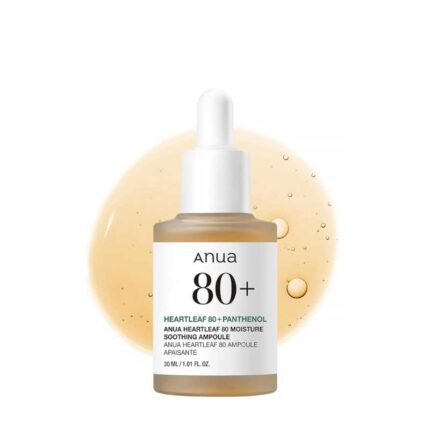 Sale
SaleOriginal price was: ৳ 3,050.00.৳ 2,506.00Current price is: ৳ 2,506.00.
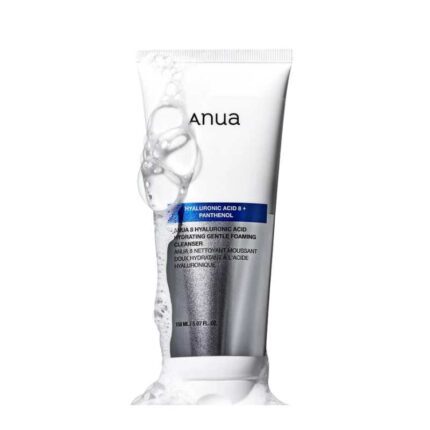 Sale
SaleOriginal price was: ৳ 2,000.00.৳ 1,400.00Current price is: ৳ 1,400.00.
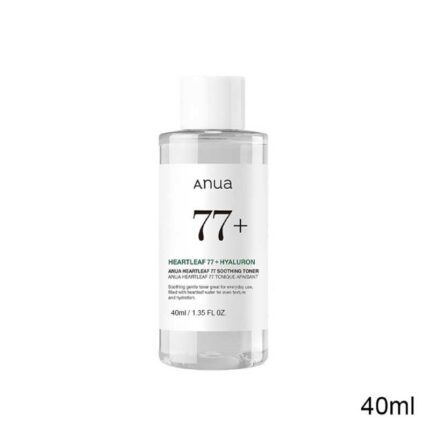 Sale
SaleOriginal price was: ৳ 700.00.৳ 490.00Current price is: ৳ 490.00.
The Unrivaled Benefits of Panthenol for Skin Health and Radiance
As a cornerstone ingredient in modern dermatology and cosmetology, Panthenol has earned its reputation as a multifaceted powerhouse. Its diverse benefits make it an excellent skin repair ingredient, suitable for addressing a wide array of skin concerns and promoting overall epidermal health and radiance.
Exceptional Hydration: A Moisture Magnet for Your Skin
One of Panthenol’s most celebrated attributes is its remarkable capacity as a humectant. It functions by actively drawing moisture from the surrounding environment into the skin. But its action extends beyond mere attraction; Panthenol also acts as an emollient, forming a protective, breathable film on the skin’s surface. This film effectively minimizes transepidermal water loss (TEWL), which is the process by which water passively evaporates from the skin. By preventing this loss, Panthenol ensures that the skin retains optimal hydration levels, leading to a plumper, more supple, and significantly softer complexion. This deep and sustained hydration helps to smooth out the appearance of fine lines and wrinkles, contributing to a more youthful and vibrant look.
- Attracts water molecules to the skin’s surface from the air.
- Forms a protective barrier, effectively locking in essential moisture.
- Significantly improves skin’s natural elasticity and overall softness, making it feel smoother to the touch.
Fortifying the Skin Barrier: Your First Line of Defense
A healthy skin barrier is paramount to maintaining skin health, acting as the body’s primary defense against environmental aggressors, pollutants, irritants, and pathogens. Panthenol plays a crucial role in strengthening this vital barrier. It actively supports the synthesis of essential skin lipids, such as ceramides, which are integral components of the skin’s protective lipid matrix. Furthermore, it aids in the production of vital proteins, including filaggrin, which are critical for the formation of a robust and resilient stratum corneum. By enhancing these natural barrier components, Panthenol directly functions as a superior skin repair ingredient, improving the skin’s ability to resist external damage, reduce sensitivity, and maintain its internal balance. Individuals with a compromised barrier, often manifested by dryness, flakiness, or increased reactivity, experience significant relief and improvement with consistent Panthenol use.
- Supports the natural synthesis of crucial skin lipids like ceramides.
- Reduces the skin’s susceptibility to penetration by external irritants and allergens.
- Enhances overall skin resilience and its ability to recover from stress.
The Power of Soothing: Calming Irritation and Redness
Beyond its hydrating and barrier-supporting roles, Panthenol excels as an unparalleled soothing ingredient. It possesses inherent anti-inflammatory properties that help to quickly alleviate skin redness, itching, burning sensations, and general irritation. This makes it an ideal choice for individuals with sensitive or reactive skin, as well as for those experiencing temporary discomfort from environmental stressors like windburn, sun exposure, or after dermatological procedures such as chemical peels or laser treatments. Its gentle yet effective calming action reduces visible signs of inflammation, promoting a more even skin tone and a profound sense of comfort. The mechanism involves modulating inflammatory pathways at a cellular level, thereby diminishing the body’s overactive response to stressors.
- Acts effectively as a potent anti-inflammatory agent, reducing irritation.
- Quickly reduces discomfort, stinging, and itching sensations on the skin.
- Promotes a visibly calmer and more uniform skin tone.
Accelerating Wound Healing and Tissue Regeneration
The historical and scientific literature strongly supports Panthenol’s remarkable capabilities in facilitating wound healing and tissue regeneration. It actively stimulates the proliferation of fibroblasts, which are cells responsible for synthesizing collagen and other extracellular matrix components vital for tissue repair. Additionally, Panthenol promotes epithelialization, the process by which new skin cells migrate to cover a wound, accelerating the closure of minor cuts, abrasions, and burns. Its ability to support the skin’s natural reparative mechanisms firmly establishes it as a superior skin repair ingredient. From everyday scrapes to post-sun exposure recovery and even for aiding the healing of cracked heels or chapped lips, Panthenol’s regenerative properties contribute to faster, more efficient, and often less noticeable wound resolution.
Enhancing Skin Elasticity and Suppleness
The combination of superior hydration and a fortified skin barrier directly translates to enhanced skin elasticity and suppleness. By deeply moisturizing the skin and preventing moisture loss, Panthenol helps maintain the skin’s natural bounce and flexibility. Hydrated skin is inherently more elastic and resilient, less prone to cracking or appearing taut. This improved suppleness contributes to a smoother texture and a more youthful appearance. Regular use of Panthenol-infused products makes the skin feel softer, more pliable, and visibly healthier, reflecting its internal strength and optimal moisture balance. This benefit is particularly noticeable in areas prone to dryness and loss of firmness.
Integrating Panthenol into Your Daily Skincare and Haircare Routines
Given its versatility and impressive range of benefits, incorporating Panthenol into your daily beauty regimen is straightforward and highly advantageous. It can be found in a vast array of products, catering to both skin and hair needs.
Skincare Formulations: Creams, Serums, Cleansers, and Masks
Panthenol’s compatibility with various formulations makes it a staple across numerous skincare categories. In cleansers, even a small percentage helps to mitigate the stripping effect of surfactants, leaving the skin feeling soft and comfortable. Serums often feature higher concentrations, delivering targeted hydration and barrier support. Moisturizers, from lightweight lotions to rich creams, harness Panthenol’s humectant and emollient properties for lasting hydration. Look for terms like “D-Panthenol” or “dexpanthenol” on ingredient lists to ensure you are getting the biologically active form. For optimal results, apply Panthenol-rich products after cleansing and toning, allowing them to penetrate and perform their restorative actions. It pairs exceptionally well with ingredients like hyaluronic acid, niacinamide, and ceramides, creating a robust, comprehensive approach to skin health.
- Identifying Panthenol on ingredient lists often appears as “D-Panthenol,” “dexpanthenol,” or “provitamin B5.”
- Best times to apply Panthenol products are typically after cleansing and toning, before heavier creams or oils.
- Synergistic ingredients that enhance Panthenol’s effects include niacinamide, hyaluronic acid, ceramides, and various antioxidants.
Haircare Hero: Transforming Dull, Damaged Locks
Beyond skin, Panthenol is a celebrated ingredient in haircare due to its unique ability to penetrate the hair shaft. Once absorbed, it provides deep, long-lasting moisture, improving hair elasticity and adding a healthy shine. It acts as a humectant within the hair, drawing water from the air and retaining it, which helps to plump up the hair strands, making them appear thicker and fuller. This leads to increased manageability, reduced breakage, and overall healthier-looking hair. As a soothing ingredient, it also benefits the scalp, alleviating dryness, flakiness, and irritation, thereby fostering a healthier environment for hair growth. You can find Panthenol in shampoos, conditioners, leave-in treatments, hair masks, and styling products, all designed to leverage its conditioning and strengthening properties.
- Strengthens hair from root to tip, reducing susceptibility to damage and breakage.
- Adds significant volume, improves texture, and enhances the natural luster of hair.
- Hydrates the scalp, effectively reducing dryness, itchiness, and flakiness, promoting a healthier scalp environment.
Beyond Skin and Hair: Other Applications
The gentle yet potent nature of Panthenol extends its utility beyond conventional skincare and haircare. In nail care, it is frequently incorporated into cuticle oils and nail strengtheners, helping to hydrate the nail plate and surrounding skin, thus preventing brittleness and promoting healthier, more resilient nails. Its remarkable properties as a soothing ingredient and skin repair ingredient also make it a common and highly effective component in baby products, particularly diaper rash creams and lotions. Here, it helps to protect the delicate baby skin from irritation, soothe existing redness, and support the rapid healing of minor skin abrasions, demonstrating its exceptional safety profile and broad spectrum of benefits for even the most sensitive populations.
Maximizing the Efficacy of Panthenol: Tips and Best Practices
To truly harness the full potential of Panthenol, understanding how to integrate it optimally and what to expect is key. These best practices ensure you achieve maximum benefits for your skin and hair.
Understanding Product Concentrations and Forms
While Panthenol is safe and effective across a range of concentrations, higher percentages, typically found in specialized serums or intensive repair creams, can offer more pronounced and targeted benefits, especially for addressing significant dryness, irritation, or barrier damage. For general daily maintenance and hydration, products with lower concentrations are perfectly adequate. Always prioritize products that specify “D-Panthenol” or “dexpanthenol” in their ingredient list when aiming for the highest biological activity, as this is the form that readily converts to active Vitamin B5 within your cells. If only “Panthenol” is listed, it usually implies a racemic mixture (DL-Panthenol), which still provides excellent moisturizing benefits, but with potentially less profound cellular reparative action than the D-form.
Pairing Panthenol with Complementary Ingredients
The beauty of Panthenol lies in its excellent compatibility with a wide array of other active ingredients, creating synergistic effects that amplify overall results. When combined with ceramides and hyaluronic acid, Panthenol further enhances the skin’s moisture-retaining capabilities and strengthens the lipid barrier more comprehensively. Its combination with niacinamide (Vitamin B3) can provide a powerful duo for reducing redness, improving skin tone, and supporting barrier function. Antioxidants, like Vitamin C or E, work alongside Panthenol to protect the skin from environmental damage, while its calming properties can help soothe skin sensitive to more potent actives like retinoids. Building a routine that leverages these complementary ingredients can lead to significantly improved skin health and resilience.
Consistency is Key: The Long-Term Benefits
Like many beneficial skincare ingredients, the full advantages of Panthenol are best realized through consistent and regular use. While you may notice immediate improvements in skin hydration and comfort upon initial application, the deeper, more transformative benefits – such as significantly strengthened barrier function, accelerated repair, and sustained soothing – develop over several weeks or months of continuous incorporation into your routine. Embrace patience and consistency; the long-term commitment to Panthenol will yield noticeably healthier, more resilient, and radiant skin and hair, establishing a robust foundation for enduring vitality.
Addressing Common Queries and Misconceptions about Panthenol
Despite its widespread use and proven efficacy, some common questions and occasional misconceptions about Panthenol persist. Clarifying these points helps consumers make informed decisions about their skincare choices.
Is Panthenol Suitable for All Skin Types?
Unequivocally, yes. Panthenol stands out as one of the most universally compatible ingredients in skincare. Its gentle, non-irritating, and non-comedogenic nature means it is suitable for virtually all skin types, including highly sensitive, dry, oily, combination, and even acne-prone skin. For sensitive skin, its strong soothing ingredient properties help calm reactivity and reduce redness. For dry skin, it offers intense, lasting hydration. Oily and acne-prone skin types benefit from its non-greasy moisturizing capabilities that do not clog pores, and its ability to aid in the healing of blemishes without exacerbating inflammation. It also proves highly beneficial for managing conditions like rosacea or eczema, where barrier function and soothing are critical.
Potential Side Effects and How to Spot Them
Panthenol is renowned for its exceptional tolerability and safety profile. Adverse reactions are exceedingly rare, making it one of the least sensitizing ingredients available. In isolated instances, some individuals might experience mild contact dermatitis or a localized allergic reaction. These reactions typically manifest as slight redness, itching, or minor irritation at the application site. Should such symptoms occur, it is advisable to discontinue use and consult a dermatologist. However, it is crucial to emphasize that such occurrences are minimal, especially when compared to other more active or potentially irritating skincare ingredients. Its gentle nature is a key reason for its widespread use even in products designed for infants and those with compromised skin.
Panthenol in Prescription vs. Over-the-Counter Products
Panthenol’s efficacy is recognized across both the cosmetic and pharmaceutical industries. You will find it as a prominent ingredient in numerous over-the-counter skincare and haircare products, where it delivers its hydrating, soothing, and repairing benefits for daily use. Simultaneously, it is frequently included in prescription-strength dermatological preparations and medical-grade skincare products designed for intensive wound healing, post-procedure care, and the management of chronic skin conditions. This dual presence underscores its proven effectiveness and reliable safety profile across a spectrum of applications, from routine beauty enhancements to clinical therapeutic interventions. Its consistent performance makes it a trusted ingredient regardless of the product’s classification.
Panthenol in Focus: Comparing it with Other Popular Skincare Actives
Understanding how Panthenol stacks up against other popular skincare ingredients helps to appreciate its unique contribution and how it can complement various routines. While some ingredients might share certain benefits, Panthenol often offers a distinct advantage or works synergistically.
Panthenol vs. Hyaluronic Acid: A Dynamic Duo, Not Rivals
Both Panthenol and hyaluronic acid are celebrated humectants, exceptional at attracting and retaining moisture in the skin. However, their mechanisms differ, making them complementary rather than competitive. Hyaluronic acid is known for its incredible capacity to hold up to 1,000 times its weight in water, primarily on the skin’s surface, providing immediate plumping and surface hydration. In contrast, Panthenol (as provitamin b5) penetrates deeper into the skin where it converts to pantothenic acid. This active form not only provides hydration but also actively supports cellular repair, strengthens the skin barrier, and offers anti-inflammatory benefits. Using both ingredients together delivers comprehensive hydration at multiple skin levels and robust barrier support.
Panthenol vs. Niacinamide (Vitamin B3): Synergistic Superstars
Niacinamide, or Vitamin B3, is another B vitamin powerhouse, but it addresses a different spectrum of skin concerns. Niacinamide excels at regulating oil production, minimizing the appearance of pores, reducing redness and inflammation, improving skin tone and texture, and providing antioxidant protection. While Panthenol also offers soothing ingredient properties and helps with redness, its primary focus remains on deep hydration, barrier repair, and wound healing. When combined, Panthenol and Niacinamide create a formidable team: Niacinamide tackles issues like breakouts and uneven tone, while Panthenol ensures optimal hydration and a resilient, calm skin barrier. They truly are synergistic superstars, enhancing each other’s benefits.
Panthenol vs. Ceramides: Building Blocks for Barrier Health
Ceramides are essential lipids that constitute a significant portion of the skin barrier, acting as the “mortar” between skin cells to maintain integrity and prevent moisture loss. Products rich in ceramides are crucial for repairing a compromised barrier. Panthenol, while not a ceramide itself, plays a vital supportive role in barrier health. As a skin repair ingredient, it stimulates the skin’s natural production of lipids, including ceramides, and enhances the overall organization of the stratum corneum. Therefore, using ceramides directly to replenish the barrier alongside Panthenol to encourage the skin’s own lipid synthesis and provide additional hydration and soothing creates a holistic and highly effective strategy for barrier restoration and maintenance. They work in tandem, not in opposition.
Panthenol vs. Glycerin: Basic Humectants with Broad Appeal
Glycerin is one of the most common and effective humectants in skincare, praised for its ability to draw moisture into the skin, similar to Panthenol. It is widely used for its hydrating properties and generally well-tolerated. However, Panthenol offers a more comprehensive range of benefits beyond basic humectancy. While glycerin primarily hydrates, Panthenol’s unique conversion to active Vitamin B5 allows it to contribute significantly to cellular repair, anti-inflammatory processes, and the strengthening of the skin barrier. This makes Panthenol a more multifaceted skin repair ingredient and soothing ingredient, providing both immediate hydration and long-term biological support for skin health that goes beyond what glycerin alone can offer. Many formulations wisely combine both for enhanced hydration and broader benefits.
Frequently Asked Questions
What is Panthenol primarily used for in skincare?
Panthenol is primarily used for its exceptional moisturizing, soothing, and skin barrier repairing properties. As provitamin b5, it converts to pantothenic acid in the skin, aiding in wound healing, reducing inflammation, and preventing moisture loss.
Can Panthenol help with acne?
While not a direct acne treatment, Panthenol‘s powerful soothing ingredient and anti-inflammatory properties can significantly help calm irritated, acne-prone skin, reduce redness associated with breakouts, and support the healing of post-acne marks without clogging pores. Its non-comedogenic nature makes it a safe choice.
Is Panthenol safe for sensitive skin?
Absolutely. Panthenol is widely recognized as a remarkably gentle and safe ingredient, even for the most sensitive and reactive skin types. Its inherent soothing ingredient properties make it an ideal choice for calming irritation, alleviating redness, and reinforcing the delicate skin barrier.
How long does it take to see results from Panthenol?
You may notice immediate improvements in skin hydration and softness after just one application of Panthenol. However, more significant and lasting benefits, such as enhanced barrier function, reduced sensitivity, and deeper skin repair ingredient effects, typically become apparent with consistent use over several weeks to a few months.
Can I use Panthenol every day?
Yes, Panthenol is entirely safe and highly beneficial for daily use. Its gentle yet effective nature, particularly as a crucial provitamin b5 for overall skin health, makes it an excellent addition to both morning and evening routines in various product forms.
Does Panthenol have any side effects?
Panthenol is exceptionally well-tolerated by the vast majority of individuals. In very rare cases, some might experience mild contact irritation or a localized allergic reaction. However, it is generally considered one of the safest and most non-sensitizing ingredients in the entire skincare industry, making serious side effects highly uncommon.
Is Panthenol good for hair?
Yes, Panthenol is excellent for hair. It deeply penetrates the hair shaft, providing intense hydration, improving elasticity, adding healthy shine, and reducing breakage. It also acts as a powerful soothing ingredient for the scalp, promoting a healthier environment for hair growth and reducing dryness or flakiness.
What is the difference between Panthenol and Vitamin B5?
Panthenol is a provitamin b5. This means it is a precursor molecule that the body, particularly the skin, readily converts into active Vitamin B5 (pantothenic acid) once absorbed. Vitamin B5 is the actual active form that performs the essential biological functions necessary for cellular health and repair.
Can pregnant women use Panthenol?
Yes, Panthenol is generally considered safe for use during pregnancy and breastfeeding. Its gentle, non-irritating, and beneficial properties, particularly its role as a soothing ingredient and powerful hydrator, make it a preferred ingredient for many expecting mothers. However, always consult with a healthcare professional for personalized advice and reassurance regarding any product use during pregnancy.
Does Panthenol clog pores?
No, Panthenol is non-comedogenic, meaning it does not typically clog pores. Its lightweight and effective hydrating nature makes it suitable for all skin types, including those prone to acne, blackheads, or congestion, without contributing to blockages.
Conclusion: Embracing Panthenol for Optimal Skin and Hair Vitality
Ultimately, Panthenol stands as a testament to the power of well-researched, gentle, and highly effective ingredients in achieving and maintaining optimal skin and hair health. Its status as a potent provitamin b5 unlocks a cascade of benefits, from unparalleled hydration and robust barrier support to its remarkable capabilities as a superior soothing ingredient and an indispensable skin repair ingredient. It works diligently at a cellular level to enhance resilience, accelerate healing, and protect against environmental stressors. Universally compatible, exceptionally safe, and profoundly effective, Panthenol is more than just a passing trend; it is a fundamental component for anyone seeking to foster a healthier, more radiant complexion and stronger, more lustrous hair. Integrating this versatile powerhouse into your daily regimen offers a straightforward path to enduring vitality and well-being for both your skin and hair.