
Azelaic Acid: Your Guide to Clear, Bright Skin

For individuals seeking a versatile and effective solution to an array of common skin concerns, Azelaic Acid emerges as a compelling active ingredient. This naturally occurring dicarboxylic acid, found in grains like wheat, barley, and rye, has gained significant traction within dermatology for its multifaceted benefits. It effectively targets issues ranging from persistent acne breakouts and the challenging symptoms of rosacea to frustrating hyperpigmentation. Understanding how this powerful compound works and how to integrate it into your regimen unlocks its full potential, guiding you toward a visibly clearer, more radiant complexion. This comprehensive guide will explore the science, applications, and practical insights necessary to harness Azelaic Acid for optimal skin health.
Understanding Azelaic Acid: A Skincare Powerhouse
Azelaic Acid stands apart from many other skincare acids due to its unique chemical structure and broad spectrum of activity. While often categorized with AHAs and BHAs, it operates via distinct pathways, making it suitable for even sensitive skin types. Dermatologists frequently recommend it as a primary treatment for various inflammatory skin conditions, appreciating its efficacy and relatively mild side effect profile. Its natural origin in grains also contributes to its appeal as a well-tolerated option in many therapeutic contexts.
- Natural Origin: Derived from yeast (Malassezia furfur) and present in grains.
- Multifunctional: Possesses anti-inflammatory, antibacterial, and keratolytic properties.
- Non-Comedogenic: Does not clog pores, making it ideal for acne-prone skin.
Recommended Products
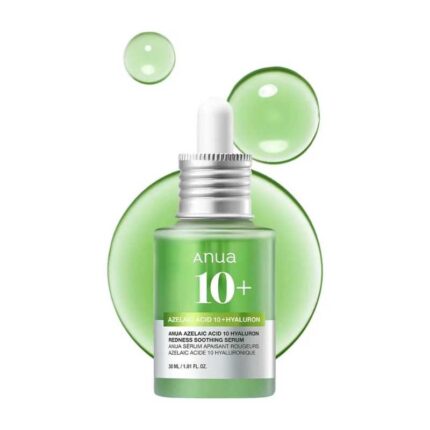 Sale
SaleOriginal price was: ৳ 3,400.00.৳ 2,380.00Current price is: ৳ 2,380.00.
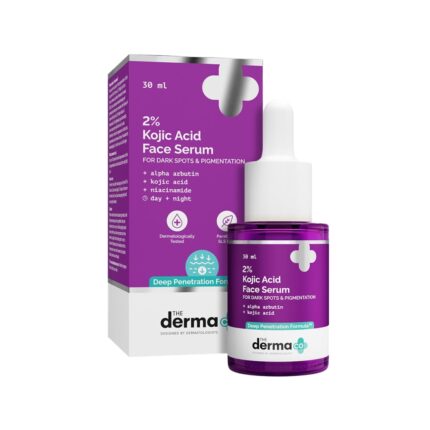 Sale
SaleOriginal price was: ৳ 1,350.00.৳ 990.00Current price is: ৳ 990.00.
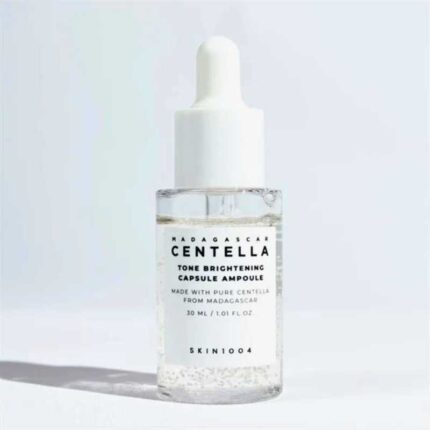 Sale
SaleOriginal price was: ৳ 1,200.00.৳ 840.00Current price is: ৳ 840.00.
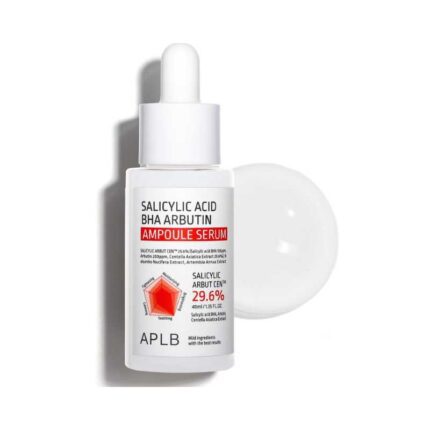 Sale
SaleOriginal price was: ৳ 1,300.00.৳ 910.00Current price is: ৳ 910.00.
The Science Behind Azelaic Acid’s Efficacy
The remarkable effectiveness of Azelaic Acid stems from its sophisticated mechanisms of action within the skin. It does not merely exfoliate but engages in complex cellular processes to address the root causes of numerous dermatological issues. Unpacking these mechanisms reveals why it earns its reputation as a true workhorse in skincare.
Regulating Keratinization
One primary function of Azelaic Acid involves normalizing the skin’s keratinization process. In conditions like acne, skin cells (keratinocytes) shed improperly, leading to clogged pores and the formation of blackheads and whiteheads. Azelaic Acid helps regulate this cellular turnover, preventing the buildup of dead skin cells that contribute to blockages. This keratolytic action clears existing comedones and inhibits the formation of new ones.
Combating Bacterial Growth
Azelaic Acid exhibits significant antibacterial properties, particularly against Propionibacterium acnes (now Cutibacterium acnes), the bacteria largely responsible for inflammatory acne. It penetrates bacterial cells, inhibiting their protein synthesis and ultimately reducing their population on the skin. Fewer bacteria translate to less inflammation and fewer active breakouts.
Reducing Inflammation
Chronic inflammation characterizes many skin conditions, including rosacea and acne. Azelaic Acid acts as a potent anti-inflammatory agent, directly reducing the release of pro-inflammatory cytokines and reactive oxygen species. This action visibly calms redness, swelling, and irritation, offering significant relief and improving skin comfort for individuals with sensitive or reactive skin.
Inhibiting Tyrosinase Activity
Beyond its anti-inflammatory and antibacterial roles, Azelaic Acid also influences melanin production. It selectively inhibits tyrosinase, an enzyme crucial for melanin synthesis. This targeted action helps reduce hyperpigmentation without lightening surrounding normal skin, making it an effective treatment for dark spots, post-inflammatory hyperpigmentation (PIH), and melasma.
Azelaic Acid as a Rosacea Skincare Ingredient
For millions suffering from rosacea, finding effective yet gentle treatments proves challenging. Azelaic Acid stands out as a top-tier rosacea skincare ingredient due to its unique ability to address multiple symptoms simultaneously, often with minimal irritation compared to other potent actives.
Calming Redness and Inflammation
The anti-inflammatory properties of Azelaic Acid are particularly beneficial for rosacea, a condition characterized by persistent facial redness and visible blood vessels. It works by neutralizing free radicals and reducing the inflammatory response within the skin, which lessens erythema and overall skin reactivity. Users often observe a significant reduction in the intensity and frequency of flushing episodes.
Managing Papules and Pustules
Many rosacea sufferers experience acne-like bumps (papules) and pus-filled lesions (pustules) that resemble traditional acne. Azelaic Acid effectively targets these inflammatory lesions by reducing bacterial proliferation and calming the immune response within the skin. This dual action helps clear existing bumps and prevents new ones from forming, leading to a smoother, more even skin texture.
Azelaic Acid for Acne Treatment
As a formidable acne treatment acid, Azelaic Acid offers a comprehensive approach to managing both inflammatory and non-inflammatory acne. Its multi-pronged action addresses key factors contributing to breakouts, making it a valuable addition to any anti-acne regimen.
Targeting Clogged Pores and Comedones
The initial stage of acne development involves the clogging of hair follicles with dead skin cells and sebum, forming microcomedones. Azelaic Acid’s keratolytic properties gently but effectively regulate cell turnover, preventing this accumulation. It helps to loosen and shed dead skin cells, thereby clearing existing blackheads and whiteheads and minimizing the likelihood of new ones developing. This normalization of follicular keratinization is crucial for maintaining clear pores.
Combating Acne-Causing Bacteria
Inflammatory acne largely results from the proliferation of Cutibacterium acnes (formerly Propionibacterium acnes) within clogged follicles. Azelaic Acid demonstrates strong antibacterial activity against this specific bacterium. It penetrates the bacterial cell membrane, interfering with its metabolic processes and inhibiting its growth. By reducing the bacterial load, Azelaic Acid significantly diminishes the inflammatory response that leads to red, swollen, and painful pimples. This reduction in bacterial population contributes directly to fewer active breakouts.
Addressing Post-Inflammatory Hyperpigmentation
A common and frustrating aftermath of acne breakouts is post-inflammatory hyperpigmentation (PIH), characterized by persistent dark spots. Azelaic Acid excels at fading these marks. Its ability to inhibit tyrosinase, a key enzyme in melanin production, means it can reduce the overproduction of pigment that occurs after inflammation. Regular use visibly brightens these dark spots, leading to a more even and uniform skin tone. This makes Azelaic Acid an excellent choice for individuals who not only battle active acne but also contend with its lasting imprints.
The Skin Brightening Acid: Azelaic Acid’s Role in Hyperpigmentation
Beyond its prowess in treating acne and rosacea, Azelaic Acid shines brightly as a skin brightening acid, specifically targeting various forms of hyperpigmentation. Its unique mechanism allows it to lighten dark spots without causing a bleaching effect on surrounding normal skin, a distinct advantage over some other brightening agents.
Fading Dark Spots and Melasma
Hyperpigmentation, including sun spots, age spots, and particularly melasma (a complex form of hormonally induced pigmentation), poses a significant challenge for many. Azelaic Acid directly addresses this by inhibiting tyrosinase, the enzyme responsible for initiating melanin synthesis. By slowing down this process, it effectively reduces the production of excess pigment in affected areas. Consistent application leads to a gradual but noticeable fading of stubborn dark spots, making the skin appear more uniform and luminous. This targeted action makes it a preferred option for those seeking to diminish persistent discoloration.
Achieving a More Even Skin Tone
Uneven skin tone often results from a combination of factors, including sun exposure, inflammation, and hormonal changes, all of which can trigger localized pigment overproduction. Azelaic Acid’s ability to regulate melanin production and its anti-inflammatory benefits work synergistically to improve overall skin tone. It helps to reduce blotchiness and areas of discoloration, promoting a clearer, more harmonious complexion. Regular inclusion of this ingredient into a skincare routine can transform dull, patchy skin into a visibly brighter and more evenly toned canvas.
How to Incorporate Azelaic Acid into Your Skincare Routine
Successfully integrating Azelaic Acid into your daily skincare regimen requires understanding proper application and considerations for combination with other active ingredients. Following these guidelines ensures maximum efficacy and minimizes potential irritation.
Choosing the Right Concentration
Azelaic Acid products typically range from over-the-counter (OTC) formulations at 10% or less to prescription strengths of 15% or 20%. For those new to the ingredient or with sensitive skin, starting with a lower concentration (e.g., 10%) often proves beneficial. Gradually, you can increase the strength as your skin adapts. Always consult a dermatologist for prescription-strength options, especially for severe conditions.
Application Tips and Best Practices
Generally, apply Azelaic Acid once or twice daily after cleansing and toning, but before moisturizing. A pea-sized amount usually suffices for the entire face. Gently massage it into the skin until fully absorbed. If using it once daily, evening application is often preferred, allowing it to work overnight. Always follow up with a broad-spectrum sunscreen with SPF 30 or higher in the morning, as any active ingredient can increase sun sensitivity.
Combining with Other Actives
Azelaic Acid integrates well with many popular skincare ingredients, offering synergistic benefits:
- Retinoids (Retinol, Tretinoin): Apply retinoids at night, and Azelaic Acid either in the morning or on alternating nights to avoid potential irritation, especially initially. They complement each other by addressing acne and texture.
- Niacinamide: These two work wonderfully together. Niacinamide strengthens the skin barrier and reduces inflammation, enhancing Azelaic Acid’s calming effects. Apply them sequentially.
- Hyaluronic Acid: A superb hydrating ingredient, Hyaluronic Acid can be layered with Azelaic Acid to counteract any potential dryness.
Exercise caution when combining Azelaic Acid with other strong exfoliating acids (e.g., high concentrations of AHAs like glycolic acid or BHAs like salicylic acid) or harsh physical exfoliants, as this can increase the risk of irritation. Introduce new actives one at a time to monitor your skin’s response.
Potential Side Effects and Precautions
While generally well-tolerated, Azelaic Acid can cause some initial side effects, particularly when first introducing it to your routine. Awareness of these and knowing when to seek professional advice ensures a positive experience.
Common Mild Reactions
Upon initial application, some individuals may experience mild and temporary sensations. These can include a slight stinging, itching, burning, or tingling. Redness and dryness are also possible. These effects typically subside as the skin adjusts to the product within a few days to a couple of weeks. Starting with a lower concentration and applying less frequently (e.g., every other day) can help mitigate these initial reactions.
When to Consult a Dermatologist
While mild irritation is normal, persistent or severe side effects warrant a consultation with a dermatologist. If you experience intense burning, swelling, blistering, or an allergic reaction, discontinue use immediately and seek medical advice. A dermatologist can assess your skin condition, recommend appropriate concentrations, or suggest alternative treatments if Azelaic Acid is not suitable for you. They can also provide guidance on managing rosacea and acne effectively.
Frequently Asked Questions
Is Azelaic Acid safe for sensitive skin?
Yes, Azelaic Acid is often recommended for sensitive skin and conditions like rosacea due to its anti-inflammatory properties and gentle action. Start with a lower concentration and patch test to ensure tolerance.
How long does Azelaic Acid take to work?
Results vary, but many individuals observe improvements in skin texture and inflammation within 4-8 weeks of consistent use. Fading of hyperpigmentation may take longer, often 2-3 months or more.
Can I use Azelaic Acid during pregnancy?
Yes, Azelaic Acid is generally considered safe for use during pregnancy and breastfeeding, making it a valuable option for managing hormonal acne or melasma when other ingredients are restricted. Always confirm with your doctor.
What’s the difference between Azelaic Acid and Salicylic Acid?
Both are acids used for acne, but they work differently. Salicylic Acid (BHA) is oil-soluble and penetrates deeply into pores to exfoliate. Azelaic Acid is a dicarboxylic acid with anti-inflammatory, antibacterial, and melanin-inhibiting properties, making it broader in scope for issues like rosacea and hyperpigmentation.
Does Azelaic Acid cause purging?
Some individuals might experience a mild “purging” phase where breakouts temporarily worsen as the skin accelerates cell turnover. This is usually temporary and a sign the product is working to bring impurities to the surface.
Conclusion
Azelaic Acid distinguishes itself as a uniquely versatile and highly effective ingredient in the quest for clear, calm, and bright skin. Its ability to simultaneously combat acne, soothe rosacea, and fade hyperpigmentation with a favorable safety profile makes it an invaluable asset in dermatology and everyday skincare. By understanding its scientific basis and adopting proper usage techniques, individuals can confidently incorporate Azelaic Acid into their routines, unlocking its full potential to transform their complexion. Embrace this powerful dicarboxylic acid and experience the profound difference it makes in achieving lasting skin health and radiance.