
OpenRock S Open-Ear Air Conduction Sport Earbuds Review

Looking for earbuds that keep you aware of your surroundings while delivering clear audio? The OpenRock S Open-Ear Air Conduction Sport Earbuds target active users who need situational awareness and reliable sound. This review inspects their design, sound, battery life, comfort, and real-world performance. Read on to decide if these earbuds match your sport and daily-use needs.
OpenRock S Open-Ear Air Conduction Sport Earbuds Review
Open-ear designs send sound into the ear without sealing the canal. The OpenRock S uses air conduction to provide a natural listening experience while leaving ears open to ambient sound. That approach suits runners, cyclists, and commuters who must stay alert. I tested the earbuds across runs, gym sessions, and phone calls to evaluate stability, audio clarity, and convenience.
- Open-ear safety: You hear traffic and announcements.
- Air conduction clarity: Voices and midrange stay clear at moderate volumes.
Fit stands out. The hook-style form keeps the buds in place during quick lateral movement. Battery life lasts through long workouts, and the charging case offers extra cycles. Controls run on the housing with simple taps. Bluetooth pairing remained stable across standard urban distances.
Recommended Products


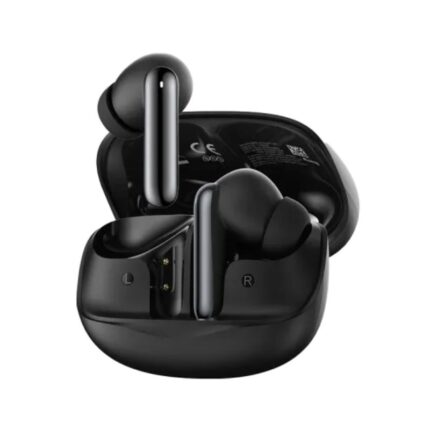

openrock s open-ear air conduction sport earbuds specs
Know the specs before you buy. Here are the key technical details that matter for everyday use and sport-focused performance.
- Driver type: Open-air micro drivers optimized for air conduction.
- Connectivity: Bluetooth 5.x for stable pairing and moderate range.
- Battery life: Around 6–8 hours per charge, 24–30 hours with case, depends on volume.
- Water resistance: IPX4 to IPX5 rating for sweat resistance in most models.
- Weight: Lightweight design to reduce ear strain during long sessions.
- Controls: Touch or physical buttons for play, pause, volume, and calls.
The open-air drivers prioritize comfort and awareness. Expect less bass impact than sealed in-ear models. For many athletes, that tradeoff improves safety and reduces ear fatigue.
openrock s open-ear air conduction sport earbuds features
These earbuds balance practical sport features with everyday convenience. Below are the most useful features for active users.
- Open-ear design for ambient awareness while listening.
- Secure earhook for movement and sprinting stability.
- Quick-pairing and multi-device switching on supported devices.
- Hands-free calling with noise-rejecting microphones.
- Lightweight construction to prevent slippage and discomfort.
- Durable finish and IP rating to handle sweat and light rain.
Feature quality varies by batch and firmware. Check the most recent firmware and app options when you buy. The earbuds often receive small improvements through updates that refine call clarity and battery management.
openrock s open-ear air conduction sport earbuds price and value
Price matters for sport audio. The OpenRock S usually targets the mid-range price tier. You will find competitive pricing compared with bone conduction and premium true wireless in-ear models. The open-ear positioning keeps costs lower than high-end noise-cancelling buds while offering specialized utility.
- Typical retail price: Mid-range, often under premium true wireless models.
- Discounts: Seasonal sales and bundle deals with extra charging docks appear regularly.
- Value drivers: Safety, comfort, and battery life versus sealed in-ear alternatives.
For buyers focused on outdoor safety and long workouts, the price-to-value ratio often favors the OpenRock S. If you prioritize deep bass or full isolation, a different form factor may offer better value for your needs.
openrock s open-ear air conduction sport earbuds buying guide
Use this buying guide to decide whether the OpenRock S fits your needs. Consider activity type, desired sound profile, and comfort preferences.
- Choose open-ear if you run or cycle in traffic and need ambient awareness.
- Pick a sweat-rated model if you train daily or live in humid climates.
- Test fit before extended use; ear shape changes the experience.
- Confirm battery life meets your longest training session or commute.
- Read recent user reviews for firmware and call performance updates.
If you want the best OpenRock S Open-Ear Air Conduction Sport Earbuds experience, pair them with low-latency audio devices for video or workout apps. For strength training inside a gym, the open-ear design still works well, but noise leakage may disturb nearby people at high volumes.
Sound Quality and Performance
The sound profile of the OpenRock S favors clarity over bass punch. Vocals and midrange stand out. That clarity helps with podcasts, audiobooks, and spoken cues during workouts. Low frequencies remain present but feel lighter than sealed in-ear models. Highs come through cleanly without harshness at moderate levels.
- Best use: Spoken content, steady-tempo music, guided workouts.
- Not ideal for: Deep-bass electronic genres where isolation amplifies impact.
Volume adjustments matter. Because the ear remains open, you may increase volume slightly compared to traditional earbuds. Keep levels safe to avoid hearing strain and to maintain situational awareness.
Fit, Comfort, and Durability
Comfort drives long-term usability. The OpenRock S uses soft over-ear hooks and lightweight housings to stay secure without pressure. You can wear them through long runs without soreness. Replaceable ear pads or cushions help extend product life and hygiene.
- Fit tips: Adjust the earhook angle and check both ears for symmetry.
- Durability tips: Wipe them after sweaty sessions and store in the case.
The materials resist sweat and light rain. However, avoid submerging the earbuds. Over time, sweat salts can reduce acoustic clarity if you skip periodic cleaning.
Battery Life and Charging
Battery life matters for long sessions and travel. The OpenRock S typically delivers 6–8 hours of continuous playback on a single charge. The included charging case provides multiple additional charges, giving you up to a full day of use without an outlet. Charging uses a standard cable and often supports quick top-ups.
- Practical tip: Charge before long workouts and carry the case for multi-session days.
- Battery care: Avoid full discharges and store at moderate temperatures to extend lifespan.
Connectivity and Controls
Bluetooth 5.x keeps connections stable across parks and gyms. Quick-pair features work well on recent phones. Controls deliver basic playback, volume, and call handling. You can expect reliable handling of incoming calls and voice assistant triggers when supported by your device.
- Range: Typical Bluetooth range for clear audio within 10 meters unobstructed.
- Interference: Dense urban areas may cause momentary dropouts near heavy wireless traffic.
Pros and Cons
- Pros: Open-ear safety, comfortable fit, stable battery life, sweat resistance.
- Pros: Natural sound for vocals and guidance, reliable Bluetooth pairing.
- Cons: Less bass impact than sealed earbuds, possible sound leakage at high volumes.
- Cons: Not for users who need noise cancellation or deep studio-level bass.
How Air Conduction Works and Why It Matters
Air conduction delivers sound through small drivers that direct waves into the ear canal without a tight seal. Unlike bone conduction, which transmits vibrations through skull bones, air conduction keeps the ear open and uses conventional airborne sound. The result gives you the familiar tonal balance of speakers with the safety of an open-ear layout.
- Benefit: Full awareness of surroundings while listening.
- Tradeoff: Reduced low-frequency focus compared to closed designs.
Practical Tips for Daily Use
Follow these tips to get the most from your OpenRock S Open-Ear Air Conduction Sport Earbuds during workouts and commutes.
- Lower the volume in busy traffic to preserve awareness.
- Use voice prompts or coaching apps at moderate volume for clear cues.
- Wipe the earbuds after sweaty sessions to prevent salt buildup.
- Replace ear cushions yearly if you train frequently to keep hygiene and fit optimal.
- Test fit before a long run to avoid mid-run adjustments.
Frequently Asked Questions
Are OpenRock S earbuds safe for outdoor running?
The open-ear design improves safety by letting ambient sound reach your ears. Keep volume moderate and remain aware of your surroundings.
How long does the OpenRock S battery last?
Expect about 6–8 hours per charge and roughly 24–30 hours with the charging case, depending on volume and usage patterns.
Conclusion
The OpenRock S Open-Ear Air Conduction Sport Earbuds offer a balanced option for active users who prioritize situational awareness and comfort. They deliver clear midrange, secure fit, and reliable battery life for long workouts. If you value safety during outdoor activities and prefer natural, open sound, these earbuds deserve serious consideration. Compare specs, check recent user feedback on price and firmware, and test the fit to ensure you select the best OpenRock S Open-Ear Air Conduction Sport Earbuds for your routine.