
Neutrogena Baby Sunscreen: Gentle SPF for Little Skin

Choosing a sunscreen for your baby feels overwhelming. Parents want safe formulas that protect fragile skin. Neutrogena Baby Sunscreen appears often on pediatric recommendations. This article explains what makes it different and how to use it safely. You will find a practical neutrogena baby sunscreen review, an overview of baby sunscreen lotion benefits, and tips for spf baby sun protection cream. Read on to learn how to protect your child’s skin with uv protection baby sunscreen and smart routines.
Why Choose Neutrogena Baby Sunscreen?
Neutrogena has a long skincare history. The brand develops products with dermatologists. Their baby sunscreen blends physical and gentle chemical filters in some formulas. The product aims to reduce irritation while offering broad-spectrum protection. Parents often choose it for its mild fragrance and lightweight feel. It works well under hats and clothing. Many parents find it a reliable option among the best sunscreen for babies.
- Broad-spectrum SPF protection against UVA and UVB rays
- Formulated for sensitive skin and pediatric use
- Lightweight, non-greasy feel that layers under sunscreen
- Available as lotion and cream formats
Recommended Products
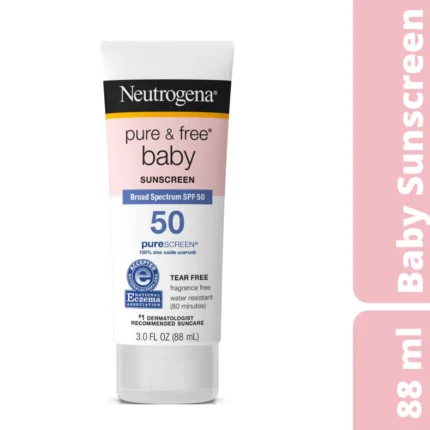 Sale
SaleOriginal price was: ৳ 2,750.00.৳ 2,250.00Current price is: ৳ 2,250.00.
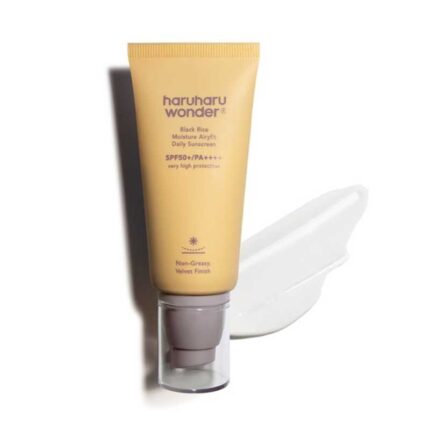 Sale
SaleOriginal price was: ৳ 2,040.00.৳ 1,428.00Current price is: ৳ 1,428.00.
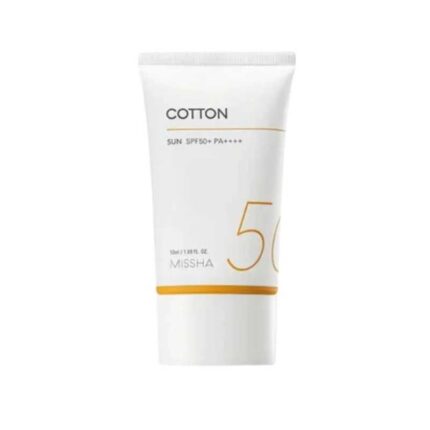 Sale
SaleOriginal price was: ৳ 1,290.00.৳ 903.00Current price is: ৳ 903.00.
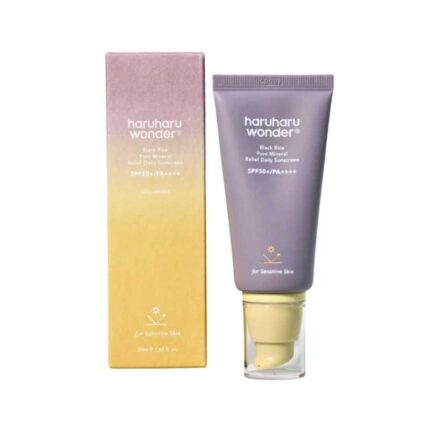 Sale
SaleOriginal price was: ৳ 2,300.00.৳ 1,610.00Current price is: ৳ 1,610.00.
Neutrogena Baby Sunscreen Review: What to Expect
This neutrogena baby sunscreen review covers texture, ingredients, and protection. Most formulas absorb quickly. They leave minimal white cast. The scent remains subtle or absent in many versions. Parents report low irritation rates. You will find both mineral and hybrid options. The mineral types use zinc oxide and titanium dioxide. Hybrid formulas combine these with low-irritant chemical filters for a lighter finish. Both offer uv protection baby sunscreen performance when used correctly.
- Texture: Smooth, spreads easily, good for squirmy kids
- Scent: Mild or fragrance-free options available
- Packaging: Pump or tube for controlled dosing
- Water resistance: Some formulas resist water for a set time
Ingredients and Safety: What Parents Need to Know
Sunscreen safety matters most for babies. Look for broad-spectrum protection and appropriate SPF. Pediatricians often recommend SPF 30 or higher. Many Neutrogena baby sunscreens use zinc oxide. Zinc oxide provides gentle physical coverage by reflecting UV rays. The brand also avoids harsh preservatives in many baby lines. Still, always read the label for allergens and fragrances. Patch testing on a small area helps detect reactions before full application.
- Check for zinc oxide or titanium dioxide in mineral formulas
- Avoid unnecessary fragrance or strong preservatives
- Choose water-resistant products for swimming or sweat
- Follow the label for age recommendations and usage
How to Apply: Effective Use of Neutrogena Baby Sunscreen
Proper application ensures protection. Apply sunscreen at least 15 minutes before sun exposure. Use a nickel-sized amount for the face. Cover all exposed areas, including ears and tops of feet. Reapply every two hours. Reapply after swimming or heavy sweating. For infants under six months, consult your pediatrician first. Use shade and protective clothing as the first defense. Sunscreen complements these measures.
- Apply 15 minutes before going outside
- Use enough: about one teaspoon for the face and neck
- Reapply every two hours and after water play
- Combine sunscreen with hats and UPF clothing
Baby Sunscreen Lotion Benefits Beyond SPF
Baby sunscreen lotion benefits include hydration and skin barrier support. Many formulas add gentle moisturizers. They soothe dry or sensitive skin. A balanced formula helps maintain the baby’s natural oils. Avoid lotions with harsh alcohols or strong fragrances. Good baby skincare sunscreen choices hydrate while protecting. The result lowers irritation and helps sunscreen stay on the skin longer.
- Hydrates and supports the skin barrier
- Reduces the chance of dryness after sun exposure
- Makes reapplication easier by preventing flaking
SPF Ratings and What They Mean for Babies
SPF measures UVB protection. Higher SPF blocks a greater percentage of UVB rays. SPF 30 blocks about 97% of UVB rays. SPF 50 blocks around 98%. No sunscreen blocks 100% of UV rays. Broad-spectrum labels indicate UVA protection too. For babies, choose at least SPF 30. Combine sunscreen with shade and clothing for full protection. This approach gives the best defense against sun damage.
UV Protection Baby Sunscreen: Combining Strategies
Sunscreen works best with other measures. Use hats, sunglasses, and long sleeves. Seek shade between 10 a.m. and 4 p.m. Limit direct sun exposure when possible. Use umbrellas or pop-up tents during beach visits. These steps reduce UV exposure and the need for frequent reapplication. They also protect sensitive areas like the eyes and scalp. Think of sunscreen as part of a layered plan for safety.
Choosing the Best Sunscreen for Babies: Practical Tips
Not all sunscreens suit every child. Consider allergies, textures, and water activities. Test a small patch first. Pick fragrance-free versions for very sensitive skin. Choose water-resistant formulas for active play. Look for easy-to-dispense packaging for quick applications. Read product reviews and consult your pediatrician for persistent concerns. The best sunscreen for babies fits your routine and your child’s skin needs.
- Patch test before full use
- Prefer mineral options for very sensitive skin
- Choose water-resistant types for swimming
- Opt for pump bottles to control dosage
Real-World Tips for Parents
Make sunscreen time quick and consistent. Apply sunscreen during diaper changes or before outdoor play. Sing a short song while you apply. Use sunscreen sticks for small faces or around the eyes. Pack a travel-size tube in your diaper bag. Teach older toddlers to help with application to build habits. Label your sunscreen so you don’t share it with others.
- Apply during routine moments like diaper changes
- Use sticks for quick face application
- Bring travel sizes for outings
- Engage toddlers to create a habit
Frequently Asked Questions
Is Neutrogena Baby Sunscreen safe for newborns?
Ask your pediatrician first for babies under six months. For older infants, choose a mineral formula and patch test a small area.
How often should I reapply spf baby sun protection cream?
Reapply every two hours. Reapply immediately after swimming or heavy sweating. Follow the product’s water resistance guidance.
Can baby skincare sunscreen be used on sensitive skin?
Yes, many baby sunscreens target sensitive skin. Look for zinc oxide and fragrance-free labels. Patch test before regular use.
What are the top differences in neutrogena baby sunscreen review findings?
Reviews often highlight texture, scent, and water resistance. Mineral formulas suit sensitive skin. Hybrid options feel lighter and absorb faster.
Are there alternatives if my baby reacts to sunscreen?
Try a different mineral formula or consult your pediatrician. Use physical barriers like UPF clothing and shade until you find a suitable option.
Conclusion
Neutrogena Baby Sunscreen provides reliable protection when parents apply it correctly. It combines SPF performance with gentle ingredients for babies. This neutrogena baby sunscreen review shows the brand works well for many families. Pair sunscreen with shade, hats, and protective clothing. Use water-resistant options for active time outdoors. With smart application and routine checks, you can protect your child’s skin with confidence.