
Tretinoin: Guide to Uses, Risks & How It Works

Many people struggle with persistent acne, rough texture, and early wrinkles that resist over-the-counter fixes. Tretinoin appears often as a solution in dermatology for those concerns. This guide explains Tretinoin clearly, so readers can decide if it fits their skin goals.
What is Tretinoin?
Tretinoin is a topical retinoid derived from vitamin A. Dermatologists call it a prescription anti aging compound and acne treatment. Because it acts at the cellular level, many providers recommend it for long-term skin improvement.
Recommended Products
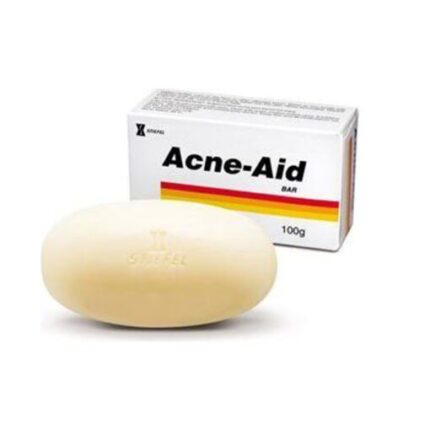
 Sale
SaleOriginal price was: ৳ 3,250.00.৳ 2,912.00Current price is: ৳ 2,912.00.
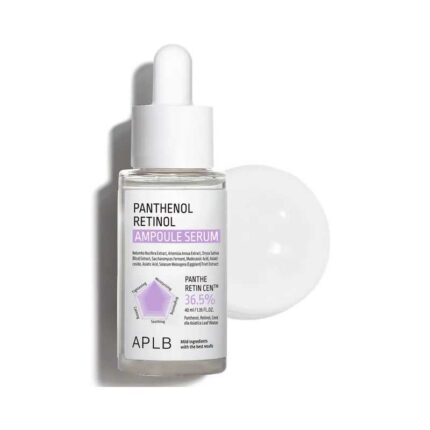 Sale
SaleOriginal price was: ৳ 1,300.00.৳ 910.00Current price is: ৳ 910.00.
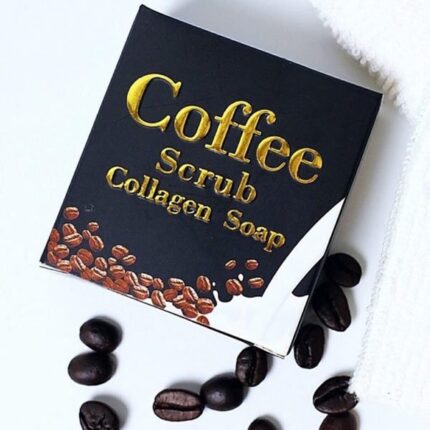
৳ 370.00
How Tretinoin Works (basic science)
The skin renews itself through a cycle of cell turnover. Tretinoin speeds this turnover and helps skin shed older cells faster. As a result, texture and tone often improve over weeks of consistent use.
When applied, Tretinoin converts into an active form that binds to skin cell receptors. Because it changes gene activity, it increases collagen production and reduces the cohesion of dead skin cells. Studies show these mechanisms explain both acne control and wrinkle improvement.
Why doctors prescribe Tretinoin
Dermatologists recommend Tretinoin for acne that does not respond to milder treatments. It also treats fine lines, uneven tone, and sun-damaged skin. Research indicates it improves visible signs of aging with regular use over months.
Common benefits people see
Expect smoother texture and fewer clogged pores within weeks of use. Tretinoin also helps reduce the visibility of fine lines as collagen returns. Still, full effects on wrinkles usually take several months.
For acne, many patients notice fewer breakouts and shorter lesion duration. This benefit occurs because Tretinoin prevents pore blockages and reduces inflammation. That is why it remains a first-line prescription for several skin types.
Forms and strengths available
Pharmacies dispense Tretinoin in creams, gels, and microsphere lotions. Strengths vary from low to higher percentages to match tolerance and disease severity. Because formulation affects irritation, your prescriber will choose the right form for your skin.
Retinoic acid ingredient: what that means
Tretinoin is the active retinoic acid ingredient used in many medical formulas. Unlike over-the-counter retinol, Tretinoin works directly without extra conversion in skin. That direct action makes it more potent and faster acting.
How to start a Tretinoin routine
Begin with a low strength applied two to three times a week at night. Always apply to clean, dry skin to reduce irritation. If irritation occurs, pause use for a few nights and then restart more slowly.
When introducing new skincare, add one product at a time. That approach helps identify reactions and limits cumulative irritation. Dermatologists often pair Tretinoin with simple moisturizers to improve tolerance.
Managing side effects
Mild redness, peeling, and dryness commonly appear during the first weeks. These reactions usually lessen as the skin adapts to Tretinoin. Yet persistent severe irritation should prompt a consult with your provider.
Common early reactions
Dryness and flaking often peak within the first month. Because the skin barrier weakens initially, sensitivity to sun and topical products may increase. Use gentle, fragrance-free cleansers and moisturizers while on Tretinoin.
How to reduce irritation
Apply a pea-sized amount and avoid applying near the eyes and lips. If needed, apply moisturizer before or after Tretinoin to buffer irritation. When irritation persists, reduce frequency and consult your prescriber for alternatives.
Safety and precautions
Avoid Tretinoin during pregnancy and when planning to become pregnant. Studies and clinical guidance advise against retinoids in pregnancy due to known risks with systemic retinoids. Always inform your provider about pregnancy plans before starting treatment.
People with very dry or sensitive skin need close monitoring while using Tretinoin. Because the compound increases sun sensitivity, daily sunscreen use is essential. That is why many providers stress daytime sun protection alongside treatment.
Interactions with other products
Strong acids, exfoliants, and benzoyl peroxide can increase irritation when used with Tretinoin. When combining actives, alternate nights or consult a dermatologist about a safe schedule. Using a moisturizer with ceramides may protect the skin barrier during combination therapy.
Comparing Tretinoin to retinol and other retinoids
Tretinoin differs from retinol because it is already in the active retinoic acid form. Retinol must convert to retinoic acid in skin before working. Therefore, Tretinoin generally gives faster, stronger results but with more irritation risk.
Adapalene and tazarotene are other prescription retinoids with different strengths and tolerability. Dermatologists choose between these based on acne type, skin sensitivity, and patient preference. Research indicates each retinoid offers benefits for specific concerns.
What to expect week by week
During the first two weeks, many users notice dryness and mild flaking. By weeks four to eight, fewer breakouts and smoother skin often appear. At three to six months, improved fine lines and tone become more visible for many patients.
How long to use Tretinoin for anti-aging
Long-term use produces the best collagen and texture benefits. Dermatologists often recommend continued intermittent use to maintain results. Stopping treatment usually leads to gradual loss of benefits over time.
How to measure progress
Take photos under the same lighting every four to six weeks to track changes. Objective photos help separate normal fluctuations from true improvement. For acne, keep a short journal of breakouts to see frequency changes over months.
Cost and prescription access
Costs vary widely by formulation, pharmacy, and insurance coverage. Since Tretinoin requires a prescription, talk with your provider about insurance or generic options. Some pharmacies offer discount programs that reduce out-of-pocket costs.
How providers decide a dose
Doctors assess skin type, severity, and prior retinoid experience before recommending a dose. They often start low and increase strength as tolerance improves. That method helps balance benefit and risk for most patients.
Storage and handling tips
Store Tretinoin at room temperature away from direct light and heat. Keep the tube capped to prevent oxidation and reduce exposure to air. When in doubt, follow the pharmacy label or ask your pharmacist for storage instructions.
Special populations: darker skin tones
People with darker skin tones can benefit from Tretinoin for texture and acne. Because post-inflammatory hyperpigmentation may occur with irritation, careful introduction matters. For example, start with lower frequency and pair with sun protection to reduce pigment issues.
Special populations: older adults
Older adults often see improvement in fine lines and skin thickness with Tretinoin. Because aging skin can be thinner, clinicians typically start with lower strengths and more moisturizer. Research indicates benefits even in mature skin when used carefully.
Misconceptions and myths
One myth says Tretinoin thins the skin permanently. Clinical data show Tretinoin actually increases dermal thickness via collagen stimulation. However, short-term thinning of the outer layer can occur while the skin adjusts, which causes visible peeling.
Tips for combining with sunscreen
Apply a broad-spectrum sunscreen daily when using Tretinoin. Because UV exposure worsens redness and pigment, sunscreen preserves results and lowers irritation risk. Reapply sunscreen every two hours when outdoors for extended periods.
How often to follow up with a provider
Initial follow-up is typically within six to twelve weeks to assess tolerance and early results. Then visits may occur every three to six months for maintenance. Providers adjust strength and frequency based on progress and side effects.
Travel and Tretinoin use
When traveling, bring adequate supply in original packaging and a copy of your prescription. Because climate changes can alter skin response, expect possible shifts in dryness or irritation. Carry moisturizer and sunscreen to manage travel-related changes.
Common mistakes users make
One common error is applying too much product, which increases irritation. Another mistake is mixing too many active treatments at once. Instead, introduce new products slowly and give Tretinoin time to show results before adding more actives.
Switching from retinol to Tretinoin
When switching, stop retinol a few days before starting Tretinoin to reduce stacked irritation. Begin with low frequency and observe tolerance for a few weeks. Some users find combining moisturizer with Tretinoin during the first month eases the transition.
Choosing a moisturizer to pair with Tretinoin
Look for a gentle, fragrance-free cream that contains ceramides and hyaluronic acid. These ingredients support the skin barrier and add hydration. Because moisturizers vary in feel, try samples to find a product you can use consistently.
Evidence and clinical guidance
Studies show Tretinoin has consistent benefits for acne and photoaging when used long term. Dermatology guidelines recommend it for patients who need a prescription retinoid. Clinical experience supports slow introduction to improve adherence.
Is Tretinoin right for everyone?
Not every person should use Tretinoin, especially pregnant people and those with severe eczema. Because individual sensitivity varies, some may tolerate alternative retinoids better. A prescriber can help weigh risks and benefits for your skin.
Handling flare-ups and purging
Early increase in breakouts, called purging, may appear as blocked pores clear. Purging typically resolves within weeks as new skin emerges. If breakouts worsen after several months, consult your provider for an assessment.
When to stop using Tretinoin
Stop using the product if you develop severe irritation, blistering, or an allergic reaction. If pregnancy occurs, discontinue Tretinoin and contact your healthcare provider. For minor irritation, temporary pauses and adjusted frequency often help.
Environmental considerations
Extreme heat or cold can worsen irritation while using Tretinoin. When conditions stress the skin, reduce frequency and increase moisturizing steps. That approach helps maintain barrier function and comfort during environmental changes.
How Tretinoin affects makeup use
Makeup can be applied after Tretinoin once the product has fully absorbed and skin feels dry. Because flaking may occur, choose non-comedogenic makeup to avoid clogging pores. Still, keep makeup light while skin adjusts for best results.
How long to avoid waxing and strong peels
Avoid strong chemical peels and waxing during active Tretinoin use and for a short period after stopping. Because the skin is more fragile, these procedures can cause injury or pigment changes. Discuss timing with your provider before any in-office procedure.
How to get a prescription
A primary care provider or dermatologist can evaluate your skin and prescribe Tretinoin. Many clinics offer telemedicine visits for prescription decisions. When asking for treatment, describe current routines and any prior reactions to retinoids.
Comparing brand and generic options
Generic Tretinoin often has the same active ingredient and similar cost compared to brand names. Formula differences can affect feel and irritation, so discuss options with your pharmacist. For many patients, a generic formula provides effective results at lower cost.
Using Tretinoin with professional treatments
Discuss professional procedures like lasers or chemical peels with your provider before starting Tretinoin. Because combined treatments can increase sensitivity, timing adjustments are often necessary. Providers can recommend safe windows for both topical and in-office care.
What to look for in follow-up results
Look for gradual improvement in texture and fewer clogged pores after three months. For lines and pigment, expect clearer changes after six months or more. Track changes with photos and reminders to maintain a consistent routine.
Realistic timelines and patience
Expect a process that unfolds over months, not days. Small early wins in texture and breakouts predict larger gains later. That is why consistency matters more than chasing rapid fixes.
Balancing efficacy and comfort
Higher strengths may act faster but carry more irritation risk. Most people find a balance between a tolerable frequency and visible improvement. Talk with your dermatologist to adjust strength and schedule as needed.
Secondary keyword: prescription anti aging compound
Tretinoin earns the label prescription anti aging compound because clinicians prescribe it to treat photoaging. Using it under medical guidance helps manage risk while achieving benefits. For age-related concerns, professional oversight improves outcomes.
How to assess product authenticity
Buy Tretinoin only from legitimate pharmacies with a valid prescription. Counterfeit products can lack active ingredient and pose safety risks. If packaging seems off or the product causes unusual reactions, stop use and consult a pharmacist.
When to seek immediate care
Seek urgent medical attention for severe swelling, blistering, or signs of infection. These reactions require prompt assessment and possibly stopping Tretinoin. Mild irritation rarely needs emergency care but should be discussed with a clinician.
Environment and sustainability notes
Dispose of unused topical medications according to local pharmacy guidance to reduce environmental impact. Many pharmacies accept unused drugs for safe disposal. That practice helps prevent improper disposal and accidental exposure.
Final checklist before you start
Talk with a healthcare provider about goals, pregnancy plans, and current skincare. Prepare to start slowly and use sunscreen daily. After that, give Tretinoin several months to show meaningful change.
Frequently Asked Questions
How long does Tretinoin take to work?
Initial effects on acne and texture often appear in four to eight weeks. Larger improvements in wrinkles and pigmentation usually take three to six months. Full benefits build over continued, consistent use.
Can I use Tretinoin with vitamin C or other serums?
You can use vitamin C but apply it in a different part of your routine, for example in the morning while using Tretinoin at night. Because combining strong actives can increase irritation, introduce products slowly. If irritation develops, space them out further.
Will Tretinoin make my skin sunburn easier?
Yes, Tretinoin increases photosensitivity by thinning the outer skin layer temporarily. Daily use of broad-spectrum sunscreen and protective measures are essential. That reduces risk of sunburn and protects treatment results.
Is Tretinoin safe for sensitive skin?
Many people with sensitive skin can use Tretinoin with careful dosing and supportive moisturizers. Starting with low frequency and lower strength improves tolerance. Consult a dermatologist to tailor a plan for sensitive skin types.
Final Thoughts
The strongest single takeaway is that Tretinoin can deliver meaningful skin improvement when used patiently and under guidance. For many patients, Tretinoin offers clearer skin, smoother texture, and reduced fine lines over months. Start slowly, protect your skin from sun, and consult your provider to choose the right approach for your needs.