
Threonine Benefits: Skin, Collagen & Health

Are you curious how a single amino acid can help skin hydration and protein health? Threonine plays a clear role in building proteins that matter for skin and connective tissue. This guide explains what threonine does and how to use it in diet and care routines.
What is Threonine?
Threonine is an essential amino acid the body cannot make on its own. Humans must get it from food or supplements to build proteins and support tissue repair. Studies show that amino acids like threonine are central to protein synthesis and metabolic balance.
Because it is essential, threonine helps maintain muscle, skin, and immune proteins. That means low intake can limit protein production and slow recovery from stress or injury. For example, clinical nutrition guidelines list essential amino acids as key to maintaining body protein.
Recommended Products
 Sale
SaleOriginal price was: ৳ 2,200.00.৳ 1,540.00Current price is: ৳ 1,540.00.
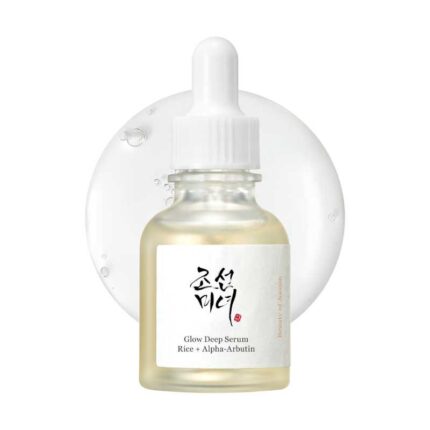 Sale
SaleOriginal price was: ৳ 2,060.00.৳ 1,442.00Current price is: ৳ 1,442.00.
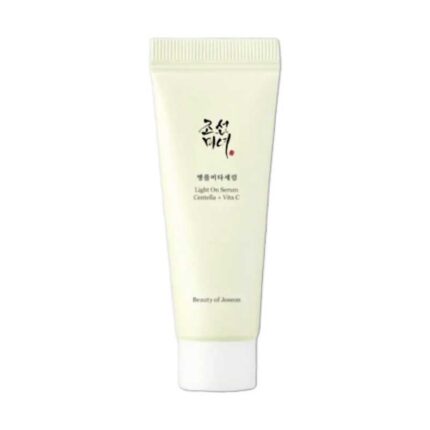 Sale
SaleOriginal price was: ৳ 460.00.৳ 330.00Current price is: ৳ 330.00.
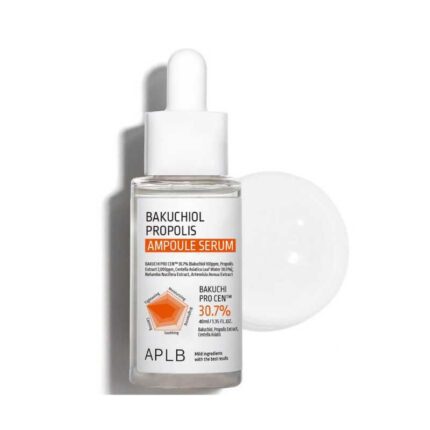 Sale
SaleOriginal price was: ৳ 1,300.00.৳ 910.00Current price is: ৳ 910.00.
How Threonine Works in the Body
Threonine participates directly in protein assembly at the cellular level. Cells use it to assemble long protein chains that form skin, hair, enzymes, and immune molecules. Research indicates adequate threonine supports healthy protein turnover and tissue maintenance.
When threonine is available, the body can complete certain proteins needed for structure and function. That affects collagen levels indirectly because collagen depends on many amino acids. As a result, overall protein balance improves when threonine intake meets needs.
Protein synthesis and structure
Threonine is one of the building blocks used by ribosomes to make proteins. Ribosomes read genetic instructions and insert threonine where needed to form functional proteins. This means that missing threonine can stall production of specific proteins.
Immune and digestive roles
Threonine supports mucin production, which keeps mucous membranes hydrated and protective. Mucin contains many threonine residues that help trap pathogens and moisture. Therefore, adequate intake aids barrier integrity in the gut and respiratory tract.
Brain and neurotransmitter balance
Threonine can influence neurotransmitter activity indirectly by supporting proteins involved in signaling. That helps maintain stable nervous system function. While threonine is not a neurotransmitter, research shows amino acid balance matters for brain chemistry.
Threonine Benefits for Skin and Hair
Threonine helps keep skin hydrated and resilient by supporting protein networks in the outer layers. Because the skin needs specific amino acids to make structural proteins, threonine contributes to moisture retention and texture. Dermatologists recommend amino acids as part of strategies to support the skin barrier for many skin types.
For hair, threonine feeds the keratin-building process that gives hair strength and elasticity. Keratin requires multiple amino acids; threonine provides certain chemical groups that aid cross-linking. That means improving amino acid supply can support hair quality over time.
For example, formulations that include amino acids often aim to act as an amino acid humectant ingredient to draw and keep moisture. This means threonine can function topically in products framed as hydrating components. When paired with other humectants, it helps skin feel softer and less dry.
Threonine as a Collagen Support Compound
Threonine supports the network of proteins that surround and support cells, making it a useful collagen support compound. Collagen itself requires several amino acids to fold and stabilize correctly, and threonine helps by contributing to overall protein assembly. Studies show that balanced amino acid intake supports normal collagen production and tissue repair.
Because collagen influences skin firmness and joint cushioning, threonine intake can matter for visible aging and mobility. That is why nutrition experts often emphasize a mix of amino acids when aiming to support collagen. Still, threonine works best with other nutrients like vitamin C and proline.
Dietary Sources of Threonine
Animal proteins such as meat, poultry, fish, eggs, and dairy provide threonine in high amounts and high quality. Plant sources include soy, legumes, nuts, and seeds, which help vegetarians meet threonine needs when combined across meals. Research indicates varied diets supply essential amino acids effectively when they include complete protein sources.
Because cooking changes protein digestibility slightly, combining foods across the day helps maintain steady threonine intake. For example, pairing grains and legumes boosts essential amino acid profiles for plant-based diets. That means thoughtful meal planning can provide adequate threonine without supplements.
Supplementation: When and How to Consider It
Supplements can help if dietary intake is low or needs increase due to illness, intense training, or recovery. Athletes and people recovering from surgery sometimes use amino acid supplements to support protein rebuilding. Clinical studies show targeted amino acid supplements may help in recovery settings when guided by a clinician.
When choosing supplements, look for formulations that list threonine clearly and pair it with other essential amino acids. That approach mirrors how proteins work in food and can support balanced protein synthesis. Still, consult a health professional before starting supplements, especially with preexisting health conditions.
Safety and Side Effects
Threonine is safe at normal dietary intakes, but very high supplemental doses may cause nausea or digestive upset in some people. Because the kidneys filter excess amino acids, people with kidney disease should check with their clinician before taking extra threonine. Research indicates that balanced dosing under medical guidance minimizes side effects.
Pregnant or breastfeeding people should discuss any supplement use with a healthcare provider. That ensures safety for both parent and child while protecting nutrient needs. As a rule, whole foods remain a safe first step for most people to meet threonine needs.
How Threonine Appears in Skincare and Haircare Products
Cosmetic formulations sometimes include free amino acids, including threonine, to enhance moisture and texture. Because amino acids can act as humectants, threonine helps attract water to the skin when applied topically. This makes it a useful ingredient in lightweight serums and creams aimed at hydration.
When reading ingredient lists, you may see threonine listed by name or under amino acid blends. Products marketed for barrier repair often pair amino acids with ceramides and fatty acids. For haircare, conditioners may include threonine to support surface hydration and manageability.
Choosing Foods and Products: Practical Tips
Focus on whole food sources first by adding lean proteins, legumes, and dairy to meals. For example, a balanced plate with fish or beans plus vegetables and grains helps meet essential amino acid targets. That means most people can cover threonine needs through varied diet without regular supplement use.
If you decide on a supplement or topical product, check labels for concentration and ingredient synergy. Look for products that combine amino acids with moisturizers or collagen-supporting nutrients. That helps ensure threonine works with other ingredients to support skin and tissue health.
Comparing Oral vs Topical Use
Oral threonine supports whole-body protein needs, while topical threonine targets surface hydration. Oral use affects collagen and internal tissues over time, whereas topical application provides immediate moisture and improves texture. So, choose the route based on your main goal: internal support or surface hydration.
For joint and connective tissue goals, oral intake or supplements are the logical choice. For short-term skin dryness or hair smoothing, look to topical products that include amino acids and humectants. This means many users combine both approaches for fuller benefits.
Interactions with Other Nutrients
Threonine works best with a range of amino acids and cofactors such as vitamin C and zinc that support protein synthesis. Research shows that missing cofactors can limit collagen assembly even when amino acids are present. Therefore, a balanced diet supports amino acid function and maximizes the benefit to tissues.
Because amino acids compete for absorption when taken in large isolated doses, moderate mixed amino acid supplements may be more effective. That is why multi-amino acid blends are common in clinical nutrition. When in doubt, follow product guidance or consult a nutrition professional.
Special Populations: Athletes, Older Adults, and Vegetarians
Athletes may need more protein and specific amino acids during heavy training and recovery. Studies show that increased amino acid intake can speed muscle repair and reduce recovery time. Therefore, athletes often monitor threonine as part of their total protein plan.
Older adults face protein loss with age and often require higher-quality protein to maintain muscle and skin. Because threonine is essential, making it a focus in meals can help support tissue maintenance. For vegetarians and vegans, combining plant proteins across meals helps meet threonine needs without animal sources.
Product Labels: What to Look For
Read labels for ingredient placement; ingredients near the top appear in higher amounts. When threonine is listed among the first several ingredients, the product likely contains an effective amount. Also, check whether the product pairs amino acids with humectants, ceramides, or antioxidants for broader benefits.
For supplements, look for third-party testing or clear manufacturing information to ensure purity. That helps avoid contaminants and ensures the dose matches the label. Choosing reputable brands reduces risk and supports predictable results.
Practical Recipes and Meal Ideas
To boost threonine naturally, include a protein source at each meal such as eggs at breakfast, lentils at lunch, and fish at dinner. Because variety ensures a full amino acid profile, mix plant and animal proteins when possible. For example, pair rice and beans with a side of steamed vegetables for a balanced meal.
Snack choices like Greek yogurt, mixed nuts, or hummus with whole grain crackers also add threonine. These small choices add up across the day to meet essential amino acid targets. That means steady intake helps maintain protein synthesis and tissue health.
Scientific and Clinical Notes
Studies show essential amino acids support recovery from illness and injury when provided in sufficient amounts. Clinical nutrition uses amino acid formulations to support patients who cannot eat normally. Therefore, threonine is a familiar component in professional nutrition strategies for healing and maintenance.
Dermatology research also highlights the role of amino acids in barrier repair and hydration. For instance, topical amino acid blends improved skin moisture and reduced transepidermal water loss in controlled settings. That is why ingredient-focused formulations often include amino acids like threonine.
Common Myths and Misconceptions
One myth says single amino acids alone can cure aging or hair loss instantly. That is not accurate because proteins and tissues need a full nutrient environment to recover. Instead, a broad approach with balanced amino acids, vitamins, and minerals shows real benefits over time.
Another misconception claims topical amino acids replace oral nutrition entirely. Topical use helps skin surface hydration, but it cannot replace dietary needs for collagen and whole-body proteins. Thus, combine diet and topical care to meet both internal and external goals.
Signs You Might Need More Threonine
Signs of low protein intake can include slow wound healing, increased fatigue, and loss of muscle mass. Because threonine plays a role in protein building, insufficient intake may contribute to these issues. If you notice persistent signs, discuss dietary habits and testing with a healthcare provider.
For skin, chronic dryness and poor barrier function may reflect inadequate amino acid support. In that case, adding protein-rich foods and topical amino acid products can help. This dual approach supports tissue repair from inside and outside.
How Long Until You See Results?
Skin and hair changes occur slowly because tissues renew over weeks and months. Many users see initial skin hydration improvements within days with topical amino acids. However, deeper effects like increased collagen or improved joint comfort take longer and show over weeks to months with consistent nutrition.
Therefore, set realistic expectations and monitor changes over time. Keep a simple log of product use and diet changes to track what helps. That means patience combined with consistent practices yields the best, lasting results.
Cost and Value Considerations
Whole foods provide excellent value for threonine and other amino acids compared with many supplements. For long-term health, food-first strategies are often more sustainable and cost-effective. If supplements are needed, compare price per serving and ingredient transparency to find value.
For topical products, assess ingredient lists rather than brand claims. Often, products with clear amino acid inclusion and simple supporting ingredients offer similar benefits at lower cost. That is why reading labels matters more than trusting marketing language.
Environmental and Ethical Notes
Protein choices also carry environmental and ethical considerations that may affect your selection. Plant-based proteins generally have a lower carbon footprint per gram of protein than many animal sources. Still, well-chosen animal proteins and sustainable fishing add variety and important nutrients like threonine.
When environmental impact matters to you, prioritize legumes, nuts, and sustainably sourced animal products. This approach balances nutrient needs with personal values. That means you can meet threonine needs while aligning with your ethics.
Frequently Asked Questions
What is the easiest way to increase threonine in my diet?
Add a high-quality protein to each meal, such as eggs, yogurt, poultry, fish, or legumes. Balanced meals across the day provide steady essential amino acids. If needed, consider a multiamino acid supplement under professional guidance.
Can topical threonine replace collagen supplements?
Topical threonine can improve surface hydration but cannot replace oral collagen support for deeper tissues. Collagen formation requires dietary amino acids and cofactors over time. Use topical products for immediate moisture and oral nutrition for long-term support.
Are there risks to taking threonine supplements long term?
Most people tolerate normal supplemental doses well, but very high intake may cause digestive discomfort. People with kidney disease should consult a clinician before extra amino acids. Regular medical advice helps avoid unnecessary risks.
How quickly will threonine improve skin or joint health?
Topical hydration effects can appear within days, while collagens and joint improvements require weeks to months. Consistent dietary intake supports long-term tissue repair. Track progress and adjust as needed with professional input.
Final Thoughts
Threonine supports key body proteins and can help skin hydration, hair quality, and collagen formation when used as part of a balanced diet or product plan. For most people, getting threonine from varied foods is the best first step, while targeted supplements or topical amino acid humectant ingredient products can add benefit. Aim for steady intake, read labels carefully, and consult a healthcare professional if you plan high-dose supplements.