
Sunflower Oil: Uses, Benefits, and Buying Guide

Can a single pantry oil handle frying dinner and soothing dry skin? Sunflower Oil appears in many kitchens and bathrooms for good reasons. It offers mild flavor, vitamin-rich composition, and flexible uses for daily life.
What is Sunflower Oil?
Sunflower Oil comes from pressed seeds of the sunflower plant, known scientifically as helianthus annuus. Cold-pressed and refined varieties change flavor and nutrient levels, which affects use. Studies show oil extraction methods influence antioxidant and vitamin content.
Because the name covers several grades, shoppers should check labels. For example, cold-pressed oil usually retains more nutrients and flavor than highly refined options. That is why knowing production style matters before buying.
Recommended Products
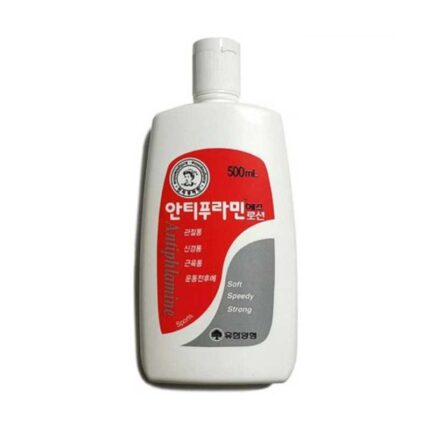 Sale
SaleOriginal price was: ৳ 1,200.00.৳ 840.00Current price is: ৳ 840.00.
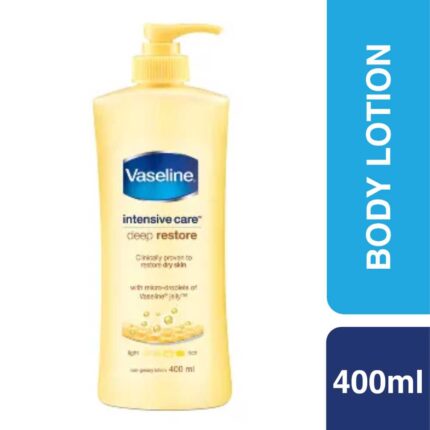 Sale
SaleOriginal price was: ৳ 550.00.৳ 510.00Current price is: ৳ 510.00.
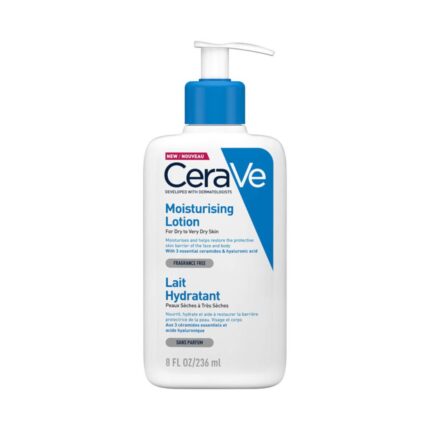 Sale
SaleOriginal price was: ৳ 3,400.00.৳ 2,250.00Current price is: ৳ 2,250.00.
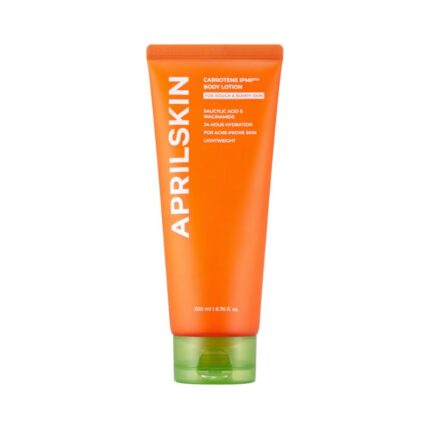 Sale
SaleOriginal price was: ৳ 2,900.00.৳ 2,030.00Current price is: ৳ 2,030.00.
Nutrition and composition of sunflower oil
Sunflower Oil mainly contains unsaturated fats, with linoleic and oleic acids common in many bottles. Research indicates fatty acid balance differs by variety and can affect health outcomes. The oil also supplies vitamin E, a natural antioxidant that helps protect cells.
For clarity, helianthus annuus seed oil is another name you will see on ingredient lists. When used in cosmetics, the botanical label indicates purity and source. Dermatologists recommend checking this label when you need a plant-derived oil for skin care.
Sunflower Oil in cooking: smoke point and best uses
Sunflower Oil has a high smoke point when refined, which suits frying and high-heat cooking. For example, refined types can handle sautéing and shallow frying without breaking down. However, cold-pressed oil has a lower smoke point and works better for dressings and low-heat uses.
So, choose refined oil for deep-frying and high-temperature searing. For salads, dips, and finishing touches, use cold-pressed sunflower oil for flavor and nutrient retention. That approach keeps food tasting fresh and helps preserve vitamins.
Types of sunflower oil for the kitchen
High-oleic sunflower oil has more monounsaturated fat and improved heat stability. Mid-oleic and linoleic types vary in fatty acid composition and shelf life. When you need a neutral flavor for baking, mid-oleic options often work well.
How to store sunflower oil
Store oil in a cool, dark place away from direct light and heat. Oxygen and light speed oxidation and can lead to rancidity over weeks. For long-term storage, seal bottles tightly and use within the date range on the package.
Sunflower Oil for skin: why people use it
Many people apply Sunflower Oil to skin as a gentle emollient and softener. It can help seal moisture without feeling heavy, which makes it popular in moisturizers and massage blends. Research indicates plant oils can support skin comfort and barrier function when used correctly.
Because it contains vitamin E and linoleic acid, sunflower oil may help maintain skin health. That linoleic acid acts as a building block for ceramides, which matter for barrier function. As a result, some formulations list this oil as a barrier support ingredient for the skin.
Using sunflower oil in facial and body care
Start with a patch test on a small skin area before full use. For facial care, apply a few drops on damp skin to lock in moisture and avoid pore-clogging oils if you have oily skin. For the body, massage a light layer into damp skin or mix it with your lotion for extra slip.
Sunflower Oil and sensitive skin
Dermatologists recommend fragrance-free, cold-pressed oils for sensitive skin. Studies show non-comedogenic oils with high linoleic acid are less likely to clog pores. Still, individual reactions vary, so stop use if irritation appears.
Health benefits and risks of sunflower oil
Sunflower Oil can contribute unsaturated fats to a balanced diet when used instead of saturated fats. Research indicates diets that favor unsaturated fats help support heart health over time. That is why many health professionals suggest replacing solid fats with liquid oils.
However, overconsumption of any oil increases calorie intake and may hinder weight goals. Also, some refined sunflower oils have reduced nutrient content. For this reason, choose the right type and use it in moderation for best results.
What studies say
Studies show oils rich in unsaturated fats support healthy blood lipid levels when they replace saturated fats. Research indicates vitamin E in sunflower oil acts as an antioxidant in the body. Still, no single oil guarantees health, and overall diet matters most.
Choosing quality sunflower oil
Read labels for extraction method, origin, and processing terms like “cold-pressed” or “refined.” Cold-pressed options preserve more flavor and nutrients, while refined oils offer higher heat stability. That choice depends on whether you plan to cook or use the oil on skin.
Also consider whether the brand tests for purity and contaminants. Many reputable companies provide testing statements on labels or packaging. Because vegetable oils can oxidize, look for darker bottles and airtight lids to protect quality.
Organic, non-GMO, and certifications
Organic sunflower oil avoids synthetic pesticides during growth. Non-GMO labeling confirms seed sources without genetic modification. If certifications matter, buy from sellers who display credible seals and clear sourcing details.
How to use sunflower oil in recipes
Sunflower Oil works well for pan-frying, roasting, and baking depending on type. For high-heat roast vegetables, use refined sunflower oil for a stable cook. When making salad dressings, use cold-pressed oil and add acid and seasoning for flavor balance.
For baking, replace butter with oil in recipes for moist cakes and quick breads. That swap lowers saturated fat and creates tender crumb. For marinades, combine oil, acid, and spices to coat proteins and improve flavor transfer.
Flavor pairing ideas
Sunflower Oil has a mild, neutral taste that pairs with bold herbs and spices. Use it in vinaigrettes with lemon or mustard for bright flavor. When you want subtlety, add a small amount of toasted sesame or herb oil for aroma.
Sunflower oil in DIY skin and hair recipes
Many people mix a small amount of Sunflower Oil into homemade scrubs and serums. For a simple moisturizer, combine a few drops with glycerin and water to enhance hydration. Be sure to keep any homemade mixture refrigerated and use it within a short period.
For hair, apply a light layer to the ends to reduce split ends and add gloss. Because the oil is light, it rarely weighs hair down when used sparingly. If your scalp is oily, avoid heavy use near roots to prevent buildup.
Sustainability and environmental considerations
Sunflower crops often fit into crop rotation systems and can support soil health when managed well. Research indicates that sunflower farming can be less resource-intensive than some crops when grown responsibly. That said, farming practices vary widely by region and producer.
Buyers who care about sustainability should look for transparent supply chains. Certifications and brand messages can show commitments to soil care and farmer welfare. When possible, prefer producers that state clear sustainability goals and practices.
Common myths about sunflower oil
Myth: Sunflower Oil always clogs pores. The truth is oil effects vary by oil type and skin type. Many people with dry skin find it non-irritating, while those with oily or acne-prone skin should test cautiously.
Myth: All sunflower oils are the same. In reality, processing, seed variety, and storage markedly change properties. For example, high-oleic oils differ in stability and fatty acid balance compared to linoleic types.
Safety tips and allergy information
Allergic reactions to sunflower seeds are rare but possible. If you have a known seed allergy, consult your healthcare provider before using sunflower-based products. For topical use, perform a patch test and monitor for redness or itch.
Also avoid heating low smoke point oil to high temperatures to prevent off-flavors and harmful compounds. When frying, check the oil’s smoke point and discard oil that smells off or darkens significantly.
How to read labels and ingredient lists
Ingredient lists often use botanical names like helianthus annuus seed oil. Seeing that name means sunflower seed extract rather than a synthetic compound. While labels can be confusing, learning a few terms helps you pick the right product for cooking or skin care.
Look for additional words that indicate processing level, such as “refined,” “cold-pressed,” and “expeller-pressed.” Those terms change what you get in the bottle, affecting flavor, nutrients, and heat tolerance. That knowledge helps you match oil type to intended use.
Sunflower Oil vs other oils: a quick comparison
Compared to olive oil, Sunflower Oil tastes more neutral and often has a higher smoke point when refined. This makes it more versatile for high-heat cooking. When compared with flaxseed oil, sunflower oil lasts longer and holds up better when heated.
Compared with coconut oil, sunflower oil contains more unsaturated fats and less saturated fat. Doctors often recommend oils with more unsaturated fats for heart health. Still, personal taste and cooking needs will guide the best choice for you.
Buying tips: what to look for on the shelf
Choose smaller bottles if you use oil infrequently to ensure freshness. Dark glass bottles slow oxidation, while clear plastic speeds it up. That is why many premium oils come in tinted glass to protect quality.
When possible, buy from brands with clear harvest dates and production details. Freshness matters for flavor and nutrient levels. For skincare purchases, prefer cold-pressed labels and avoid added fragrances if you have sensitive skin.
Storage and shelf life
Most unopened refined oils last many months at room temperature when stored in a cool, dark place. Once opened, aim to use bottles within three to six months for peak quality. Keep lids tight and avoid prolonged exposure to light.
If oil develops a bitter or soapy smell, toss it. Rancid oil can harm flavor and may cause digestive discomfort. For best results, buy what you can use within a few months and keep bottles sealed between uses.
Frequently Asked Questions
Is Sunflower Oil good for cooking at high heat?
Yes, refined Sunflower Oil has a high smoke point suitable for frying and roasting. Cold-pressed oil has a lower smoke point and is best for low-heat uses like dressings.
Can I use Sunflower Oil on my face?
Yes, many people use Sunflower Oil as a light moisturizer and barrier support ingredient for dry skin. Patch test first and avoid use if you have known seed allergies or skin reactions.
What does helianthus annuus seed oil mean?
Helianthus annuus seed oil is the botanical name for sunflower seed oil on ingredient lists. Seeing this label confirms the oil comes from sunflower seeds rather than synthetic additives.
How long does sunflower oil last after opening?
Opened sunflower oil typically stays good for three to six months when stored cool and sealed. Signs of spoilage include off smells, cloudiness, and bitter taste.
Final Thoughts
Sunflower Oil blends versatility with nutrition, making it useful for cooking and skin care when chosen correctly. For best results, match oil type to its use and prefer cold-pressed bottles for topical care and refined versions for high-heat cooking. Try a small bottle first and select quality labels that show processing and source to get the most value from Sunflower Oil.