
The Complete Guide to Sea Salt Benefits

Do you often wonder about the true nature of the salt you use daily? We explore the fascinating world of sea salt today. This natural product offers much more than simple flavor and its unique composition makes it a staple in many applications.
What Exactly is Sea Salt?
Sea salt comes directly from evaporated seawater. Unlike common table salt, it undergoes minimal processing. This method allows it to retain many natural compounds. These compounds include trace minerals from the ocean. That is why it stands apart from its refined counterparts.
The collection process often involves sun and wind. This gentle approach helps preserve its unique properties. Historically, coastal communities relied on this simple technique. They valued it for both taste and preservation. Today, its appeal continues to grow worldwide.
Recommended Products

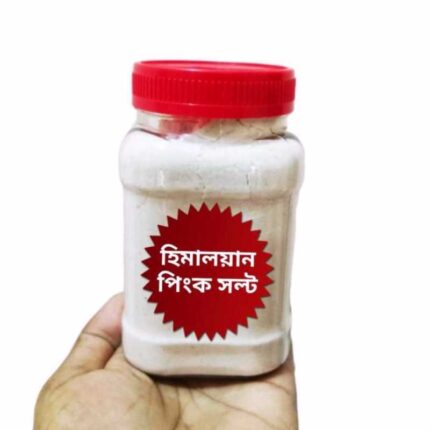
৳ 199.00
 Sale
SaleOriginal price was: ৳ 550.00.৳ 350.00Current price is: ৳ 350.00.
 Sale
SaleOriginal price was: ৳ 600.00.৳ 450.00Current price is: ৳ 450.00.
The Unique Mineral Composition of Sea Salt
The true value of sea salt lies in its complex mineral makeup. Ocean water contains over 80 different trace elements. These are naturally present in the salt crystals. This makes sea salt a truly mineral rich salt ingredient. It offers more than just sodium chloride.
Studies show that these trace minerals are essential. They play roles in various bodily functions. Magnesium, potassium, and calcium are prominent examples. These elements contribute to overall wellness. This composition sets it apart from heavily refined salts.
For example, magnesium aids nerve and muscle function. Potassium helps maintain fluid balance. Calcium supports bone health significantly. The presence of these minerals varies. It depends on the salt’s origin and harvesting method.
Culinary Delights with Sea Salt: A Flavor Enhancer
Sea salt elevates dishes beyond mere seasoning. Its coarser texture and complex flavor profile shine. It often brings a subtle depth to many foods. Professional chefs and home cooks alike appreciate its qualities. They use it for both taste and visual appeal.
Enhancing Flavor Profiles
Chefs often choose sea salt to finish dishes. A sprinkle before serving highlights natural flavors. This enhances the overall eating experience. The distinct crunch also adds a pleasant textural contrast. It provides a gourmet touch to everyday meals.
For example, a flaky sea salt improves roasted vegetables. It also perfectly complements grilled meats. Even simple scrambled eggs benefit from its inclusion. The subtle mineral notes interact beautifully with ingredients. This creates a richer, more nuanced taste.
Texture and Presentation
The larger crystals of sea salt contribute visually. They add an appealing sparkle to finished dishes. This visual aspect is highly valued. The texture also provides a delightful burst of flavor. This happens when the crystals dissolve on the tongue.
Consider a warm chocolate chip cookie. A few coarse sea salt flakes balance the sweetness. This contrast creates a more sophisticated dessert. Bakers often sprinkle it on caramels and other sweets. It provides an unexpected, delicious counterpoint.
Sea Salt in Skincare: A Natural Exfoliant
Beyond the kitchen, sea salt offers significant benefits. It serves as a powerful natural ingredient in skincare. Many beauty products feature it prominently. Its abrasive yet gentle texture makes it ideal. It is truly an excellent exfoliating skincare compound.
Gentle Exfoliation for Radiant Skin
Sea salt physically removes dead skin cells. This process reveals fresher, brighter skin underneath. Regular exfoliation promotes cell turnover. It also helps unclog pores effectively. This leads to a smoother, more refined complexion.
For instance, sea salt scrubs can be invigorating. They improve circulation to the skin’s surface. This results in a healthy, natural glow. Using a sea salt scrub can transform dull skin. It makes your skin feel soft and revitalized.
Detoxification and Mineral Infusion
The minerals in sea salt are beneficial for skin. They help draw out impurities from pores. This detoxification process cleanses the skin deeply. Magnesium, in particular, soothes inflammation. It also helps to calm irritated skin conditions.
When dissolved in a bath, sea salt creates a therapeutic soak. The minerals can be absorbed through the skin. This provides a relaxing experience. Many people find relief from muscle aches. They also report an improvement in skin texture. This means it offers more than just surface benefits.
Health Benefits and Considerations of Sea Salt
Many proponents suggest sea salt offers more health advantages. This belief stems from its diverse mineral content. Unlike refined table salt, it retains these trace elements. However, it is essential to approach these claims with balance. Moderation remains key for all types of salt intake.
Electrolyte Balance and Hydration
Sea salt contains electrolytes like sodium, potassium, and magnesium. These minerals are crucial for maintaining proper hydration. They support nerve impulses and muscle function. Balanced electrolytes are vital for overall body processes. This helps keep your systems running smoothly.
Dermatologists recommend adequate electrolyte intake. It is important especially after intense physical activity. Replenishing these salts can prevent dehydration symptoms. For example, athletes often use electrolyte-rich drinks. Some even add a pinch of sea salt to water.
Digestive Health Support
Some traditional practices use sea salt for digestion. It is believed to stimulate digestive enzymes. This could improve nutrient absorption. However, scientific research on this specific benefit is still emerging. Always consult a healthcare provider for digestive concerns.
Consuming a small amount in warm water before meals is one method. This practice aims to prepare the digestive system. It is a traditional remedy, not a medical treatment. Understanding its role requires further study. Thus, use it as a complementary approach.
Thyroid Function and Iodine
Many commercial table salts are iodized. This helps prevent iodine deficiency disorders. However, natural sea salt typically contains very little iodine. This is an important distinction to remember. People concerned about iodine intake should be aware.
If your diet lacks other iodine sources, consider supplements. Foods like fish, dairy, and eggs provide this essential mineral. Research indicates that iodine is vital for thyroid health. The thyroid gland regulates metabolism. Therefore, ensure you get enough iodine from varied sources.
Choosing the Right Sea Salt for Your Needs
The market offers an astonishing variety of sea salt. Each type boasts unique characteristics. These differences stem from origin, harvesting, and mineral content. Understanding these distinctions helps you select the best product. Your choice depends on your intended application.
Fleur de Sel: The Flower of Salt
Fleur de Sel translates to “flower of salt.” It forms as delicate crystals on the water’s surface. It is traditionally harvested by hand from specific coastal regions. France’s Brittany region is famous for this exquisite salt. It is prized for its fine texture and moist crunch.
Chefs use Fleur de Sel as a finishing salt. It adds a subtle briny flavor and delicate crunch. This elevates dishes just before serving. Its mineral richness contributes to a complex taste. It should not be used during cooking itself.
Himalayan Pink Sea Salt
Himalayan pink salt is a well-known type of sea salt. It is mined from ancient sea beds in Pakistan. The distinctive pink hue comes from its iron oxide content. It also contains numerous other trace minerals. Many people value it for its aesthetic appeal.
This salt boasts a slightly milder flavor profile. It suits both cooking and finishing applications. Its coarse grain can be used in grinders. It also looks beautiful in a salt cellar. This makes it a versatile choice for many kitchens.
Celtic Sea Salt: Grey Gold
Celtic sea salt originates from the coastal regions of France. It is harvested using traditional methods. It has a distinctive grey color. This comes from the clay-lined salt pans where it crystallizes. It often feels moist to the touch.
This type of sea salt is known for its high mineral content. It offers a slightly stronger, briny taste. Many consider it excellent for cooking and baking. It adds depth to stews, soups, and roasted meats. Its robust flavor stands up well to heat.
Flake Sea Salt
Flake sea salt consists of thin, pyramid-shaped crystals. These are created through various evaporation processes. Maldon sea salt from England is a famous example. It is highly valued by gourmet chefs globally. This salt dissolves quickly on the palate.
Its delicate texture makes it perfect as a finishing salt. It provides a satisfying crunch without overwhelming flavor. Use it on salads, seafood, or baked goods. It enhances the visual appeal and taste. This makes it a favorite for culinary presentations.
Environmental Impact and Sustainable Sea Salt Harvesting
The increasing demand for sea salt raises environmental questions. Sustainable harvesting practices are crucial. They protect marine ecosystems. They also ensure the long-term availability of this natural resource. Consumers should seek out ethically sourced products.
Traditional vs. Industrial Methods
Traditional sea salt harvesting relies on natural elements. Sun and wind evaporate seawater in shallow ponds. This method has a minimal ecological footprint. It often supports local communities and biodiversity. Many artisanal salts come from these sustainable practices.
Industrial methods, however, can be more intensive. They might involve large-scale pumping or energy-heavy evaporation. This can impact coastal habitats. Runoff from salt ponds could also affect water quality. Therefore, understanding the source is beneficial.
Protecting Marine Ecosystems
Coastal wetlands and salt marshes are vital. They serve as nurseries for marine life. They also filter water naturally. Poorly managed salt farms can disrupt these delicate ecosystems. This threatens local flora and fauna.
Responsible harvesting often integrates with conservation efforts. It respects natural cycles and habitats. This ensures the health of the ocean environment. Supporting producers committed to these standards helps. It promotes a healthier planet for everyone. That is why consumer choices matter.
Microplastics and Purity Concerns
Ocean pollution is a growing global issue. Microplastics are present in marine environments. This raises concerns about their presence in sea salt. Research indicates that many sea salts contain microplastic particles. These come from plastic waste in our oceans.
While the health impact is still being studied, it is a valid concern. Consumers can look for salts sourced from cleaner, protected waters. Some companies also implement advanced filtration systems. This helps ensure higher purity. Choosing a reputable brand is therefore wise.
Optimal Storage and Usage Tips for Sea Salt
Proper storage ensures your sea salt retains its quality. It also prevents clumping or contamination. Understanding how to use different types effectively is also important. This maximizes their flavor and textural contributions. A little knowledge goes a long way.
Keeping Your Salt Fresh
Store sea salt in an airtight container. Moisture is its biggest enemy. It can cause crystals to clump together. Glass jars with tight-fitting lids are ideal. Ceramic crocks also work very well.
Keep your salt away from steam or direct sunlight. A cool, dry pantry is the best location. This method preserves its natural texture. It also maintains its delicate flavor profile. Proper storage extends its shelf life indefinitely.
Best Practices for Culinary Use
Use coarse sea salt for grinding in mills. It provides fresh flavor and aroma. Fine sea salt dissolves quickly. It is better for baking or seasoning during cooking. Flaky salts are best reserved for finishing dishes.
Add sea salt progressively and taste often. It is easier to add more salt than to remove it. Remember that some dishes need more salt than others. This careful approach ensures perfect seasoning. Trust your palate for best results.
Integrating into Skincare Routines
When using sea salt for exfoliation, be gentle. Mix it with an oil like coconut or olive oil. This creates a nourishing scrub. Apply in circular motions, then rinse thoroughly. Follow with a good moisturizer.
For bath soaks, dissolve a generous amount in warm water. Relax in the bath for 15-20 minutes. The minerals will benefit your skin. Always patch test new products first. This helps avoid potential irritation or sensitivity.
Frequently Asked Questions
Is sea salt better for you than regular table salt?
Sea salt contains more trace minerals than refined table salt. However, the mineral quantities are often small. Both types consist mostly of sodium chloride. Therefore, consuming either in excess is not recommended.
Does sea salt contain iodine?
Natural sea salt usually contains very little iodine. Table salt is often fortified with iodine. If you rely on salt for iodine, check labels. You might need other dietary sources or supplements.
Can I use sea salt every day on my skin?
Daily use of sea salt on your skin might be too abrasive for some. Start with 1-2 times per week. Observe how your skin reacts to it. Adjust frequency based on your skin’s needs and sensitivity.
What is the difference between fine and coarse sea salt?
Fine sea salt dissolves quickly and blends easily. Coarse sea salt provides texture and a slower release of flavor. Choose based on your culinary or skincare application. Both are forms of natural sea salt.
Final Thoughts
Sea salt is truly a multifaceted gift from the ocean. It elevates culinary experiences with its distinct flavor and texture. It also offers remarkable benefits as an exfoliating skincare compound. Its rich mineral profile sets it apart from common salts. Understanding its origins and uses enhances appreciation.
When selecting your sea salt, consider its source and your needs. Opt for traditionally harvested varieties when possible. These choices support sustainable practices. Always use sea salt in moderation for health benefits. Explore its many forms and enjoy its natural goodness.