
Scutellaria Baicalensis Root Extract Guide

Shopping for skin care or wellness products can feel confusing when every label sounds scientific. Scutellaria Baicalensis Root Extract is one ingredient that appears often, yet many shoppers do not know what it does. This guide explains its uses, benefits, limits, and safety in clear terms.
What Is Scutellaria Baicalensis Root Extract?
Scutellaria Baicalensis Root Extract comes from the root of a flowering plant often called Chinese skullcap or baikal skullcap. Traditional systems have used the dried root for centuries, especially in East Asia. Today, brands add the extract to serums, creams, masks, toners, scalp products, and some supplements.
Research shows the root contains plant compounds called flavonoids. Flavonoids help plants handle stress from light, air, and pests. When brands use them in formulas, they often focus on antioxidant and calming effects.
However, an extract can vary based on harvest, processing, and solvent type. This means two products may not act the same, even when both list Scutellaria Baicalensis Root Extract. Smart shoppers should read the full label, not only the hero ingredient.
Recommended Products
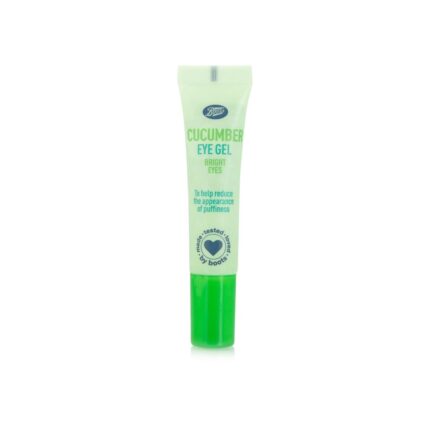 Sale
SaleOriginal price was: ৳ 700.00.৳ 550.00Current price is: ৳ 550.00.
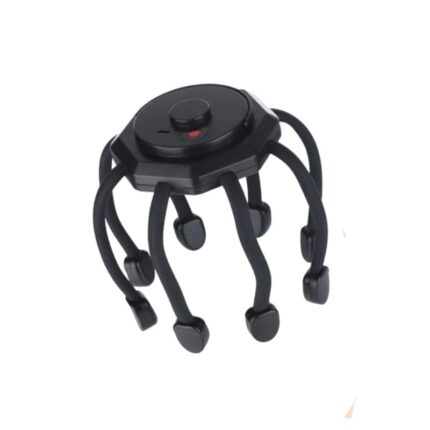
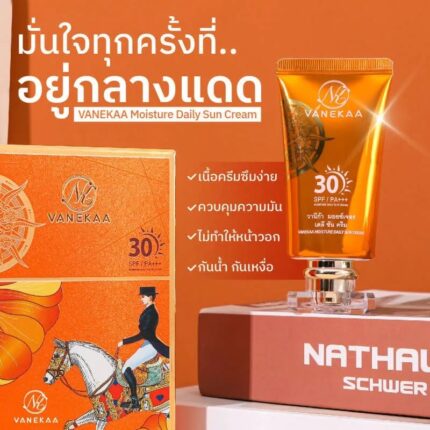 Sale
SaleOriginal price was: ৳ 650.00.৳ 480.00Current price is: ৳ 480.00.
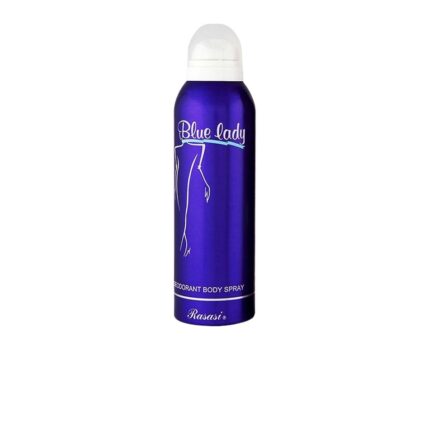 Sale
SaleOriginal price was: ৳ 600.00.৳ 450.00Current price is: ৳ 450.00.
Why Shoppers See This Baikal Skullcap Ingredient
The baikal skullcap ingredient has become popular because it fits several shopper needs. People want formulas that feel gentle, support visible calm, and help defend against daily stress. Studies show skullcap root contains several compounds that may support these goals.
Because online shoppers often compare many products at once, ingredient names can shape buying choices. Scutellaria Baicalensis Root Extract sounds technical, yet its main appeal is simple. It may help formulas target dullness, redness, and oxidative stress.
Why beauty brands use it
Beauty brands often include Scutellaria Baicalensis Root Extract in products made for stressed-looking skin. The ingredient pairs well with humectants, which pull water into the skin. It also appears in formulas with niacinamide, green tea, panthenol, and licorice root.
For example, a calming serum may use it with glycerin for comfort and moisture. A night cream may pair it with peptides for smoother-looking skin. This means the final result depends on the whole formula.
Why wellness brands use it
Wellness brands may include skullcap root in capsules, teas, or liquid drops. Research indicates that its flavonoids have antioxidant activity in lab settings. However, supplement effects depend on dose, quality, and personal health needs.
Since supplements reach the body in a different way than skin care, shoppers should think carefully. A cream works on the skin surface. A capsule affects digestion and may interact with medicines.
Why shoppers should stay realistic
Scutellaria Baicalensis Root Extract is not a quick fix for every concern. Still, it can support a balanced routine when the formula suits your skin or wellness goals. Results often build with steady use and good product habits.
Although many brands highlight plant extracts, no single plant can replace sunscreen, sleep, or medical care. Dermatologists recommend simple routines with proven basics first. Then, targeted botanicals can add useful support.
Key Compounds and Antioxidant Benefits
Scutellaria Baicalensis Root Extract gets much of its value from natural flavonoids. The best known include baicalin, baicalein, and wogonin. Studies show these compounds can act as an antioxidant botanical compound in controlled research settings.
Antioxidants help limit damage from free radicals. Free radicals are unstable molecules linked with pollution, UV exposure, and normal body processes. When they build up, they can affect skin tone, texture, and comfort.
Baicalin, baicalein, and wogonin
Baicalin is one of the major flavonoids in the root. Baicalein comes from a related form and often appears in studies on oxidative stress. Wogonin also draws interest because researchers study its calming and protective properties.
However, lab findings do not always match real product results. Skin penetration, formula quality, and concentration all matter. That is why a well-made product often matters more than a long ingredient story.
How antioxidants support skin
Antioxidants do not block UV rays like sunscreen. Instead, they help support the skin against stress that follows daily exposure. This means they work best as part of a routine, not as a stand-alone shield.
For example, morning use can pair well with sunscreen. Night use can fit with barrier care and moisture. Scutellaria Baicalensis Root Extract may suit both routines, depending on the product type.
Why inflammation matters
Inflammation is the body’s response to stress, injury, or irritation. Short-term inflammation helps protect the body. Yet ongoing visible redness and discomfort can make skin look tired or uneven.
Research indicates skullcap root compounds may affect pathways linked with inflammation. In skin care terms, that may support a calmer look. Still, people with chronic skin disease should seek medical advice.
Skin Care Uses and What to Expect
Many shoppers first meet Scutellaria Baicalensis Root Extract in skin care. Brands use it in products for dull, sensitive, oily, or mature-looking skin. The ingredient has a gentle image, but formula design still decides how it feels.
When used well, it may help skin look more even and less stressed. It may also support comfort after exposure to dry air or pollution. However, results vary from person to person.
For redness and visible stress
Scutellaria Baicalensis Root Extract often appears in calming formulas for visible redness. This does not mean it treats rosacea, eczema, or allergic reactions. Instead, it may help support a more settled look in cosmetic products.
Because redness has many causes, shoppers should watch patterns. If a product stings or makes redness worse, stop using it. A patch test can help reduce that risk.
For dullness and uneven tone
Oxidative stress can make skin look flat or uneven. Antioxidant support may help the skin look fresher over time. Scutellaria Baicalensis Root Extract may fit routines that target tone and daily environmental stress.
For example, a serum with vitamin C can focus on brightness. A cream with skullcap root may add comfort and support. Still, sunscreen remains the main step for preventing dark spots from UV exposure.
For aging signs
Fine lines often look worse when skin feels dry or stressed. Antioxidant-rich formulas can support a smoother look by helping protect skin from daily stress. Studies show flavonoids can help defend against oxidative damage in lab models.
However, Scutellaria Baicalensis Root Extract should not replace retinoids, sunscreen, or proven moisturizers. Instead, it can sit beside them in a gentle routine. Many shoppers like it when stronger actives feel too harsh.
For oily or blemish-prone skin
Some blemish-prone shoppers choose calming botanicals because harsh products can cause dryness. Scutellaria Baicalensis Root Extract may suit lightweight gels and serums. It may help balance the look of stressed skin without a heavy feel.
Yet acne needs more than a soothing extract. Ingredients like salicylic acid, benzoyl peroxide, or adapalene have stronger support for acne care. A dermatologist can guide stubborn or painful breakouts.
Supplement Use, Wellness, and Safety
Scutellaria Baicalensis Root Extract also appears in wellness products. Shoppers may find it in capsules, powders, teas, and liquid extracts. These products need more caution because the ingredient enters the body.
Traditional use gives the root a long history, but tradition does not replace safety checks. Research on oral use continues, and product quality can differ greatly. Since supplements can affect medicines, some people should ask a clinician first.
Common supplement forms
Capsules often offer a measured serving, which helps shoppers compare products. Liquid extracts can act faster for some users, but serving size may vary. Teas may feel gentle, yet they may provide less consistent amounts.
Because labels use different extract ratios, comparisons can feel tricky. A 10:1 extract does not always mean a better product. It only describes how much raw plant helped make the extract.
Who should be cautious
Pregnant or breastfeeding shoppers should avoid Scutellaria Baicalensis Root Extract unless a clinician approves. People with liver disease should also ask for medical guidance. Case reports have linked some herbal blends with liver concerns, though blends make cause hard to judge.
Anyone taking blood thinners, sedatives, immune medicines, or long-term prescriptions should seek advice. Natural products can still change how the body handles drugs. This means safety depends on your full health picture.
How to think about dosage
There is no single best dose for every shopper. Products differ by extract strength, plant quality, and intended use. Responsible brands give clear serving directions and warn against taking more than suggested.
When trying a supplement, start low unless your clinician suggests another plan. Track how you feel for several days. Stop use if you notice rash, stomach upset, dark urine, unusual tiredness, or other concerning signs.
Skin care safety basics
Topical Scutellaria Baicalensis Root Extract usually appears at low levels in cosmetic formulas. Many shoppers tolerate it well when the formula avoids harsh alcohols and strong fragrance. Still, any botanical can irritate sensitive skin.
Patch testing gives useful feedback before full-face use. Apply a small amount to the inner arm or behind the ear. Wait one to two days and check for redness, itching, or bumps.
How to Choose Quality Products
Choosing Scutellaria Baicalensis Root Extract products gets easier when you know what labels mean. A good label should list the ingredient clearly and show the full formula. It should also match the product claims with realistic benefits.
Price alone does not prove quality. Some low-cost products use good extracts, while some costly products rely on marketing. As a result, shoppers should focus on formula, packaging, testing, and brand clarity.
Check the ingredient list
In skin care, ingredients appear in order by amount until the one percent range. If Scutellaria Baicalensis Root Extract sits near the end, it may still help. Many plant extracts work at small levels in balanced formulas.
However, a product should not hide behind one appealing plant name. Look for support ingredients that match your goal. Glycerin, ceramides, panthenol, niacinamide, and green tea often pair well with calming care.
Match the formula to your skin
Dry skin often prefers creams, lotions, and milky serums. Oily skin may like gels, light fluids, or water-based serums. Sensitive skin usually does best with simple formulas and low fragrance.
When your skin barrier feels damaged, avoid stacking too many strong actives. Use a gentle cleanser, moisturizer, and sunscreen first. Then add Scutellaria Baicalensis Root Extract once your skin feels stable.
Review supplement quality signs
For supplements, look for clear plant identity and serving size. Better labels may name the plant part as root. They may also state standard compounds, such as baicalin, when relevant.
Because supplements vary, third-party testing can add confidence. Testing may check identity, heavy metals, microbes, or label accuracy. Avoid brands that make disease treatment claims or promise instant results.
Choose smart packaging
Light, heat, and air can affect many botanical compounds. Dark bottles, airless pumps, and tight caps can help protect formulas. This matters most for serums and creams used over several months.
Store products away from a hot car or sunny window. Close lids right after use. If smell, color, or texture changes, replace the product.
How to Use It in a Daily Routine
Scutellaria Baicalensis Root Extract fits many routines because it is usually a support ingredient. It can work in morning or evening products. The best timing depends on the formula and your other steps.
When adding a new product, change only one thing at a time. This helps you notice what improves or irritates your skin. It also keeps your routine easier to follow.
Morning routine tips
In the morning, cleanse gently or rinse with water if your skin feels dry. Apply a serum or moisturizer with Scutellaria Baicalensis Root Extract next. Finish with broad-spectrum sunscreen every day.
Because antioxidants support defense against daily stress, morning use can make sense. Still, sunscreen does the main protective work. No botanical extract replaces it.
Evening routine tips
At night, use the extract after cleansing and before a heavier cream. If the product already feels rich, it can be your last step. Your skin should feel comfortable, not tight or sticky.
When you use retinol or acids, go slowly. A calming botanical may help your routine feel easier. However, irritation means you should reduce strong actives, not add more layers.
How often to use it
Many cosmetic products with Scutellaria Baicalensis Root Extract can be used daily. Start three or four times per week if your skin reacts easily. Increase only when your skin stays calm.
Visible changes may take several weeks because skin renews over time. Hydration can look better sooner if the formula includes good moisturizers. Tone and texture usually need more patience.
Layering with other ingredients
Scutellaria Baicalensis Root Extract often layers well with niacinamide, hyaluronic acid, ceramides, and peptides. These ingredients support moisture, barrier strength, and smoother texture. Together, they can create a routine that feels gentle.
Be careful when layering many botanicals with acids, retinoids, or strong vitamin C. More ingredients do not always mean better results. Instead, choose a few steps that solve your main concern.
Myths, Limits, and Smart Expectations
Scutellaria Baicalensis Root Extract has real research interest, but marketing can stretch the story. Shoppers should separate helpful support from exaggerated claims. A balanced view helps you buy better products.
Studies show many plant extracts can affect antioxidant pathways in lab tests. However, human skin and digestion are more complex. Product form, dose, and consistency shape the real outcome.
Myth: natural always means safe
Natural ingredients can still cause allergies, irritation, or drug interactions. Poison ivy is natural, yet it can harm skin. This simple fact explains why patch tests and supplement caution matter.
Although Scutellaria Baicalensis Root Extract may suit many people, it will not suit everyone. Sensitive shoppers should introduce it slowly. Supplement users should respect serving limits and medical advice.
Myth: more extract works better
A higher amount does not always improve results. Stronger extracts can increase irritation risk, especially in leave-on products. A balanced formula often performs better than a formula overloaded with one plant.
Because skin care depends on many factors, support ingredients need the right base. Texture, pH, preservatives, and delivery system all matter. A pleasant product also encourages regular use.
Myth: one ingredient solves everything
No single ingredient can handle dryness, acne, dark spots, wrinkles, and redness alone. Scutellaria Baicalensis Root Extract may support calm and antioxidant care. Yet it works best inside a routine with proven basics.
For skin, those basics include cleansing, moisturizing, and sun protection. For wellness, they include sleep, food quality, movement, and medical care when needed. Botanicals can support those habits, not replace them.
How it compares with other botanicals
Green tea, licorice, centella, chamomile, and turmeric also appear in calming products. Each plant brings a different mix of compounds. Scutellaria Baicalensis Root Extract stands out for baicalin, baicalein, and wogonin.
However, comparison should focus on your skin response. One person may love centella, while another prefers skullcap root. The best ingredient is the one your skin tolerates and your routine supports.
What Labels and Claims Really Mean
Product claims can help, but they can also confuse shoppers. Words like calming, antioxidant, brightening, or barrier support have broad meanings. They do not always prove a product will match your needs.
When a label highlights Scutellaria Baicalensis Root Extract, look for context. The brand should explain why it included the extract. It should also avoid claims that sound like disease treatment.
Cosmetic claims versus drug claims
Cosmetic products can claim they improve the look or feel of skin. They cannot claim to cure medical conditions without drug approval. This means a cream may say it reduces visible redness, not that it treats rosacea.
Because shoppers often search by concern, brands sometimes use careful wording. Read claims with that difference in mind. If you need treatment, ask a licensed professional.
Standardized extract claims
Some products say their extract is standardized to a certain compound. This means the maker targets a set level of that marker. In skullcap root, baicalin often serves as one marker.
Standardization can help consistency, especially in supplements. However, it does not guarantee better results for every person. The full formula and quality controls still matter.
Clean beauty claims
Clean beauty has no single legal meaning across the market. One brand may focus on banned ingredients, while another may focus on sourcing. As a result, clean claims need careful reading.
Scutellaria Baicalensis Root Extract can fit clean beauty formulas, but that does not make every product gentle. Fragrance, essential oils, acids, or poor preservation can still bother skin. Judge the whole product, not the trend label.
Buying Tips for General Online Shoppers
Online shopping makes comparison easy, yet it can hide key details. Photos may not show texture, scent, or full ingredient lists. Reviews can help, but they do not replace careful label reading.
Before buying Scutellaria Baicalensis Root Extract products, decide your main goal. Do you want calmer-looking skin, antioxidant support, or a wellness supplement? A clear goal prevents random purchases.
Read reviews the right way
Helpful reviews describe skin type, product use, and time frame. They explain whether the product caused stinging, breakouts, dryness, or comfort. Short reviews with only praise offer less value.
However, one bad review does not mean the product is poor. Skin varies widely. Look for repeated patterns across many reviews instead.
Compare the full routine cost
A serum may look affordable until you need several extra products. A cream may cost more but replace two steps. So compare cost per use, not only the product price.
Products with Scutellaria Baicalensis Root Extract often fall into calming or antioxidant categories. If you already own similar products, avoid buying duplicates. A simpler routine often gives clearer results.
Watch for red flags
Avoid products that promise to cure acne, eczema, liver disease, or anxiety. These claims go beyond normal cosmetic or supplement language. They may signal weak quality control or risky marketing.
Also be cautious with hidden ingredient lists. A trustworthy brand should make the full label easy to find. If you cannot check it before buying, choose another option.
Plan a fair trial
Give a skin care product enough time to show results. Many shoppers judge too soon, especially with calming or tone products. Four to eight weeks often gives a fairer view.
Still, do not push through burning, swelling, hives, or strong irritation. Stop the product and seek help if symptoms concern you. Comfort matters more than finishing a bottle.
Frequently Asked Questions
Is Scutellaria Baicalensis Root Extract good for sensitive skin?
Scutellaria Baicalensis Root Extract may suit sensitive skin when the formula is gentle. However, fragrance, acids, or other actives can still cause irritation. Patch test first and add it slowly.
Can I use it with vitamin C or retinol?
Yes, many people use Scutellaria Baicalensis Root Extract with vitamin C or retinol. Since strong actives can irritate skin, start slowly and watch your response. Use sunscreen every morning.
Does it brighten dark spots?
Scutellaria Baicalensis Root Extract may support a more even-looking tone through antioxidant care. It should not replace sunscreen or proven brightening ingredients. Dark spots often need consistent protection and time.
Is the supplement form safe for everyone?
No, supplement forms are not right for everyone. Pregnant or breastfeeding people, those with liver concerns, and people on medicines should ask a clinician first. Stop use if unusual symptoms appear.
Final Thoughts
Scutellaria Baicalensis Root Extract is best viewed as a supportive botanical for calm-looking skin and antioxidant care. It works most reliably when the full formula, safety habits, and expectations make sense. Choose clear labels, patch test new skin care, and ask a professional before using supplements.