
Pyruvic Acid: Skin Benefits, Uses, and Safety

Sensitive skin needs gentle solutions that deliver visible results without harm. Pyruvic Acid appears across skincare as a versatile exfoliant and acne aid. Many shoppers ask how this keto acid works and whether it fits their routine.
What is Pyruvic Acid?
Pyruvic Acid is a simple organic acid produced in the body during metabolism. For skincare, manufacturers make a purified form that acts on the top skin layers. Research indicates this acid can help remove dead skin cells and boost cell turnover.
For example, scientists classify it as an alpha-keto acid, a type of molecule that carries both a ketone and an acid group. As a result, it behaves differently than common alpha hydroxy acids. Dermatologists recommend it for specific exfoliating treatments in clinical settings.
Recommended Products
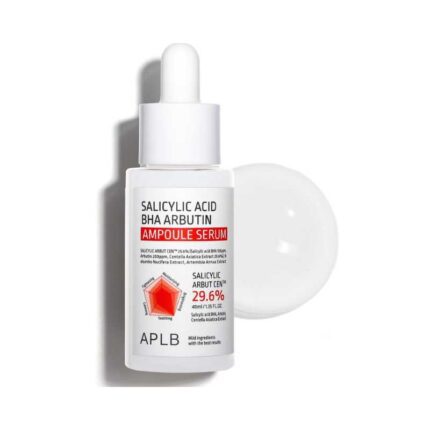 Sale
SaleOriginal price was: ৳ 1,300.00.৳ 910.00Current price is: ৳ 910.00.
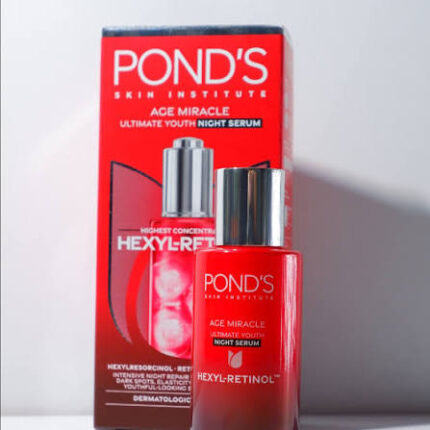 Sale
SaleOriginal price was: ৳ 2,000.00.৳ 1,950.00Current price is: ৳ 1,950.00.
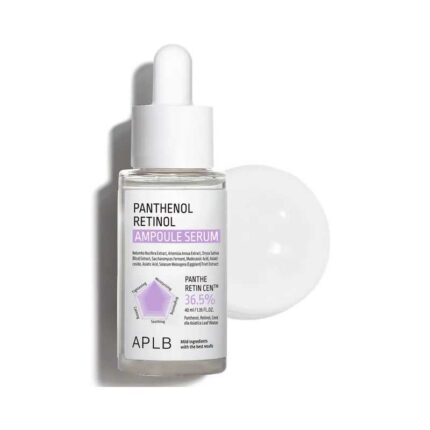 Sale
SaleOriginal price was: ৳ 1,300.00.৳ 910.00Current price is: ৳ 910.00.
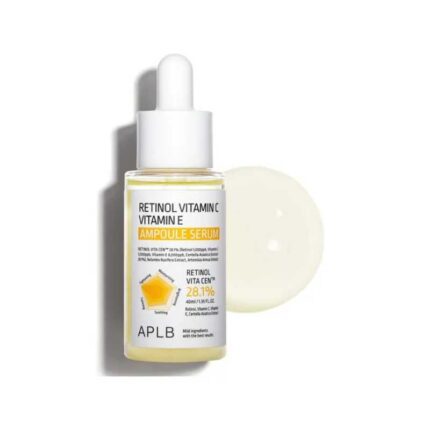 Sale
SaleOriginal price was: ৳ 1,300.00.৳ 910.00Current price is: ৳ 910.00.
How Pyruvic Acid Works on Skin
When applied, Pyruvic Acid loosens the bonds between dead skin cells so the skin sheds more easily. This process clears clogged pores and smooths texture over time. Studies show increased cell turnover leads to a fresher skin surface after consistent use.
Because it has both acidic and keto properties, Pyruvic Acid penetrates the skin differently than typical acids. That is why it can reach deeper layers and act on oilier skin types. Research indicates it also triggers mild inflammation that prompts repair mechanisms.
Pyruvic Acid vs Other Acids
People often compare Pyruvic Acid to glycolic and salicylic acids. While glycolic is an alpha hydroxy acid that works on surface layers, Pyruvic Acid penetrates deeper due to its keto group. Salicylic acid targets oil and pore buildup, and Pyruvic Acid sometimes complements that action.
For acne-prone skin, Pyruvic Acid can act as an alternative when other acids cause irritation. Dermatologists recommend patch testing to find the right concentration for personal tolerance. Research indicates different acids suit different skin concerns, so product choice matters.
Key Benefits for Skin
Pyruvic Acid provides several benefits when used correctly and at proper concentrations. It exfoliates dead skin, unclogs pores, refines texture, and may reduce some types of acne. Studies show patients often see smoother skin and fewer comedones after a series of treatments.
Additionally, this ingredient can improve the appearance of sun-damaged areas and uneven tone. When combined with proper sun protection, results last longer. For many users, a clear complexion improves self-confidence and makes makeup apply more smoothly.
Who Can Use Pyruvic Acid?
People with oily and combination skin often respond well to Pyruvic Acid. Those with sensitive or rosacea-prone skin should approach cautiously. For safety, consult a dermatologist when unsure about adding stronger acids to a routine.
Because concentrations vary, clinicians sometimes use higher strength in-office while brands sell weaker home formulations. That means a product that works for one person may irritate another. For this reason, start with a low concentration and increase only with clear tolerance.
Common Concentrations and Forms
Over-the-counter products often contain milder forms or lower percentages of Pyruvic Acid. Clinics use stronger peels under supervision with protective measures and neutralizing steps. Research indicates controlled clinical peels produce more dramatic results than home use.
Typically, formulations include Pyruvic Acid mixed into liquids, gels, or pads for application. Some products pair it with soothing ingredients to reduce irritation. For example, brands might add calming agents to balance the acid’s effect.
How to Use Pyruvic Acid at Home
Start by cleansing the skin and doing a small patch test behind the ear or on the jawline. If no strong reaction appears after 24 to 48 hours, proceed with a cautious first application. That method reduces the risk of widespread irritation.
Apply a thin, even layer to dry skin and leave for the time recommended on the product label. Rinse thoroughly and follow with a gentle moisturizer. Because the skin becomes more sensitive to sunlight, always use a broad-spectrum sunscreen daily.
Step-by-Step Home Routine
First, cleanse with a mild, non-stripping cleanser to remove surface oils. Next, apply the Pyruvic Acid product as directed and avoid mixing with other actives initially. Finally, moisturize and protect the skin from sun exposure to support healing.
When incorporating other actives later, introduce them slowly and not on the same day as the acid. For example, wait 48 hours before using retinoids or vitamin C. This approach lowers the chance of over-exfoliation and irritation.
Professional Treatments with Pyruvic Acid
Clinicians use higher concentrations of Pyruvic Acid in office peels to address acne scars and texture issues. These treatments often include pre- and post-care to protect the skin barrier. Studies show professional peels can improve certain scar types and pigment irregularities over a series of sessions.
During a clinic peel, the provider monitors the skin and neutralizes the acid as needed. That monitoring keeps the treatment controlled and safer than unsupervised high-strength use. Patients usually need several sessions spaced weeks apart for best results.
What to Expect During a Clinic Peel
First, the practitioner cleans the skin and may apply a protective base in sensitive areas. Then they apply Pyruvic Acid, observing the skin for uniform response. After the peel, they may apply calming products and advise on sun avoidance for recovery.
Healing time varies with concentration and individual skin. Some redness and peeling are normal, and most patients recover within a week or two. For deeper peels, downtime may last longer and require more intensive aftercare.
Pyruvic Acid for Acne
Many people seek Pyruvic Acid as an acne-fighting option because it clears clogged pores and reduces oil buildup. Dermatologists sometimes describe it as a useful acne treatment compound for stubborn cases. Research indicates that acids which boost turnover can lower the number of breakouts over time.
For inflammatory acne, pairing Pyruvic Acid with medical treatments often yields better outcomes than using acids alone. For example, a dermatologist may combine it with topical antibiotics or retinoids under supervision. That means the acid supports, rather than replaces, medical acne care.
How It Helps Different Acne Types
When dealing with blackheads and whiteheads, Pyruvic Acid can help by shedding dead cells and clearing pore blockages. For inflamed papules and pustules, it may reduce pore congestion and lower the chance of new lesions. However, severe cystic acne usually needs prescription treatments beyond acids.
That is why a professional assessment matters before relying on over-the-counter acids for moderate to severe acne. A tailored plan often blends chemical exfoliation with medications for clearer skin. Patients should track progress and adjust with a clinician’s input.
Side Effects and How to Avoid Them
Mild redness, stinging, and temporary peeling commonly follow Pyruvic Acid use. More severe reactions like blistering or prolonged irritation are rare but possible, especially with high concentrations. Always stop use and consult a professional if severe symptoms occur.
To reduce risk, patch test, start with lower concentrations, and avoid combining strong actives without guidance. For example, do not use multiple exfoliants the same day. Sunscreen use is crucial because the skin remains sensitive after acid treatments.
Signs of Overuse
Overuse may cause persistent redness, tightness, or a burning feeling that does not subside. If skin develops open sores or extreme pain, seek medical advice promptly. That reaction signals the skin barrier may be compromised and needs professional care.
Instead of guessing, pause active treatments and restore the barrier with gentle moisturizers and barrier-repair ingredients. Let the skin calm before reintroducing any acid, and consult a clinician for a safer plan. This method protects long-term skin health and reduces scarring risk.
Compatibility with Other Ingredients
Pyruvic Acid can pair well with hydrating and calming ingredients that support recovery. For example, hyaluronic acid and ceramides help restore moisture and barrier function. Research indicates combining acids with soothing agents often improves tolerability.
However, avoid mixing it immediately with strong retinoids or other acids without professional guidance. That combination raises the chance of irritation and inflammation. Instead, stagger use and monitor skin response closely.
Choosing the Right Product
Look for products that clearly list concentration and recommended contact time. Lower percentages suit beginners and sensitive skin, while clinics use higher strengths under supervision. Dermatologists recommend transparent labeling and clear instructions for safety.
Also consider product format, such as a buffered solution or a pre-soaked pad, which may affect ease of use. Read reviews and follow professional advice rather than relying solely on claims. That caution reduces the chance of mismatched expectations and irritation.
What to Check on Labels
Check for pH information, concentration, and any added soothing ingredients. A moderate pH ensures the acid works effectively without excessive irritation. When labels omit this data, treat the product with extra caution and start with a short contact time.
If product packaging lacks clear guidance, seek a brand with transparent instructions and customer support. That choice helps you use the acid safely and gain the intended benefits. Good packaging often reflects better formulation standards.
Pyruvic Acid in Different Skin Types
Oily skin often tolerates Pyruvic Acid better than dry skin because oil helps buffer irritation. Dry and sensitive types may experience more peeling or tightness and need lower concentrations. For that reason, professionals often tailor treatment strength by skin type.
Combination skin can benefit when applying the acid only to oilier zones. For example, spot treating the T-zone reduces risk for dry cheeks. This targeted approach gives benefits without stressing dryer areas unnecessarily.
Realistic Timelines for Results
Expect gradual improvement over several weeks with consistent, safe use of Pyruvic Acid. Some visible smoothing may occur after a few applications, but lasting change often needs weeks of repeated use. Clinical peels may show faster results, but they require downtime and professional oversight.
Patience matters because skin renewal takes time and varies by age and condition. Track progress with photos to see subtle changes that daily observation might miss. This practice helps evaluate product effectiveness without overreacting to natural fluctuations.
Cost and Accessibility
Home products with Pyruvic Acid vary widely in price and formulation. Clinic peels typically cost more and include professional monitoring. Research indicates supervised treatments can be more effective, which explains the price difference for some patients.
When shopping, balance cost with product transparency and safety features. Cheaper products may omit critical information, increasing risk. That is why reading labels and checking return policies matters when buying stronger actives.
Myths and Misconceptions
One common myth claims Pyruvic Acid permanently thins the skin. While acids can temporarily affect the outer layer, proper use supports renewal without long-term thinning. Dermatologists note that damage occurs from misuse, not from appropriate, guided use.
Another misconception says acids always cause long-lasting sensitivity. In most cases, sensitivity subsides after the skin adapts or after treatments stop. Still, take steps to protect the skin barrier and avoid unnecessary risk.
Safety for Pregnant or Nursing People
Data on Pyruvic Acid in pregnancy and breastfeeding are limited, so avoid high-strength peels during these times. Healthcare providers often recommend conservative skincare choices for pregnant and nursing people. That cautious stance aims to minimize unknown risks to mother and child.
If a person is pregnant and considering acid treatments, consult an obstetrician or dermatologist first. They can suggest safer options until more evidence becomes available. This approach keeps routines aligned with current medical guidance.
How to Phase Into a New Routine
Introduce Pyruvic Acid slowly, once or twice a week, and observe the skin for two weeks before increasing frequency. If tolerance is good, raise use gradually based on the product instructions. That steady approach reduces the chance of over-exfoliation.
Keep other strong actives out of the routine at first, and then add them one at a time. Record any reactions and adjust accordingly. Doing so builds a sensible regimen that fits your skin type and goals.
Environmental and Storage Tips
Store acid products in a cool, dark place to preserve potency and reduce degradation. Heat and light can lower effectiveness over time. Manufacturers often recommend sealed packaging and storage away from direct sunlight.
Discard any product that changes color, smell, or clarity, as those signs indicate instability. Using unstable formulations can increase irritation risk. Instead, replace the item or consult the brand for guidance.
Comparing Brands and Quality
Brand reputation matters when buying active ingredients like Pyruvic Acid. Look for transparency about concentration and manufacturing standards. Clinical backing or third-party testing often signals higher quality and safety.
For higher-strength peels, prefer licensed clinics with trained staff. That ensures proper handling and monitoring during treatment. Review credentials and ask questions before booking to ensure a qualified experience.
Environmental Impact and Sourcing
Some consumers care about ingredient sourcing and environmental impact when choosing skin treatments. While Pyruvic Acid can be synthesized safely, product transparency helps verify sustainable practices. Brands that report sourcing and testing methods often earn more trust from shoppers.
When sustainability matters, seek products with clear statements about production and packaging. That choice supports responsible consumption and may reflect better company standards. Still, focus on safety and efficacy first when selecting active treatments.
Case Studies and Clinical Observations
Clinicians often report improvement in acne and texture after series of Pyruvic Acid peels. For instance, patients with comedonal acne typically see fewer clogged pores after treatment. Research indicates combined strategies usually outperform single approaches for complex cases.
Case notes reveal that personalized care, including pre- and post-care routines, improves comfort and outcomes. That observation supports the idea that professional oversight enhances both safety and effectiveness. Patients should ask providers about expected recovery and follow-up plans.
Product Types to Consider
Decide between home-use products and professional peels based on goals and tolerance. Home products suit maintenance and mild concerns while clinic treatments fit deeper issues. Research indicates many people benefit from a blend of home care and occasional professional peels.
Always read and follow product directions closely, and keep emergency contact information for your provider. That step prepares you for unexpected reactions. Prepared users find it easier to manage recovery if a reaction occurs.
Signs You Should See a Dermatologist
If irritation persists beyond a reasonable healing period, or if acne worsens, schedule a dermatologist visit. Severe reactions like large blisters or infections need immediate care. A professional can adjust treatment and recommend safer alternatives.
Also consult a specialist before attempting high-strength peels at home. That precaution prevents complications and saves time in the long run. Experts can provide a tailored plan that matches skin type and treatment goals.
Frequently Asked Questions
Is Pyruvic Acid safe for daily use?
Daily use is usually too frequent for most concentrations and may cause irritation. Start with once or twice weekly and increase only if skin shows clear tolerance. For higher-strength products, professional guidance is recommended.
Can Pyruvic Acid help reduce acne scars?
It can improve texture and superficial scarring after several treatments. Deeper scars often need more intensive procedures like microneedling or laser therapy. A dermatologist can recommend the best combination for scar reduction.
Will Pyruvic Acid cause permanent skin damage?
Proper use rarely causes permanent damage, but misuse can harm the skin barrier. Avoid high concentrations without supervision and follow post-care instructions to support healing. Seek prompt care if severe reactions occur.
How soon will I see results from Pyruvic Acid?
Some smoothing appears within weeks, while meaningful change often needs several weeks to months. Clinical peels show faster improvement but involve more downtime. Track progress with photos and follow a consistent routine for best results.
Final Thoughts
Pyruvic Acid offers powerful exfoliation and acne support when used sensibly and with guidance. For best results, start low, protect the skin with sunscreen, and consult a professional for stronger treatments. Consider your skin type and goals, and use Pyruvic Acid as part of a balanced skincare plan that emphasizes safety and steady progress.