
Pichia Ferment Lysate Filtrate: Skin Benefits

Skin can look tired even when you sleep well and use a careful routine. Pichia Ferment Lysate Filtrate appears in many modern serums, creams, and masks because shoppers want smoother, stronger-looking skin. This ingredient may sound technical, yet its role becomes simple once you understand fermentation.
What Is Pichia Ferment Lysate Filtrate?
Pichia Ferment Lysate Filtrate is a skin care ingredient made from fermented yeast material. Pichia refers to a group of yeasts, while ferment describes the process that changes the yeast. Lysate means broken-down material, and filtrate means the formula contains the filtered liquid portion.
Because fermentation breaks larger compounds into smaller parts, cosmetic chemists often use it to create skin-friendly extracts. Research on fermented ingredients shows they can contain amino acids, minerals, peptides, and other support compounds. This means Pichia Ferment Lysate Filtrate may help skin feel more hydrated and resilient.
Why fermentation matters
Fermentation uses microorganisms to transform raw material into a more useful form. For example, yeast can release small compounds that support moisture and comfort. Studies show fermented cosmetic ingredients may improve how skin feels, especially when formulas also include humectants.
However, fermentation does not make every ingredient magical. The final benefit depends on the yeast strain, the process, and the finished formula. That is why Pichia Ferment Lysate Filtrate works best when it sits in a well-made product.
What the name tells shoppers
The ingredient name gives useful clues if you read it slowly. Pichia points to the yeast source, ferment points to the process, and lysate filtrate points to the filtered result. As a result, Pichia Ferment Lysate Filtrate belongs to the wider group of fermented skin care ingredients.
Many shoppers compare it with other ferments, such as rice ferment, lactobacillus ferment, or galactomyces ferment. Each one has a different source and chemical profile. Still, they often share a focus on hydration, barrier support, and a smoother skin look.
Recommended Products
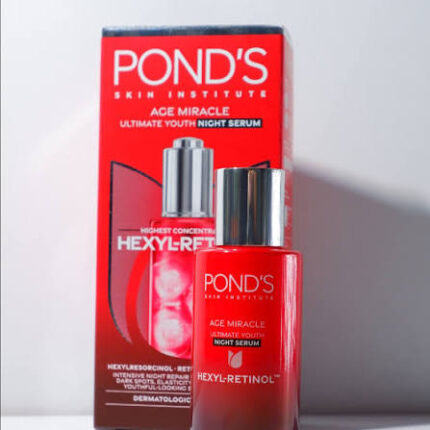 Sale
SaleOriginal price was: ৳ 2,000.00.৳ 1,950.00Current price is: ৳ 1,950.00.
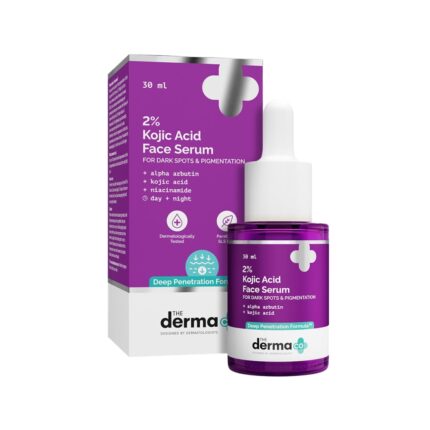 Sale
SaleOriginal price was: ৳ 1,350.00.৳ 990.00Current price is: ৳ 990.00.
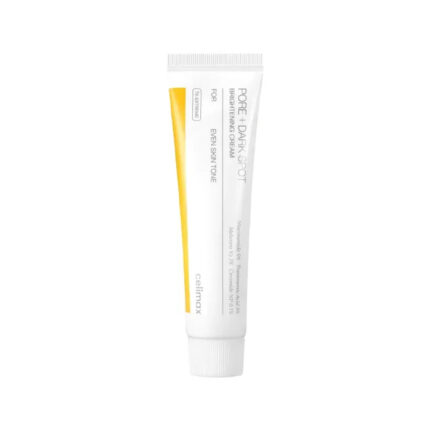 Sale
SaleOriginal price was: ৳ 1,790.00.৳ 1,590.00Current price is: ৳ 1,590.00.
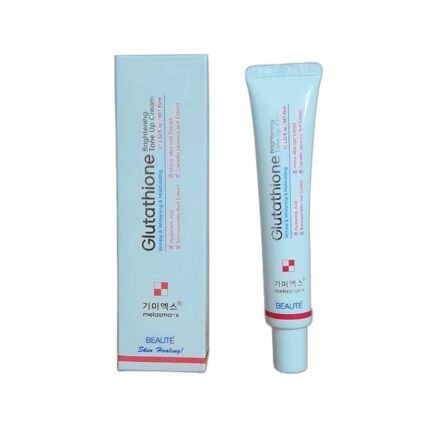 Sale
SaleOriginal price was: ৳ 1,250.00.৳ 950.00Current price is: ৳ 950.00.
Pichia Ferment Lysate Filtrate Benefits
Pichia Ferment Lysate Filtrate usually appears in products that target dryness, dullness, and visible stress. Dermatologists often recommend barrier-friendly routines because a healthy barrier helps skin hold water. This ingredient may support that goal when brands pair it with gentle moisturizers.
Because shoppers often want clear results, it helps to set fair expectations. Pichia Ferment Lysate Filtrate will not replace sunscreen, retinoids, or prescription care. Instead, it can help a formula feel more soothing and supportive.
Hydration and barrier comfort
Healthy skin needs water and oil balance. When the barrier feels weak, skin may look rough, tight, or flaky. Pichia Ferment Lysate Filtrate may support a more comfortable feel by adding ferment-derived compounds to the formula.
For example, amino acids can help skin hold water on the surface. Many fermented ingredients contain amino acid-like materials after the breakdown process. This means the ingredient may pair well with glycerin, hyaluronic acid, and panthenol.
Antioxidant support
Daily light exposure and pollution can make skin look dull. Antioxidants help defend the look of skin against visible stress from the environment. Some brands describe Pichia Ferment Lysate Filtrate as an antioxidant repair compound in a cosmetic sense.
However, cosmetic antioxidant support does not mean medical repair. It means the formula may help reduce the look of stress and fatigue. Research indicates yeast-derived materials can contain compounds that support this kind of cosmetic defense.
Smoother texture and glow
Uneven texture often comes from dryness, dead skin buildup, or irritation. When a formula improves moisture, skin can reflect light more evenly. As a result, Pichia Ferment Lysate Filtrate may help skin look fresher over time.
The effect should feel gradual rather than instant. Most shoppers notice comfort first, then smoother texture with steady use. Because skin cycles take time, give a new product several weeks before judging results.
How This Yeast Derived Ferment Ingredient Works
A yeast derived ferment ingredient can sound complex, but its basic job is simple. It adds small, skin-friendly compounds that may support moisture and comfort. Pichia Ferment Lysate Filtrate fits this category because yeast fermentation creates the filtered lysate.
Cosmetic science often studies ferments for their mix of amino acids, sugars, minerals, and bioactive fragments. These parts can help formulas feel more nourishing. Since the ingredient works through support, it suits shoppers who prefer gentle daily care.
It supports the skin barrier
The skin barrier acts like a wall that helps keep water in. When that wall weakens, dryness and stinging often follow. Pichia Ferment Lysate Filtrate may help a product support that wall through hydration and conditioning.
Dermatologists often point to barrier care as a first step for sensitive or dry skin. Gentle cleansers, moisturizers, and sunscreen form the core of that approach. A ferment ingredient can add another layer of cosmetic support.
It helps formulas feel elegant
Many shoppers stop using products that feel sticky, heavy, or greasy. Ferment filtrates often blend well into light serums and watery essences. This means Pichia Ferment Lysate Filtrate can fit products made for daily use.
Texture matters because consistent use drives results. If a serum feels pleasant, you will likely use it more often. That is why brands often place this ingredient in products meant for morning and night routines.
It may calm the look of stress
Skin can look stressed after travel, poor sleep, harsh weather, or over-exfoliation. A supportive ferment can help a formula soften that tired look. Pichia Ferment Lysate Filtrate may help skin appear calmer when the full product suits your skin.
Still, do not expect it to treat rashes, eczema, or active skin disease. Those concerns need medical advice from a qualified professional. For general dryness and dullness, though, this ingredient can make sense.
Who Should Consider This Ingredient?
Pichia Ferment Lysate Filtrate suits many general online shoppers because it focuses on support rather than harsh action. It does not exfoliate like acids or stimulate turnover like retinoids. Therefore, many people can explore it without changing their whole routine.
Skin type still matters. A person with oily skin may prefer a light serum, while dry skin may need a richer cream. Because formulas vary, the finished product matters as much as the ingredient name.
Dry or dehydrated skin
Dry skin lacks oil, while dehydrated skin lacks water. Both can look dull, tight, and lined. Pichia Ferment Lysate Filtrate may help when a product also contains proven moisture helpers.
Look for glycerin, squalane, ceramides, urea, or hyaluronic acid near this ferment. These ingredients support moisture in different ways. As a result, the product can feel more complete for dry skin.
Dull or tired-looking skin
Dull skin often needs hydration, gentle exfoliation, and daily sun protection. Pichia Ferment Lysate Filtrate can support glow by improving the look of comfort and surface smoothness. However, it will not remove dark spots on its own.
For discoloration, shoppers often look for niacinamide, vitamin C, azelaic acid, or retinoids. Those ingredients target uneven tone more directly. Still, a ferment can help your routine feel less drying.
Sensitive or easily stressed skin
Sensitive skin needs simple formulas and slow testing. Pichia Ferment Lysate Filtrate may work well in gentle products with few fragrance materials. Since irritation can come from many sources, the whole ingredient list deserves attention.
Dermatologists recommend patch testing when your skin reacts often. Apply a small amount near the jaw or behind the ear for several days. If your skin stays calm, then try the product on your face.
How to Read Product Labels
Pichia Ferment Lysate Filtrate can appear in serums, essences, moisturizers, eye creams, and sheet masks. Ingredient lists usually show items in order of amount, from highest to lowest. This rule helps shoppers guess how central the ingredient may be.
However, low placement does not always mean no value. Some ingredients work at small levels, and brands choose amounts for texture and stability. Still, if Pichia Ferment Lysate Filtrate appears near the very end, expect a supporting role.
Check the ingredient neighborhood
The nearby ingredients often reveal the product goal. If you see glycerin, betaine, and hyaluronic acid, the formula likely targets hydration. If you see niacinamide and antioxidants, it may target tone and daily stress.
Pichia Ferment Lysate Filtrate works well in both types of formulas. The key is whether the full product matches your main concern. So read the label as a story, not as one single hero ingredient.
Watch for possible irritants
Fragrance, essential oils, and strong exfoliating acids can bother some users. They do not bother everyone, but sensitive skin should stay alert. Because Pichia Ferment Lysate Filtrate often appears in soothing products, harsh extras may defeat the purpose.
Alcohol can also feel drying in some products, especially when it sits high on the list. Yet not every alcohol acts the same way. Fatty alcohols, such as cetyl alcohol, often help creams feel smooth.
Understand claims and wording
Beauty labels often use broad words like renewal, repair, and defense. In cosmetics, these claims usually describe appearance, feel, or surface support. Pichia Ferment Lysate Filtrate can fit those claims without acting like a drug.
Research supports the value of antioxidants and hydration for better-looking skin. Still, no cosmetic ingredient can promise perfect results for every person. That is why careful shoppers compare claims with the full formula.
How to Use It in Your Routine
Pichia Ferment Lysate Filtrate fits easily into most routines because it usually feels gentle. Use it after cleansing and before heavier creams if it comes in a serum. When it appears in a moisturizer, use it near the end of your routine.
Most brands suggest daily use, but your skin should guide the pace. Start once a day if your skin reacts easily. Then increase use when your skin feels calm and steady.
Morning routine
Morning skin care should protect and support the skin. Cleanse gently, apply your serum or essence, then use moisturizer if needed. After that, sunscreen should finish the routine every day.
Pichia Ferment Lysate Filtrate can make sense in the morning because it supports comfort under sunscreen. A light product may also help makeup sit better. Since sunscreen does the main protective work, never skip it for a ferment serum.
Night routine
Night routines can focus on comfort and recovery from daily stress. Cleanse well, apply your treatment steps, and seal with moisturizer. Pichia Ferment Lysate Filtrate may help reduce the look of dryness by morning.
If you use retinol or exfoliating acids, place the ferment product in a calming step. Many people use it before moisturizer to buffer dryness. However, stop layering actives if your skin starts to sting or peel.
How often to apply it
Many people can use Pichia Ferment Lysate Filtrate once or twice daily. The right schedule depends on the product base and your skin type. For example, a watery essence may suit twice daily use better than a rich cream.
Consistency matters more than using a large amount. Apply a thin, even layer and give it time to settle. If pilling happens, use less product or wait longer between layers.
How It Compares With Other Ferments
Pichia Ferment Lysate Filtrate belongs to a broad family of fermented beauty ingredients. Shoppers may also see bifida ferment lysate, galactomyces ferment filtrate, saccharomyces ferment, and lactobacillus ferment. Each one starts from a different source and may offer a different feel.
Studies show fermented ingredients can vary greatly by source and production method. This means two ferments may not perform the same way. So compare finished products rather than judging by the word ferment alone.
Pichia versus bifida ferment
Bifida ferment lysate often appears in products for barrier care and resilience. Pichia Ferment Lysate Filtrate may aim for a similar support role, though the source differs. Both can fit gentle routines when the formula avoids harsh extras.
Some shoppers love bifida because many popular serums use it. Others prefer trying pichia because it appears in newer formulas. The best choice depends on your skin response and product texture.
Pichia versus galactomyces
Galactomyces ferment filtrate often appears in brightening and essence-style products. It gained fame through lightweight Asian beauty routines. Pichia Ferment Lysate Filtrate may feel more focused on hydration, comfort, and antioxidant support.
However, brands can design both ingredients for similar goals. If you want glow, compare the supporting ingredients first. Niacinamide, humectants, and sunscreen habits often shape visible results more than ferment type alone.
Pichia versus simple humectants
Simple humectants, such as glycerin, pull water into the skin surface. They have strong support from cosmetic science and work in many formulas. Pichia Ferment Lysate Filtrate may add a broader mix of compounds beyond basic hydration.
Still, humectants remain essential for dry skin. A ferment does not replace them. Instead, the best products often combine Pichia Ferment Lysate Filtrate with proven moisture ingredients.
Safety, Side Effects, and Patch Testing
Most cosmetic users tolerate Pichia Ferment Lysate Filtrate well in properly made products. Cosmetic ingredients must meet safety rules before brands sell them in many markets. Even so, personal reactions can happen with almost any skin care ingredient.
Because ferments come from biological sources, people with very reactive skin should test first. A reaction may come from the ferment, preservative, fragrance, or another ingredient. This means you should avoid blaming one ingredient too quickly.
Possible reactions
Possible signs of irritation include burning, itching, redness, bumps, or swelling. If these signs appear, rinse the product off and stop use. Seek medical advice if symptoms feel severe or last more than a short time.
Pichia Ferment Lysate Filtrate does not usually act like a strong exfoliant. Therefore, peeling or intense stinging may point to another active in the formula. Check for acids, retinoids, or high fragrance content.
Patch testing steps
Patch testing helps you lower the risk of a full-face reaction. Apply a small amount to a discreet area once daily. Watch the spot for several days before using the product more widely.
When your skin stays calm, apply the product to a small facial area. Then increase slowly over the next week. This approach works well for Pichia Ferment Lysate Filtrate and most new skin care products.
Pregnancy and medical concerns
Pichia Ferment Lysate Filtrate does not belong to common avoid lists for pregnancy skin care. Still, pregnancy can make skin more reactive than usual. Ask your clinician if you have specific medical concerns.
People with diagnosed skin conditions should also get personal advice. Conditions like rosacea, eczema, or dermatitis can flare from many triggers. A gentle product may help comfort, but it cannot replace treatment.
Buying Tips for Online Shoppers
Online shopping makes ingredient research easier, but it also makes marketing louder. Pichia Ferment Lysate Filtrate may appear in products at many price points. Price alone does not prove strength, quality, or results.
Dermatologists often suggest matching products to your skin type and concern first. Then consider texture, fragrance, reviews, and return policy. This helps you shop with less guesswork and fewer wasted purchases.
Choose by product type
A serum may suit shoppers who want a light layer under moisturizer. An essence may suit people who enjoy watery hydration. A cream with Pichia Ferment Lysate Filtrate may suit dry skin that needs more comfort.
Sheet masks can give short-term plumpness, but they do not replace daily care. Eye creams may help dryness around the eye area. However, a well-formulated face moisturizer often works there too, if your eyes tolerate it.
Look for smart pairings
Pichia Ferment Lysate Filtrate pairs well with niacinamide, glycerin, ceramides, panthenol, and peptides. These ingredients support hydration, barrier comfort, and smoother-looking texture. Because they work through different routes, they can make a formula feel more balanced.
Be careful with products that mix too many strong actives. For example, a formula with several acids may not suit sensitive skin. Instead, choose one clear goal for each product in your routine.
Read reviews with care
Reviews can help, but they cannot predict your exact result. Look for reviews from people with your skin type, climate, and concern. Pichia Ferment Lysate Filtrate may impress dry skin users more than very oily skin users.
Also notice comments about texture and irritation. A product that pills under sunscreen may frustrate morning users. Since online photos can mislead, trust detailed usage notes more than dramatic before-and-after claims.
Common Myths About Pichia Ferment Lysate Filtrate
Skin care trends often turn useful ingredients into miracle stories. Pichia Ferment Lysate Filtrate deserves a fair view rather than hype. It can support a strong routine, but it cannot do every job.
Because shoppers see ferment claims often, confusion grows quickly. Some myths come from mixing food fermentation with cosmetic fermentation. Others come from unclear marketing language.
Myth: All ferments work the same
All ferments do not work the same. Source material, microbe type, and processing steps can change the final composition. Research indicates fermentation outcomes can vary across cosmetic ingredients.
Pichia Ferment Lysate Filtrate may share broad benefits with other ferments, yet it has its own source. That means your skin may prefer one ferment over another. Testing products one at a time gives the clearest answer.
Myth: Natural always means gentle
Natural origin does not guarantee a product will suit your skin. Many natural extracts can irritate sensitive users. At the same time, many lab-made ingredients feel very gentle.
Pichia Ferment Lysate Filtrate may come from yeast-derived material, but the full formula still matters. Preservatives, fragrance, acids, and texture agents can change tolerance. So judge the product, not only the origin story.
Myth: Ferments replace sunscreen
No ferment replaces sunscreen. Antioxidant support can help the look of stressed skin, but sunscreen reduces UV exposure. Dermatologists recommend daily broad-spectrum sunscreen as a core anti-aging step.
Pichia Ferment Lysate Filtrate may fit well under sunscreen in a morning routine. Still, sunscreen should remain the final daytime skin care step. Without it, dullness and uneven tone can worsen over time.
How Long Results May Take
Pichia Ferment Lysate Filtrate may give a soft, hydrated feel soon after application. Visible texture and glow changes usually take longer. Most cosmetic routines need steady use before results feel clear.
Skin hydration can improve quickly with the right formula. However, barrier comfort and smoother-looking texture often need repeated use. This means patience helps you judge the ingredient more fairly.
First week expectations
During the first week, focus on feel and tolerance. Your skin may feel softer, less tight, or more comfortable. Pichia Ferment Lysate Filtrate may also help a product layer smoothly under moisturizer.
If you feel burning or itching, do not push through it. Stop and check the rest of the ingredient list. Since reactions can build, early caution protects your skin barrier.
After several weeks
After several weeks, look for changes in texture, dullness, and dryness. Take photos in the same light if you want a clearer comparison. This helps you avoid judging results by memory alone.
Pichia Ferment Lysate Filtrate may show its best value when dryness makes skin look tired. If your main concern is deep wrinkles or dark spots, you may need targeted actives. A supportive ferment can still help keep those stronger routines comfortable.
When to stop using it
Stop using a product if it causes repeated irritation. Also stop if breakouts, rash, or swelling appear after use. Your skin does not need to adjust to every new ingredient.
Sometimes a product simply does not match your skin. That does not mean Pichia Ferment Lysate Filtrate is bad for everyone. It means your skin and that formula did not fit well.
Building a Routine Around It
A good routine stays simple enough to follow every day. Pichia Ferment Lysate Filtrate can play a support role in that routine. It works best when you pair it with proven basics.
Because too many products can confuse your skin, build slowly. Add one new product at a time and watch for changes. This method helps you know what actually helped or hurt.
Simple routine for dry skin
Dry skin often needs a creamy cleanser, a hydrating serum, and a barrier-focused moisturizer. A serum with Pichia Ferment Lysate Filtrate can sit between cleansing and cream. In the morning, sunscreen should finish the routine.
At night, you can use the same ferment serum before a richer cream. If flakes continue, consider gentle exfoliation once weekly. However, avoid strong scrubs because they can worsen dryness.
Simple routine for oily skin
Oily skin still needs hydration, even when shine appears quickly. Choose a lightweight gel or serum with Pichia Ferment Lysate Filtrate. Then follow with a light moisturizer if your skin needs it.
Because heavy creams may feel uncomfortable, texture matters for oily shoppers. Look for oil-free or gel-cream labels if you dislike richness. A ferment serum can support comfort without adding a greasy feel.
Simple routine for sensitive skin
Sensitive skin benefits from fewer steps and bland support products. Choose fragrance-free formulas when possible. Pichia Ferment Lysate Filtrate may fit well if the product avoids strong acids and heavy scent.
Introduce it on a calm week, not during a flare. Apply it once daily at first. If your skin stays steady, then decide whether you want more frequent use.
Frequently Asked Questions
Is Pichia Ferment Lysate Filtrate good for skin?
Yes, Pichia Ferment Lysate Filtrate can support hydrated, smoother-looking skin in a well-made formula. It works best as a comfort and barrier-support ingredient, not as a stand-alone treatment.
Can sensitive skin use this ingredient?
Many sensitive skin users may tolerate Pichia Ferment Lysate Filtrate, especially in fragrance-free products. However, patch testing helps because the full formula can still cause irritation.
Does it help with wrinkles?
Pichia Ferment Lysate Filtrate may soften the look of fine lines caused by dryness. For deeper wrinkles, ingredients like retinoids and daily sunscreen have stronger support.
Can I use it with vitamin C or retinol?
Yes, many routines can include Pichia Ferment Lysate Filtrate with vitamin C or retinol. Use it as a hydrating support step, and reduce actives if your skin feels irritated.
Final Thoughts
Pichia Ferment Lysate Filtrate is best viewed as a supportive ferment for hydration, comfort, and a healthier-looking glow. It will not replace sunscreen or targeted actives, yet it can make a routine feel more balanced. Choose a gentle formula that matches your skin type, then patch test before regular use.