
Octinoxate: Your Guide to This Common UV Filter

Understanding what goes into your skincare products is crucial for effective protection, especially when it comes to sunscreens. Octinoxate, also known as ethylhexyl methoxycinnamate, stands out as a prevalent chemical UV filter found in a vast array of sun protection formulas worldwide. This organic compound plays a vital role in safeguarding your skin against the damaging effects of ultraviolet B (UVB) radiation. When you apply sunscreen containing octinoxate, you are essentially creating a protective shield that absorbs UVB rays before they can penetrate and harm your skin cells. This absorption mechanism is key to preventing sunburn, reducing the risk of skin cancer, and combating premature skin aging. Delving into the science behind this powerful ingredient empowers you to make informed decisions about your sun protection regimen and ensure your skin remains healthy and vibrant.
Understanding Octinoxate: A Core Chemical UV Filter
Octinoxate is a fascinating organic compound that serves as a primary chemical UV filter in many sunscreens and cosmetic products. Its main function is to absorb UVB radiation, which is the type of ultraviolet light responsible for causing sunburn and contributing significantly to skin cancer risk. Unlike physical blockers that sit on the skin’s surface and reflect UV rays, octinoxate works by converting UV radiation into a small amount of heat, which is then safely dissipated from the skin. This mechanism allows it to offer broad-spectrum UVB protection, making it an indispensable component in comprehensive sun protection formulas. Research from dermatological journals consistently highlights its efficacy in preventing acute sun damage. Manufacturers often combine octinoxate with other UV filters to achieve a more robust and complete sun protection factor (SPF).
The Chemical Structure and Function of Octinoxate
The scientific name for octinoxate, ethylhexyl methoxycinnamate, gives us a clue to its chemical composition. It is an ester of p-methoxycinnamic acid and 2-ethylhexanol. This specific structure enables it to absorb UVB radiation within the wavelength range of 280 to 320 nanometers, which aligns perfectly with the most damaging portion of the UVB spectrum. When UVB photons strike the octinoxate molecule, they excite its electrons to a higher energy state. Instead of this energy causing damage to skin cells, the octinoxate molecule safely releases the absorbed energy as heat, returning to its stable ground state. This efficient photostability is a critical characteristic for a sunscreen active ingredient, ensuring it remains effective throughout sun exposure. Industry standards dictate rigorous testing to confirm the photostability and safety of such compounds in cosmetic applications.
Octinoxate’s Role as a Sunscreen Active Ingredient
As a widely approved sunscreen active ingredient, octinoxate is permitted for use in over-the-counter (OTC) sunscreens at concentrations typically up to 7.5% in the United States, and up to 10% in other regions like the European Union. Its inclusion in formulas contributes directly to the product’s SPF rating, indicating its effectiveness against UVB rays. Many formulators prefer octinoxate due to its excellent solvency properties, which allow it to integrate well with other active and inactive ingredients in a sunscreen emulsion. This ease of formulation helps create sunscreens that are cosmetically elegant, non-greasy, and easy to spread on the skin. The versatility of this chemical UV filter means it appears in lotions, creams, sprays, and even makeup products designed to offer daily UV protection.
Recommended Products
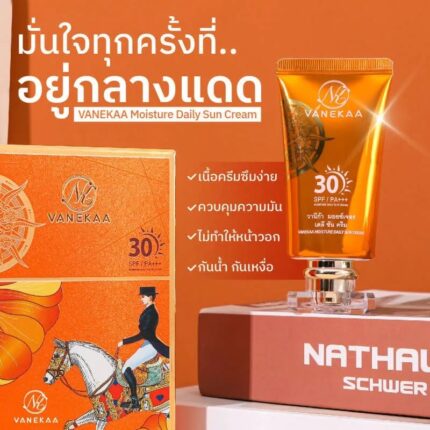 Sale
SaleOriginal price was: ৳ 650.00.৳ 480.00Current price is: ৳ 480.00.
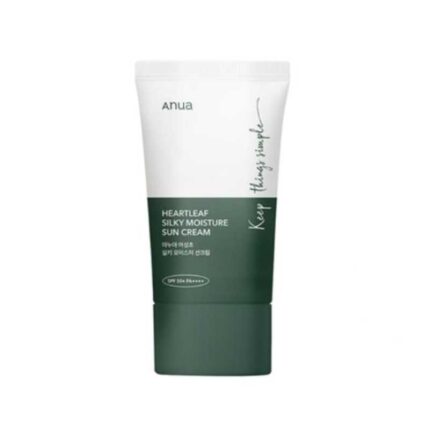 Sale
SaleOriginal price was: ৳ 2,520.00.৳ 1,764.00Current price is: ৳ 1,764.00.
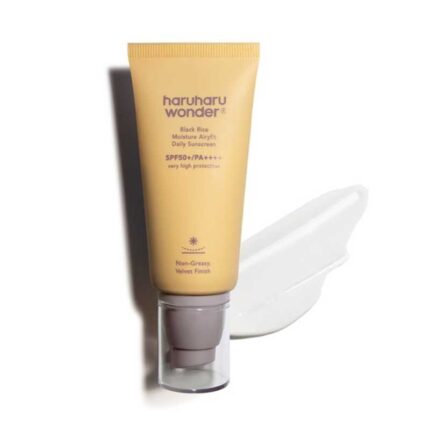 Sale
SaleOriginal price was: ৳ 2,040.00.৳ 1,428.00Current price is: ৳ 1,428.00.
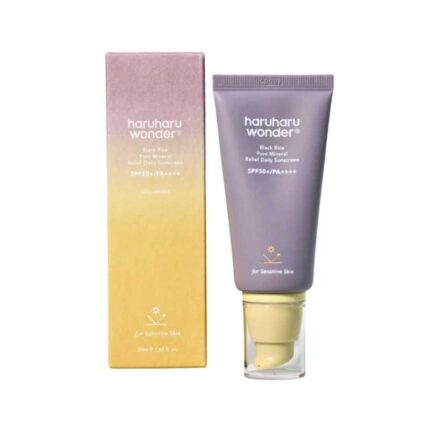 Sale
SaleOriginal price was: ৳ 2,300.00.৳ 1,610.00Current price is: ৳ 1,610.00.
How Octinoxate Protects Your Skin from UV Radiation
The mechanism by which octinoxate protects skin is rooted in photochemistry. When UVB rays, known for their short, high-energy wavelengths, hit the skin, they can cause immediate damage to cellular DNA and proteins. This damage leads to sunburn, inflammation, and over time, can contribute to the development of skin cancers like squamous cell carcinoma and basal cell carcinoma. Octinoxate acts as a highly effective absorber of these specific wavelengths. Upon absorbing a UVB photon, the octinoxate molecule undergoes a reversible change in its electron configuration. This process diverts the harmful energy away from skin cells, preventing the cascade of damage that UV exposure typically initiates. It is a critical line of defense in protecting the outermost layers of your skin.
The Absorption Spectrum of Octinoxate
Each chemical UV filter has a specific range of UV wavelengths it can absorb most effectively. For octinoxate, this absorption peaks in the UVB range, generally between 290 and 320 nanometers. This makes it particularly good at preventing sunburn. While octinoxate is excellent for UVB protection, it does not offer significant protection against UVA rays, which are longer wavelength UV rays primarily responsible for premature aging and some forms of skin cancer. For this reason, sunscreens containing octinoxate are almost always formulated with other chemical or mineral filters to provide broad-spectrum protection. A well-formulated sunscreen will combine several active ingredients to cover both UVA and UVB spectra effectively, ensuring comprehensive defense against all types of sun damage.
Integrating Octinoxate in Broad-Spectrum Sunscreens
Achieving broad-spectrum protection, which shields against both UVA and UVB radiation, is a cornerstone of modern sunscreen formulation. Octinoxate excels at UVB absorption, but it requires companions to tackle UVA. Common partners include avobenzone, oxybenzone, octocrylene, or mineral filters like zinc oxide and titanium dioxide. For instance, combining octinoxate with avobenzone (a strong UVA absorber) and octocrylene (which helps stabilize avobenzone and offers some UVB protection) creates a robust protective barrier. This synergistic approach allows formulators to create elegant sunscreens that offer high SPF values and critical UVA protection without feeling heavy or leaving a white cast. The selection of specific filters and their concentrations is a complex process guided by efficacy, stability, and regulatory approvals.
Benefits and Efficacy of Octinoxate in Sun Protection
Octinoxate has maintained its status as a popular sunscreen active ingredient due to several distinct benefits. Foremost among these is its proven efficacy in preventing sunburn, a key indicator of its ability to block UVB radiation. Clinical studies repeatedly demonstrate that sunscreens containing octinoxate significantly reduce erythema (skin redness) after UV exposure. Its light texture and ease of formulation also contribute to its widespread use. Unlike some heavier mineral filters, octinoxate allows sunscreens to feel more cosmetically appealing, encouraging consistent and regular application, which is vital for effective sun protection. The ability to create sheer, non-greasy formulas makes it a preferred choice for daily wear, even under makeup.
Preventing Sunburn and DNA Damage
Sunburn is the most immediate and visible sign of skin damage from UVB radiation. Octinoxate’s primary role is to prevent this acute damage. By absorbing UVB rays, it directly reduces the amount of harmful energy that reaches skin cells. This prevention of sunburn is not just about comfort; it is crucial for long-term skin health. Repeated sunburns, especially during childhood, significantly increase the risk of melanoma, the most dangerous form of skin cancer. Beyond sunburn, UVB radiation also directly damages DNA within skin cells, leading to mutations that can initiate cancer development. The presence of octinoxate in your sunscreen acts as a frontline defense against this molecular-level damage, preserving the integrity of your skin’s genetic material. According to a report by the Skin Cancer Foundation, consistent use of SPF 15 or higher sunscreen reduces the risk of squamous cell carcinoma by about 40% and melanoma by 50%.
Contribution to SPF Ratings and Photostability
The Sun Protection Factor (SPF) rating of a sunscreen primarily indicates its ability to protect against UVB rays. Octinoxate is a highly effective contributor to a product’s SPF value. Higher concentrations within regulatory limits lead to higher SPF numbers. For example, a sunscreen with 7.5% octinoxate will offer substantial UVB protection. Moreover, the photostability of octinoxate is an important factor. While some early chemical filters were known to degrade rapidly under sunlight, octinoxate generally maintains its protective capabilities for a reasonable duration of sun exposure, especially when formulated correctly and combined with stabilizers. This stability ensures that the protection you apply remains active, though reapplication every two hours or after swimming/sweating is always recommended for optimal efficacy.
Safety Profile and Controversies Surrounding Octinoxate
Like many widely used chemical UV filters, octinoxate has been subject to extensive scientific scrutiny regarding its safety for human use and environmental impact. Regulatory bodies worldwide, including the U.S. Food and Drug Administration (FDA) and the European Commission, have reviewed vast amounts of data to assess its safety. The general consensus from these authoritative bodies is that octinoxate is safe for use in sunscreens at approved concentrations. However, ongoing research continues to explore potential effects, leading to a dynamic scientific discussion. Consumers often encounter conflicting information, making it essential to rely on credible scientific evidence and regulatory guidance when forming an opinion about any sunscreen ingredient.
Octinoxate and Potential Allergic Reactions
For most individuals, octinoxate is well-tolerated. However, as with any cosmetic ingredient, there is a possibility of allergic reactions or skin sensitivities in a small percentage of the population. These reactions can manifest as contact dermatitis, characterized by redness, itching, or swelling at the application site. If you experience any adverse reactions after using a product containing octinoxate, it is advisable to discontinue use and consult a dermatologist. Patch testing, where a small amount of the product is applied to an inconspicuous area of skin for 24-48 hours, can help identify potential sensitivities before full application. Generally, the incidence of allergic reactions to octinoxate is considered low compared to its widespread use.
Endocrine Disruption Concerns and Scientific Evidence
One of the more prominent controversies surrounding octinoxate, and several other chemical UV filters, involves concerns about potential endocrine-disrupting properties. Endocrine disruptors are chemicals that can interfere with the body’s hormone system, potentially leading to adverse developmental, reproductive, neurological, and immune effects. Some in vitro (cell culture) and animal studies have suggested weak estrogenic activity for octinoxate. However, it is critical to understand that these findings often involve extremely high concentrations, far exceeding typical human exposure through sunscreen application. Human studies, when available, have generally not found a significant link between sunscreen use and adverse endocrine effects. Regulatory bodies, after evaluating the available data, continue to approve octinoxate for use, concluding that the benefits of sun protection outweigh the theoretical risks at approved concentrations. For instance, a 2017 review published in the Journal of the American Academy of Dermatology reinforced the safety of currently approved UV filters.
Octinoxate’s Environmental Impact: Coral Reefs
Beyond human health, the environmental impact of certain chemical UV filters, including octinoxate, has garnered significant attention, particularly concerning coral reefs. Studies have indicated that octinoxate, along with oxybenzone, may contribute to coral bleaching and damage to marine ecosystems, even at low concentrations. These chemicals are thought to impair coral reproduction, deform coral larvae, and ultimately lead to coral death. As a result, several regions, notably Hawaii and Palau, have banned the sale of sunscreens containing octinoxate and oxybenzone to protect their delicate marine environments. This has led to an increased demand for “reef-safe” sunscreens, which typically rely on mineral filters like zinc oxide and titanium dioxide. Consumers who are concerned about marine life may opt for such alternatives, especially when swimming in oceans or sensitive aquatic areas. The debate continues regarding the extent of the impact versus other factors like climate change and pollution, but legislative actions reflect growing caution.
Regulatory Status and Global Approvals of Octinoxate
The regulatory landscape for sunscreen active ingredients is complex and varies significantly across different regions of the world. Octinoxate is a globally recognized and approved chemical UV filter, but its permitted concentrations and labeling requirements can differ. Understanding these regulations provides insight into the rigorous testing and review processes that ensure consumer safety and product efficacy. Each major market has its own set of rules, reflecting unique scientific interpretations and public health priorities. These stringent guidelines ensure that any product containing octinoxate meets high safety and performance standards before reaching consumers.
FDA Regulations in the United States
In the United States, sunscreens are regulated as over-the-counter (OTC) drugs by the Food and Drug Administration (FDA). Octinoxate is an FDA-approved active ingredient, listed in the monograph for sunscreens. It is permitted for use at concentrations up to 7.5%. The FDA conducts ongoing reviews of sunscreen ingredients, requiring manufacturers to demonstrate both safety and efficacy. While the FDA has requested additional data for certain older chemical filters, including octinoxate, this is part of a broader effort to modernize sunscreen regulations and ensure all ingredients meet the latest safety standards. It does not imply that octinoxate is currently considered unsafe at approved levels. The FDA’s stance is that the benefits of using sunscreen, which often contain octinoxate, outweigh the potential risks of UV exposure.
European Union and Other International Regulations
The European Union (EU) regulates sunscreens as cosmetic products under the EU Cosmetics Regulation. Octinoxate is also approved in the EU as a UV filter, where it can be used at concentrations up to 10%. The EU’s scientific committee on consumer safety (SCCS) periodically reviews the safety of UV filters, including octinoxate, based on the latest scientific data. Their assessments have consistently affirmed its safety for use in cosmetic products within specified limits. Similar approvals and regulations exist in other major markets like Canada, Australia, Japan, and parts of Asia, often with slight variations in permitted concentrations. This global consistency in approval, despite regional differences, underscores a widespread scientific consensus regarding the ingredient’s utility and safety for human use.
Octinoxate vs. Mineral Sunscreens: Choosing Your Protection
When selecting a sunscreen, consumers often face a choice between formulas primarily featuring chemical UV filters like octinoxate and those relying on mineral (physical) filters. Both types offer effective sun protection, but they work in different ways and have distinct characteristics. Understanding these differences can help you determine which type of sunscreen best suits your skin type, lifestyle, and environmental concerns. The “best” sunscreen is ultimately one you will use consistently and correctly, regardless of its filter type. According to industry statistics, chemical sunscreens still hold a significant market share due to their cosmetic elegance.
Chemical Filters (e.g., Octinoxate) vs. Mineral Filters (Zinc Oxide, Titanium Dioxide)
Chemical sunscreens, including those with octinoxate, work by absorbing UV radiation and converting it into heat. They are often formulated to be lightweight, transparent, and blend seamlessly into the skin without leaving a white cast. This makes them cosmetically appealing for daily wear, especially for individuals with darker skin tones. Mineral sunscreens, on the other hand, contain zinc oxide and/or titanium dioxide, which are physical blockers. These ingredients sit on the skin’s surface and reflect or scatter UV rays away from the skin. Traditionally, mineral sunscreens were known for leaving a noticeable white residue, though modern formulations have greatly improved in this regard. Mineral filters are often preferred by individuals with very sensitive skin or those with concerns about chemical absorption, as they are generally considered less likely to cause irritation. Both types of filters are effective when used correctly.
Factors to Consider When Choosing a Sunscreen
Several factors should guide your choice of sunscreen. First, consider your skin type. If you have sensitive skin, a mineral sunscreen might be a gentler option. If you prefer a lightweight, non-greasy feel, a chemical sunscreen with octinoxate could be ideal. Second, think about your activities. For intense exercise or swimming, look for water-resistant formulas. Third, consider environmental concerns; if you frequent marine environments, a reef-safe mineral option might be preferred. Always choose a broad-spectrum sunscreen with an SPF of 30 or higher. Finally, personal preference for texture and finish plays a significant role. Some prefer lotions, others sprays or sticks. The most important factor is consistent application, regardless of the specific ingredients. A product that you enjoy using will be one you use regularly, providing the best protection.
Proper Application and Usage of Octinoxate-Containing Sunscreens
Even the most effective sunscreen, including those with octinoxate, will only perform optimally if applied correctly. Many people underapply sunscreen, significantly reducing its stated SPF protection. Proper application involves using a sufficient amount, ensuring even coverage, and reapplying frequently, especially after activities that might remove it. Understanding the best practices for sunscreen usage is just as important as selecting the right product. The goal is to create a continuous and effective barrier against UV radiation, protecting your skin throughout sun exposure. This meticulous approach ensures you receive the full benefits of your chosen sunscreen active ingredient.
Applying Sunscreen for Maximum Protection
To achieve the SPF listed on a sunscreen bottle, you need to apply approximately two milligrams of product per square centimeter of skin. For most adults, this translates to about a shot glass full (one ounce) for the entire body, or roughly a nickel-sized dollop for the face and neck alone. Apply sunscreen at least 15-30 minutes before sun exposure to allow it to form a protective film. Ensure all exposed areas are covered, paying close attention to often-missed spots like ears, neck, tops of feet, and scalp (if hair is thinning). Do not forget your lips; a lip balm with SPF is essential. An even, generous layer is crucial for preventing gaps in protection that can lead to sunburn. Studies show that most users apply only 25-50% of the recommended amount, significantly reducing effective SPF.
Reapplication and Water Resistance
Sunscreen is not a “one and done” application. For continuous protection, reapply sunscreen at least every two hours, or more frequently if you are swimming, sweating heavily, or towel drying. Water-resistant sunscreens are designed to maintain their SPF for a certain duration (either 40 or 80 minutes) during water exposure or sweating. However, even water-resistant formulas need to be reapplied after the specified time or immediately after towel drying. No sunscreen is “waterproof.” Always check the product label for specific reapplication instructions. Consistent reapplication is paramount to counteract the effects of environmental factors, friction, and natural skin processes that can diminish the protective layer. Ignoring reapplication guidelines leaves your skin vulnerable to harmful UV rays.
The Science Behind Chemical UV Filters Like Octinoxate
The development of chemical UV filters represents a significant advancement in dermatological science, offering effective and cosmetically elegant solutions for sun protection. These organic compounds operate on principles of molecular physics, specifically how molecules interact with electromagnetic radiation. Understanding this underlying science provides a deeper appreciation for how ingredients like octinoxate work to shield skin from harm. The field continually evolves, with ongoing research into novel filters and combinations that enhance both safety and efficacy, addressing the complex challenges of UV protection in various environments. This sophisticated approach ensures cutting-edge protection for general online shoppers.
Photochemistry and Molecular Protection
At the heart of chemical UV filter action is photochemistry. When a UV photon strikes an octinoxate molecule, the molecule absorbs the photon’s energy. This energy causes electrons within the octinoxate molecule to jump to a higher energy level. Instead of releasing this energy in a way that damages surrounding biological molecules (like DNA), the octinoxate molecule undergoes a rapid, reversible structural change, often involving a shift in bond configuration. This change dissipates the absorbed energy harmlessly, typically as heat, and the molecule quickly returns to its original stable state, ready to absorb another photon. This efficient absorption and dissipation cycle is what makes octinoxate a highly effective and safe chemical uv filter. It’s a continuous process of energy transfer and release, protecting skin cells from being the primary absorbers of damaging UV radiation.
Synergy with Other Sunscreen Ingredients
Effective sunscreens are rarely based on a single active ingredient. Formulators strategically combine various UV filters to achieve broad-spectrum protection and enhance overall performance. Octinoxate often works synergistically with other chemical filters. For example, it might be paired with octocrylene, which not only provides additional UVB protection but also helps to photostabilize other ingredients like avobenzone, a critical UVA absorber. This stabilization prevents ingredients from degrading too quickly under sunlight, extending the duration of their protective capabilities. Combining filters also allows for a reduction in the concentration of any single ingredient while maintaining high SPF and broad-spectrum coverage, potentially minimizing any individual ingredient-related concerns. The complex interplay between different sunscreen active ingredient molecules is carefully balanced for optimal safety and efficacy, creating a comprehensive shield against the sun’s damaging rays.
Common Myths and Facts About Octinoxate
In the vast world of skincare information, particularly concerning sunscreen active ingredient, misinformation can spread quickly. Octinoxate, as a widely used chemical UV filter, is often the subject of various claims, some true, some false. Separating fact from fiction is essential for consumers to make informed decisions about their sun protection. This section aims to clarify common misconceptions and provide evidence-based information regarding octinoxate, helping to demystify this important component of many sunscreens. Understanding these points can build greater confidence in your sun care choices.
Myth: All Chemical Sunscreens are Harmful
Fact: This is a broad generalization that is not supported by scientific evidence or regulatory approvals. Chemical UV filters, including octinoxate, have undergone extensive testing and review by health authorities worldwide for decades. While individual sensitivities can occur, and environmental concerns for some ingredients exist, the vast majority of chemical sunscreens are deemed safe and effective for human use at approved concentrations. The benefits of using sunscreen to prevent skin cancer and photoaging far outweigh the theoretical risks for most people. The fear often stems from misinterpretations of preliminary studies or concerns that do not translate to real-world human exposure. Relying on scientific consensus from bodies like the FDA and SCCS is crucial.
Fact: Octinoxate Primarily Protects Against UVB Rays
Fact: This is unequivocally true. Octinoxate is highly effective at absorbing UVB radiation, which is the main cause of sunburn and a significant contributor to skin cancer. Its absorption spectrum is specifically tuned to the UVB range. While it offers excellent UVB protection, it provides minimal to no protection against UVA rays. This is why sunscreens containing octinoxate are almost always formulated with other UV filters, such as avobenzone or zinc oxide, to achieve broad-spectrum protection. A sunscreen labeled “broad-spectrum” means it protects against both UVA and UVB rays, regardless of the specific combination of chemical UV filter and mineral components used in its formulation.
Myth: Octinoxate Causes Hormonal Imbalance in Humans
Fact: While some in vitro and animal studies have shown weak hormonal activity for octinoxate at extremely high concentrations, robust human studies have not demonstrated a significant link between typical sunscreen use and adverse hormonal effects in humans. Regulatory agencies like the FDA have reviewed these concerns and continue to approve octinoxate for use, concluding that the exposure levels from sunscreen application are very low and pose no significant risk to human endocrine function. The potential risks from insufficient sun protection (skin cancer, premature aging) are far greater and better established than any theoretical endocrine disruption from approved sunscreen ingredients. It is important to interpret scientific findings within their proper context, considering exposure levels and study design.
Advanced Insights into Sun Protection with Octinoxate
For those seeking deeper knowledge about their sun protection strategies, understanding the nuances of how ingredients like octinoxate function and integrate into a comprehensive skincare routine is invaluable. Beyond simply knowing what it is, appreciating its role in advanced formulations and its contribution to overall skin health prevention empowers consumers to make more sophisticated choices. The landscape of sun protection is constantly evolving, driven by scientific research and consumer demand for both efficacy and safety. This advanced understanding moves beyond basic product selection, focusing on how a chemical uv filter fits into a holistic approach to skin wellness, offering greater confidence to general online shoppers.
Synergistic Formulations for Enhanced Efficacy
Modern sunscreen development often focuses on creating synergistic formulations where different UV filters complement each other to provide superior protection. Octinoxate, with its excellent UVB absorption, is frequently combined with ingredients that offer strong UVA protection and photostability. For instance, combining octinoxate with avobenzone (a key UVA filter) and octocrylene (which stabilizes avobenzone and adds some UVB) creates a powerful, broad-spectrum defense. Furthermore, antioxidants like vitamin E or C are often added to sunscreens to help neutralize free radicals generated by UV exposure, providing an additional layer of cellular protection. This multi-faceted approach ensures that sunscreens do more than just block UV; they actively support skin health against various environmental aggressors. According to cosmetic chemists, these combinations often lead to higher consumer satisfaction and better sun protection compliance.
Octinoxate in Daily Skincare Routines
Integrating octinoxate-containing sunscreens into your daily skincare routine is a simple yet profoundly effective step for long-term skin health. Even on cloudy days or when spending most of your time indoors near windows, UV radiation can penetrate and cause damage. Therefore, daily application of an SPF 30 or higher broad-spectrum sunscreen is recommended by dermatologists. Octinoxate’s lightweight, non-greasy texture makes it an ideal chemical uv filter for daily wear under makeup or as the final step in your morning routine. Consistent daily use helps prevent the accumulation of subtle, incremental sun damage that leads to premature aging (wrinkles, dark spots) and increases skin cancer risk over time. Making sunscreen a non-negotiable part of your morning regimen is the best way to leverage the protective benefits of octinoxate and similar ingredients.
Frequently Asked Questions
What is Octinoxate used for in sunscreen?
Octinoxate is a chemical UV filter primarily used in sunscreens to absorb ultraviolet B (UVB) radiation. It converts these harmful rays into heat, preventing them from penetrating and damaging skin cells, thereby helping to prevent sunburn and reduce the risk of skin cancer.
Is Octinoxate considered safe for daily use?
Yes, regulatory bodies like the FDA and the European Commission consider octinoxate safe for daily use in sunscreens at approved concentrations. Extensive scientific reviews have concluded that its benefits in preventing sun damage outweigh any theoretical risks for human health.
Does Octinoxate provide broad-spectrum protection?
Octinoxate primarily protects against UVB rays. For broad-spectrum protection against both UVA and UVB radiation, sunscreens containing octinoxate are typically formulated with other UV filters, such as avobenzone or mineral blockers like zinc oxide.
Are sunscreens with Octinoxate harmful to coral reefs?
Some studies suggest that octinoxate, along with oxybenzone, may contribute to coral bleaching and marine ecosystem damage. Due to these environmental concerns, certain regions have banned its use, leading to increased demand for “reef-safe” mineral sunscreens.
Final Thoughts
Octinoxate stands as a highly effective and widely utilized chemical UV filter, playing a critical role in shielding your skin from damaging UVB radiation. Its ability to absorb harmful rays and its cosmetic elegance make it a staple in countless sun protection products. While discussions surrounding its safety and environmental impact continue, regulatory bodies worldwide affirm its safety for human use at approved concentrations, emphasizing the paramount importance of consistent sun protection. Choosing a broad-spectrum sunscreen, whether it contains octinoxate or mineral filters, and applying it correctly and regularly remains your most powerful defense against premature aging and skin cancer. Prioritize daily sun protection to maintain healthy, resilient skin for years to come.