
Nonapeptide-1 Skin Brightening Guide

Struggling with dark spots, uneven tone, or dullness can feel discouraging. Nonapeptide-1 appears in many products promising a brighter, more even complexion. This guide explains what Nonapeptide-1 does and how to use it safely.
What is Nonapeptide-1?
Nonapeptide-1 is a small peptide used in topical skincare to target pigment formation. Studies show peptides can modulate skin biology, and Nonapeptide-1 aims to reduce excessive melanin production. For shoppers, that is why this ingredient often appears in brightening serums and creams.
Because the peptide is short and manufactured to be stable, many brands add it to water-based and lightweight formulas. Research indicates it acts differently than traditional bleaching agents, which makes it attractive to people seeking gentler brightening options. That means you can find it in high-end and mid-range products alike.
Recommended Products
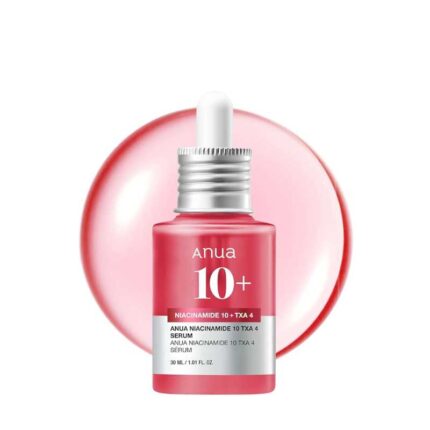 Sale
SaleOriginal price was: ৳ 3,160.00.৳ 2,212.00Current price is: ৳ 2,212.00.
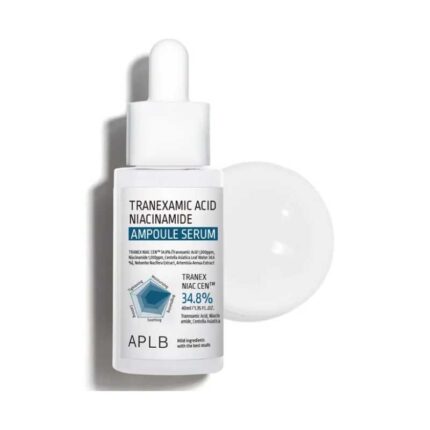 Sale
SaleOriginal price was: ৳ 1,300.00.৳ 910.00Current price is: ৳ 910.00.
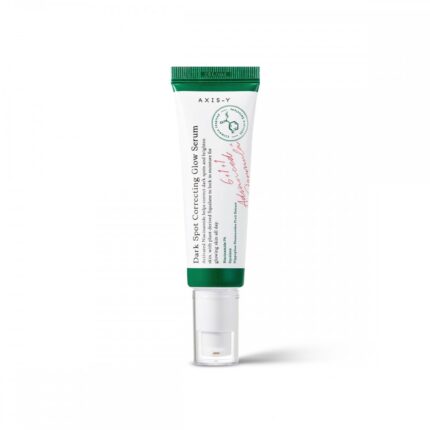 Sale
SaleOriginal price was: ৳ 1,790.00.৳ 1,175.00Current price is: ৳ 1,175.00.
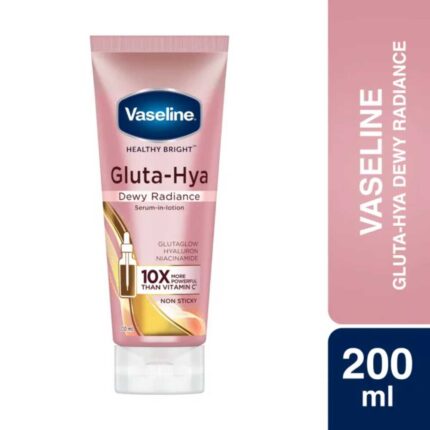
How Nonapeptide-1 Works on the Skin
Nonapeptide-1 works by interfering with steps that lead to pigment formation. For example, it can block signals that tell pigment cells to produce melanin. As a result, areas of excess pigment may fade over time with consistent use.
Role in Melanin Synthesis
The peptide targets the molecular signals that regulate melanin production. Studies show that interfering with these signals reduces enzyme activity linked to pigment formation. This regulation helps skin tone appear more even with repeated application.
Interaction with Skin Cells
When applied, Nonapeptide-1 reaches the upper layers of skin and affects pigment-producing cells called melanocytes. Research indicates it modifies cell communication rather than destroying cells. Therefore, it aims to reduce pigment output while keeping skin structure intact.
Comparison with Other Brightening Actives
Nonapeptide-1 differs from ingredients like hydroquinone, which directly inhibits pigment enzymes. While hydroquinone can be strong, Nonapeptide-1 offers a signal-based approach that some dermatologists recommend for maintenance. Still, results often take longer than with stronger agents, so patience is required.
Benefits Backed by Research and Experience
People use Nonapeptide-1 to fade dark spots, brighten complexion, and reduce uneven tone. Studies show that signal-blocking peptides can produce visible changes in pigmentation when used consistently. As a result, many users report gradual brightening over several weeks.
Because it focuses on pigment signaling, the peptide can pair well with other gentle brightening actives. For example, niacinamide or vitamin C often appears alongside Nonapeptide-1. Dermatologists recommend pairing ingredients that work through different mechanisms to improve results.
Research indicates the peptide may be less irritating than aggressive acids or bleaching agents. That means people with sensitive skin sometimes tolerate it better. Still, no single ingredient suits everyone, so testing is wise.
Is Nonapeptide-1 a Melanin Inhibiting Peptide Ingredient?
Yes, Nonapeptide-1 functions as a melanin inhibiting peptide ingredient by targeting the signals that increase melanin production. Studies show this class of peptides tends to reduce signaling molecules that tell melanocytes to upregulate pigment. For shoppers, that means it counts as a targeted brightening actives category.
When brands label products with peptide claims, they often cite laboratory data or small clinical trials. Dermatologists recommend checking packaging for concentration details and study descriptions. This approach helps you separate marketing from substance.
Common Uses and Formulations
Nonapeptide-1 appears in serums, creams, masks, and sometimes in ampoules. Many formulators include it in lightweight serums for daytime use under sunscreen. Because peptides are sensitive to breakdown, stable formulas often have sealed pumps or opaque tubes.
When shopping, look for water-based serums and products with stable pH ranges. That helps preserve peptide activity. For example, several brands sell Nonapeptide-1 in combination with antioxidants and moisturizers to support skin barrier health.
How to Use Products with Nonapeptide-1
Start with a patch test on a small skin area to check for sensitivity. Then apply the product to clean, dry skin once or twice daily, following brand instructions. For best results, use sunscreen during the day since UV exposure can counteract brightening effects.
Because results unfold gradually, allow at least eight to twelve weeks to judge effectiveness. For many, steady daily application produces the best outcome. That is why consistent routines matter more than occasional use.
When layering, apply thin serums before heavier creams. This approach helps the peptide reach the upper skin layers. Also, wait a minute between layers to let each product absorb fully.
Ideal Ingredient Pairings
Nonapeptide-1 often works well with vitamin C, niacinamide, and mild exfoliants. For example, vitamin C provides antioxidant support while brightening. As a result, pairing can target pigment from multiple angles and speed results.
While AHAs and BHAs can help pigment fade by speeding cell turnover, they may increase sensitivity when combined with strong actives. Therefore, introduce exfoliants slowly if you use them with peptide serums. This means you should monitor skin response closely during the first month.
Concentration, Claims, and Label Reading
Brands rarely list exact peptide concentrations, so evaluate claims carefully. Research indicates small concentrations may still be effective if the formula delivers the peptide into the skin. For shoppers, that means look for clinical claims and real-world feedback.
When a product cites a study, check whether it describes sample size and duration. Dermatologists recommend favoring products supported by human trials over laboratory data alone. That habit helps you find items with proven results.
Safety, Side Effects, and Who Should Avoid It
Most users tolerate Nonapeptide-1 well, and research indicates low irritation rates. However, allergic reactions are possible with any topical, so a patch test remains essential. If redness or burning occurs, discontinue use and consult a dermatologist.
Pregnant or breastfeeding people should consult a clinician before starting new actives. While peptides generally have good safety profiles, medical guidance offers extra caution. In some cases, another brightening compound may be preferable.
How Long Before You See Results?
Expect gradual improvement over weeks to months with consistent use. Studies show pigment reduction often becomes visible after several treatment cycles. For example, many users report changes at eight to twelve weeks with daily application.
Because skin turnover rates vary, some people notice faster changes than others. That means you should set realistic expectations and watch progress photos over time. If results stall after four months, consider consulting a skin professional.
Clinical and Real-World Evidence
Research indicates peptides that modulate pigment signaling can reduce melanin output in lab and clinical settings. Studies show measurable tone improvements in groups that used signal-blocking peptides. That lends credibility to brand claims when properly supported.
Clinical trials vary by design, but peer-reviewed reports and dermatologist endorsements strengthen trust. When evaluating products, prefer those that reference controlled studies with human participants. Doing so helps you choose products with a higher chance of success.
Comparing Nonapeptide-1 with Other Brightening Options
Nonapeptide-1 offers a signaling approach to pigment control, which differs from enzyme inhibitors and physical exfoliants. For instance, hydroquinone blocks pigment-producing enzymes directly, while acids remove pigmented cells. Each method has pros and cons.
For example, acids often produce faster visible results but may irritate sensitive skin. By contrast, Nonapeptide-1 typically acts more gently and may suit long-term maintenance. That makes it a practical option for those who need steady brightening without strong side effects.
Practical Shopping Tips
Read labels for packaging that protects ingredients from light and air. Pumps and tubes limit exposure and help preserve peptide stability. For shoppers, this detail matters because unstable packaging can reduce product effectiveness.
Check for accompanying actives like antioxidants, which help protect skin from free radical damage. Also, seek brands that provide clear usage directions and safety guidance. That information indicates the company understands formulation and consumer needs.
When in doubt, ask a dermatologist or a trained skincare professional about pairing products. Expert advice helps avoid adverse interactions and speeds safe results. This means you can create a routine that balances efficacy and tolerance.
Price, Value, and What to Expect
Prices range widely, so compare ingredient lists and packaging rather than price alone. Some budget-friendly options deliver similar actives in effective concentrations. However, premium brands sometimes invest in stability and testing, which can matter for results.
Remember that consistency matters more than occasional splurges. A mid-range serum used daily will often outperform an expensive serum applied irregularly. As a result, choose products you will use reliably and that fit your budget.
Common Myths and Misconceptions
Myth: Nonapeptide-1 gives instant results. Reality: brightening takes time and repeated use. Research indicates pigment modulation happens over multiple skin cycles, so patience is required.
Myth: Peptides replace sunscreen. Reality: sunscreen remains essential to protect results and prevent new pigment. Studies show UV exposure can negate brightening gains, so daily sun protection matters.
How to Combine Nonapeptide-1 with Other Treatments
When combining with professional treatments, timing matters. For example, wait until irritation subsides after procedures before reintroducing active serums. Dermatologists recommend a gentle recovery window to avoid compounding irritation.
If you use prescription actives, discuss combinations with a clinician. Some medical-strength agents may overlap or interact with brightening peptides. This step prevents unnecessary irritation and improves outcomes.
Questions to Ask Before Buying
Ask whether the product includes clinical evidence and what the testing parameters were. Also inquire about recommended application frequency and expected time to results. These questions help set realistic expectations and guide purchasing decisions.
Request information on peptide concentration when possible and ask about packaging stability. That detail can indicate how well the formula preserves active ingredients. For shoppers, clarity from brands suggests transparency and trustworthiness.
What to Expect During Your First Month
During the first month, skin may show subtle changes, and sensitivity monitoring is essential. If you notice irritation, reduce frequency or stop using the product. For most, steady use without irritation points to good compatibility.
Keep a simple routine to reduce variables while testing a new peptide product. For instance, use cleanser, peptide serum, moisturizer, and sunscreen. That plan helps you assess the peptide’s effects without interference from multiple new actives.
Environmental and Lifestyle Factors That Affect Results
Sun exposure, sleep, and diet influence pigmentation and recovery. Because UV rays drive new pigment, consistent sunscreen use is necessary to protect improvements. Studies show sunscreen enhances the longevity of brightening results.
Stress and lack of sleep may worsen inflammation and pigment. Therefore, healthy lifestyle habits support any topical regimen. That means managing stress and following a balanced diet can amplify topical effects.
Reviews and Real-World Feedback
Customer reviews often highlight gradual improvements and tolerability for many users. When reviews mention a timeline and skin type, they can guide expectations. For example, feedback from sensitive-skin users can signal a formula’s gentleness.
However, anecdotal reports vary and may not reflect controlled outcomes. Research indicates clinical studies remain the best source of reliable evidence. Still, user experiences add practical context when paired with scientific data.
Regulatory and Labeling Considerations
Peptide claims on cosmetic labels must avoid medical promises in most regions. That means brands often phrase results as cosmetic improvements rather than cures. Understanding labeling rules helps you interpret marketing language critically.
Products marketed with clinical data tend to provide more information about testing conditions. Look for clear descriptions of trial duration, sample size, and measurement methods. Such transparency helps you judge the strength of claims.
Brightening Compound or Maintenance Tool?
Nonapeptide-1 can act as both a brightening compound and a maintenance ingredient depending on the product. For active correction, it may form part of a multi-ingredient protocol. For maintenance, it helps keep tone even after improvement.
Because it works through signaling, the peptide often fits well into long-term routines. That makes it suitable for people who prefer gradual, steady care. This approach reduces the chance of rebound pigmentation that sometimes follows aggressive treatments.
DIY and Mixing Myths
Avoid mixing raw peptides or trying DIY formulations at home. Peptides require specific conditions to remain stable and effective. For safety and potency, use professionally formulated products instead of homemade blends.
If you are curious about custom formulations, seek a licensed professional or compounding pharmacy. They can prepare safe, stable products under controlled conditions. This route ensures correct concentrations and reduces risk.
Frequently Asked Questions
How long does Nonapeptide-1 take to show results?
Results often appear after eight to twelve weeks of consistent use. That timeline reflects normal skin turnover and the gradual nature of signal-based brightening. Individual response times vary by skin type and formula strength.
Can I use Nonapeptide-1 with vitamin C?
Yes, many formulas pair Nonapeptide-1 with vitamin C to support brightening. When combined, they target pigment through different mechanisms. Use sunscreen daily to protect gains from UV exposure.
Are there side effects to watch for?
Most people tolerate the peptide well, but allergic reactions or irritation can occur. Stop use and consult a clinician if you notice persistent redness or burning. Patch testing reduces the chance of unexpected reactions.
Is Nonapeptide-1 suitable for all skin tones?
Yes, people with all skin tones can use it, and clinicians often recommend it for pigment modulation. Still, darker skin tones require careful management to avoid post-inflammatory pigment. Professional guidance can help tailor use.
Final Thoughts
The most important takeaway is that Nonapeptide-1 offers a measured, signal-based approach to fading dark spots and evening skin tone. For many, this peptide serves as a gentle brightening tool that pairs well with sun protection and complementary actives. Try a well-formulated product, patch test it, and use sunscreen daily for the best outcome.