
Mequinol: Uses, Benefits, and Safety Guide

Many people struggle with stubborn dark spots and uneven tone after sun exposure or aging. Mequinol offers a treatment option that targets pigmentation at the skin surface. This guide explains how Mequinol works, what to expect, and how to pick a product.
What is Mequinol?
Mequinol is a topical chemical used to treat hyperpigmentation. It acts as a pigment-interfering agent applied to lightened areas of the skin. For shoppers, it may appear in creams labeled for spot treatment or tone correction.
Studies show that topical agents like Mequinol can reduce pigmentation when used steadily over weeks to months. Dermatologists recommend it as an option for certain spot types when other treatments are unsuitable.
Recommended Products
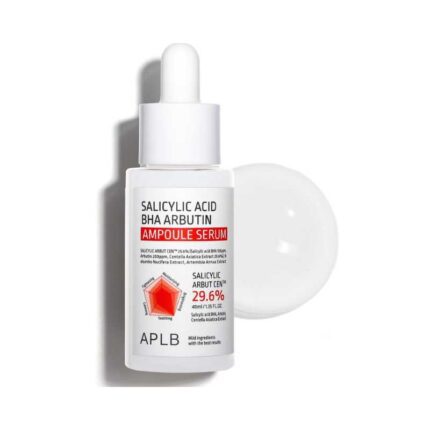 Sale
SaleOriginal price was: ৳ 1,300.00.৳ 910.00Current price is: ৳ 910.00.
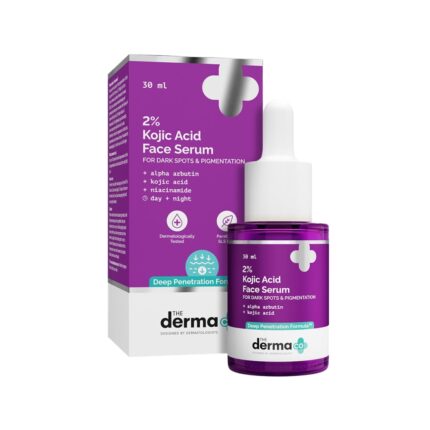 Sale
SaleOriginal price was: ৳ 1,350.00.৳ 990.00Current price is: ৳ 990.00.
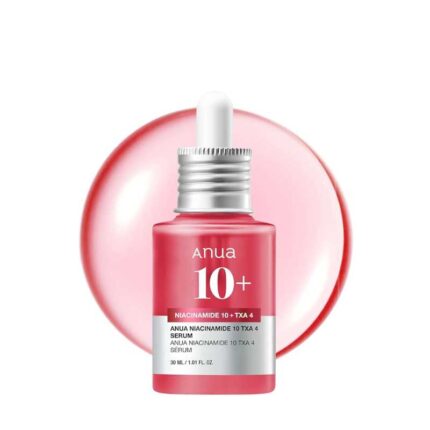 Sale
SaleOriginal price was: ৳ 3,160.00.৳ 2,212.00Current price is: ৳ 2,212.00.
 Sale
SaleOriginal price was: ৳ 2,200.00.৳ 1,540.00Current price is: ৳ 1,540.00.
How Mequinol works on the skin
Mequinol works by interrupting the pigment production process in epidermal cells. It affects the enzyme pathways that create melanin, the pigment that darkens skin. That is why treated spots can fade with consistent application.
Because Mequinol targets pigment formation, it works best on surface-level discoloration. For example, it often helps with sunspots and age spots but may not fully clear deeper scarring or melasma that sits deeper in the skin.
Common benefits of Mequinol
Mequinol can reduce the appearance of brown spots and even skin tone over time. Many users report visible fading after several weeks when they follow application instructions carefully. This makes Mequinol a valued option when a pigmentation reducing ingredient is needed in a routine.
For shoppers seeking a skin brightening compound, Mequinol may be marketed alongside lightening actives. As a result, it can be combined with moisturizers and sunscreen to support gradual improvement while protecting treated areas.
Types of pigmentation Mequinol treats
Mequinol works best on epidermal pigmented lesions such as age spots and sunspots. It can also reduce post-inflammatory hyperpigmentation that follows acne or minor skin injury. However, melasma sometimes needs multi-modal therapy instead of single-agent use.
When a diagnosis is unclear, dermatologists often recommend an exam before starting Mequinol. That step helps ensure the product matches the spot type and skin tone for safer results.
How to use Mequinol safely
Read product directions carefully before first use and follow them strictly. Most Mequinol products ask users to apply a thin layer once or twice daily to affected areas only. Overuse can increase irritation without improving results.
Because sun exposure can worsen pigmentation, always use broad-spectrum sunscreen while treating spots. That practice prevents new darkening and supports the fading process.
Starting frequency and testing
First, perform a patch test on a small skin area and wait a few days for any reaction. Next, if no irritation appears, begin with the lowest recommended frequency. That method helps you find the balance between effectiveness and tolerance.
Application tips
Apply Mequinol only to the spots, not the entire face, unless directions say otherwise. Use a clean fingertip or cotton swab to place product precisely. This reduces the chance of whitening surrounding normal skin.
Mequinol concentrations and formulations
Products may contain different concentrations of Mequinol and various base creams or gels. Prescription formulas often carry higher strengths, while over-the-counter options use lower amounts. That means stronger results can come with increased risk of irritation.
Because formulation affects delivery, creams often feel more emollient and gels dry faster. Choose a vehicle that suits your skin type and follow the concentration guidance for safety and comfort.
Expected timeline for results
Most users see initial improvement between four and twelve weeks. For example, skin tone can appear more even within two to three months of steady use. Patience matters because pigment clearance is gradual rather than instantaneous.
When results stall, clinicians may suggest alternating therapy or adding sun protection and gentle exfoliants. Still, you should avoid combining potent actives without professional advice to reduce irritation risk.
Common side effects and how to manage them
Irritation is the most common side effect from Mequinol use. Symptoms can include redness, dryness, or a stinging sensation at the application site. If irritation occurs, stop use and consult a professional before restarting.
When severe irritation or allergic reaction happens, seek care promptly. That is why users should patch test and increase exposure slowly when beginning any new pigment treatment.
Who should avoid Mequinol?
Pregnant or nursing people should consult their healthcare provider before using Mequinol. Children and those with extremely sensitive skin may also need professional guidance first. That approach keeps vulnerable groups safe from unnecessary risk.
When you have active eczema or open wounds in the treatment area, wait for healing before applying Mequinol. Doing so prevents added irritation and lowers infection risk in compromised skin.
Combining Mequinol with other skincare
Pair Mequinol with gentle cleansers and hydrating products to support barrier health. Strong exfoliants or high-concentration retinoids may increase irritation when mixed without careful timing. Therefore, stagger potent actives or seek a clinician’s plan for combined use.
For best protection, layer a broad-spectrum sunscreen daily. Sun avoidance and consistent SPF use are essential because UV exposure counteracts pigmentation treatments and may create new spots.
Mequinol versus hydroquinone and other options
Hydroquinone serves as a benchmark pigment blocker and often produces quick results. Mequinol offers an alternative for those who cannot use hydroquinone or who prefer a different side effect profile. That choice depends on skin type, spot depth, and medical advice.
Compared to vitamin C and niacinamide, Mequinol targets pigment formation more directly. Yet, antioxidants can complement Mequinol by protecting skin from oxidative stress that can worsen dark spots. For balanced therapy, clinicians may combine approaches carefully.
Research and professional guidance
Studies show that topical depigmenting agents reduce epidermal pigmentation over weeks with regular use. Dermatologists recommend assessment for persistent discoloration before long-term therapy. Such evaluation helps rule out conditions that need different treatment paths.
Because everyone’s skin reacts differently, a personalized plan often yields the best outcome. Therefore, consult a qualified provider to adapt concentration, frequency, and complementary products safely.
Choosing a Mequinol product
Look for clear labeling of concentration and application instructions when choosing a product. Reputable brands provide guidance on frequency, expected timeline, and possible side effects. That transparency helps you set realistic expectations and avoid misuse.
When shopping, prefer formulations designed for your skin type and tone. For example, dry skin benefits from an emollient base, while oily skin may prefer a lightweight gel or lotion. Personal testing can confirm how well a product works for you.
Over-the-counter versus prescription Mequinol
Low-strength Mequinol items can be found without a prescription in some markets. Prescription formulas usually offer higher concentrations and clinician supervision. That means stronger results but also increased need for monitoring and safety checks.
If you have many or large spots, seeking a prescription allows tailored dosing and follow-up. Still, over-the-counter options may suffice for small, recent spots when used as directed.
Cost considerations and value
Price varies widely depending on brand, concentration, and packaging. Generic or store-brand products often cost less than premium lines yet can be effective. Evaluate cost per usable amount and compare ingredient lists to find fair value.
Because treatment often lasts several months, factor long-term cost into your decision. That helps you choose a product you can use consistently without surprise expenses.
Realistic expectations and maintenance
Expect gradual fading rather than instant removal of spots. Some marks may not disappear fully and may need continued maintenance to stay lighter. Regular sunscreen use and sun avoidance help maintain results after improvement.
For long-term maintenance, many users switch to a gentler routine once desired fading occurs. That strategy reduces irritation risk while preserving benefits from initial treatment.
When to seek help from a dermatologist
See a dermatologist if spots change shape, bleed, or grow rapidly. Those signs can indicate conditions that need medical evaluation rather than cosmetic treatment. Early assessment helps catch rare but serious problems promptly.
If you experience strong irritation from Mequinol or no change after months of correct use, consult a professional. A clinician can adjust therapy or recommend alternative interventions such as in-office procedures.
Alternatives to topical Mequinol
Professional procedures like chemical peels and laser therapy offer alternative paths for persistent hyperpigmentation. Such treatments often work faster but may cost more and have recovery time. That trade-off matters when you compare options by goals and budget.
Topical options such as azelaic acid, retinoids, and vitamin C can also help and may suit different skin types. A layered approach under guidance can provide steady improvement with lower risk than aggressive single measures.
Product examples and labels to watch for
When scanning ingredient lists, note any supporting ingredients that ease irritation, such as ceramides or glycerin. Formulas that mix Mequinol with hydrating actives may feel gentler on sensitive skin. That can improve compliance over long treatment courses.
Avoid products that combine high concentrations of multiple potent actives unless directed by a clinician. Overloaded formulas raise the chance of adverse reactions without guaranteeing faster spot removal.
Using Mequinol responsibly as a shopper
Read directions and start with a patch test to gauge tolerance. Consumers should track progress with photos taken in consistent light to see gradual changes. That practical step helps you decide whether to continue or seek other measures.
Also, consider combining Mequinol with daily sun protection, gentle cleansers, and moisturizers for balanced care. This combined routine supports results while protecting the skin barrier that maintains a healthy complexion.
Common myths about Mequinol
Some people expect instant whitening after one application, but Mequinol needs time to work. Quick lightening claims often come from harsh bleaches that can damage skin. Avoid unrealistic promises and prefer measured information from professionals.
Another myth says Mequinol thins the skin permanently. Topical Mequinol does not inherently thin the epidermis like some strong steroids. Still, misuse or combining it with strong exfoliants may irritate and temporarily compromise skin health.
Case scenarios: who benefits most
People with sunspots or age-related brown spots on hands or face often see good results with Mequinol. Those with post-inflammatory marks from acne might also benefit if the pigment sits near the surface. For complex pigment disorders, a specialist evaluation often yields a more effective plan.
Because darker skin tones have higher pigment activity, approach any depigmenting agent with extra care. A dermatologist can guide safe choices to minimize uneven lightening or rebound pigmentation.
Label reading: what each ingredient means
Beyond Mequinol, look for soothing agents like panthenol or niacinamide for barrier support. Antioxidants such as vitamin E can protect treated skin from environmental damage. That combination helps protect tone and supports gradual fading.
Be wary of formulas that list too many potent acids together without usage instructions. Such mixtures may increase irritation and complicate safe use of Mequinol-based products.
Travel and lifestyle tips during treatment
When traveling to sunny climates, increase sunscreen diligence and wear protective clothing. Sun exposure can quickly undo progress during active pigmentation treatment. That makes sun care a non-negotiable part of any Mequinol routine.
Also, avoid tanning beds while treating spots. Artificial UV exposure accelerates pigmentation and can worsen the condition you are trying to improve.
Storage and shelf life
Store Mequinol products in a cool, dry place away from direct sunlight. Heat and light can degrade active ingredients and reduce effectiveness. Check expiration dates and discard any product that changes color or smell.
Keeping tubes tightly closed and using clean applicators reduces contamination and preserves product quality. Those small habits support safety and the best possible results.
How to measure improvement
Take clear photos in consistent lighting at baseline and during treatment. Compare images every four to eight weeks to judge progress. That method gives a realistic view of fading and helps you decide about continuing therapy.
Keep a short treatment diary noting frequency, any irritation, and visible change. That record can help a clinician refine your approach if needed.
Cost versus effectiveness: what to expect
Lower-cost products may work well for mild spots when used consistently. Prescription formulas tend to show stronger effects but at greater expense. Balance cost and expected outcome before committing to long-term use.
Many users find a mid-priced, well-formulated product offers the best mix of tolerability and results. Still, individual response varies and may require switching products under guidance.
Regulatory and market status
Regulations for Mequinol vary by market, affecting availability and concentration limits. Some regions require a prescription for higher strengths while others allow over-the-counter sales. That regulatory landscape influences product choices and access.
Because rules change regionally, check local guidance or ask a healthcare provider about safe sources. Doing so helps you avoid low-quality or improperly labeled items.
FAQ: Frequently Asked Questions
Is Mequinol safe for all skin tones?
Mequinol can work on many skin tones, but darker skin needs careful monitoring. A dermatologist can recommend safe concentration and frequency to lower the risk of uneven lightening.
How long before I see results with Mequinol?
Most users notice improvement within four to twelve weeks of steady use. Individual response varies, so continue the regimen unless irritation occurs.
Can I use Mequinol with sunscreen and makeup?
Yes, applying broad-spectrum sunscreen daily is essential while using Mequinol. You can use makeup over sunscreen, but wait for the sunscreen to absorb first.
What if my skin gets irritated by Mequinol?
Stop use and rinse the area if you have severe irritation. For mild redness or dryness, reduce application frequency and consult a professional if symptoms persist.
Final Thoughts
Mequinol offers a practical option for reducing visible dark spots and evening skin tone when used carefully and under guidance. For the best outcome, pair Mequinol with strict sun protection and a gentle routine. Start with a patch test, follow directions, and seek professional advice for persistent or complex pigmentation.