
Menthol: Cooling Benefits for Skin and Care

Have you ever reached for a product that promises instant cool relief after sun exposure or shaving? Menthol delivers that brisk feel and can calm minor skin irritation, making it a familiar comfort for many shoppers.
What is Menthol?
Menthol is a naturally occurring compound found in mint oils and made synthetically for many products. It acts as a small, fragrant molecule that creates a cool sensation on skin and mucous membranes.
Studies show menthol produces a distinct cooling effect by stimulating cold-sensitive receptors in nerves. Dermatologists recommend it for temporary relief from minor itching and mild discomfort in many topical formulations.
Recommended Products
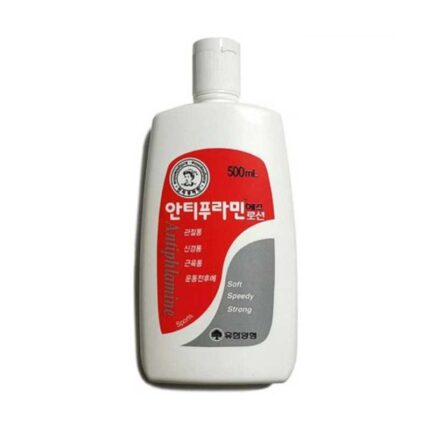 Sale
SaleOriginal price was: ৳ 1,200.00.৳ 840.00Current price is: ৳ 840.00.
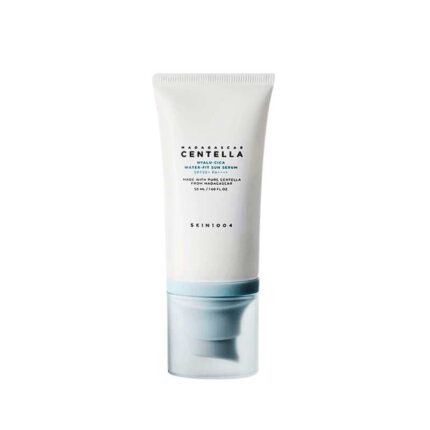 Sale
SaleOriginal price was: ৳ 2,850.00.৳ 2,430.00Current price is: ৳ 2,430.00.
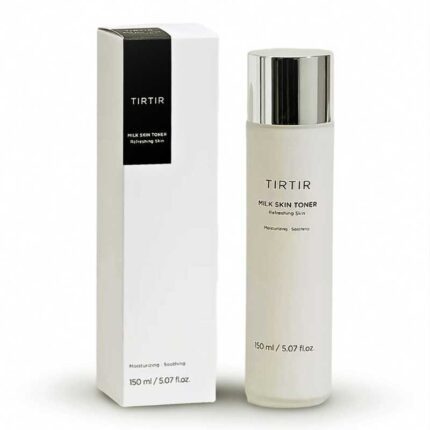 Sale
SaleOriginal price was: ৳ 4,600.00.৳ 3,220.00Current price is: ৳ 3,220.00.
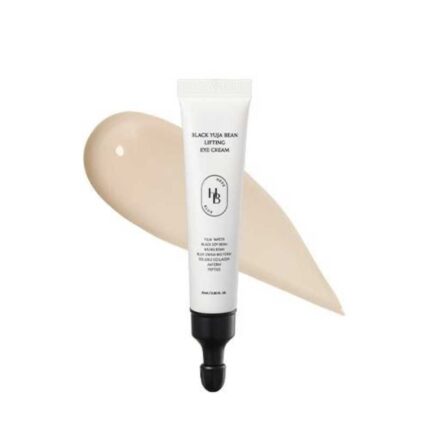 Sale
SaleOriginal price was: ৳ 980.00.৳ 680.00Current price is: ৳ 680.00.
How Menthol Produces a Cooling Effect
Menthol works by activating cold-sensitive receptors on nerve endings, often called TRPM8 receptors, which the brain reads as a drop in temperature. This means the skin senses coolness even without a change in actual temperature.
Because the effect is sensory rather than thermal, menthol can mask sensations of itch or mild pain. For example, topical gels and creams use this trait to provide quick-perceived relief after an insect bite or muscle strain.
Common Uses in Personal Care and Skincare
Menthol appears across many categories, from lip balms to body lotions and muscle rubs. As a cooling ingredient, it helps products feel refreshing and comfortable when applied.
Research indicates manufacturers add menthol to cleansers, aftershaves, and sun-care balms to reduce stinging and to leave a clean, brisk finish. Many shoppers choose mentholated items for that instant fresh feeling.
Benefits of Menthol in Skincare
Menthol can provide immediate sensory relief, which helps users feel better right away. For example, a mentholated balm often reduces the urge to scratch, which aids healing by preventing further skin damage.
Because menthol creates a tactile cooling effect, it also improves the perceived freshness of products. This means a small amount can raise user satisfaction and make daily routines more pleasant.
Soothing Minor Itch
When applied to skin that itches mildly, menthol can distract nerve signals and lower the itch sensation. Studies show topical menthol reduces the perception of itch in short-term tests and can help manage flare-ups temporarily.
Refreshing Cleanse
For cleansers and toners, menthol adds a brisk finish that many users describe as sharpening and clean. This refreshing touch can make morning routines feel more invigorating and quick to show a result.
Risks and Side Effects
Menthol is well tolerated by many people, but it can irritate sensitive skin at higher concentrations. Some users report stinging or redness when products contain too much menthol or when applied to broken skin.
Because of that risk, dermatologists recommend a patch test before full use. Research indicates allergic reactions are less common than irritation, yet they remain possible for some individuals.
When to Avoid Menthol
Avoid menthol on open wounds, mucous membranes near the eye, and in children under certain ages unless a product explicitly states safety for them. For pregnant or nursing people, check with a healthcare provider before regular use.
Signs of Sensitivity
If you notice burning that persists, swelling, or a rash after applying a menthol product, stop use and rinse the area with water. Seek medical advice if symptoms worsen or fail to improve within a short time.
How Much Menthol Is Safe?
Manufacturers set concentrations to balance effect and safety, and many over-the-counter products use low levels designed for daily use. Studies and safety reviews find small amounts produce benefits while lowering the risk of irritation.
Still, product labels matter. Read ingredient lists and follow directions carefully to avoid overuse, which can increase the chance of sensitivity or discomfort. When in doubt, choose formulas labeled for sensitive skin.
Comparing Natural and Synthetic Menthol
Natural menthol comes from mint oils, while synthetic menthol is made in labs to match the same molecular profile. Both forms produce the same cooling effect and are used widely across the industry.
Dermatologists note that allergies are usually linked to other compounds in mint oils rather than pure menthol. For example, impurities or additional essential oils can trigger reactions in sensitive people.
How Menthol Blends with Other Ingredients
Menthol often pairs with ingredients such as eucalyptus oil, camphor, or mild analgesics in muscle rubs and balms. That mix can enhance the cooling feel and support temporary relief for soreness.
For skincare, combining menthol with gentle moisturizers helps offset dryness and reduces irritation risk. This approach keeps the cooling benefit while maintaining skin hydration and barrier function.
Choosing Products with Menthol: A Shopper’s Guide
Look for clear labeling and a short ingredient list when you shop. Because menthol can be paired with stronger actives, pick products that suit your skin type and concerns.
When you want a mild cool effect, choose cleansers or lotions marked for sensitive skin. For targeted relief, select gels or balms that list menthol at an appropriate place in the ingredient order.
Check the Label
Check whether menthol appears near the top of the list if you expect a strong cooling effect. That means it is present in a higher concentration and will be more noticeable on application.
Match Product to Purpose
If you need relief after exercise, pick a product designed for muscles rather than a facial toner. For daily face use, lighter formulations with small amounts of menthol are gentler and more appropriate.
How to Use Menthol Products Safely
Start with a patch test on a small skin area and wait twenty-four hours to check for a reaction. This simple step helps catch unexpected sensitivity before you apply to larger areas.
Use the product as directed and avoid applying to damaged or infected skin. When a product instructs limited daily use, do not increase frequency to chase faster relief, since overuse raises the chance of irritation.
Application Tips
Apply menthol creams or gels in a thin layer and rub gently until absorbed. For strong menthol products, a thin layer gives effective cooling without excessive stinging.
Mixing with Other Treatments
If you plan to pair menthol with topical medicines, check with a healthcare professional first. Combining actives can change how a product feels and may heighten irritation risk in sensitive users.
Menthol in Lip Care and Cosmetics
Menthol appears in lip balms to add a cooling, tingly sensation that many users find pleasant. That sensation can make lips feel instantly refreshed, especially after sun or wind exposure.
Cosmetic products use menthol sparingly because too much can dry delicate lip skin. For day-to-day use, choose formulas that also include humectants and emollients to maintain moisture.
Menthol for Muscle and Joint Relief
Topical analgesic creams and rubs often include menthol for a cooling first response. As a result, users experience a sensation that can reduce perceived discomfort and improve comfort during recovery.
Research indicates combined formulations that include menthol and mild analgesics provide short-term symptomatic relief for muscle soreness. Still, they do not replace medical treatment for serious injuries.
Myths and Misconceptions
Some shoppers expect menthol to heal skin conditions by itself, but menthol only eases symptoms and does not cure underlying causes. For persistent or severe skin issues, consult a dermatologist for diagnosis and treatment.
Yet many people find menthol products useful as part of a routine that also includes cleansing and moisturization. Used correctly, menthol adds comfort and sensory appeal without claiming to be a primary therapy.
Shopping Tips: What to Check Before Buying
Read product claims carefully and prioritize clear, evidence-based statements over buzzwords. For example, look for lines that explain the intended effect rather than vague promises.
Also compare formulations by noting other actives, fragrance levels, and moisturizing ingredients. For sensitive skin, a fragrance-free base with low menthol content often works best.
Environmental and Sourcing Notes
Menthol made from natural mint requires farming practices and oil distillation, while synthetic menthol avoids some agricultural impact. Buyers concerned about sustainability may look for products that state ethical sourcing or environmental standards.
Dermatologists and formulators often choose either source based on cost, purity, and supply chain needs. Either source can meet quality standards when produced under regulated conditions.
Regulation and Safety Oversight
Regulatory bodies assess menthol as a common ingredient and set guidelines for its safe use in consumer goods. These rules aim to limit concentrations and to ensure labeling helps consumers avoid misuse.
Because oversight varies by region, checking product labeling and trusted brand practices helps shoppers make safer choices. For instance, products designed for children or sensitive areas typically show explicit usage instructions.
Alternatives to Menthol
If menthol irritates your skin, alternatives exist that offer cooling or soothing effects without the same sensation. Ingredients like aloe, chamomile, or certain mild polymers can soothe without tingle.
For itch specifically, non-menthol options such as calamine or low-dose topical antihistamines may provide relief. Discuss alternatives with a pharmacist or dermatologist to find a match for your needs.
Expert Tips from Dermatologists
Dermatologists advise starting with products formulated for your skin type and testing new items before regular use. They also suggest combining menthol with a solid moisturizing routine to protect the skin barrier.
When treating ongoing conditions, clinicians recommend not relying solely on menthol products. Instead, use them as short-term aid while following a treatment plan for the underlying condition as directed by a professional.
How Menthol Feels: What Users Report
Many users describe a quick tingle followed by a smooth cooling feeling that fades over minutes. This immediate sensory change makes menthol popular for quick refreshment and modest symptom relief.
User reviews often praise menthol for making products feel cleaner and more invigorating. Yet some note that repeated use on sensitive skin can increase dryness if moisturizers are not present in the formula.
Product Examples and Use Cases
For athletes, menthol gels can ease post-workout soreness when used as directed. For daily grooming, menthol aftershaves reduce sting and leave a crisp sensation after shaving.
People who spend time outdoors often prefer menthol lip care to counteract wind and sun exposure. For these use cases, pick products that also include protective and hydrating ingredients.
Shopping Checklist for Menthol Products
Before buying, check for clear instructions, suitable concentration, and moisturizing partners like glycerin or ceramides. This helps balance the cooling touch with skin health benefits.
Also consider fragrance and added essential oils if you have sensitivity. A simpler formula often minimizes the chance of irritation and improves daily tolerability.
Travel and Storage Tips
Store menthol products at room temperature and keep lids tight to maintain potency. Extreme heat can alter the scent and texture, so avoid leaving tubes in hot cars or direct sunlight.
When traveling, place creams and gels in a sealed bag to prevent spills. For airline travel, follow liquid rules and pack small, travel-sized tubes when possible.
Frequently Asked Questions
Is menthol safe for everyday skincare?
Menthol is safe for many people when used at low concentrations and as directed. However, those with sensitive or broken skin should test a small area first and choose low-menthol formulations.
Can menthol cause allergic reactions?
Allergic reactions to menthol are uncommon, but they can occur, especially when paired with other allergens in a formula. Stop use and seek advice if you develop swelling, severe rash, or breathing problems.
Will menthol heal sunburn?
Menthol can soothe the sensation of heat and discomfort but does not heal sunburn. For sunburn care, focus on cooling water, hydration, and gentle moisturizers while avoiding strong actives until skin recovers.
How often can I use menthol products?
Follow product instructions for frequency to avoid overuse and irritation. For daily facial or lip care, low-dose products are generally safe for regular use, while stronger rubs should be used sparingly.
Final Thoughts
Menthol provides a reliable, pleasant cooling effect that helps manage minor itch and adds a refreshing feel to many skincare and personal care products. For most shoppers, the best approach is to pick mild formulations, test before wider use, and pair menthol with moisturizers to protect skin. If you want a quick, soothing boost from a familiar cooling ingredient, choose a product that matches your skin type and follow label directions.