
Melaleuca Alternifolia Leaf Oil: Uses and Safety

Skin can feel oily, irritated, or blemish-prone even when your routine seems simple. Melaleuca Alternifolia Leaf Oil often appears on product labels for shoppers who want a plant-based option. Yet this ingredient works best when you understand its benefits, limits, and safe use.
What Is Melaleuca Alternifolia Leaf Oil?
Melaleuca Alternifolia Leaf Oil comes from the leaves of the tea tree plant, which grows mainly in Australia. People often call it tea tree oil, but labels use the full botanical name. Research shows this oil contains many aromatic compounds, which give it a strong scent and active feel.
Because shoppers see the ingredient in cleansers, shampoos, deodorants, and spot products, it can seem like a cure-all. However, Melaleuca Alternifolia Leaf Oil has specific strengths and clear safety limits. Good products use it in balanced formulas, not as a harsh shortcut.
Where the oil comes from
The tea tree plant has narrow leaves and thrives in warm, wet regions. Producers steam the leaves to release the essential oil. This process keeps the oil concentrated, so a small amount can have a strong effect.
Historically, communities in Australia used tea tree leaves for skin care and cleansing. Modern skin care brands now use refined production methods. As a result, Melaleuca Alternifolia Leaf Oil reaches shoppers in more stable and consistent forms.
Why its chemistry matters
The main compound in high-quality tea tree oil is often terpinen-4-ol. This compound helps explain why the oil attracts interest for oily skin and blemishes. Studies show tea tree oil can affect certain microbes on the skin’s surface.
However, the oil also contains compounds that may irritate skin when they oxidize. Oxidation happens when air, heat, and light change the oil over time. That is why fresh, well-packaged Melaleuca Alternifolia Leaf Oil matters.
How shoppers see it on labels
On ingredient lists, you may see Melaleuca Alternifolia Leaf Oil near the middle or end. That placement often means the formula uses a modest amount. Since essential oils can irritate skin, lower placement does not always mean lower value.
Some labels call it a tea tree essential oil ingredient, especially in marketing copy. The formal ingredient name gives you a better way to compare products. When you know both names, shopping becomes much easier.
Recommended Products
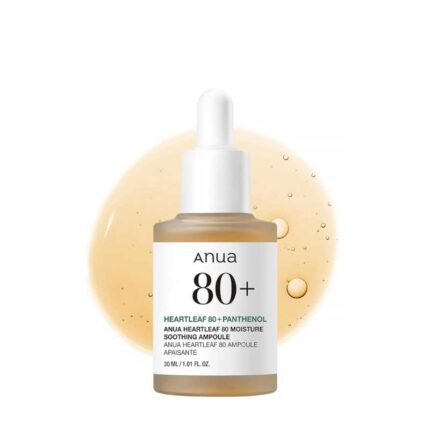 Sale
SaleOriginal price was: ৳ 3,050.00.৳ 2,506.00Current price is: ৳ 2,506.00.
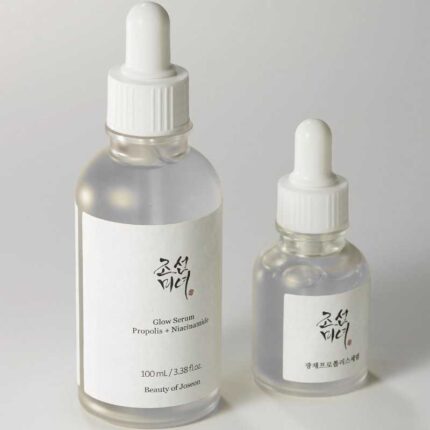 Sale
SaleOriginal price was: ৳ 3,080.00.৳ 2,156.00Current price is: ৳ 2,156.00.
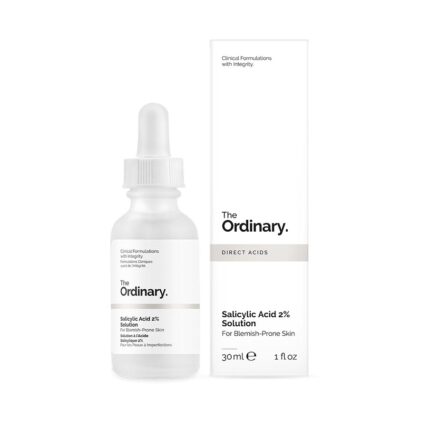 Sale
SaleOriginal price was: ৳ 2,000.00.৳ 1,490.00Current price is: ৳ 1,490.00.
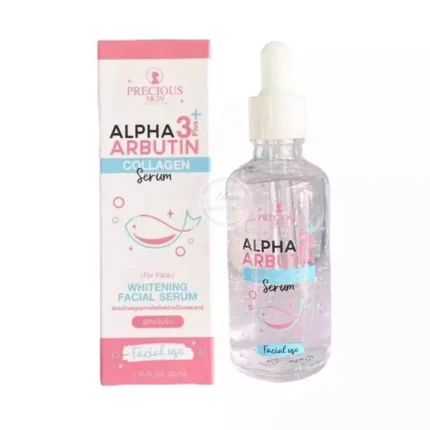 Sale
SaleOriginal price was: ৳ 795.00.৳ 599.00Current price is: ৳ 599.00.
How Melaleuca Alternifolia Leaf Oil Works
Melaleuca Alternifolia Leaf Oil works through its natural mix of volatile compounds. Volatile means the compounds evaporate easily, which explains the crisp scent. Research indicates these compounds can interact with oil, odor, and surface microbes.
Because the oil feels active, many shoppers expect fast results. Still, skin often needs steady care over several weeks. A mild product with Melaleuca Alternifolia Leaf Oil usually supports skin better than a harsh one.
It targets surface microbes
Skin hosts many microbes, and most do not cause problems. However, certain microbes can add to odor, scalp flakes, or blemish-prone conditions. Lab studies show tea tree oil can slow the growth of some bacteria and fungi.
This does not mean Melaleuca Alternifolia Leaf Oil works like a prescription drug. Instead, it may support a cleaner skin environment. For shoppers, that means it can fit well in rinse-off products and targeted leave-on formulas.
It helps manage oily feel
Oily skin often feels slick because sebaceous glands make excess sebum. Sebum is the skin’s natural oil. While Melaleuca Alternifolia Leaf Oil does not shut oil glands down, it can help skin feel fresher.
For example, a cleanser with this ingredient may leave the face feeling less greasy. However, over-washing can trigger dryness and discomfort. A balanced formula protects the skin barrier while giving a cleaner finish.
It adds a fresh scent
The scent of tea tree oil feels sharp, green, and medicinal. Many shoppers link that smell with freshness. As a result, brands use Melaleuca Alternifolia Leaf Oil in deodorants, foot sprays, and scalp care.
Scent does not equal performance, though. A strong smell may signal a high oil level or poor balance. If your skin reacts to fragrance, choose products with caution.
It has clear limits
Melaleuca Alternifolia Leaf Oil cannot erase acne scars, cure infections, or replace medical care. Dermatologists often remind patients that natural ingredients can still cause reactions. This oil may sting, dry, or redden sensitive skin.
When a product promises dramatic results overnight, read the label carefully. Strong claims often hide an aggressive formula. Instead, choose products that explain how to use the ingredient safely.
Melaleuca Alternifolia Leaf Oil for Acne
Melaleuca Alternifolia Leaf Oil gets much of its popularity from acne care. Shoppers like that it comes from a plant and feels targeted. Studies show tea tree oil preparations can help reduce the look of mild acne in some users.
Acne has many causes, including oil, clogged pores, bacteria, hormones, and inflammation. Because of that, one ingredient rarely solves every breakout. Melaleuca Alternifolia Leaf Oil works best as part of a simple, gentle routine.
Why acne-prone shoppers like it
Many people want an anti acne botanical compound that feels less clinical than common drugstore actives. Tea tree oil fits that interest because it has a long history in skin care. It may help reduce the look of angry spots when formulas use it well.
However, acne-prone skin often has a weak or stressed barrier. Harsh use can make redness and peeling worse. So, shoppers should avoid applying undiluted Melaleuca Alternifolia Leaf Oil directly to pimples.
How it compares with common actives
Benzoyl peroxide, salicylic acid, and retinoids have strong research support for acne. These ingredients target clogged pores, bacteria, or cell turnover in proven ways. Melaleuca Alternifolia Leaf Oil may feel gentler for some people, but it works differently.
For example, salicylic acid enters oily pores and helps loosen buildup. Tea tree oil focuses more on surface freshness and microbial balance. Because they work differently, some formulas pair them in low, careful amounts.
Best acne product types
A face wash can suit shoppers who worry about irritation. Since the formula rinses off, the skin has less time to react. A cleanser with Melaleuca Alternifolia Leaf Oil may help oily skin feel clean without heavy residue.
Spot gels and serums need more caution. Leave-on formulas stay on the skin longer, so irritation risk rises. When choosing one, look for soothing ingredients like aloe, glycerin, or panthenol.
What results to expect
Mild breakouts may look calmer after steady use, but timing varies. Many acne routines need several weeks before clear changes appear. If acne feels painful or deep, a dermatologist can guide better treatment.
Still, Melaleuca Alternifolia Leaf Oil may help shoppers who get occasional surface blemishes. Use it with a gentle cleanser, light moisturizer, and daily sunscreen. This steady base often matters more than any single spot product.
Benefits for Scalp, Nails, and Body
Melaleuca Alternifolia Leaf Oil appears in many body care products, not just facial skin care. Its fresh scent and cleansing feel make it popular in shampoos and washes. Research indicates tea tree oil can affect certain fungi linked with scalp and foot concerns.
Because body skin often tolerates actives better than facial skin, shoppers may find it easier to use. Still, thin areas can react quickly. The underarms, groin, and neck need extra care with essential oils.
Scalp care and flakes
A flaky scalp can come from dryness, product buildup, oil, or yeast-related imbalance. Tea tree shampoos often target the oily, itchy type of flaking. Studies show tea tree oil shampoos may improve dandruff signs for some users.
When using a shampoo with Melaleuca Alternifolia Leaf Oil, let the lather sit briefly before rinsing. Avoid leaving it on for long periods unless the label says so. If burning occurs, rinse right away and stop use.
Foot care and odor
Feet spend hours in warm shoes, which creates a damp setting. That setting can support odor and unwanted microbial growth. As a result, Melaleuca Alternifolia Leaf Oil appears in foot sprays, soaps, and creams.
Foot products can help with freshness, but they do not replace care for infections. Cracking, swelling, or spreading redness needs medical advice. For daily odor control, pair the product with clean socks and dry shoes.
Nail and cuticle products
Some nail oils include Melaleuca Alternifolia Leaf Oil for a clean feel around the nail plate. The nail plate is the hard surface you trim. Since nails grow slowly, any visible change takes time.
However, essential oils can irritate cuticles if applied too often. Use a diluted nail product, not a raw oil drop. If the skin around the nail splits or stings, pause the product.
Body washes and deodorants
Body washes with tea tree oil often appeal to gym users and warm-weather shoppers. The scent helps the skin feel fresher after sweat. Still, fragrance-sensitive shoppers may prefer a rinse-off body wash over a leave-on deodorant.
Deodorants with Melaleuca Alternifolia Leaf Oil can help manage odor, but they may not stop sweat. Sweat control usually needs antiperspirant ingredients. Choose based on whether you want odor care, wetness care, or both.
Safety, Dilution, and Patch Testing
Melaleuca Alternifolia Leaf Oil needs respect because it is concentrated. Essential oils carry strong natural chemicals in small volumes. Dermatologists recommend patch testing new products, especially for sensitive or allergy-prone skin.
Although many people use tea tree products without problems, reactions can happen. Common signs include burning, itching, redness, bumps, or dryness. Stop use if these signs appear and do not fade quickly.
Never use it undiluted
Pure tea tree oil can feel tempting as a quick spot fix. However, direct use can irritate the skin and harm the barrier. A damaged barrier often leads to more redness and breakouts.
Choose a finished product with Melaleuca Alternifolia Leaf Oil instead. Brands can balance the oil with water, emollients, and soothing agents. This means your skin gets a more controlled dose.
How to patch test
Apply a small amount of the product to the inner arm or behind the ear. Then wait a day and watch for changes. If the area stays calm, try it on a small facial area next.
Because reactions can build with repeat use, keep watching your skin during the first week. Do not test several new products at once. That way, you can identify the cause if irritation starts.
Who should use extra caution
People with eczema, rosacea, or very reactive skin should approach tea tree products carefully. Their skin barrier may already feel stressed. Even diluted Melaleuca Alternifolia Leaf Oil may cause stinging in these cases.
Pregnant or nursing shoppers should ask a qualified health professional before using essential oils often. Parents should also avoid using tea tree oil on young children without guidance. Pets need protection too, since essential oils can harm them.
Do not swallow it
Melaleuca Alternifolia Leaf Oil does not belong in the mouth unless a qualified professional directs care. Swallowing tea tree oil can cause serious harm. Keep bottles away from children and store products with care.
Some oral care products use tea tree oil in very controlled formulas. Even then, shoppers should follow label directions exactly. Never treat a cosmetic oil like a food or supplement.
How to Read Product Labels
Melaleuca Alternifolia Leaf Oil may appear under its formal INCI name on labels. INCI means International Nomenclature of Cosmetic Ingredients, which is the global naming system. This helps shoppers compare products across brands.
Because ingredient lists show items in descending order until low levels, placement gives clues. A high position may mean a stronger scent and higher irritation risk. A lower position can still offer value in a balanced formula.
Check the full formula
A product never works through one ingredient alone. Look for moisturizers, gentle cleansers, and calming agents around Melaleuca Alternifolia Leaf Oil. Glycerin, aloe, panthenol, and niacinamide can help improve comfort.
However, be careful with formulas that mix many strong actives. Too many acids, scrubs, and essential oils can overwhelm skin. A shorter, clearer routine often gives better results.
Watch for oxidation clues
Old tea tree oil can oxidize and become more irritating. Heat, light, and air speed that process. Research links oxidized tea tree oil with a higher risk of allergic skin reactions.
Choose products in opaque or well-sealed packaging when possible. Also, avoid bottles that smell stale, sour, or unusually harsh. Fresh Melaleuca Alternifolia Leaf Oil should smell crisp, not rancid.
Know marketing language
Words like natural, clean, and botanical do not prove safety. They also do not prove a product will work for your skin. Instead, read directions, warnings, and the complete ingredient list.
Some brands highlight Melaleuca Alternifolia Leaf Oil on the front label for attention. Yet the support ingredients often decide how the product feels. A good formula should clean or treat without leaving skin tight.
Look for quality signals
The International Organization for Standardization has a quality standard for tea tree oil. This standard helps define expected composition for true tea tree oil. Brands that discuss quality testing may offer more confidence.
Still, shoppers should judge the whole product, not only the oil source. A tested oil can still irritate at a high level. The best label combines quality, clear use directions, and realistic claims.
How to Choose the Best Product
Choosing Melaleuca Alternifolia Leaf Oil products starts with your main goal. Acne, flakes, odor, and oily skin need different product types. Dermatologists often recommend matching the product format to the concern.
Because general online shoppers face many similar claims, simple rules help. Pick one product at a time, and give it a fair trial. This lowers the chance of irritation and wasted money.
For oily or blemish-prone faces
Start with a gentle cleanser if your skin reacts easily. A rinse-off formula gives you a lower-risk way to try Melaleuca Alternifolia Leaf Oil. Look for a soft lather and a non-tight finish.
If your skin tolerates the cleanser, you can consider a spot product. Choose one with clear directions and soothing support ingredients. Avoid stacking it with strong exfoliating acids on the same night at first.
For scalp flakes
Choose a shampoo that clearly targets dandruff or oily scalp care. Tea tree scent alone does not prove the formula helps flakes. A good shampoo should explain how often to use it.
When flakes persist, you may need proven anti-dandruff ingredients. These can include zinc pyrithione, selenium sulfide, or ketoconazole, depending on local product rules. Melaleuca Alternifolia Leaf Oil can support freshness, but it may not be enough alone.
For body odor or sweat
Body wash works well for shoppers who want a fresh shower feel. Deodorant works better when odor returns during the day. Antiperspirant works best if wetness bothers you most.
Since underarm skin can react, patch test leave-on products first. Shaving can also make underarms more sensitive. Wait after shaving if tea tree deodorants tend to sting.
For budget and value
A higher price does not always mean better results. Strong packaging, clear directions, and a balanced formula matter more. Melaleuca Alternifolia Leaf Oil should not be the only reason to pay more.
Read reviews for patterns, not single dramatic stories. For example, repeated reports of burning deserve attention. Repeated praise for comfort and steady results can guide your choice.
How to Use It in a Routine
Melaleuca Alternifolia Leaf Oil fits best into a calm, consistent routine. Use it for a clear purpose, not as a cure for every skin issue. Skin often improves when routines stay simple and steady.
When you add any active ingredient, change only one product at a time. This makes it easier to judge results. It also helps you spot irritation before it spreads.
Morning use
A tea tree cleanser can work in the morning for oily skin. Follow with a light moisturizer to protect the skin barrier. Then apply sunscreen, because clear skin still needs daily UV protection.
If your skin feels dry after washing, use the cleanser less often. You can rinse with water on some mornings instead. Melaleuca Alternifolia Leaf Oil should leave skin fresher, not stripped.
Night use
Night routines can include a targeted tea tree gel or serum. Apply it after cleansing and before a simple moisturizer. Start every other night if your skin gets irritated easily.
Because many acne actives can dry skin, avoid using too many at once. For example, do not combine a strong peel, scrub, and tea tree spot product together. Instead, rotate products and watch how your skin responds.
Weekly use
Some shoppers use Melaleuca Alternifolia Leaf Oil in masks or scalp treatments. These products can feel refreshing, but longer contact can raise irritation risk. Follow the time limit on the label.
Weekly care should support your routine, not punish your skin. If a mask burns, rinse it off. Tingling can happen, but pain is a warning sign.
Signs you should stop
Stop using the product if redness, swelling, or itching grows worse. Also stop if your skin cracks or peels. These signs suggest your barrier needs rest.
Switch to a bland cleanser and simple moisturizer while your skin calms. If symptoms persist, seek professional advice. Melaleuca Alternifolia Leaf Oil may not suit every skin type.
Myths and Realistic Expectations
Melaleuca Alternifolia Leaf Oil has a strong reputation, so myths spread easily. Some claims make it sound gentle for everyone. Others make it sound dangerous in every formula.
The truth sits between those extremes. Research supports some useful skin care roles, especially for freshness and mild blemish concerns. However, safe use and good formulation decide the final experience.
Myth: Natural always means gentle
Natural ingredients can still irritate skin. Poison ivy is natural, and many fragrance allergens come from plants. So, Melaleuca Alternifolia Leaf Oil needs the same caution as any active ingredient.
This does not mean you must avoid it. It means you should choose diluted products and patch test. Smart use helps you gain benefits while lowering risk.
Myth: Stronger works better
A stronger smell does not mean better acne or scalp results. It may only mean the product contains more fragrance compounds. Higher levels can increase dryness, stinging, and allergy risk.
Because skin care depends on balance, mild formulas often perform better over time. A comfortable product gets used more consistently. Consistency often beats intensity.
Myth: It replaces medical treatment
Melaleuca Alternifolia Leaf Oil can support cosmetic care, but it does not replace medical treatment. Deep cystic acne, infected cuts, and severe rashes need professional care. Waiting too long can make some conditions harder to manage.
Use tea tree products for mild concerns and daily freshness. If pain, pus, fever, or spreading redness appears, seek help. Clear limits protect your skin and your health.
Myth: All tea tree products are the same
Two products can both contain tea tree oil and feel completely different. One may use a low level in a soothing base. Another may use a harsh blend with alcohol and many fragrances.
That is why the full formula matters. Melaleuca Alternifolia Leaf Oil works best when the product supports your skin barrier. Good shopping means reading beyond the front label.
Frequently Asked Questions
Is Melaleuca Alternifolia Leaf Oil the same as tea tree oil?
Yes, Melaleuca Alternifolia Leaf Oil is the formal ingredient name for tea tree oil. Brands use this name on cosmetic labels because it follows standard ingredient naming rules. Shoppers may see both names on the same product.
Can I put Melaleuca Alternifolia Leaf Oil on pimples?
Use a diluted finished product rather than pure oil on pimples. Undiluted tea tree oil can burn, dry, or irritate acne-prone skin. If breakouts are deep or painful, ask a dermatologist for care.
Does Melaleuca Alternifolia Leaf Oil help dandruff?
It may help some people with oily flakes and scalp freshness. Studies show tea tree oil shampoos can improve dandruff signs for certain users. Persistent flakes may need an anti-dandruff active or medical guidance.
Can sensitive skin use Melaleuca Alternifolia Leaf Oil?
Sensitive skin can react to Melaleuca Alternifolia Leaf Oil, even in diluted products. Patch test first and choose gentle formulas with soothing ingredients. Avoid it if you have reacted to tea tree oil before.
Final Thoughts
Melaleuca Alternifolia Leaf Oil can be useful for shoppers who want fresher skin, scalp, and body care. However, it works best in diluted, well-made products with clear directions. Choose one gentle product, patch test first, and stop if your skin feels irritated.