
Melaleuca Alternifolia Extract: Skin Benefits Guide

Breakouts, oily shine, and angry-looking spots can make skincare shopping feel risky. Melaleuca Alternifolia Extract often appears in products for blemish-prone skin because it may help calm visible flare-ups. Knowing what it does helps you choose products with more confidence.
What Is Melaleuca Alternifolia Extract?
Melaleuca Alternifolia Extract comes from the leaves of the tea tree plant. This plant grows mainly in Australia, where people have used it for skin care for many years. Research indicates that tea tree leaf compounds can act against certain microbes on the skin.
However, the extract in skincare is not always the same as pure tea tree essential oil. Brands may use water-based, oil-based, or blended forms. This means strength, scent, and skin feel can vary by product.
Melaleuca Alternifolia Extract often appears in cleansers, spot gels, toners, masks, and acne care creams. Many shoppers know it as a tea tree extract ingredient. Labels may also list it as tea tree leaf extract or Melaleuca alternifolia leaf extract.
Why the plant matters
The tea tree plant contains natural aromatic compounds. These include terpinen-4-ol, which researchers often study for skin support. Because this compound can feel strong, careful product design matters.
Melaleuca Alternifolia Extract may offer a gentler option than undiluted oil. Still, gentle does not mean risk-free. Sensitive skin can react to plant extracts, fragrance-like compounds, or high strength formulas.
Extract versus essential oil
Pure tea tree oil is very concentrated. Dermatologists often warn against placing it straight on the face. When brands use Melaleuca Alternifolia Extract in a formula, they usually dilute it with other ingredients.
As a result, a finished product may feel easier to tolerate. A cleanser also rinses away, so contact time stays short. Leave-on serums and spot treatments need more caution because they stay on skin longer.
Where you may see it
Shoppers often find this ingredient in products aimed at oily or combination skin. It also appears in scalp care, body wash, and deodorant products. Because microbes and excess oil can affect these areas, the ingredient fits many routines.
Melaleuca Alternifolia Extract is not a cure for acne. Instead, it may support a routine that already uses proven basics. Those basics often include gentle cleansing, light moisture, and sun protection.
Recommended Products
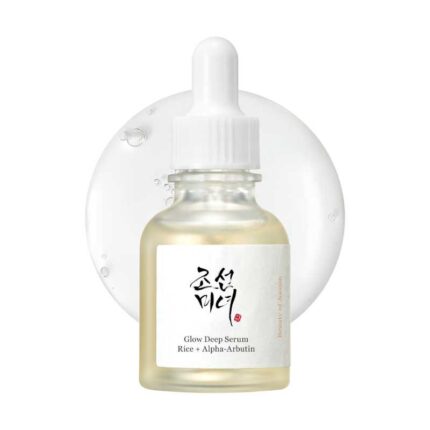 Sale
SaleOriginal price was: ৳ 2,060.00.৳ 1,442.00Current price is: ৳ 1,442.00.
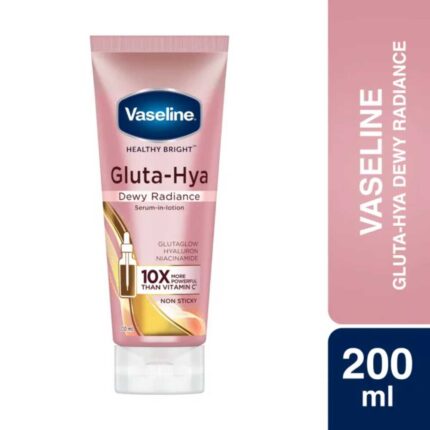
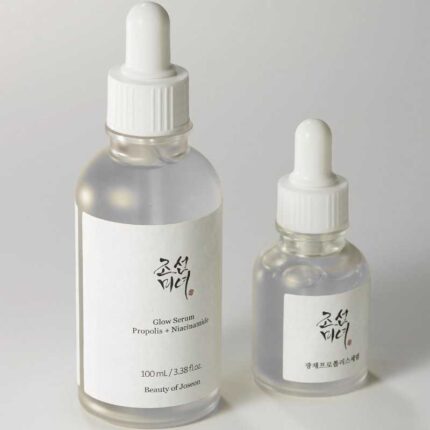 Sale
SaleOriginal price was: ৳ 3,080.00.৳ 2,156.00Current price is: ৳ 2,156.00.
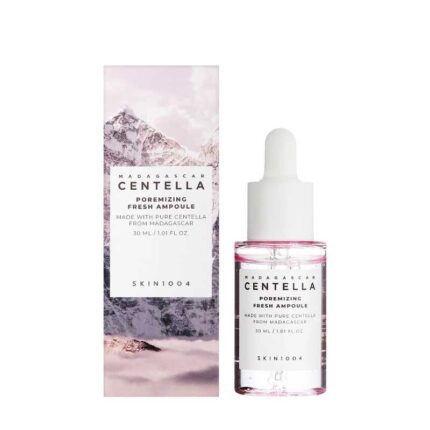 Sale
SaleOriginal price was: ৳ 2,620.00.৳ 1,834.00Current price is: ৳ 1,834.00.
How Melaleuca Alternifolia Extract May Help Skin
Melaleuca Alternifolia Extract attracts attention because it may address several visible skin concerns at once. Studies show tea tree oil components can reduce the growth of certain bacteria in lab settings. This does not mean every product works the same on living skin.
Still, many people like the ingredient for oily, congested, or blemish-prone areas. When a formula suits your skin, it may help skin look clearer. The best results usually come from steady use and a simple routine.
Helps with visible blemishes
Breakouts often involve oil, dead skin, and bacteria trapped in pores. Melaleuca Alternifolia Extract may help create a less friendly surface for some microbes. Because of that, brands often place it in anti-blemish care.
However, acne has many causes. Hormones, stress, hair products, and diet patterns can all play a role. This means one ingredient may help, yet it may not solve every breakout.
Some formulas combine the extract with salicylic acid, niacinamide, or zinc. For example, salicylic acid can enter oily pores and loosen buildup. Tea tree extract may then support a cleaner-feeling finish.
May reduce oily shine
Oily skin can look shiny by midday. Melaleuca Alternifolia Extract does not stop oil glands from working. However, it can support formulas that make skin feel fresher.
Research on oily skin care shows that harsh cleansing can make irritation worse. As a result, strong tea tree products may backfire if they strip the skin. A balanced formula should clean without leaving tightness.
Look for products that pair the extract with humectants. Humectants, like glycerin, pull water into the skin surface. This helps skin feel clean but not dried out.
Supports a clearer routine
A good routine does not need many products. Melaleuca Alternifolia Extract can fit into one step, such as a cleanser or spot gel. Because less can be more, avoid adding several tea tree products at once.
Dermatologists recommend changing one skincare product at a time. This helps you spot irritation quickly. It also makes it easier to know what actually helps.
When skin improves, keep the routine steady for several weeks. Visible changes take time because pores clog before bumps appear. Patience can prevent product hopping and extra irritation.
Who Should Consider This Tea Tree Extract Ingredient?
The tea tree extract ingredient may suit shoppers with oily, combination, or blemish-prone skin. It can also appeal to people who prefer plant-derived skincare options. Still, skin type should guide your choice more than marketing claims.
Melaleuca Alternifolia Extract may not suit every face. People with eczema, rosacea, or very reactive skin should move slowly. Dermatologists often advise patch testing when a product contains strong botanicals.
Best fit for oily skin
Oily skin often tolerates active ingredients better than very dry skin. However, that does not make irritation impossible. Strong formulas can still cause peeling, redness, or stinging.
When shopping, choose lighter textures if you break out easily. Gel cleansers, weightless lotions, and thin serums often feel better. Heavy balms may trap heat and sweat on some faces.
Melaleuca Alternifolia Extract can work well in a rinse-off cleanser for beginners. The short contact time lowers the chance of dryness. Later, you can try a leave-on product if your skin stays calm.
Useful for body breakouts
Body skin often handles stronger products than facial skin. Back, chest, and shoulder breakouts may respond well to targeted washes. Since sweat and friction can worsen bumps, a tea tree body wash may help some users.
Still, body acne can also come from tight clothing or hair products. Wash after workouts when you can. Also, rinse conditioner from your back before leaving the shower.
Melaleuca Alternifolia Extract may support a cleaner body care routine. Yet benzoyl peroxide or salicylic acid may work better for stubborn acne. A medical professional can guide persistent or painful cases.
Use caution with sensitive skin
Sensitive skin can react to natural ingredients. Plant extracts contain many compounds, and some can irritate. Although natural sounds gentle, skin does not always agree.
Patch testing helps reduce risk. Place a small amount near the jaw or inner arm. Wait a full day, then check for redness, itching, bumps, or burning.
If your skin reacts, stop using the product. Do not push through burning or swelling. Melaleuca Alternifolia Extract should feel comfortable, not painful.
How to Read Labels and Product Claims
Product labels can feel confusing, especially when brands use long ingredient names. Melaleuca Alternifolia Extract may appear under several similar names. The exact wording can hint at the plant part and extract form.
Because ingredient lists follow concentration order in many markets, placement can offer clues. Ingredients near the top usually appear at higher levels. Ingredients near the bottom often appear at lower levels, though small amounts can still matter.
Common label names
You may see Melaleuca alternifolia leaf extract on a label. You may also see tea tree leaf extract or tea tree oil. These names can describe different forms, so texture and strength may differ.
Melaleuca Alternifolia Extract sounds similar to essential oil, but they are not always identical. Essential oil tends to smell stronger. Extracts may smell lighter, especially in water-based products.
When the scent feels sharp, the formula may contain more aromatic compounds. Strong scent does not always mean better results. In fact, fragrance-heavy products often irritate sensitive skin.
Claims that deserve care
Many products claim to purify, clear, balance, or detox the skin. However, skincare cannot truly detox pores like the liver detoxes blood. Better claims focus on oil control, visible blemishes, or cleaner-feeling skin.
Some brands call tea tree an anti blemish compound in marketing. That phrase can make sense when the product targets spots. Still, a claim should not replace a full ingredient review.
Studies show tea tree oil can help some mild acne cases. Yet the results depend on product strength and skin tolerance. Claims should sound measured, not magical.
Ingredients that pair well
Melaleuca Alternifolia Extract often works best in a balanced formula. Niacinamide can support the skin barrier and reduce the look of redness. Zinc may help oily skin feel more matte.
Salicylic acid can help clear clogged pores. However, using too many strong actives can dry the skin. If a product includes several actives, start slowly.
Soothing ingredients can make tea tree products easier to use. Look for aloe, panthenol, allantoin, beta-glucan, or glycerin. These ingredients help reduce the harsh feel of some blemish products.
How to Use Melaleuca Alternifolia Extract Safely
Melaleuca Alternifolia Extract can fit into morning or evening routines. The best timing depends on product type. A cleanser may work well twice daily, while a spot product may need less use.
Because overuse can irritate skin, start with a low frequency. Try it once daily or every other day at first. Increase only if your skin stays calm and comfortable.
Start with a patch test
A patch test helps you check your skin response before full use. Apply a small amount to a discreet area. When the area stays calm after a day, try the product on a small face area.
This step matters more with leave-on formulas. Cleansers rinse away, but serums and creams remain on skin. Longer contact can raise the chance of irritation.
If you have a history of allergies, take extra care. Tea tree compounds can trigger contact dermatitis in some people. Contact dermatitis means a rash caused by skin contact with an irritant or allergen.
Use the right amount
More product does not mean faster results. A pea-sized amount of spot gel often covers several small areas. For cleansers, use enough to create light slip, not a thick layer.
Melaleuca Alternifolia Extract should not leave your skin burning. Mild coolness can happen with some formulas. However, strong stinging means you should rinse or stop.
When skin feels tight after use, add a gentle moisturizer. Moisture supports the barrier, which is the skin’s outer shield. A strong barrier often handles active ingredients better.
Avoid risky combinations
Do not combine several drying products at the same time. For example, tea tree spot gel, benzoyl peroxide, and a strong scrub may irritate. Instead, rotate active products on different nights.
Retinoids can also make skin more sensitive. If you use a retinoid, add Melaleuca Alternifolia Extract with care. Start on a non-retinoid night and watch your skin.
Since sun can worsen irritation marks, wear sunscreen each morning. Sunscreen does not treat blemishes directly. Still, it helps prevent dark spots from looking deeper.
How to Shop for the Right Product
General online shoppers face hundreds of choices. Melaleuca Alternifolia Extract appears in budget, mid-range, and premium products. Price does not always predict how well a formula suits your skin.
Dermatologists recommend choosing products based on skin type, ingredient mix, and irritation risk. Reviews can help, but your skin may respond differently. A smart shopping plan saves money and reduces trial errors.
Choose by product type
A cleanser is often the safest first step. It lets you try the ingredient without long skin contact. If your skin likes it, you can consider a toner, serum, or spot treatment.
Spot treatments make sense for occasional pimples. However, they may not prevent widespread breakouts. For frequent acne, a full routine may work better.
Melaleuca Alternifolia Extract in a moisturizer can suit oily skin if the base feels light. Look for non-greasy textures and simple formulas. Avoid heavy fragrance if your skin stings easily.
Match it to your skin type
Oily skin may prefer gels, foams, and light lotions. Combination skin may need a product only on the T-zone. Dry skin should choose creamier formulas with barrier support.
When skin feels sensitive, skip high-scent products. Choose formulas that include calming ingredients. Although tea tree can help some blemishes, comfort should come first.
Melaleuca Alternifolia Extract should support your routine, not dominate it. If every step contains tea tree, the total load may become too high. One well-made product often works better than many harsh steps.
Check reviews with care
Reviews can reveal texture, scent, and packaging issues. Still, dramatic before-and-after claims can mislead shoppers. Acne often changes due to hormones, stress, and routine shifts.
Look for reviews from people with a similar skin type. For example, oily skin reviews may not help dry, reactive skin. Also, check whether users mention stinging or peeling.
Research indicates that adherence matters in acne care. Adherence means using a product as directed over time. If a product feels unpleasant, people often stop before results appear.
Benefits and Limits You Should Know
Melaleuca Alternifolia Extract has clear appeal, yet it also has limits. It may support clearer-looking skin, fresher pores, and less visible shine. However, it cannot replace medical acne treatment when acne feels severe.
Because shoppers often expect fast results, realistic timing matters. Mild blemishes may look calmer after consistent use. Deeper acne, cysts, and scarring need professional care.
Possible benefits
The ingredient may help skin feel cleaner without harsh scrubbing. Many users like its crisp scent and fresh finish. When blended well, it can support a balanced blemish routine.
Studies show tea tree oil has antimicrobial activity in lab research. Antimicrobial means it can act against certain microbes. This supports its use in products for blemish-prone skin.
Melaleuca Alternifolia Extract may also pair well with gentle exfoliants. This can help oily skin look less congested. Still, the formula must protect the barrier.
Possible downsides
Tea tree products can irritate some skin. Redness, burning, itching, or peeling means the product may be too strong. Stop use if symptoms continue or worsen.
Oxidized tea tree oil can cause more reactions. Oxidized means air and light have changed the oil over time. Choose fresh products and close caps tightly.
Melaleuca Alternifolia Extract also has a scent that not everyone enjoys. A strong herbal smell may linger after use. If scent bothers you, choose a rinse-off product first.
When to see a professional
See a dermatologist if acne is painful, deep, or leaving marks. Professional care can prevent long-term scarring. Early treatment often works better than waiting for acne to spread.
Also seek help if your skin reacts badly to several products. You may have an allergy, rosacea, or a damaged barrier. A professional can help sort out the cause.
Melaleuca Alternifolia Extract can still fit some medical routines. However, ask before mixing it with prescription acne treatments. This helps reduce dryness and irritation.
Building a Simple Routine Around It
A simple routine helps you judge whether Melaleuca Alternifolia Extract works for you. Too many new products can cloud the picture. Start with basic steps and add targeted care slowly.
Most people need a cleanser, moisturizer, and sunscreen. Blemish-prone skin may also need one treatment step. Because consistency matters, choose products you can use without dread.
Morning routine
Start with a gentle cleanse if you wake up oily. If your skin feels dry, rinse with water instead. A tea tree cleanser can work here if it does not leave tightness.
Follow with a light moisturizer. Even oily skin needs water and barrier support. As a result, skipping moisture can make skin feel more stressed.
Finish with sunscreen every morning. Sun exposure can darken post-blemish marks. Sunscreen also helps your skin handle active routines better.
Evening routine
Remove sunscreen, sweat, and makeup at night. A cleanser with Melaleuca Alternifolia Extract may help skin feel fresh. Massage gently, then rinse well with lukewarm water.
Use a spot treatment only where needed. Avoid spreading strong products across dry areas. This keeps irritation lower while still targeting blemishes.
Apply moisturizer after treatment if your skin feels tight. Choose a light, non-greasy formula. When the barrier stays healthy, breakouts often look less angry.
Weekly habits
Avoid rough scrubs if you already use active products. Scrubbing can create tiny irritation and worsen redness. Instead, use a mild exfoliant only when needed.
Wash pillowcases often if your skin breaks out along the cheeks. Hair oils and styling products can transfer at night. This small habit can support clearer skin.
Melaleuca Alternifolia Extract works best with steady, low-stress care. Changing products daily can confuse your skin. Give a new routine enough time before judging it.
Ingredient Comparisons for Smarter Choices
Melaleuca Alternifolia Extract is only one option in blemish care. Comparing it with common ingredients helps you shop more wisely. Each ingredient has strengths, limits, and tolerance issues.
Research shows acne often responds best to targeted ingredients used consistently. However, not every shopper needs the strongest option. Mild concerns may improve with a gentle formula and better habits.
Tea tree versus salicylic acid
Salicylic acid is a beta hydroxy acid. That means it can move through oil and help loosen clogged pores. It has stronger evidence for blackheads and congestion.
Melaleuca Alternifolia Extract may feel more appealing to shoppers who want botanical care. It may also suit people who dislike acid products. However, salicylic acid often works better for stubborn pore buildup.
Some formulas combine both ingredients. When they do, start slowly. The mix can help, yet it can also dry the skin.
Tea tree versus benzoyl peroxide
Benzoyl peroxide targets acne bacteria and often works well for inflamed pimples. Dermatologists commonly recommend it for mild to moderate acne. Yet it can bleach fabrics and cause dryness.
Melaleuca Alternifolia Extract usually feels less clinical to shoppers. It may smell fresher and feel gentler in some formulas. Still, benzoyl peroxide has stronger acne evidence overall.
If you use both, avoid layering them without care. Alternate days can reduce irritation. A moisturizer can also help your skin adjust.
Tea tree versus niacinamide
Niacinamide is a form of vitamin B3. It can support the barrier, reduce the look of redness, and improve uneven tone. Many skin types tolerate it well.
Melaleuca Alternifolia Extract has a different role. It focuses more on freshness, blemish support, and microbial balance. Together, the two can make a practical pairing.
For sensitive skin, niacinamide may be the safer first choice. Then, you can add tea tree care later. This order lowers the chance of overwhelming your skin.
Common Myths About Tea Tree Skincare
Melaleuca Alternifolia Extract has a strong reputation, so myths spread easily. Some shoppers expect it to erase acne overnight. Others avoid it completely because they fear irritation.
The truth sits between those extremes. Evidence and experience support careful use. However, no single plant extract can fix every skin concern.
Myth: natural always means gentle
Natural ingredients can be strong. Poison ivy is natural, yet it can cause a severe rash. Tea tree compounds can also irritate certain people.
Because of this, product strength and formula quality matter. A gentle base can make Melaleuca Alternifolia Extract easier to use. A harsh base can turn a good ingredient into a problem.
Patch testing gives you useful feedback. It does not guarantee zero risk. Still, it helps you avoid larger reactions.
Myth: tingling means it works
A slight cool feel may happen with some tea tree products. However, burning does not prove that a product works. Pain often signals irritation, not progress.
When skin burns, the barrier may suffer. A weak barrier can lead to more redness and breakouts. That is why comfort matters in acne routines.
Melaleuca Alternifolia Extract should feel fresh or neutral. If it stings every time, choose a milder product. You can also switch to a rinse-off format.
Myth: stronger gives faster results
Stronger products can cause faster irritation. Acne care needs steady pressure, not shock treatment. Your skin often improves when you reduce stress on it.
Studies on acne care often show better results with regular use. Skipping due to dryness can slow progress. A tolerable product usually beats a harsh product.
Choose a strength you can keep using. Melaleuca Alternifolia Extract works best when it fits your daily life. Safe consistency matters more than intensity.
Quality, Storage, and Safety Tips
Melaleuca Alternifolia Extract products last longer when stored well. Heat, air, and light can change aromatic plant compounds. These changes may raise the chance of irritation.
Because shoppers often keep products in warm bathrooms, storage deserves attention. A cool, dry cabinet is a better choice. Close lids tightly after each use.
Packaging matters
Airless pumps and tubes can protect formulas better than open jars. Jars expose product to air and fingers each time. This can affect freshness and hygiene.
Dark or opaque packaging can also help protect light-sensitive ingredients. While not every formula needs it, it can be useful for aromatic extracts. Freshness supports a better skin experience.
Melaleuca Alternifolia Extract products with a strong rancid smell should be avoided. A change in smell, color, or texture can signal an old product. When unsure, replace it.
Use around eyes with care
The eye area is thin and sensitive. Avoid applying tea tree products close to the lash line. Even small amounts can sting if they move into the eyes.
If product enters your eyes, rinse with clean water. Stop using it near that area. Seek medical help if pain or blurred vision continues.
Melaleuca Alternifolia Extract belongs on targeted skin areas, not mucous membranes. Keep it away from lips, nostrils, and broken skin. This lowers the risk of burning.
Keep it away from children and pets
Tea tree oil can be unsafe if swallowed. Keep products away from small children. Also, avoid using human tea tree products on pets.
Veterinary sources warn that concentrated tea tree oil can harm animals. Cats and dogs can react badly to certain essential oils. Use pet products only under proper guidance.
For home safety, store skincare in a closed cabinet. This simple step prevents accidents. It also helps preserve product quality.
Shopping Checklist for Online Buyers
Online shopping makes comparison easy, yet it can also hide key details. Melaleuca Alternifolia Extract may appear in products with very different strengths. Reading beyond the front label helps you avoid regret.
Since you cannot test texture online, focus on clues. Product type, ingredient list, reviews, and return options all matter. A careful checklist can make your choice safer.
Before you buy
- Check whether the product is rinse-off or leave-on, because contact time affects irritation risk.
- Read the full ingredient list, especially if fragrance or alcohol tends to bother your skin.
- Look for calming support, such as glycerin, panthenol, aloe, allantoin, or niacinamide.
- Choose a product that matches your skin type, not just a popular trend.
- Start with one Melaleuca Alternifolia Extract product, rather than a full tea tree routine.
These steps help you compare products with less guesswork. They also keep your routine from becoming too harsh. When in doubt, choose the milder option first.
After it arrives
- Check the seal, smell, color, and texture before applying the product.
- Patch test the formula on a small area before full-face use.
- Use it as directed, and do not apply extra amounts for faster results.
- Track your skin for two weeks, especially redness, dryness, and new bumps.
- Stop use if your skin burns, swells, or develops a rash.
Melaleuca Alternifolia Extract should make your routine feel easier, not stressful. A simple note on your phone can help track changes. Photos in the same light can also show progress more clearly.
Signs of a good match
A good product leaves skin comfortable after use. Blemishes may look less angry over time. Oil may feel more controlled without a tight or shiny rebound.
However, improvement does not mean your skin will look perfect every day. Hormones, sleep, and stress can still affect breakouts. Stay flexible, but avoid changing everything at once.
Melaleuca Alternifolia Extract works best when it supports the rest of your routine. If the product feels pleasant and your skin stays calm, keep using it. If not, try another format or ingredient path.
Frequently Asked Questions
Is Melaleuca Alternifolia Extract good for acne?
Melaleuca Alternifolia Extract may help mild blemishes look calmer, especially in balanced formulas. Studies show tea tree oil components can act against certain acne-related bacteria. However, persistent or painful acne needs advice from a dermatologist.
Can I use it every day?
Many people can use Melaleuca Alternifolia Extract daily in a gentle cleanser. Leave-on products need more caution because they stay on skin longer. Start slowly, then increase use if your skin remains calm.
Is it safe for sensitive skin?
It can irritate sensitive skin, especially in strong or highly scented formulas. Although plant-based, it contains active aromatic compounds. Patch test first, and stop if you notice burning, itching, or swelling.
Can I mix it with salicylic acid?
You can mix Melaleuca Alternifolia Extract with salicylic acid if your skin tolerates both. However, the combination may dry or irritate some skin types. Start on alternate days before using them together.
Final Thoughts
Melaleuca Alternifolia Extract can be a useful option for shoppers with oily or blemish-prone skin. Its value depends on the full formula, your skin type, and how often you use it. Start with one gentle product, patch test first, and build your routine slowly.