
Mango Butter: Skin Benefits & How to Use

Dry, flaky skin can make daily routines feel frustrating and slow. Mango Butter can calm tightness and restore softness with steady care. Many people notice better texture and hydration within weeks of regular use.
Mango Butter: What it Is and Where it Comes From
Mango Butter comes from the seed of the mango fruit, also known scientifically as mangifera indica seed butter. The seed kernel yields a firm, pale butter that melts on skin contact. Historically, communities in tropical regions used the butter for skin and hair care.
Because the butter is pressed from seeds, its composition differs from mango fruit oil. Research indicates that the butter contains fatty acids and antioxidants that support skin barrier function. Studies show this natural fat can help reduce water loss from skin when applied consistently.
Recommended Products
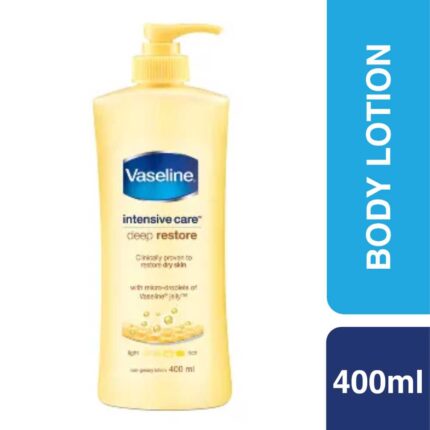 Sale
SaleOriginal price was: ৳ 550.00.৳ 510.00Current price is: ৳ 510.00.
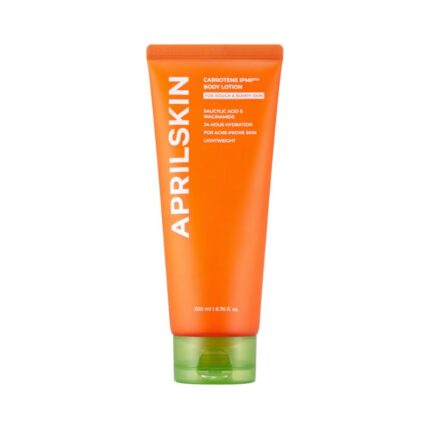 Sale
SaleOriginal price was: ৳ 2,900.00.৳ 2,030.00Current price is: ৳ 2,030.00.
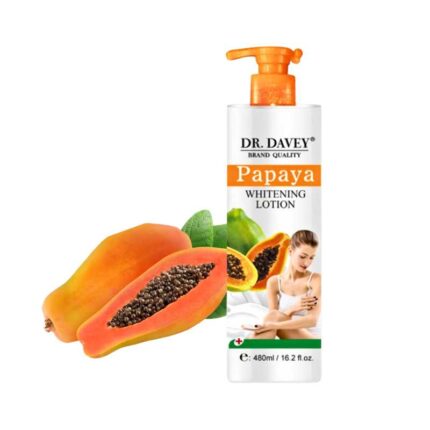
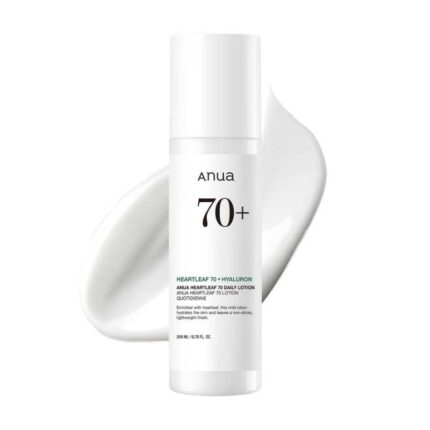 Sale
SaleOriginal price was: ৳ 2,750.00.৳ 2,460.00Current price is: ৳ 2,460.00.
Key Nutrients and Skin Benefits of Mango Butter
Mango Butter contains fatty acids such as oleic and stearic acids that feed the skin. These fats help replenish the lipid layer and stop moisture from evaporating. For example, the butter acts as an occlusive that supports hydration.
As a nourishing skincare ingredient, Mango Butter also delivers antioxidants. These antioxidants help protect skin from daily environmental stressors. Dermatologists recommend antioxidant-rich ingredients to help maintain skin tone and elasticity.
How Mango Butter Works on Different Skin Types
Mango Butter works well for dry and normal skin because it restores lipids and soothes irritation. Oily skin may tolerate it in small amounts or in formulations with lighter carriers. Combination skin often benefits from using Mango Butter on drier zones only.
Still, people with very acne-prone skin should test a small patch before full use. That is why a patch test helps reveal how sensitive skin will react. When reactions occur, discontinue use and consult a healthcare professional.
How to Use Mango Butter in Your Routine
Start with a clean face or body before applying Mango Butter for best absorption. A pea-sized amount warms quickly between fingers and spreads easily. Use it after bathing to lock in moisture on slightly damp skin.
So it pairs well with lighter serums or oils, creating layered hydration without heaviness. For body care, apply to elbows, knees, and hands where the skin tends to dry first. For scalp use, massage a small amount into dry ends or the crown to soothe flaking.
Simple DIY Recipes Using Mango Butter
For a hand and body balm, melt Mango Butter with jojoba oil and a few drops of essential oil. Mix until smooth and pour into a jar to set. This balm can help restore rough patches and improve skin softness.
For a lip treatment, whip Mango Butter with a touch of beeswax and honey for a protective salve. Apply before bed to deeply hydrate chapped lips. For a quick hair mask, mix Mango Butter with coconut oil and warm, then apply to mid-lengths for twenty minutes.
Tips for Layering Mango Butter with Other Products
Apply water-based serums first, then seal with Mango Butter to lock in benefits. Lightweight emulsions may mix well with a small amount of butter for added slip. For daytime, use a light layer to avoid shine under makeup.
When combining with sunscreen, let Mango Butter fully absorb before applying SPF. That means wait several minutes to keep the sun protection even. For nighttime routines, use a heavier application on dry areas for recovery.
Comparing Mango Butter to Other Plant Butters
Mango Butter sits between shea and cocoa butters in weight and absorbency. Shea butter often feels creamier, while cocoa butter is firmer and more occlusive. Mango Butter offers a lighter finish that many find less greasy.
Research indicates that Mango Butter provides similar emollient effects as other plant butters while often having a milder scent. For those who dislike strong aromas, Mango Butter can be a gentle alternative. Still, personal preference plays a large role in choosing a butter.
Choosing Quality Mango Butter
Look for unrefined, cold-pressed Mango Butter to keep natural nutrients intact. Unrefined butter retains a mild natural aroma and more antioxidants. If a neutral scent is preferred, refined versions exist but may contain fewer active compounds.
Because sourcing affects quality, choose products with clear origin information and minimal additives. Organic certification can add assurance but is not the only sign of quality. Read labels to confirm no unnecessary fragrances or synthetic fillers were added.
Storage and Shelf Life
Store Mango Butter in a cool, dark place to extend its shelf life. Heat and direct sunlight can speed up oxidation and change texture. A sealed container keeps out air and contaminants.
As a general rule, unrefined Mango Butter lasts about one to two years when stored properly. Research indicates that antioxidants in the butter slow rancidity, but proper storage remains essential. If the butter smells off or changes color, discard it.
Safety, Allergies, and Patch Testing
Mango Butter is generally well tolerated, but allergic reactions can occur in persons sensitive to mango. That is why a patch test on the inner forearm is recommended before regular use. Apply a small amount and wait 24 to 48 hours to check for redness or irritation.
If a severe reaction occurs, stop use and seek medical advice. Because the seed is related to other plant families, cross-reactivity with known nut allergies can be possible. Dermatologists recommend caution for those with multiple plant-based sensitivities.
Mango Butter in Commercial Products
Many creams, balms, and lotions include Mango Butter as a key emollient. Manufacturers value it for skin feel and stability in formulations. Studies show formulating with Mango Butter can improve product spreadability while maintaining moisture retention.
When shopping, check ingredient lists for Mangifera indica seed butter or Mango Butter near the top. A higher placement signals a larger proportion in the product. Products that combine Mango Butter with humectants like glycerin can offer balanced hydration.
Sustainability and Sourcing Concerns
Because Mango Butter originates from fruit seeds, it can reduce waste by using byproducts of mango processing. Ethical sourcing supports local farmers and communities in tropical regions. Sustainable harvesting practices help maintain biodiversity in growing areas.
Still, confirm that brands practice fair trade or community support where possible. That means looking for transparency about harvest methods and supply chains. Consumers can encourage better practices by choosing responsibly sourced products.
When to Choose Mango Butter Over Other Ingredients
Choose Mango Butter if you want a medium-weight emollient that absorbs fairly quickly. It suits people who need lasting softness without heavy residue. For deep occlusion in very dry skin, consider blending with heavier butters.
For oily or acne-prone skin, use light formulations with Mango Butter or select derivatives designed for non-comedogenic profiles. For sensitive skin, favor unrefined and unscented options. Personal testing helps determine the best match.
Cost and Value Considerations
Mango Butter prices vary with quality, origin, and processing method. Unrefined, organic butter costs more but may provide greater value through higher active content. A small amount often goes a long way because the butter is concentrated.
When comparing products, consider ingredient lists and overall performance rather than price alone. For example, a blended product with several emollients might deliver better results than a cheap pure butter. That means testing a product for several weeks before judging value.
Common Myths and Misconceptions
One myth says Mango Butter will clog pores for everyone. In truth, pore-clogging varies by individual skin type and formulation. Studies indicate that comedogenicity depends on concentration and co-ingredients rather than one ingredient alone.
Another misconception is that all Mango Butter is the same. Processing methods, origin, and refinement level change texture and nutrient profile. Therefore, choosing the right type matters for your goals and preferences.
Practical Routine Examples Using Mango Butter
For dry skin: after showering, apply Mango Butter to damp skin, focusing on hands and legs. Repeat nightly for improved moisture retention and smoother texture. Over time, the skin barrier regains strength and comfort.
For face care: blend a small amount with a lightweight facial oil and use as a night treatment on dry patches. Use this twice weekly to avoid buildup. Adjust frequency based on how your skin responds to the treatment.
Expert Tips and Professional Opinions
Dermatologists recommend testing any new skincare ingredient to watch for reactions. They also suggest combining butters like Mango Butter with humectants for balanced hydration. Research indicates that pairing occlusives with humectants yields better overall moisture retention.
Cosmetic formulators often choose Mango Butter for its melting point and stability. That means it blends well into balms, creams, and salves. For at-home formulations, measure carefully to create a consistent product.
DIY Safety and Small-Batch Making
When making your own products, use clean tools and sanitized containers to avoid contamination. Heat Mango Butter gently to prevent burning or overheating. Use a double boiler and stir frequently until just melted.
Once poured into containers, cool the product in a clean area to avoid dust and microbes. Label jars with dates and ingredients. For best results, make small batches that you can use within several months.
How to Spot Fake or Low-Quality Mango Butter
Fake or overly refined Mango Butter may lack aroma and natural texture. If the butter seems too waxy or artificial, it might contain additives or stabilizers. Pure unrefined butter feels slightly grainy when solid and melts smoothly on warm skin.
Check color and smell. A mild, nutty scent and pale yellow hue often indicate unrefined quality. When in doubt, request ingredient sourcing details or choose a trusted brand known for transparency.
Combining Mango Butter with Active Skincare Ingredients
Mango Butter pairs well with vitamin C and retinoids when you separate application times. Use active vitamin formulations in the morning, and heavy emollients like Mango Butter at night. This approach reduces the chance of irritation while supporting barrier repair.
Because Mango Butter is stable, it can be the base of a calming night cream after acid exfoliation or retinol use. Still, perform patch tests when combining multiple actives. That reduces the risk of unexpected reactions.
Popular Product Types that Use Mango Butter
You will find Mango Butter in body butters, balms, lotions, and hair masks. Brands also include it in baby care items for gentle moisturizing. The butter’s mild scent and emollient profile make it versatile for many formulations.
For everyday care, a small jar of pure Mango Butter offers flexible use across skin and hair tasks. It also works well as a base for creating customized products at home. That makes it a practical addition to many routines.
Consumer Questions: Choosing Between Refined and Unrefined
Refined Mango Butter often has a neutral scent and cleaner appearance. Unrefined butter contains more of the natural aroma and compounds. Consumers who want maximum nutrients usually pick unrefined options.
If scent sensitivity is an issue, choose a refined product or one labeled unscented. For a natural experience and potentially greater antioxidant content, select unrefined, cold-pressed Mango Butter.
Frequently Asked Questions
Is Mango Butter good for dry skin?
Yes, Mango Butter is an effective emollient that helps retain moisture and improves skin softness. Many users report reduced flaking and less tightness with consistent use.
Can Mango Butter cause acne?
Mango Butter can be heavy for some acne-prone skin types if used in large amounts. That is why patch testing and using small quantities is advised for sensitive or oily skin.
What is the difference between Mango Butter and mangifera indica seed butter?
They are the same thing; mangifera indica seed butter is the botanical name for Mango Butter. Labels may use either term depending on brand preference and regulatory standards.
How should I store Mango Butter to keep it fresh?
Store Mango Butter in a cool, dark place in a sealed container to slow oxidation and extend shelf life. Avoid direct sunlight and high heat to preserve texture and scent.
Final Thoughts
Mango Butter offers a balanced, nourishing option for many skin care routines and serves as a reliable nourishing skincare ingredient for dry and sensitive skin. Try unrefined Mango Butter in small amounts to see how your skin responds, and choose formulations that match your skin type for best results.